
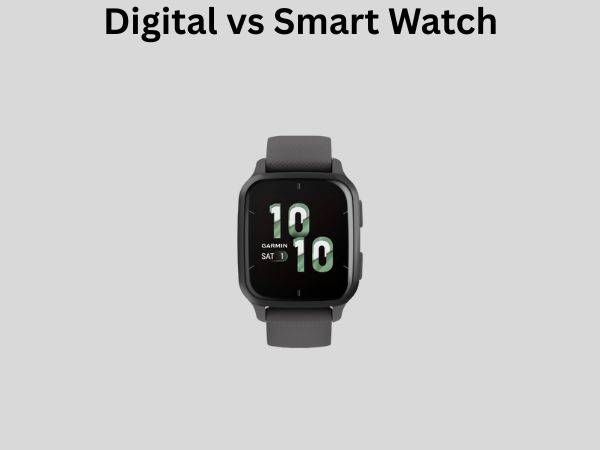
Digital vs Smart Watch: Key Differences Explained
Have you ever stood in front of a watch display, completely puzzled about whether you should grab a digital watch or invest in a smart watch? You’re not alone. The world of wearable technology has become increasingly confusing, especially when you’re trying to figure out which device actually suits your lifestyle. Let me walk you through this decision-making process, because choosing between these two options is more nuanced than you might think.
Understanding the Basics: What Sets These Watches Apart?
Before we dive deep into the specifics, let’s establish a foundation. A digital watch is essentially a timekeeping device that displays the time using numbers on a liquid crystal display screen. It’s straightforward, reliable, and has been around for decades. A smart watch, on the other hand, is like a miniature computer strapped to your wrist. It does everything a digital watch does, but it also connects to your smartphone and performs countless additional functions.
Think of it this way: a digital watch is a specialist in one job, while a smart watch is a jack-of-all-trades. This fundamental difference shapes everything else we’ll discuss.
The Evolution of Wearable Technology
The journey from traditional analog watches to digital watches represented a technological leap. Then, smart watches came along and completely revolutionized what we expect from our wrists. Understanding this evolution helps clarify why these devices function so differently today.
Core Functionality: What Can Each Watch Actually Do?
Digital Watch Capabilities
Digital watches excel at their primary purpose: telling time with precision. Most modern digital watches offer:
- Accurate time display with hour, minute, and second precision
- Multiple time zones for travelers
- Stopwatch and timer functions
- Alarm settings
- Calendar display
- Basic water resistance for everyday wear
- Long battery life, often lasting months or even years
These features make digital watches practical for everyday timekeeping. They’re dependable, and you never have to worry about them becoming obsolete because technology moved forward.
Smart Watch Capabilities
Smart watches are essentially wearable extensions of your smartphone. Here’s what they typically bring to the table:
- All the features of a digital watch, plus more
- Notifications from calls, texts, and apps
- Health monitoring including heart rate, sleep tracking, and stress levels
- Fitness tracking with workout recognition
- GPS navigation and mapping
- Voice assistants like Siri or Google Assistant
- Mobile payments through NFC technology
- Music control and sometimes music storage
- Third-party app installation
- Internet connectivity via Bluetooth or WiFi
The difference is staggering, isn’t it? A smart watch transforms your wrist into a command center for your digital life.
Battery Life: A Critical Distinction
Digital Watch Battery Performance
One of the most compelling advantages of a digital watch is its battery longevity. Most digital watches use traditional button cell batteries that last anywhere from one to five years, depending on usage. Some solar-powered digital watches can theoretically last indefinitely if they receive regular sunlight exposure.
This means you can wear your digital watch every single day without thinking about charging it. You just swap the battery when it dies, and you’re back in action.
Smart Watch Battery Challenges
Smart watches, conversely, demand regular charging. Most smart watches require a charge every one to three days, with some premium models stretching to five or seven days. This is the trade-off for all that advanced functionality.
If you’re someone who forgets to charge devices or travels frequently without access to chargers, this could become frustrating. Imagine being on a hiking trip and your smart watch dies on day two.
Health and Fitness Tracking: Where Smart Watches Shine
What Digital Watches Offer
Basic digital watches don’t include health monitoring features. Some specialized fitness digital watches include step counters or basic activity tracking, but their capabilities are limited compared to smart watches.
The Smart Watch Health Advantage
Smart watches are absolutely phenomenal for health-conscious individuals. They monitor:
- Heart rate variability and trends
- Blood oxygen levels
- Sleep quality and sleep stages
- Stress levels throughout the day
- Calorie expenditure
- Different workout types with automatic detection
- Hydration reminders
- Female health tracking cycles
For someone committed to fitness goals or managing health conditions, a smart watch becomes an invaluable companion. It’s like having a personal health coach on your wrist.
Design and Style: Aesthetics Matter
Digital Watch Design Philosophy
Digital watches come in an enormous variety of styles. You can find minimalist designs, rugged sports models, elegant dress watches, and everything in between. Because they don’t require charging and don’t need to accommodate complex internals, manufacturers have tremendous flexibility in design.
Many people prefer the look of a traditional digital watch because it feels less intrusive and more timeless. There’s something refreshing about wearing something that doesn’t scream “expensive technology.”
Smart Watch Aesthetic Challenges
Smart watches are inherently chunkier due to their processors, batteries, and sensors. Even the thinnest models look distinctly technological. However, most smart watch manufacturers now offer interchangeable bands and customizable watch faces, allowing for personalization.
Some people love this modern aesthetic, while others find it too bulky for formal occasions or everyday elegance.
Cost Considerations: Budget Versus Investment
Digital Watch Pricing
Digital watches are incredibly affordable. You can purchase a reliable, feature-rich digital watch for anywhere from fifteen to one hundred fifty dollars. Even luxury digital watch brands remain relatively accessible compared to smart watches.
The low price point means you can own multiple digital watches without guilt, perhaps having one for sports, one for casual wear, and one for formal events.
Smart Watch Investment
Smart watches represent a more significant financial commitment. Entry-level smart watches start around two hundred dollars, while premium models from established brands like Apple or Samsung can exceed four hundred dollars. You’re also committing to ongoing expenses like potential repairs and eventual replacement.
However, if you use the device’s features regularly, this investment often pays dividends in convenience and health insights.
Connectivity and Smartphone Integration
Digital Watches Stand Alone
Digital watches function completely independently. They don’t require a smartphone, don’t depend on Bluetooth connectivity, and won’t become outdated when you upgrade your phone. This independence is liberating for many users.
Smart Watches Require Partnership
Smart watches rely on your smartphone to achieve most of their functionality. They need to pair via Bluetooth and often require specific operating systems. An Apple Watch primarily works with iPhones, while Wear OS watches pair better with Android devices.
This ecosystem lock-in means you’re committed not just to the smart watch, but to maintaining compatibility with your smartphone choice.
Water Resistance: Durability for Different Lifestyles
Digital Watch Water Resistance
Most digital watches offer solid water resistance, typically rated for 50 meters or more. This means they’re safe for swimming, snorkeling, and water sports. Some are rated for deeper depths.
Smart Watch Water Resistance Variations
Smart watches also feature water resistance, but it varies significantly by model. Some are only splash-resistant, while others are fully submersible to 50 meters or more. You need to check specific specifications because this varies considerably between models.
Use Cases: Who Should Choose What?
Digital Watch Ideal Users
Digital watches are perfect for:
- Budget-conscious consumers who want reliable timekeeping
- People who prefer minimalist, non-intrusive technology
- Athletes who need durability without complex features
- Those who dislike frequent charging
- Individuals in situations where smartphones are restricted
- Users who value simplicity and straightforward functionality
Smart Watch Ideal Users
Smart watches excel for:
- Health and fitness enthusiasts tracking comprehensive metrics
- Busy professionals who need constant connectivity
- People who embrace technology and wearables
- Individuals with compatible smartphones and the ecosystem
- Those willing to charge devices regularly
- Users seeking advanced features beyond basic timekeeping
Durability and Longevity: Which Lasts Longer?
Digital Watch Lifespan
Digital watches are incredibly durable. A quality digital watch can function perfectly for ten, twenty, or even thirty years. They have fewer moving parts than analog watches and fewer electronic components than smart watches, reducing failure points.
Smart Watch Longevity Concerns
Smart watches typically have shorter lifespans, usually three to five years before performance degrades. Battery capacity diminishes over time, and software updates eventually stop supporting older models. This shorter functional lifespan means you’ll likely replace your smart watch more frequently than a digital watch.
Software and Updates: A Crucial Difference
Digital Watch Simplicity
Digital watches don’t require software updates. Their firmware is fixed and unchanging, eliminating concerns about compatibility, bugs, or obsolescence due to updates.
Smart Watch Software Requirements
Smart watches receive regular software updates, which is good for security and features but bad for long-term support. Eventually, manufacturers stop supporting older models, leaving you with a device that no longer receives critical updates.
Making Your Decision: Key Questions to Ask
Before deciding, consider these essential questions:
- How important is battery life to you? Can you charge a device daily?
- Do you actively track fitness or health metrics?
- How much smartphone integration do you actually need on your wrist?
- What’s your budget, and how often are you willing to replace wearables?
- Do you prefer simplicity or technological features?
- How important is aesthetic style in your decision?
- Will you actually use advanced features or just want time display?
Honestly answering these questions will guide you toward the right choice.
The Hybrid Approach: Having Both
Here’s a thought many people don’t consider: you don’t necessarily have to choose just one. Some users maintain a digital watch for everyday wear and keep a smart watch for workouts or when they want advanced features. This approach combines the best of both worlds.
It’s like having a reliable car for daily commuting and a sports car for weekend adventures. Different tools for different purposes.
Environmental Impact: Sustainability Considerations
Digital Watches and Sustainability
Digital watches are more environmentally friendly in terms of longevity. A watch lasting twenty years represents significantly less electronic waste than multiple smart watches replaced every few years.
Smart Watches and Technology Waste
Smart watches contribute to electronic waste more quickly due to shorter lifespans and frequent replacements. However, many manufacturers are improving recycling programs and using more sustainable materials.
Conclusion
The choice between a digital watch and a smart watch isn’t about which is objectively better. Instead, it’s about which aligns with your lifestyle, priorities, and values. Digital watches remain the champion of simplicity, durability, and independence. They’re perfect if you want reliable timekeeping without the technological overhead.
Smart watches represent the future of wearable technology, offering unprecedented health insights and connectivity. They’re worth the investment if you actually use their features and embrace the charging requirement.
Consider your daily life, your budget, and your relationship with technology. Do you want a tool that simply tells time, or do you want a device that enhances multiple aspects of your health and productivity? Both answers are valid. Both watches have earned their place in the wearable technology landscape. The best choice is the one that genuinely improves your daily experience without creating frustration or regret.
Frequently Asked Questions
Can I use a smart watch without a smartphone?
Most smart watches require a smartphone to function properly, as they rely on Bluetooth connectivity to access notifications, apps, and many features. However, some smart watches with cellular connectivity and built-in GPS can operate independently for basic functions like fitness tracking and time display. You should check specific models before purchasing if smartphone independence is important to you.
How often do I really need to charge a smart watch?
Smart watch charging frequency depends on your usage patterns and the specific model. Typical smart watches need charging every one to three days with moderate use. Heavy fitness tracking and constant notifications reduce battery life significantly, while minimal use might extend it to four or five days. Always check manufacturer specifications for your specific model.
Will a digital watch ever display notifications or connect to my phone?
Standard digital watches cannot receive notifications or connect to smartphones. However, some specialized digital watches with Bluetooth connectivity do exist, though they’re rare. If connectivity is important to you, a smart watch is the better choice, as most digital watches are designed specifically for standalone operation.
Which watch is better for swimming and water sports?
Both digital and smart watches can be water-resistant, but you need to check specific ratings. Many digital watches are rated for 50-100 meters of water resistance, making them excellent for swimming and snorkeling. Smart watches vary considerably, so verify your model’s water resistance rating before exposing it to water during activities. Some smart watches are only splash-resistant and aren’t suitable for swimming.
Can I still wear my old digital watch, or is it considered outdated?
Digital watches are absolutely not outdated. Many people prefer them specifically because they’re timeless and reliable. A quality digital watch from any era functions just as well as a modern one. Personal preference and style matter far more than whether technology is current. Wearing a digital watch is a perfectly valid and often deliberate choice rather than a sign of being behind the times.
“`
![7 Best Budget Smart Watches For Women [2026]](https://smartwatchbest.com/wp-content/uploads/2026/08/7-best-budget-smart-watches-for-women-2026-featured-768x432.jpg)
![7 Best Smart Watch For Small Wrist Men [2026]](https://smartwatchbest.com/wp-content/uploads/2026/09/7-best-smart-watch-for-small-wrist-men-2026-featured-768x432.jpg)