How Accurate Are Smartwatches with Blood Pressure Monitoring?
You’re standing in the checkout aisle of your local pharmacy, staring at a sleek smartwatch that promises to monitor your blood pressure right from your wrist. It’s tempting, isn’t it? The convenience factor alone makes you want to grab it immediately. But before you make that purchase decision, you’re probably wondering: just how reliable are these devices really? That’s exactly what we’re going to explore today, and I promise to give you the honest truth without the marketing fluff.
Understanding Smartwatch Blood Pressure Technology
Before we dive into accuracy numbers, let’s talk about how these devices actually work. Think of your smartwatch blood pressure sensor as a tiny nurse sitting on your wrist, constantly taking readings. Most smartwatches use something called photoplethysmography, which is a fancy way of saying they use light to detect your pulse.
Here’s the simple version: the watch shoots red and infrared light into your skin, and a sensor measures how much light bounces back. Your blood absorbs light differently depending on how much oxygen it’s carrying, and this fluctuation helps the device calculate your heart rate and, in theory, your blood pressure. Some newer models combine this with additional sensors to improve accuracy.
How Blood Pressure Readings Are Generated
The process isn’t as straightforward as you might think. Unlike a traditional blood pressure cuff that actually squeezes your arm to measure pressure directly, smartwatches use indirect methods. They collect data about your pulse, the stiffness of your arteries, and other biometric information, then use algorithms to estimate what your blood pressure might be.
It’s kind of like trying to guess someone’s height by looking at their shadow. You can make an educated guess, but it won’t be perfectly accurate every single time.
The Accuracy Question: What Does the Research Say?
This is where things get interesting. Multiple clinical studies have tested smartwatch blood pressure monitors against traditional medical-grade blood pressure cuffs, and the results are mixed—which is probably why you’re here reading this in the first place.
FDA Approval and Regulatory Status
Here’s something crucial that many people don’t realize: most smartwatch blood pressure features are not FDA-approved as medical devices. The FDA has very strict standards for devices that claim to diagnose or monitor medical conditions. A few smartwatches have received approval, but the majority operate in a gray area where they’re considered wellness devices rather than medical instruments.
What does this mean for you? It means these devices might give you useful information for tracking trends, but they shouldn’t be your primary tool for diagnosing hypertension or making medical decisions.
Clinical Study Findings
When researchers have tested smartwatch blood pressure monitors, they’ve found varying degrees of accuracy:
- Some studies show an average error margin of plus or minus 5-10 mmHg
- Others report error margins as high as 10-15 mmHg
- A few premium models have shown more promising results, but they’re the exception rather than the rule
To put this in perspective, a traditional blood pressure cuff typically has an accuracy rating of plus or minus 3 mmHg, which is why doctors still rely on them for medical decisions.
Factors That Affect Smartwatch Blood Pressure Accuracy
Here’s where it gets complicated. The accuracy of your smartwatch blood pressure reading depends on numerous factors, many of which are completely within your control.
Wrist Fit and Placement
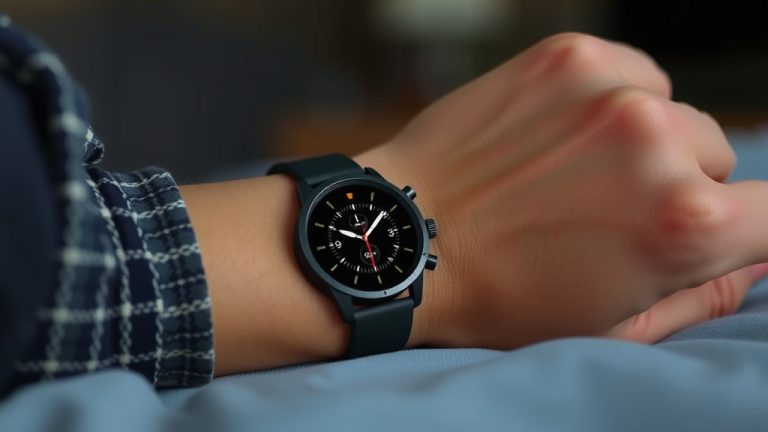
If your smartwatch is too loose, the sensors can’t get a proper reading. If it’s too tight, you might get false readings. Most manufacturers recommend wearing your watch snugly but comfortably, similar to how you’d wear a regular watch. The placement matters too—your watch should sit directly over your radial artery for optimal sensor contact.
Skin Tone and Composition
This is a factor that doesn’t get discussed enough. The light-based sensors in smartwatches work differently depending on your skin tone. Darker skin tones can absorb more light, potentially affecting the accuracy of optical sensors. This isn’t a flaw in your personal device; it’s a limitation of the technology itself that manufacturers are still working to overcome.
Physical Activity and Movement
Try taking a blood pressure reading while you’re running or moving around, and you’ll understand this immediately. Movement creates noise in the data. For accurate readings, you need to be stationary and relaxed. Most smartwatches require you to stay still for several seconds to a minute while they take measurements.
Time of Day and Body Position
Blood pressure naturally fluctuates throughout the day. It’s typically lower in the morning and higher in the evening. Additionally, whether you’re sitting, standing, or lying down affects your readings. For consistent measurements, you need to take readings at roughly the same time under similar conditions.
Stress and Caffeine Consumption
Have you ever noticed your heart racing after your third cup of coffee? The same thing happens to your blood pressure. Caffeine, stress, and even a full bladder can temporarily elevate readings. To get reliable data, you should avoid these factors for at least 30 minutes before measuring.
Environmental Factors
Temperature and humidity can also play a role. Extreme cold can cause blood vessels to constrict, while heat can cause them to dilate. Taking readings in inconsistent environments might give you inconsistent results.
Which Smartwatches Have the Best Blood Pressure Accuracy?
Not all smartwatches are created equal when it comes to blood pressure monitoring. Some manufacturers have invested more heavily in this feature than others.
Top Performers in the Market
Based on clinical testing and user feedback, certain brands have emerged as leaders in smartwatch blood pressure accuracy:
- Apple Watch: Recently added blood pressure notification features, though accuracy still varies
- Samsung Galaxy Watch: Offers blood pressure monitoring with reasonable accuracy for wellness tracking
- Withings/Nokia Health watches: Have received FDA clearance in some regions for blood pressure monitoring
- Huawei Watch: Includes blood pressure monitoring with claimed decent accuracy
Even with these top brands, it’s important to remember that accuracy still isn’t at medical-grade levels.
The Role of Machine Learning
Newer smartwatches are using artificial intelligence and machine learning to improve accuracy over time. The more readings your watch takes, the better it learns your baseline and personal patterns. However, this improvement happens gradually, and initial readings might be less accurate than readings taken months later.
Medical-Grade Alternatives to Consider
If you need truly accurate blood pressure monitoring, smartwatches might not be your best bet, at least not yet.
Wearable Blood Pressure Monitors
These are devices that actually look more like traditional blood pressure cuffs but come in wearable forms. Some companies have developed wrist-based cuffs that maintain much higher accuracy standards than optical smartwatches. They physically inflate and deflate to measure pressure, just like office-based devices.
Home Blood Pressure Monitors
If you have hypertension or need to monitor your blood pressure regularly for medical reasons, a traditional home blood pressure monitor is still your most reliable option. They’re inexpensive, widely available, and have been validated in countless clinical studies.
When Should You Trust Your Smartwatch Blood Pressure Reading?
Okay, so smartwatches aren’t perfect. But does that mean they’re completely useless? Not at all. They shine in specific situations.
Tracking Trends Over Time
While individual readings might not be perfectly accurate, patterns over weeks and months can be meaningful. If your smartwatch consistently shows increasing blood pressure over time, that’s worth discussing with your doctor, even if the absolute numbers aren’t perfectly precise.
Raising Awareness About Your Health
Many people never check their blood pressure because it’s inconvenient. Smartwatches make it easy to develop the habit of checking regularly. Even if the readings aren’t medically perfect, the awareness and habit formation can lead to better health choices.
Initial Screening and Motivation
If your smartwatch shows elevated readings, it might motivate you to visit your doctor for a professional check-up. In that sense, these devices can serve as a useful first step in the health monitoring process.
Limitations and Honest Drawbacks
Let’s be completely transparent here. There are real limitations to smartwatch blood pressure monitoring that you should be aware of before making a purchase decision.
Cannot Diagnose Medical Conditions
You cannot and should not use a smartwatch to diagnose hypertension or any other cardiovascular condition. Only a healthcare professional using validated devices can make a diagnosis. A single high reading on your smartwatch doesn’t mean you have high blood pressure any more than feeling warm means you have a fever.
Not Suitable for Medical Decision-Making
If you’re taking blood pressure medication, your doctor needs accurate readings to adjust your dosage. Smartwatch readings might be off by enough to affect medication management, so always verify important medical decisions with traditional monitoring.
Inconsistent Performance Across Users
What works perfectly for your friend might not work well for you, depending on factors like skin tone, wrist shape, fitness level, and more. This inconsistency is one of the biggest challenges facing smartwatch manufacturers.
The Future of Smartwatch Blood Pressure Monitoring
Technology is advancing rapidly in this space, and future smartwatches will likely be more accurate. Researchers are working on improved sensors, better algorithms, and new measurement techniques that could close the accuracy gap.
Emerging Technologies
Companies are exploring ultrasonic sensors, radar-based detection, and thermal imaging to supplement traditional optical sensors. These hybrid approaches might offer better accuracy in coming years.
Machine Learning Improvements
As smartwatches collect more data from more users, machine learning algorithms will improve. The algorithms will become better at accounting for individual differences and environmental factors, leading to more personalized and accurate readings.
How to Get the Most Accurate Readings from Your Smartwatch
If you’re going to use your smartwatch for blood pressure monitoring, maximize accuracy by following these best practices.
Optimal Conditions for Measurement
- Take readings at the same time each day for consistency
- Sit calmly for at least five minutes before measuring
- Avoid caffeine, alcohol, and exercise for at least 30 minutes before reading
- Keep your wrist relaxed and at heart level
- Ensure your smartwatch fits snugly without being too tight
- Take multiple readings and average them for more reliable data
Documentation and Tracking
Keep a log of your readings along with the conditions under which you took them. Note what you ate, how stressed you were, whether you’d exercised, and other relevant factors. This context helps you and your doctor interpret the data more accurately.
Comparing Smartwatch Results with Professional Measurements
Here’s something I highly recommend: if you’re seriously interested in monitoring blood pressure, compare your smartwatch readings with professional measurements at your doctor’s office. Take a reading on your smartwatch right before or after your doctor checks your blood pressure. Over several visits, you’ll develop a sense of how much your specific smartwatch tends to over or underestimate.
Building a Personal Baseline
Once you understand your device’s tendency, you can mentally adjust readings accordingly. For example, if you notice your smartwatch consistently reads 5 mmHg higher than your doctor’s office cuff, you’ll know to subtract that from your home readings when discussing with your doctor.
The Bottom Line: Should You Buy a Smartwatch with Blood Pressure Monitoring?
The answer depends on your specific needs and expectations. If you’re looking for a medical-grade device to diagnose hypertension or manage serious cardiovascular conditions, a smartwatch isn’t the right tool—at least not yet. Stick with traditional blood pressure monitors for medical purposes.
However, if you want a convenient way to track general health trends, raise awareness about your blood pressure, and develop consistent monitoring habits, a smartwatch can be a useful addition to your wellness toolkit. The key is managing your expectations and understanding the limitations.
Think of your smartwatch as a motivational tool rather than a medical instrument. It nudges you to pay attention to your health, creates accountability, and provides data that can complement professional medical care. Just don’t let it replace visits to your doctor or more accurate monitoring devices.
Conclusion
Smartwatches with blood pressure monitoring capabilities represent an exciting development in personal health technology. They offer convenience and accessibility that traditional devices simply can’t match. However, they come with real limitations in terms of accuracy that we can’t ignore.
The honest truth is that current smartwatch blood pressure sensors are not accurate enough to replace medical-grade devices for diagnostic or treatment-related purposes. Error margins of 5-15 mmHg might seem small, but they can significantly impact medical decisions. That said, these devices are improving, and they play a valuable role in health awareness and trend tracking.
When considering a smartwatch with blood pressure monitoring, focus on it as a wellness tool rather than a medical device. Use it to encourage healthier habits, maintain consistent monitoring routines, and spot trends that warrant professional attention. Always verify concerning readings with your doctor using traditional measurement methods before making any healthcare decisions.
The future looks promising for wearable blood pressure technology, and we’ll likely see significant improvements in accuracy over the next few years. For now, go in with eyes wide open, understanding both the benefits and limitations of what your smartwatch can actually deliver.
Frequently Asked Questions
Can I use my smartwatch blood pressure reading to diagnose high blood pressure?
No, you should not use smartwatch readings for diagnosis. Blood pressure diagnosis requires multiple readings taken under controlled conditions using validated medical devices, typically over several visits to a healthcare provider. A single high reading or even multiple elevated readings on your smartwatch warrant a visit to your doctor for professional evaluation, but the smartwatch reading alone cannot diagnose hypertension. Think of it as a flag that says “check with your doctor,” not a definitive diagnosis.
Why is my smartwatch blood pressure different from my doctor’s office reading?
Several factors could explain the difference. First, smartwatch sensors use different technology than office cuffs, which naturally creates variation. Second, your blood pressure changes throughout the day based on stress, caffeine, activity level, and time. Third, the environment differs—your doctor’s office is calm and controlled, while you might be taking home readings in various conditions. Finally, your emotional state matters; some people experience “white coat syndrome” where their blood pressure rises in medical offices. These variations are normal and don’t necessarily indicate a problem with either device.
Which smartwatch has the most accurate blood pressure monitoring?
Based on current research and FDA approvals, Withings/Nokia smartwatches and some Samsung Galaxy Watch models have demonstrated relatively better accuracy compared to competitors. However, “most accurate” is relative—they’re still not at medical-grade precision. Apple Watch and Huawei Watch also offer blood pressure features but with varying accuracy across different user populations. Rather than seeking the “most accurate” model, research which brands work best with your specific skin tone and wrist type, as these factors significantly influence accuracy.
![7 Best Smart Watch For Small Wrist Women [2026]](https://smartwatchbest.com/wp-content/uploads/2026/09/7-best-smart-watch-for-small-wrist-women-2026-featured-768x432.jpg)