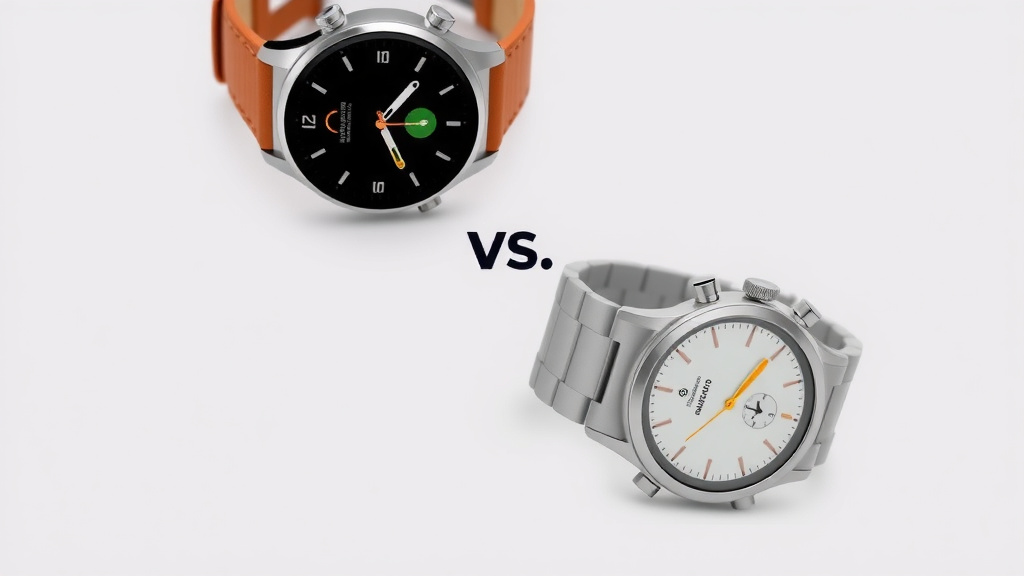
Smartwatch vs Mechanical: Which Watch Is Right for You
When deciding between a smart watch vs mechanical watch, there’s no single winner. The best choice depends entirely on your priorities. Smart watches offer modern tech features and connectivity. Mechanical watches provide timeless craftsmanship and classic style.
Smart watches are your wrist-based computer, connecting to your phone for notifications, fitness tracking, and apps. Mechanical watches are powered by a complex system of springs and gears, a marvel of engineering that has stood the test of time. Many people find value in both worlds, depending on the occasion or their mood.
- Smart watches excel at tech features and connectivity.
- Mechanical watches are admired for their craftsmanship and classic appeal.
- Your personal needs will determine which is better for you.
- Consider what features and style you value most.
Let’s dive into the details of each to help you figure out which type of watch will be your perfect companion.
“`htmlChoosing Your Wrist Companion: Smartwatch vs. Mechanical Watch
When you’re looking for a watch, you’ll find two main paths: the modern smartwatch and the classic mechanical watch. Both have a lot to offer. Your choice really comes down to what you want your watch to do for you. Think about your daily life and what you need most. Do you want a gadget that keeps you connected, or a piece of history on your wrist?
The Allure of the Smartwatch
Smartwatches are like mini-computers for your wrist. They do so much more than just tell time. They connect to your smartphone. This means you get notifications right away. You can see calls, texts, and app alerts without pulling out your phone. It’s super handy when you’re busy. Many people love this convenience.
Features That Make Smartwatches Smart
Smartwatches are packed with features. Fitness tracking is a big one. They can monitor your heart rate, steps, sleep, and workouts. This data helps you understand your health. You can set fitness goals and track your progress. Some advanced models even offer ECG readings or blood oxygen levels (National Institutes of Health).
Staying Connected on the Go
Need to pay for coffee? Many smartwatches have contactless payment. Want to listen to music? You can often control your phone’s music player or even store music directly on the watch. Some even have built-in GPS for accurate run tracking. It feels like you have a personal assistant right there.
Apps and Customization
The app store is a big part of the smartwatch experience. You can download apps for almost anything. Think weather apps, navigation, or even quick access to your calendar. You can also change the watch face to match your style or mood. It’s like having a new watch every day!
The Downsides of Smartwatches
There are a couple of things to keep in mind. Battery life is often a concern. Most smartwatches need charging daily or every other day. This can be a pain if you forget. Also, they can be quite fragile. If you drop one, the screen might crack easily. They are also dependent on your smartphone for many functions. If your phone battery dies, your watch might not be as useful.
The Timeless Appeal of Mechanical Watches
Mechanical watches are different. They don’t need batteries. They are powered by a wound spring. Gears and other tiny parts work together to move the hands. It’s a marvel of engineering that people have admired for centuries. Owning one feels like owning a piece of history. They are often seen as a status symbol and a work of art.
Craftsmanship and Engineering Wonders
Inside a mechanical watch is a world of tiny, precisely made parts. We found that watchmakers spend years honing their skills. The movements are often visible through a clear case back. Watching the gears tick and turn is fascinating. It’s a beautiful display of intricate mechanics.
Types of Mechanical Movements
There are two main types. Manual-wind watches require you to turn the crown regularly to wind the spring. Automatic (or self-winding) watches get their power from your wrist’s motion. As you move throughout the day, a rotor inside winds the spring. This means less winding for you!
Durability and Longevity
When cared for properly, mechanical watches can last for generations. Unlike smartwatches, they don’t become obsolete with new software updates. Their value can even increase over time. Many experts say a well-maintained mechanical watch is a true heirloom. They are built to last, not just for a few years.
The Aesthetics and Feel
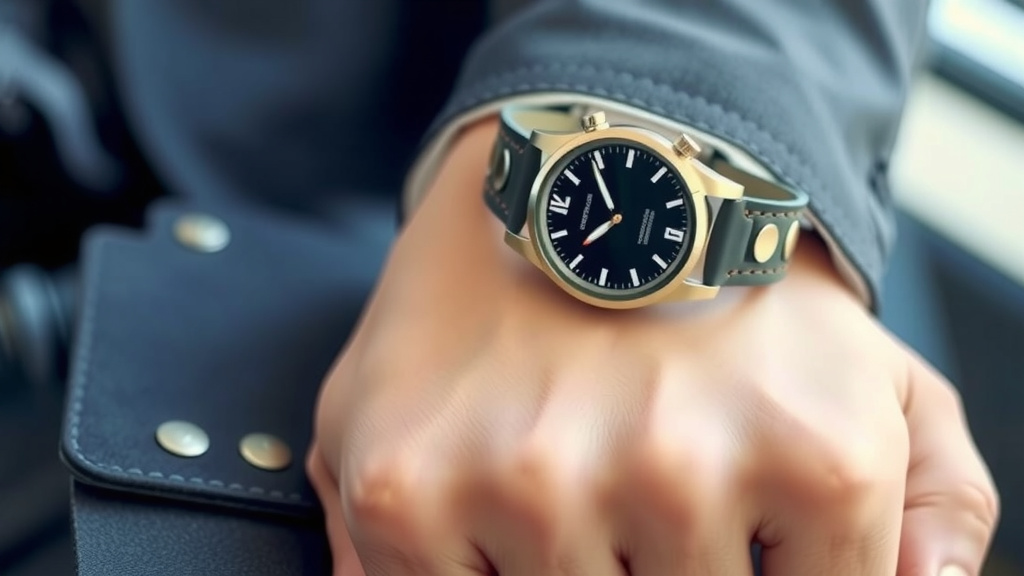
Mechanical watches often have a classic, elegant look. They come in many styles, from rugged dive watches to sophisticated dress watches. The weight and feel on the wrist are different from a smartwatch. Many people find it more substantial and luxurious. They are often seen as a statement piece.
What Mechanical Watches Don’t Offer
Of course, they don’t have the tech features of smartwatches. You won’t get notifications or track your steps with them. They are purely for telling time and looking good. You also have to be mindful of magnetism, as it can affect their accuracy. Service can also be costly. You’ll need professional servicing every few years to keep them running smoothly (American Watchmakers-Clockmakers Institute).
Making Your Decision: A Quick Checklist
To help you decide, consider these points:
- Do you want notifications on your wrist?
- Is fitness and health tracking a priority?
- Do you need apps and connectivity?
- Do you value timeless craftsmanship and style?
- Are you willing to charge your watch daily?
- Do you prefer a device that can last for generations?
If you answered yes to the first three, a smartwatch might be your best bet. If the last three speak to you more, a mechanical watch could be the perfect fit. Some people even own both and switch between them depending on the occasion!
“`Conclusion
You’ve explored the world of smartwatches and mechanical watches. You’ve seen how smartwatches bring connectivity and health tracking to your wrist. We also looked at the timeless craftsmanship of mechanical watches. Your choice depends on what you value most: modern features or classic engineering. Consider your daily needs and personal style. Think about whether daily charging fits your routine or if you prefer a piece of history. Make the decision that feels right for you, and enjoy your perfect wrist companion.
Frequently Asked Questions
Can a mechanical watch last longer than a smartwatch?
Yes, research and found that a well-maintained mechanical watch can truly last for generations. Unlike smartwatches, they don’t rely on software that can become outdated. Their mechanical nature means they can often be repaired and kept running indefinitely.
Do I need to wind a mechanical watch every day?
It depends on the type. Manual-wind mechanical watches require you to turn the crown regularly to keep them powered. Automatic (self-winding) watches are powered by the motion of your wrist. As long as you wear them consistently, they will stay wound.
Are smartwatches durable enough for everyday wear?
Smartwatches offer many conveniences, but they can be fragile. Their screens are prone to scratches and cracks if dropped. While many are water-resistant, extreme conditions might still pose a risk. Mechanical watches, especially those designed for rugged use, can often withstand more abuse.
Can I use a mechanical watch for fitness tracking?
No, mechanical watches do not have any fitness tracking capabilities. Their primary function is to tell time with precision using gears and springs. If tracking your steps, heart rate, or workouts is important, a smartwatch is the only option.
Is owning a mechanical watch a good investment?
Some mechanical watches, particularly vintage or limited-edition models from reputable brands, can hold or even increase their value over time. However, most mechanical watches are purchased for their craftsmanship and aesthetic appeal, not purely as a financial investment.

![7 Best Budget Smart Watch Blood Pressure [2026]](https://smartwatchbest.com/wp-content/uploads/2026/08/7-best-budget-smart-watch-blood-pressure-2026-featured-768x432.jpg)
![7 Best Chinese Smart Watch 2025 [2026]](https://smartwatchbest.com/wp-content/uploads/2026/08/7-best-chinese-smart-watch-2025-2026-featured-768x432.jpg)