
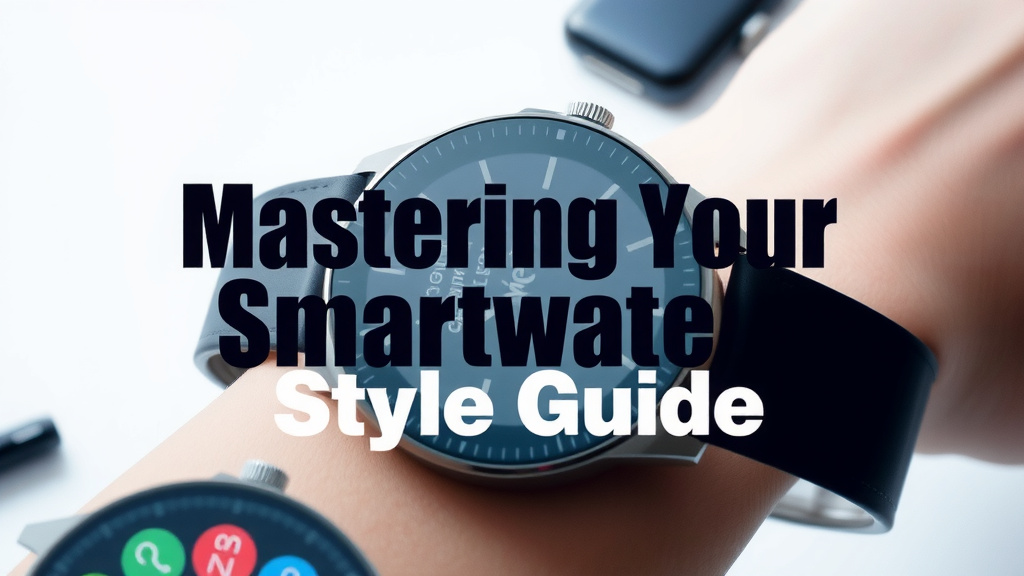
Mastering Your Smartwatch: A Style Guide
Wearing your smartwatch correctly is simple and ensures you get the most out of its features. The most important thing is to find a comfortable fit that isn’t too tight or too loose for all-day wear. You’ll want to position it about a finger’s width above your wrist bone for accurate tracking and ease of use. Proper placement also helps prevent skin irritation and ensures your watch looks its best.
Beyond just comfort, how you wear your smartwatch can impact its functionality and your personal style. Many people wonder about the best wrist for activity tracking or how to make their watch a fashion statement. We found that experimenting with different bands and watch faces can completely change your device’s look and feel, making it a true extension of your personality.
- Place your watch about a finger’s width above your wrist bone.
- Ensure the fit is snug but not too tight to avoid discomfort or skin issues.
- Consider changing bands and watch faces to match your style.
- Positioning can affect sensor accuracy for health tracking.
Ready to get your smartwatch looking and feeling perfect? Let’s walk through the best ways to wear it, covering everything from comfort to style.
Wearing Your Smartwatch for Maximum Comfort and Accuracy
Getting your smartwatch to fit just right is key to enjoying all its features. It’s not just about how it looks, but how it feels and performs. We want you to feel comfortable all day long. We also want its sensors to work their best for you.
The Perfect Fit: Snug, Not Tight
Think of your smartwatch band like a well-fitting glove. It should be snug enough to stay in place. This is especially important for the sensors to get accurate readings. But it shouldn’t be so tight that it pinches or restricts blood flow. That can cause discomfort and even skin irritation over time. Many people find that a fit where you can just slide a finger between the band and your wrist is ideal. This allows for some swelling throughout the day, which is totally normal.
Finding the Right Spot on Your Wrist
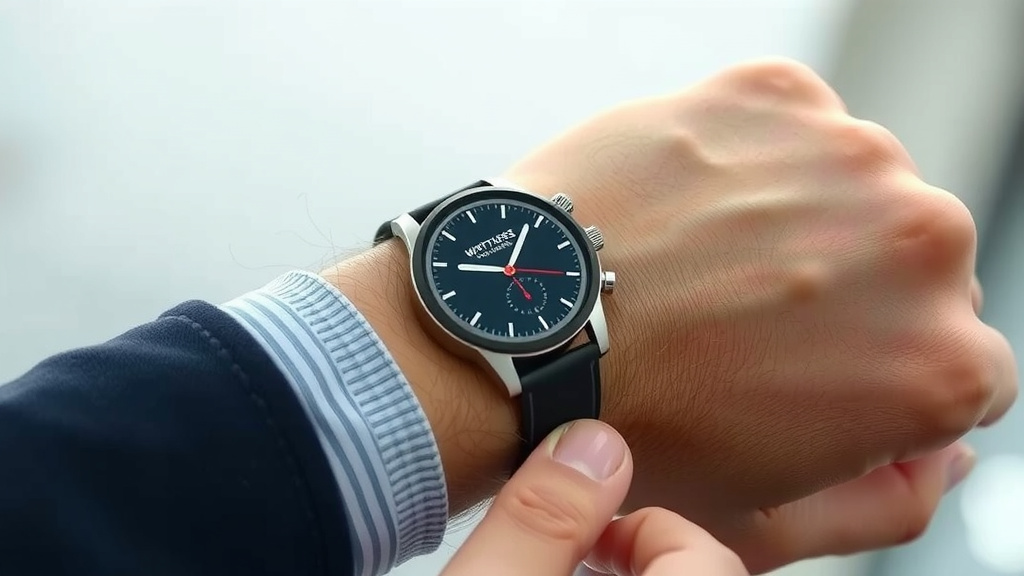
Where you place your watch matters. Most experts recommend wearing your smartwatch about one finger’s width above the prominent bone on the side of your wrist. This spot often provides the best contact for heart rate sensors and other health trackers. It also tends to be a more comfortable spot for everyday wear. Wearing it too low can lead to inaccurate data. It can also make the watch feel like it’s always in the way.
Left Wrist vs. Right Wrist: Does it Matter?
This is a common question! For most people, it doesn’t make a huge difference which wrist you choose. Many experts say that either wrist is fine for general use and most tracking features. However, some research suggests that for precise heart rate monitoring, wearing it on your dominant wrist might offer slightly more consistent results. This is because your dominant arm often experiences more subtle movements. But honestly, choose the wrist that feels most natural and comfortable to you. Your comfort is the priority.
Ensuring Sensor Accuracy for Health Tracking
Your smartwatch is packed with sensors designed to monitor your health. These include heart rate, blood oxygen, and movement trackers. For these sensors to work correctly, they need good contact with your skin. A band that’s too loose means the sensors can’t get a clear signal. This can lead to skewed data. Think of it like trying to get a clear phone signal in a dead zone; it’s just not going to work well.
What About Sleep Tracking?
When you’re sleeping, your wrist might move differently. You might also sweat more. A slightly looser fit can be more comfortable for sleep tracking. However, you still want it snug enough not to slip off. Many smartwatches have specific sleep tracking modes that adjust sensor sensitivity. Check your watch’s settings. You might be surprised by the options available. We found that a good balance is key here.
Activity Tracking and Step Counting
For activities like running or cycling, a secure fit is essential. You don’t want your watch bouncing around or slipping down your arm. This is where a snug fit truly shines. It ensures that every step, every arm swing, and every movement is accurately captured. This helps you get a true picture of your daily activity. Plus, it prevents the annoying feeling of a loose watch during intense workouts.
Making Your Smartwatch a Style Statement
Who says tech can’t be fashionable? Your smartwatch is more than just a gadget; it’s an accessory. With a few tweaks, you can make it match your personal style. It can go from a sporty look to a sophisticated one in seconds.
The Power of Interchangeable Bands
One of the best things about many smartwatches is the ability to swap out the bands. This is where you can really express yourself! There are bands made from all sorts of materials. You can find them in silicone for workouts, leather for a classic look, or even metal for a more polished feel. We found that having a few different bands allows you to adapt your watch to any occasion. A simple swap can completely change your watch’s vibe. You can easily swap out the bands to match your style, and our guide shows you how to change your smartwatch band in minutes.
Choosing the Right Band Material
For active days, silicone or woven nylon bands are great. They are durable, water-resistant, and easy to clean. For a more professional setting, a leather or stainless steel band adds a touch of elegance. Some people even like fabric bands for added comfort and breathability. Consider your daily routine and your personal taste when selecting materials.
Matching Your Watch to Your Outfit
Think about your wardrobe. Do you tend to wear bold colors or neutral tones? Do you prefer a minimalist aesthetic or something more statement-making? Your watch band and face can complement these choices. A black leather band with a classic watch face works with almost anything. A brightly colored silicone band can add a pop of fun to a casual outfit.
Customizing Your Watch Face
Beyond the band, the watch face is another prime area for customization. Most smartwatches offer a huge variety of watch faces. You can choose from simple, minimalist designs to complex ones with lots of information. Many allow you to customize complications, which are small widgets that display specific data like weather, calendar events, or your step count. The watch face is another prime area for customization, and our guide explains how to change your smartwatch face easily.
Functionality Meets Aesthetics
Think about what information is most important to you. Do you want to see your heart rate at a glance? Or perhaps you prefer a clean look with just the time? You can often choose watch faces that blend both. For example, some faces show the time elegantly while also including a small indicator for your daily step goal. It’s all about finding what works best for your needs and your eyes.
Caring for Your Smartwatch and Skin
Even with the best fit, it’s important to keep both your watch and your skin clean. Regular cleaning prevents the buildup of sweat, dirt, and oils. This helps maintain the watch’s appearance and function. It also significantly reduces the risk of skin irritation. Many skin reactions are simply due to a lack of cleanliness under the watch band.
Cleaning Your Smartwatch
For most smartwatches, a simple wipe-down is usually sufficient. Use a soft, lint-free cloth. You can dampen it slightly with fresh water if needed. For more stubborn grime, a mild soap solution can be used. Rinse the cloth thoroughly afterward to remove any soap residue. Always dry your watch and band completely before wearing it again.
What to Do About Skin Irritation
If you experience redness, itching, or rash, it could be due to a few things. It might be a reaction to the watch material itself. It could also be from trapped moisture or dirt. Try cleaning the watch and band thoroughly. Ensure the fit isn’t too tight. If irritation persists, consider trying a different band material. Some people find hypoallergenic materials work best (Mayo Clinic).
Here’s a quick checklist to ensure you’re wearing your smartwatch perfectly:
- Ensure the band is snug but not constricting.
- Position the watch about a finger’s width above your wrist bone.
- Clean your watch and band regularly.
- Experiment with different watch faces for personalization.
- Consider swapping bands to match your style and activities.
- Listen to your skin; adjust fit or materials if irritation occurs.
Conclusion
You’ve now learned how to wear your smartwatch for ultimate comfort, accuracy, and style. Getting the fit right is key to enjoying its health tracking features. Remember, a band that’s snug but not too tight ensures your sensors work their best. Don’t forget to experiment with different bands and watch faces. They’re fantastic ways to express your personal style. Keep your watch and skin clean for continued comfort and health. Now, go ahead and adjust your watch to perfection!
Frequently Asked Questions
Can wearing my smartwatch on my dominant wrist affect accuracy?
Some research suggests your dominant wrist might offer slightly more consistent results for heart rate monitoring due to subtle movements. However, for most daily use and general tracking, either wrist works fine. Your personal comfort is the most important factor.
What’s the best way to clean my smartwatch band?
For most silicone or rubber bands, a soft cloth dampened with water and a bit of mild soap works well. Always rinse the cloth thoroughly and dry the band completely before reattaching it to your watch or wearing it.
My smartwatch feels uncomfortable after a few hours. What should I do?
Your watch might be too tight. Try loosening the band slightly so you can comfortably slide a finger between the band and your wrist. Also, ensure you’re cleaning both the watch and your skin regularly to prevent irritation.
Can I wear my smartwatch to bed for sleep tracking?
Yes, wearing your smartwatch to bed is ideal for sleep tracking. You might prefer a slightly looser fit for comfort during sleep, but it still needs to be secure enough not to slip off. Many watches have special sleep modes.
How often should I swap out my smartwatch band?
There’s no set schedule for swapping bands. Consider changing them based on your activity or outfit. Use a durable band for workouts and a more stylish one for a night out. Having multiple options allows you to match your watch to any occasion.
![7 Best Smart Watch For Scuba Diving [2026]](https://smartwatchbest.com/wp-content/uploads/2026/09/7-best-smart-watch-for-scuba-diving-2026-featured-768x432.jpg)
![7 Best Battery Life On Smart Watch [2026]](https://smartwatchbest.com/wp-content/uploads/2026/07/7-best-battery-life-on-smart-watch-2026-featured-768x432.jpg)