Smart Watch vs Luxury Watch: Which Is Right For You
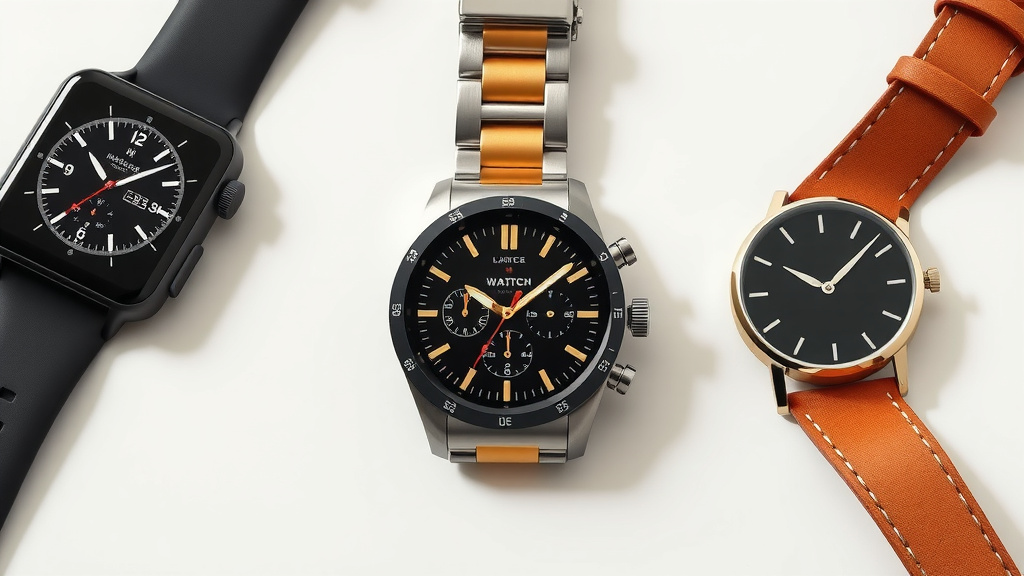
Choosing between a smartwatch and a luxury watch really comes down to your personal priorities and lifestyle. If you value advanced features and connectivity for everyday tasks, a smartwatch often takes the lead. If timeless design, fine craftsmanship, and heritage are more your speed, a luxury watch is usually the better fit. We found that the main difference lies in their primary purpose: technology versus tradition.
Think about what you want on your wrist each day. Do you need to track your fitness, get notifications, or make payments easily? A smartwatch excels at these. Or are you looking for a statement piece that holds its value and showcases meticulous engineering? That’s where a luxury watch shines. Both can tell time, of course, but their core strengths pull them in very different directions.
- Smartwatches offer tech features like notifications, fitness tracking, and apps.
- Luxury watches focus on craftsmanship, design, and heritage.
- Your choice depends on whether you prioritize function or tradition.
- Both can be a stylish accessory, but for different reasons.
Let’s dive deeper into what makes each type of watch unique and help you decide which one belongs on your wrist.
Smartwatch vs. Luxury Watch: Which Timeless Companion is Right for You?
Deciding between a smartwatch and a luxury watch is a fun journey. Both tell time, but they offer very different experiences. We’ve looked at what each brings to the table. A smartwatch is like a mini-computer on your wrist. It connects you to your phone and the digital world. A luxury watch is often a piece of art. It’s crafted with amazing skill and has a rich history.
The Smartwatch: Your Connected Command Center
Think of your smartwatch as your personal assistant. It’s packed with technology designed to make your daily life easier. You can get notifications from your phone directly on your wrist. That means you won’t miss important calls or messages. Many smartwatches also track your fitness goals. They can monitor your steps, heart rate, and even sleep patterns. This makes them great tools for staying healthy and active.
Fitness Tracking Capabilities
If fitness is a big part of your life, a smartwatch is a serious contender. They often come with built-in GPS. This is perfect for tracking runs or bike rides without your phone. You can monitor your workout intensity. Many apps are available to help you reach your fitness milestones. Some even offer guided workouts right on the screen. If fitness is a big part of your life, a smartwatch is a serious contender; our guide to the best smart fitness watches for men can help.
Connectivity and Convenience
Beyond fitness, smartwatches offer incredible convenience. You can pay for groceries with a tap of your wrist. Some models allow you to respond to texts or emails. You can control your music playback. Many can also be customized with different watch faces. This lets you match your watch to your outfit or mood.
Technology and Updates
The technology in smartwatches changes rapidly. New features and improvements are released often. This means your watch can get better over time with software updates. It’s a gadget that stays current. However, this also means they have a shorter lifespan compared to traditional watches. Batteries need charging daily or every couple of days.
The Luxury Watch: A Legacy on Your Wrist
A luxury watch is a different kind of statement. It’s about craftsmanship, heritage, and enduring style. These watches are built to last for generations. They use high-quality materials and meticulous engineering. Owning one is often seen as an investment and a symbol of achievement.
Masterful Craftsmanship and Materials
When you look at a luxury watch, you see incredible attention to detail. The movements are often complex mechanical engines. They are assembled by skilled watchmakers by hand. Materials like stainless steel, gold, platinum, and sapphire crystal are common. These are chosen for their beauty and durability. The feel of a well-made luxury watch on your wrist is distinct.
Timeless Design and Heritage
Luxury watches often have iconic designs that haven’t changed much over decades. Think of classic watch brands. Their styles are instantly recognizable. This timeless appeal means they never go out of fashion. Many luxury brands have a fascinating history. This heritage adds a layer of prestige to the watch.
Value and Investment Potential
Unlike smartwatches, which depreciate quickly, some luxury watches can hold their value. Certain rare or sought-after models can even increase in value over time. They are often viewed as heirlooms. You can pass them down to your children and grandchildren. This long-term perspective is key to their appeal.
Making Your Choice: Functionality vs. Heritage
So, how do you choose? It really boils down to what you want from your watch. Do you need the latest tech features and constant connectivity? Are you focused on fitness tracking and convenience? If so, a smartwatch is likely your best bet. It’s a tool that keeps you updated and organized.
On the other hand, are you drawn to beautiful design and mechanical wonders? Do you appreciate history and fine craftsmanship? Are you looking for a watch that could become a family heirloom? If these things matter most, a luxury watch will probably be more satisfying. It’s a piece of history and art you can wear.
We found that many people use their smartwatches for their daily routines. They rely on them for alerts and health monitoring. Luxury watches are often saved for special occasions. Or they are worn by those who appreciate mechanical precision above all else. It’s not an either/or situation for everyone. Some people even own both!
A Quick Comparison Table
| Feature | Smartwatch | Luxury Watch |
|---|---|---|
| Primary Purpose | Connectivity, notifications, apps, fitness | Timekeeping, craftsmanship, style, heritage |
| Technology | Digital, software updates, battery charging | Mechanical or quartz, built to last |
| Lifespan | Typically 3-5 years before obsolescence | Can last decades, even generations |
| Customization | High (watch faces, apps) | Low (limited strap options) |
| Value Retention | Depreciates rapidly | Can hold or increase value |
| Maintenance | Software updates, charging | Servicing (every 5-10 years), battery replacement (quartz) |
Your Wrist, Your Decision: A Checklist
To help you think it through, ask yourself these questions:
- Do I want to track my workouts automatically?
- Is getting phone notifications on my wrist important?
- Do I want to make contactless payments from my wrist?
- Do I appreciate intricate mechanical engineering?
- Am I looking for a watch that could be passed down through family?
- Is the prestige and history of a brand a deciding factor for me?
Conclusion
Ultimately, your choice between a smartwatch and a luxury watch depends on your lifestyle and what you value most. If you need a device that keeps you connected, tracks your health, and simplifies daily tasks, a smartwatch is a smart investment. It’s your modern-day assistant. On the other hand, if you appreciate the artistry of fine mechanics, a rich history, and a piece that stands the test of time, a luxury watch offers enduring appeal. It’s a personal statement of heritage and craftsmanship. Think about your daily routine and what you want on your wrist to guide your decision.
Frequently Asked Questions
Can a luxury watch tell me if I’ve had enough sleep?
No, a luxury watch cannot track your sleep patterns or provide health metrics like a smartwatch can. Its primary functions are timekeeping and showcasing its mechanical or quartz movement. You would need a separate device or app to monitor sleep.
Do smartwatches lose their value quickly?
Yes, smartwatches typically depreciate quickly, much like other electronic gadgets. Their technology advances rapidly, making older models less desirable over time. They are generally not considered investments in the same way some luxury watches can be.
Is servicing a luxury watch expensive?
Servicing a luxury watch can be quite costly, depending on the brand and complexity of the movement. It’s recommended to have them serviced every 5 to 10 years to ensure they function properly and maintain their longevity.
Can I wear a smartwatch for formal events?
While some smartwatches have sleek designs that can be dressed up, they generally lean towards casual or athletic wear. For truly formal occasions, a classic luxury watch often makes a more appropriate and sophisticated statement.
Which type of watch is better for someone who travels frequently?
For frequent travelers, a smartwatch can be very useful. Features like flight notifications, currency conversion apps, and the ability to easily switch time zones can be incredibly convenient. However, a luxury watch with a GMT function can also serve travelers well with its ability to track multiple time zones.