Apple Watch Screen Protector vs Case: Which Is Better
For most people, a screen protector is the better choice than a case for everyday Apple Watch use. It guards against scratches and minor bumps while keeping the watch slim and comfortable. You barely notice it is there, which is a huge win for a device you wear all day.
Cases offer heavy-duty protection for drops and knocks, but they add bulk and can trap sweat against your skin. We found that the right choice depends entirely on your lifestyle and how you use your watch. Do you work out a lot or just wear it to the office?
- Screen protectors are best for scratch prevention and daily wear.
- Cases are best for hard knocks and impact protection.
- Cases can make the watch look and feel much bigger on your wrist.
- Screen protectors are cheaper and easier to replace when they wear out.
- You can also use both together if you need maximum armor.
Let’s walk through the key differences so you can pick the right one for your wrist and your wallet.
Protecting Your Apple Watch: Screen Guard or Full Case?
You just dropped a chunk of change on your Apple Watch. Now you want to keep it looking new. The big question is whether you need a screen protector or a full case.
We found that most people overthink this decision. Your choice really boils down to how you treat your wrists and where you wear your watch.
Let’s break down what actually matters so you can stop second-guessing and get back to wearing your watch.
What Is Each Product Designed to Do?
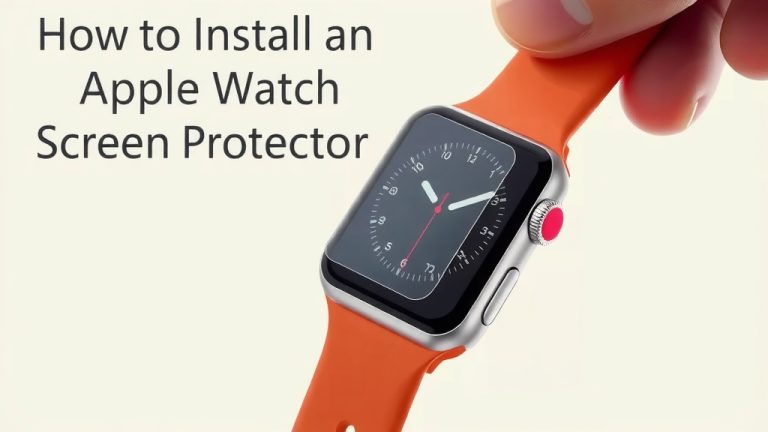
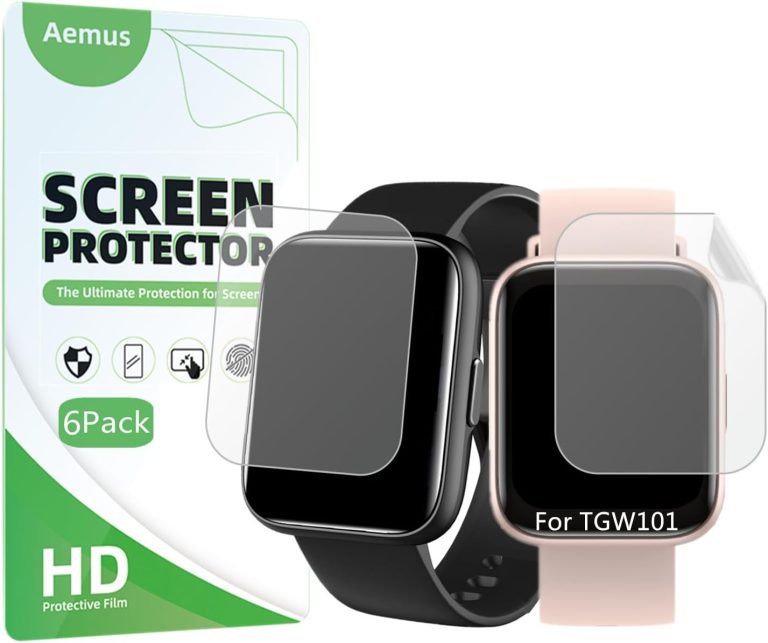
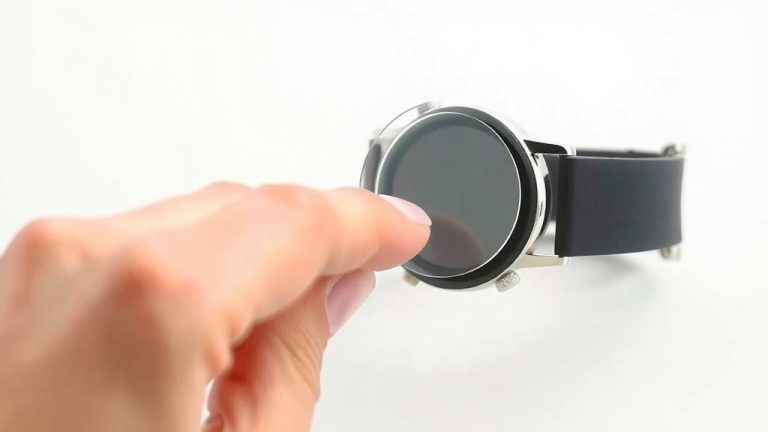
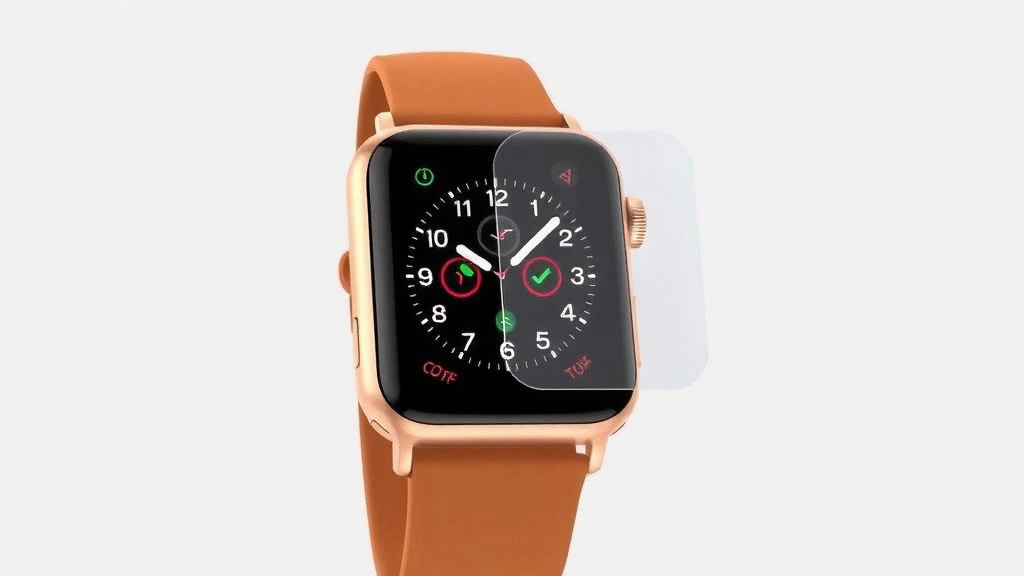
A screen protector is a thin layer of glass or film that sits directly on your watch face. It only covers the display. A case wraps around the entire watch body, including the edges and sometimes the digital crown.
Think of a screen protector like sunscreen for your face. It guards against the sun’s rays but won’t help if you fall down. A case is more like a helmet—it takes the brunt of impact but feels heavier on your head.
Both options serve a purpose, but they solve different problems. You need to know which problem you actually have.
Common Damage Scenarios We See
Scratches happen from everyday friction. Think keys in your pocket or brushing against a countertop. These are the most common issues and happen to almost everyone.
Cracks happen from drops and hard impacts. The watch hits tile, concrete, or a gym floor. This is less common but much more expensive to fix.
We found that scratches are the real enemy for most people. Cracks happen, but they are rarer. A screen protector handles the scratch problem well.
Screen Protectors: The Slim and Simple Option
Screen protectors are the most popular choice for a reason. They offer solid protection without changing how your watch feels. You put it on and forget it exists.
These thin layers absorb scratches and minor scuffs. They take the damage so your actual screen stays pristine. When the protector gets ugly, you peel it off and put on a new one.
Many experts say that screen protectors are enough for daily wear. They are the easiest way to keep your watch looking fresh without adding weight.
Why You Will Barely Notice It
Modern protectors are incredibly thin. Some measure less than a millimeter. They do not add bulk to your wrist or make your watch look bigger.
Your watch keeps its sleek design. The touchscreen still responds perfectly. The always-on display stays bright and clear. It feels exactly like wearing a bare watch.
We found that comfort is the biggest selling point here. You wear your watch for hours, sometimes all night. You do not want something bulky digging into your skin.
Installation Is Quick and Painless
Most protectors come with a cleaning kit and an alignment tool. You clean the screen, line up the protector, and press down. It takes about two minutes.
Bubbles are easy to push out with the included squeegee. If you mess up, most kits come with two or three protectors. You get a few tries before you run out.
This is a low-stress process that anyone can handle. No special skills or tools required.
When a Screen Protector Is Not Enough
If you work with heavy tools or play contact sports, a screen protector might not cut it. It does nothing for the metal body of your watch. Drops can still damage the edges or the digital crown.
Screen protectors also pop off sometimes. The adhesive can weaken over time or with water exposure. You might need to replace them every few months.
We found that active users need more armor. If you are always knocking your wrist against things, a protector alone may leave you disappointed.
Cases: Heavy-Duty Armor for Your Wrist
Cases provide a full body wrap. They cover the screen, the edges, and the back of the watch. They are built to absorb shock and take a beating.
Most cases are made from silicone, rubber, or hard plastic. Some even have raised lips around the screen for extra protection. This creates a barrier between the glass and the ground.
Many guidelines point to cases being the better choice for extreme conditions (Consumer Reports). If you are a first responder, a construction worker, or a mountain biker, this is your pick.
The Trade-Offs You Need to Know About
Cases add noticeable bulk. Your slim watch suddenly looks chunky. It might catch on sleeves or feel heavy during workouts.
Sweat and moisture can get trapped between the case and your skin. This can cause irritation or rashes, especially during long workouts. You need to clean both the case and your wrist regularly.
We found that cases change the feel of the watch. The digital crown becomes harder to turn. Buttons get stiffer. The sleek Apple design gets hidden under a layer of plastic.
Durability Comes at a Cost
Cases are tougher, but they are not indestructible. They can crack, warp, or yellow over time. Cheap silicone cases degrade quickly with sun exposure.
You also have to remove the case to clean your watch properly. Dirt and grime build up in the gaps. This creates a hygiene issue if you wear your watch every day.
Some users find that cases interfere with charging. The magnetic charger might not align perfectly through thicker cases. You have to remove the case every night to charge.
Comparing Protection Levels Side by Side
Let us put the two options next to each other. This table shows the key differences at a glance.
| Feature | Screen Protector | Full Case |
|---|---|---|
| Scratch protection | Excellent | Good |
| Drop protection | Minimal | Excellent |
| Adds bulk | No | Yes |
| Comfort | High | Medium |
| Price | Low | Medium |
| Replacement | Easy and cheap | Harder to find |
This comparison shows a clear pattern. Screen protectors win on comfort and daily wear. Cases win on impact resistance and durability. Your lifestyle decides the winner.
How to Decide Based on Your Daily Routine
Take a honest look at your day. Do you spend hours at a desk? Do you work out once a day? Do you hike or bike on weekends?
Your routine tells you exactly what you need. We found that desk workers should pick a screen protector. They need scratch protection, not bulletproof armor.
Outdoor enthusiasts and heavy exercisers should lean toward a case. The added bulk is worth it when you are climbing rocks or lifting weights.
Use This Simple Checklist to Choose
Answer these quick questions. Your answers point you in the right direction.
- Do you work in an office or at a desk most days?
- Do you mainly worry about scratches and small scuffs?
- Do you want your watch to stay slim and stylish?
- Do you bump your wrist against walls and equipment often?
- Do you play sports or work with heavy machinery?
- Do you mind taking your watch out of a case to charge it?
If you answered yes to the first three, get a screen protector. If you answered yes to the last three, get a case. It really is that simple.
Using Both: The Ultimate Protection Combo
Some people want maximum safety. They do not care about bulk or looks. For them, we found that using both is the best answer.
You can put a screen protector on the glass and a case over the body. The protector stops scratches. The case handles drops. Your watch becomes nearly invincible.
This combo works great for kids, athletes, and clumsy people. It adds the most protection possible without buying a rugged outdoor watch.
When the Combo Does Not Make Sense
Stacking both adds thickness and weight. Your watch looks like a rugged tool, not a sleek accessory. Some users hate this look.
You also double your costs. You buy two products instead of one. Plus, the case makes the screen protector harder to install correctly.
We found that the combo is overkill for most people. Unless you are genuinely hard on your gear, one layer of protection is plenty.
Budget Considerations and Replacement Costs
Screen protectors are cheap. You can find good ones for under fifteen dollars. They usually come in multi-packs, so you have spares.
Cases cost a bit more. Quality ones run between twenty and forty dollars. They last longer, but when they break, you pay more to replace them.
Many experts say that replacing a screen protector is easier on your wallet. You can swap one out in minutes for a few dollars. A cracked case means buying a whole new product.
The Hidden Cost of a Cracked Screen
Apple charges a hefty fee for screen repairs. Without AppleCare, fixing a broken display can cost over two hundred dollars. That is more than the price of a dozen cases.
Prevention is always cheaper than repair. A simple screen protector costs less than a pizza. It saves you from a painful repair bill down the road.
We found that spending a little upfront saves a lot later. This is true for both options. Pick one, wear it, and protect your investment.
What About the Apple Watch Ultra and SE?
The Apple Watch Ultra comes with a titanium body and a flat screen. It is already built to be tough. Some experts say it does not need a case at all.
The regular Apple Watch and the SE have aluminum bodies. They scratch and dent easier. These models benefit the most from added protection.
We found that Ultra owners can skip the case and just use a screen protector. Regular and SE owners should think carefully about their needs before deciding.
Water Resistance and Sweat Issues
Your Apple Watch is water resistant. Cases can mess with that. Some cases trap water against the speaker and microphone, which causes muffled sound.
Screen protectors do not interfere with water resistance. They sit flush against the glass and let water run off naturally. This makes them better for swimmers and sweaty workouts.
Many guidelines point to keeping your watch clean and dry for long-term health (Mayo Clinic). A screen protector makes that easier than a case does.
Making Your Final Choice Without Regret
You have all the facts now. The decision comes down to your personal comfort and risk tolerance. There is no universally correct answer.
If you want the lightest, most comfortable experience, choose a screen protector. If you need maximum toughness and do not mind the bulk, choose a case.
We found that most people are happiest with a screen protector. It solves the common scratch problem without changing how the watch feels. Start there, and upgrade to a case only if you find yourself hitting your wrist against things.
Your watch is a tool and a fashion piece. Protect it in a way that matches how you actually live. Your future self will thank you when the watch still looks new years from now.
Conclusion
You now know the real difference between a screen protector and a case. Your Apple Watch is an investment, and you want it to last. A screen protector handles the everyday scratches that ruin a watch face over time. It keeps your watch slim, comfortable, and looking like new.
We found that most people are happiest with a screen protector. It solves the most common problem without adding bulk. If you are clumsy or work in tough conditions, a case makes more sense. You can even use both if you want maximum armor.
Here is your next step: think about your average Tuesday. If you sit at a desk or go to the gym, grab a screen protector. If you are constantly knocking your wrist against things, grab a case. Your watch will thank you.
Frequently Asked Questions
Will a screen protector stop my Apple Watch screen from cracking?
A screen protector helps, but it is not a guarantee. It absorbs minor impacts and spreads the force of a hit. For a serious drop onto concrete, a case offers much better protection for the glass.
Can you use an Apple Watch case with a screen protector at the same time?
Yes, you absolutely can. Many people stack both for maximum protection. Just make sure the case does not push the protector off the screen. Some cases fit snugly and may interfere with the protector’s edges.
Do Apple Watch cases trap sweat and cause skin irritation?
They can. Silicone and rubber cases hold moisture against your skin. This is a common issue during workouts or hot days. You should remove the case and clean both it and your wrist after heavy sweating.
How often do you need to replace a screen protector on an Apple Watch?
Most screen protectors last between three and six months with daily wear. The adhesive wears down and scratches build up over time. When you notice visible scuffs or peeling edges, it is time to swap in a fresh one.
Does a case affect the Apple Watch digital crown and side button?
Yes, it can. Many cases make the digital crown harder to spin and the side button stiffer to press. Thicker cases have the biggest impact. You should look for a case with cutouts that leave the crown and button fully exposed.