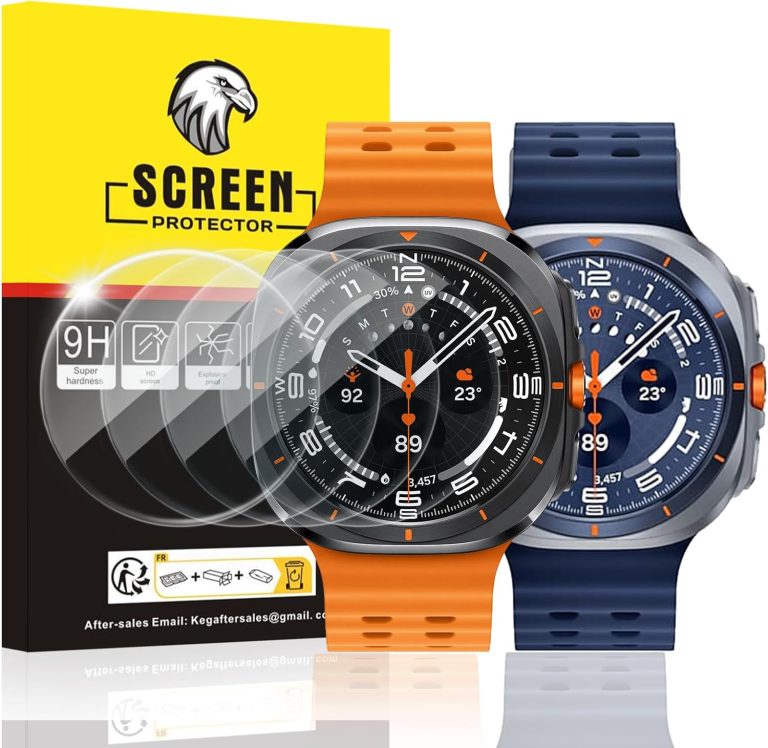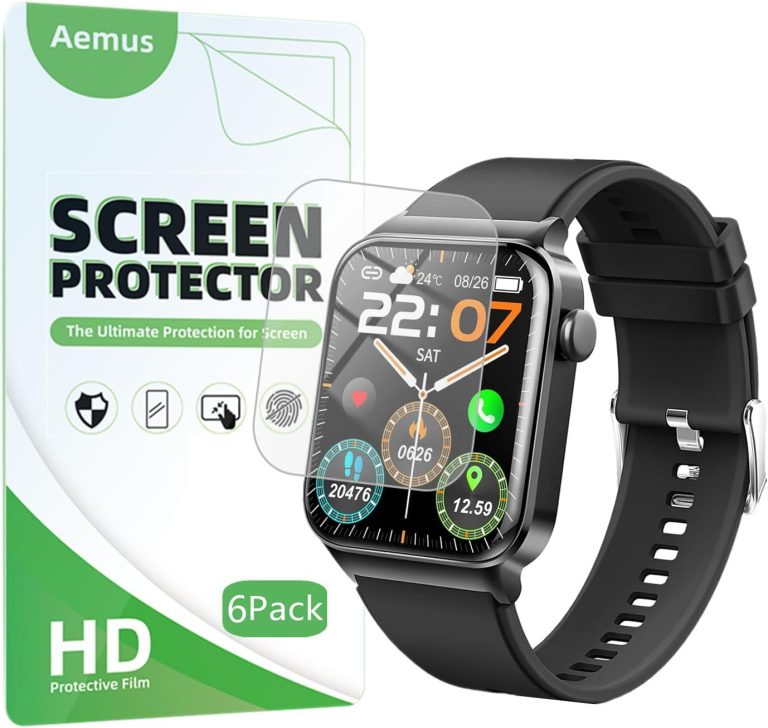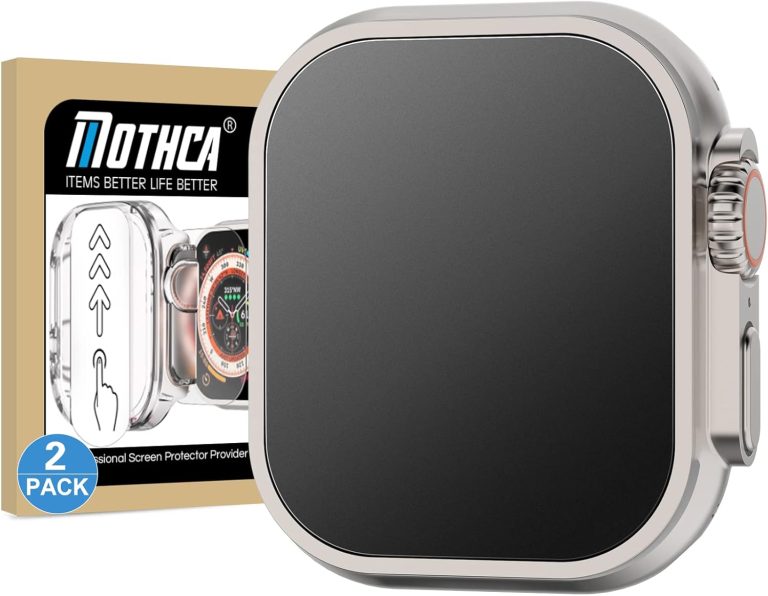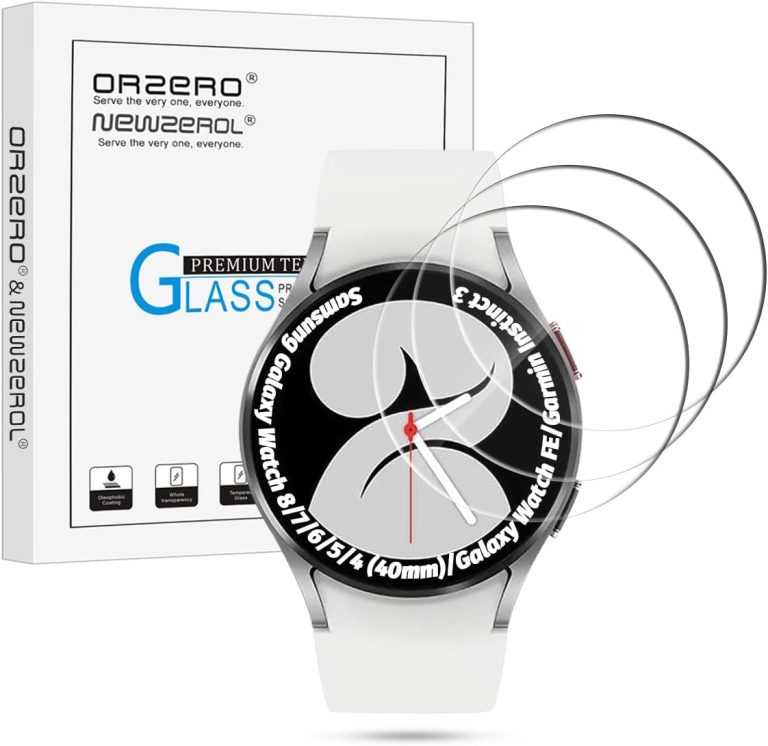
Are Smartwatch Screen Protectors Worth It in 2026?
Yes, smartwatch screen protectors are worth it for most people, especially if you plan to wear your watch daily. A scratched or cracked screen is one of the most common reasons for costly repairs, and a simple protector can prevent that damage.
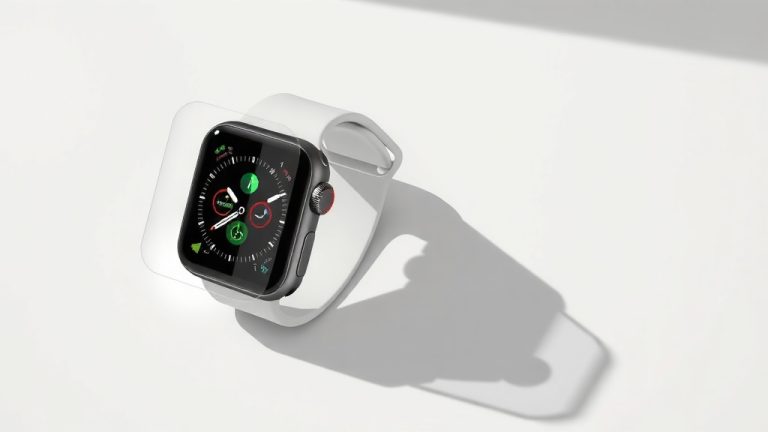
We found that a smartwatch screen is constantly exposed to bumps, scrapes, and drops. Even if you are careful, everyday actions like brushing against a wall or reaching into a bag can leave permanent marks. A tempered glass screen protector adds a thin, tough layer that takes the hit instead of your actual display.
- Screen protectors are cheap compared to the cost of a replacement screen.
- Tempered glass offers the best scratch and drop protection.
- Most protectors are easy to install and don’t affect touch sensitivity.
- They are virtually invisible once applied, so your watch still looks great.
- If you work out, hike, or have kids, a protector is a no-brainer.
Below, we break down exactly when you need one, when you might skip it, and how to pick the best type for your lifestyle. Let’s walk through the pros and cons so you can decide with confidence.
Why Your Smartwatch Screen Needs Extra Protection
You probably spent a decent chunk of change on your smartwatch. Whether it is an Apple Watch, a Samsung Galaxy Watch, or a Fitbit, that tiny screen is the main way you interact with the device. We found that this screen is also the most vulnerable part of the entire watch.
Think about it. Your wrist is constantly moving. It brushes against doorframes, desks, and car doors. It scrapes against brick walls when you walk down a narrow hallway. It hits the floor when you reach for something on a high shelf. Over time, that adds up to a lot of micro-abrasions and potential cracks.
Research and user reports suggest that scratched screens are one of the most common issues watch owners face. The cost to fix that damage often exceeds the price of a decent screen protector. So, spending a little upfront can save you a lot of hassle later.
What Actually Happens to an Unprotected Screen
Dust and sand are your watch screen’s worst enemies. These tiny particles are harder than the glass on your watch. When they get trapped between your watch face and your sleeve, they act like sandpaper. Every small movement rubs those particles against the display, leaving fine scratches.
Drops are another story. A smartwatch is top-heavy because of the sensor array inside. When it falls, it tends to land face-down. A direct hit on a hard surface can easily crack the glass, even from a low height. We found that the impact force is often too much for the bare glass to handle.
Even if you are the most careful person, accidents happen. You might bump into a shopping cart. A child might grab your wrist. A heavy bag might swing into it. A protector adds a sacrificial layer that takes the abuse so your real screen does not have to.
Do You Actually Need a Protector? A Practical Breakdown
The short answer is that most people do need one. But we also found that it depends heavily on how you use your watch. Let’s break down the scenarios so you can see which group you fall into.
If you wear your watch all day, every day, you are exposing it to a lot of risk. The simple math is that more wear time equals more chances for damage. If you only wear it occasionally, the risk drops, but it never goes away completely.
You Should Get One If You Are Active
Do you go to the gym? Do you run outdoors? Do you hike, bike, or play sports? If yes, you absolutely need a screen protector. Sweat and dirt create a gritty film on the screen. Your watch band will slide around, and that grit will grind into the glass.
Outdoor activities bring you into contact with rocks, branches, and rough surfaces. A simple fall on a trail can scratch your watch beyond repair. We found that athletes and fitness buffs see the biggest benefit from adding a layer of protection. It is a cheap insurance policy for an expensive tool.
You Can Skip It If You Are Extremely Careful
Maybe you work at a desk all day. Maybe you take your watch off before doing chores. Maybe you never do anything more strenuous than typing. In that case, you might be okay without a protector. But you are still taking a risk.
We found that even office workers scratch their watches. A simple reach into a filing cabinet or a bump against a metal desk can leave a mark. It only takes one careless moment to ruin the screen. Ask yourself if you are willing to live with that risk.
The honest truth is that protectors are so cheap and thin that skipping them to save five bucks is usually a poor trade-off. The peace of mind alone is worth the cost for most people.
Comparing the Two Main Types of Protectors
You have two main choices when it comes to protecting your screen: tempered glass and clear film. We found that each type has its own strengths and weaknesses. Your choice should depend on your lifestyle and what bothers you most.
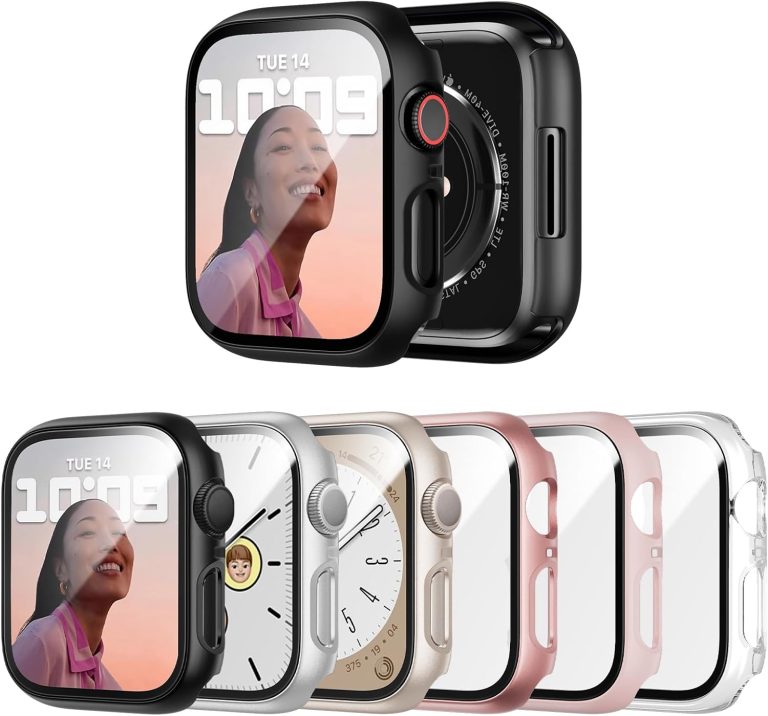
Tempered glass feels like the real screen. It is rigid, smooth, and offers the best drop protection. Clear film is thinner and more flexible, but it mainly protects against scratches. Here is a quick comparison to help you decide.
| Feature | Tempered Glass | Clear Film (TPU) |
|---|---|---|
| Drop Protection | Excellent, absorbs impact | Minimal, mainly for scratches |
| Scratch Resistance | Very good, hard surface | Good, but can get gouged |
| Feel | Feels like the original glass | Can feel rubbery or sticky |
| Appearance | Virtually invisible | May have a slight orange peel effect |
| Installation | Easy, snaps on | Can be tricky, needs careful alignment |
| Price | Slightly more expensive | Very cheap |
When Tempered Glass Makes the Most Sense
If you are prone to dropping things, tempered glass is your best friend. It is typically 0.2mm to 0.3mm thick. That thickness allows it to absorb the shock of an impact. If you drop your watch, the protector cracks, but your actual screen stays perfect. Many experts say this is the safest option for daily wear.
We found that tempered glass also maintains the original touch sensitivity. You barely notice it is there. The edges are usually curved or rounded to match the watch face, so it does not catch on your sleeves. It is the closest thing to having no protector at all, but with a safety net.
When Clear Film Is the Better Pick
Clear film is much thinner. It conforms to the curved edges of your watch better than glass. If you have a watch with a rounded screen, like some Garmin models, a film might cover the entire face more smoothly. It is also less likely to chip or shatter on impact.
However, we found that film does not protect against heavy impacts. It will stop scratches and minor scuffs, but a hard drop can still crack the screen underneath. Film is also more prone to showing fingerprints and can peel over time. It is a decent budget option, but it is not the best defense.
How Much Does It Cost to Protect Your Watch?
This is where the decision becomes a no-brainer. A quality tempered glass screen protector typically costs between five and fifteen dollars. A pack of two or three often costs even less per unit. Compare that to the cost of a smartwatch screen replacement, which can run anywhere from fifty to several hundred dollars.
We found that the price difference is staggering. Spending ten bucks to save a four-hundred-dollar device is a great return on investment. It is like wearing a seatbelt. You hope you never need it, but if you do, you are glad it is there.
Some people worry that cheap protectors are low quality. We found that even budget-friendly options do a solid job. The key is to buy from a reputable brand and make sure it is designed for your specific watch model. A perfect fit matters more than the price tag.
Will a Protector Ruin the Look or Feel of Your Watch?
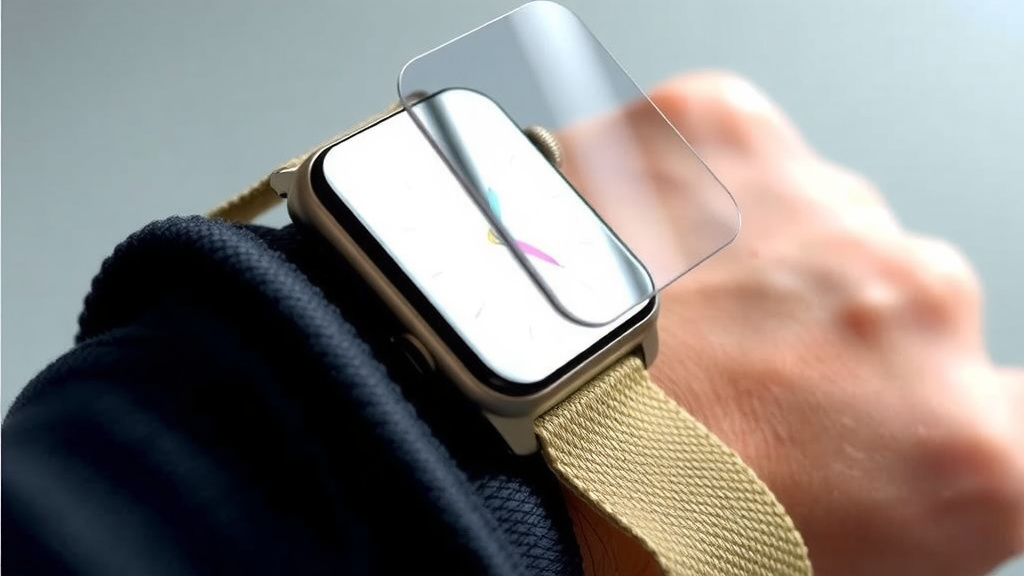
This is a common fear, and it is understandable. You bought a nice watch, and you want it to look nice. The good news is that modern protectors are incredibly thin. Once applied correctly, most people forget they are even there.
Tempered glass protectors are optically clear. They do not yellow over time like some films do. They also have an oleophobic coating that resists fingerprints and smudges. That means the screen stays looking clean and sharp. Your watch will not look bulky or cheap.
Touch Sensitivity and Accuracy
You might worry that a layer of glass will make the touchscreen less responsive. We found that this is rarely a problem. High-quality protectors are only a fraction of a millimeter thick. The capacitive touch sensors in your watch work right through them without issue.
Swiping, tapping, and scrolling all feel exactly the same. If anything, a glass protector can feel smoother than the original screen because of the oleophobic coating. It actually improves the feel of the watch. Your fingers will glide across the surface with less friction.
What About Installation Hassles
Installation is easier than you think. Most protectors come with an alignment tool or a dust-removal kit. You just clean the screen, peel off the backing, and press the protector into place. Air bubbles are easy to push out with a squeegee or a credit card.
If you mess up, no big deal. Many packs come with multiple protectors. You can practice on one and use the second for the final install. The process takes about two minutes, and the result is a perfectly protected screen. It is a small time investment for long-term protection.
Signs You Should Replace Your Protector
A screen protector is not a set-it-and-forget-it solution. It wears out over time. We found that you should inspect your protector regularly for signs of damage. Here is a quick checklist to keep in mind.
- Visible cracks or chips in the glass, which compromise its structural integrity.
- Deep scratches that are noticeable even when the screen is off.
- Peeling edges where the protector is lifting up from the watch face.
- Bubbles that reappear after you have already pushed them out.
- Yellowing or discoloration that affects the screen clarity.
- Loss of touch sensitivity in certain areas of the display.
If you see any of these signs, swap out the protector right away. A damaged protector offers less protection than a new one. Replacing it is cheap and takes less than five minutes.
Making the Final Call on Protection
We found that the math is simple. A screen protector is a small, inexpensive investment that protects your smartwatch from the two biggest threats it faces: scratches and cracks. The cost of a protector is minimal compared to the cost of a repair or a replacement device.
You wear your watch to track your health, stay connected, and make your life easier. A cracked screen undermines all of that. It makes the watch harder to read, harder to touch, and frankly, ugly to look at. Why risk that over a few dollars?
Do yourself a favor and pick up a tempered glass protector. It is one of the easiest decisions you can make for the longevity of your device. Your future self will thank you when you accidentally bang your wrist against a wall and hear a dull thud instead of the sickening crunch of breaking glass.
Conclusion
You already know the answer. A smartwatch screen protector is one of the cheapest ways to protect an expensive device. We found that a ten-dollar piece of tempered glass can save you from a costly repair down the road.
Your watch faces constant risks every day. Doorframes, gym equipment, and even dust can leave permanent damage. A protector takes the hit so your actual screen does not have to.
Here is your next step. Measure your watch face and order a tempered glass protector from a reputable brand today. Install it in two minutes and you will never have to stress about a scratched screen again. Your watch will stay looking brand new for years. For Apple Watch owners, our guide to the best Apple Watch 12 screen protectors lists top-rated options.
Frequently Asked Questions
Can a screen protector really prevent a cracked smartwatch screen?
Yes, a tempered glass protector can absorb the impact of a drop. It cracks on impact so your actual screen stays intact. That is why we recommend tempered glass over clear film for anyone worried about drops.
Will a screen protector affect my watch’s water resistance?
No, a screen protector does not impact the water resistance of your watch. The seals and gaskets that keep water out are located inside the case. You can swim and shower with a protector installed without any issues.
How long does a smartwatch screen protector last?
Most tempered glass protectors last between six months and a year with daily wear. The lifespan depends on how rough you are on your watch. We recommend replacing it as soon as you notice any cracks or deep scratches.
Do screen protectors work with Apple Watch and Samsung Galaxy Watch?
Yes, both brands have protectors made specifically for their models. You need to buy the correct size for your watch case. Check your watch model number before ordering to ensure a perfect fit.
Is it hard to remove a screen protector without leaving sticky residue?
Removal is actually very easy. You just lift from one corner and peel it off slowly. Tempered glass protectors do not use permanent adhesive, so they come off clean. We found that any leftover residue can be wiped away with a microfiber cloth.