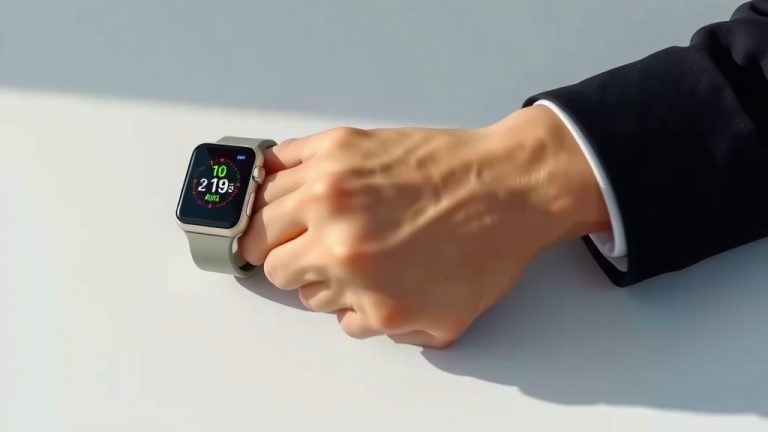
Smartwatch AFib Detection Explained
Yes, many smartwatches can detect atrial fibrillation (AFib). They do this using sensors that monitor your heart rate and rhythm. Some models even perform an ECG right on your wrist. This technology could help you catch this common heart condition early.
AFib is an irregular heartbeat that can lead to serious health issues. Detecting it early is key to managing your health. Smartwatches offer a convenient way to keep an eye on your heart’s rhythm. It’s like having a personal heart monitor that you wear every day. Many devices are now designed to offer these health-monitoring features.
- Smartwatches use optical sensors and ECGs to detect AFib.
- Irregular heart rhythms can be caught through continuous monitoring.
- Early detection of AFib is important for preventing complications.
- These devices offer a convenient way to track heart health.
Let’s dive into how these clever gadgets work and what you should know about AFib detection.
How Smartwatches Detect Irregular Heart Rhythms
You might be wondering how a device as small as a smartwatch can actually keep tabs on your heart. It sounds like science fiction, right? But research and found that these wearables use some pretty clever technology. They’re not just telling you the time or counting your steps anymore. They’re becoming more sophisticated health monitors.
The Sensors at Play
Smartwatches primarily use two types of sensors to check your heart rhythm. The first is an optical sensor. This is usually on the back of the watch, right where it touches your wrist. It uses LED lights and photodiodes to shine light into your skin and measure the light absorbed by your blood flow. This process is called photoplethysmography, or PPG.
As your heart beats, it pushes blood through your arteries. This causes tiny changes in blood volume. The optical sensor detects these changes. It’s like listening to the rhythm of your pulse. This data helps the watch estimate your heart rate. Many common smartwatches use this for basic heart rate tracking.
Going Deeper with ECG
Some advanced smartwatches take it a step further. They include a single-lead electrocardiogram (ECG or EKG) app. This feature offers a more detailed look at your heart’s electrical activity. How does it work? You typically need to touch a specific part of the watch, like the digital crown or bezel, with your finger on the opposite hand.
This action completes an electrical circuit. The watch then records the electrical signals of your heart for about 30 seconds. It’s similar to what doctors use in a clinic, but it’s a much simpler version. This ECG reading can help detect irregularities that a simple heart rate monitor might miss. This is often the key feature for AFib detection.
What is Atrial Fibrillation (AFib)?
Before we dive deeper into how watches detect AFib, let’s briefly touch on what it is. AFib is a type of irregular heart rhythm. It’s quite common, especially as people get older. In AFib, the two upper chambers of your heart, called the atria, beat chaotically and out of sync with the lower chambers, the ventricles.
This disorganized electrical activity means the atria quiver instead of contracting effectively. This can lead to blood pooling in the atria. The main concern with AFib is that this pooled blood can form clots. If a clot breaks loose, it can travel to the brain and cause a stroke. This is why early detection and management are so important.
Why Early Detection Matters
Catching AFib early can make a big difference in preventing serious health problems. When AFib is detected, your doctor can assess your risk for stroke and other complications. They can then recommend treatments, such as blood thinners or medications to control your heart rate and rhythm.
The Mayo Clinic notes that AFib can increase your risk of stroke by about five times. Other potential complications include heart failure and other heart-related issues. A smartwatch can act as an early warning system, prompting you to seek medical attention sooner rather than later.
How Smartwatches Identify AFib
So, how does a smartwatch put those sensors to work to spot AFib? It’s a combination of continuous monitoring and specific analysis. The optical sensor is usually running in the background, checking your heart rate periodically throughout the day. If it notices a consistently irregular rhythm, it might prompt you to take an ECG.
Irregular Rhythm Notifications
Many smartwatches are programmed to alert you if they detect an irregular heart rhythm that might be AFib. This often happens when the watch notices your heart rate is consistently above a certain beats per minute (BPM) while you’re at rest, or if the rhythm seems erratic. These are called irregular rhythm notifications.
It’s important to understand that these notifications are not a diagnosis. They are a signal that something might be off. You should always follow up with a healthcare professional if you receive such an alert. They can perform further tests to confirm if AFib is present.
Analyzing ECG Data
When you take an ECG on your smartwatch, the device analyzes the electrical patterns. For AFib, it looks for specific characteristics. These include an irregular and often rapid heart rate, and the absence of consistent P waves (which represent the electrical signal spreading through the atria) on the ECG tracing. The watch’s software is designed to spot these tell-tale signs.
The recorded ECG data is then often classified. Common classifications include Sinus Rhythm (normal rhythm), Atrial Fibrillation, or Unclassified. Some watches will also tell you if the recording is too noisy or inconclusive to make a judgment. Again, this isn’t a medical diagnosis. It’s a tool to help you and your doctor.
Which Smartwatches Offer AFib Detection?
The number of smartwatches capable of detecting AFib has grown significantly. Major brands have incorporated this health feature into their latest models. Apple Watch has been a pioneer in this area, with its ECG app and irregular rhythm notifications available on several Series.
Other brands, like Samsung with its Galaxy Watch series, also offer ECG capabilities and AFib detection features. Fitbit has also integrated AFib detection into some of its advanced models. Always check the specific model you are interested in, as features can vary between different versions and generations. The availability might also depend on your region due to regulatory approvals.
Understanding the Data and Limitations
While these devices are impressive, it’s vital to know their limitations. They are not a substitute for professional medical care. An irregular rhythm detected by a smartwatch could be due to various reasons, not just AFib. Things like dehydration, stress, caffeine, or other heart conditions can affect your heart rhythm.
Smartwatch ECGs are typically single-lead, meaning they capture a snapshot of your heart’s electrical activity from one angle. A medical-grade ECG captures this from multiple angles. This means a smartwatch ECG might miss certain types of heart problems. Always discuss the results with your doctor. They can interpret the data in the context of your overall health.
Regulatory Approval and Accuracy
Many smartwatches with AFib detection features have received clearance or approval from regulatory bodies like the U.S. Food and Drug Administration (FDA). This means they have demonstrated a level of accuracy and safety for their intended use. For example, the FDA has cleared the ECG app on Apple Watch for use by individuals aged 22 years and older.
Research has been conducted to evaluate the accuracy of these devices. Studies, like those published in medical journals, have found that smartwatches can be quite accurate in identifying AFib episodes when compared to medical-grade devices. However, like any technology, they are not perfect. False positives and false negatives can occur.
What to Do with Your Smartwatch Data
If your smartwatch alerts you to an irregular rhythm or indicates possible AFib, your next step should be to consult your doctor. Don’t panic! Take a screenshot of the reading or the notification if possible. Bring this information with you to your appointment.
Your doctor will likely ask you about your symptoms and medical history. They may then order an in-office ECG, a Holter monitor (a wearable ECG that records continuously for 24-48 hours), or other tests to get a clearer picture of your heart health. The smartwatch data can be a valuable starting point for these conversations.
Here’s a quick checklist of what to remember:
- Always follow up with your doctor after an irregular rhythm notification.
- Don’t rely solely on your smartwatch for a diagnosis.
- Understand that other factors can cause irregular heartbeats.
- Bring your smartwatch data to your doctor’s appointments.
- Keep your smartwatch software updated for the latest features and accuracy.
- Be aware that not all smartwatches have AFib detection capabilities.
The Convenience Factor
One of the biggest advantages of smartwatch AFib detection is its convenience. You wear it every day. This allows for continuous or frequent monitoring without you having to do much. For people who might not experience AFib symptoms constantly or who have infrequent episodes, this passive monitoring is incredibly useful.
Imagine going about your day, and your watch discreetly checks your heart rhythm. If it finds something concerning, it lets you know. This can be particularly beneficial for individuals who might not otherwise seek regular cardiac check-ups. It puts a powerful health tool right on your wrist.
Who Benefits Most?
These devices can be a great tool for people at higher risk for AFib. This includes older adults, individuals with a history of heart disease, high blood pressure, diabetes, or previous stroke. It also offers peace of mind to those who are simply health-conscious and want to keep a closer eye on their cardiovascular health.
It’s also great for people who experience symptoms like palpitations or dizziness but aren’t sure of the cause. The irregular rhythm notification can help prompt them to investigate further. However, it’s important to remember that these watches are not diagnostic tools. They are designed to be a helpful part of a larger healthcare strategy.
Conclusion
Smartwatches have become powerful tools for monitoring your heart health. They use clever sensors like PPG and ECG to detect irregular heart rhythms, potentially flagging AFib. While not a substitute for a doctor’s diagnosis, these devices offer convenient, passive monitoring. They can alert you to potential issues, prompting timely medical consultation. If your watch signals an irregular rhythm, don’t hesitate to schedule an appointment with your healthcare provider. Taking this step could be vital for your long-term well-being and preventing serious complications.
Frequently Asked Questions
Can a smartwatch truly diagnose AFib?
No, a smartwatch cannot definitively diagnose AFib. It can detect and alert you to an irregular heart rhythm that is suggestive of AFib. You will always need to consult a doctor for a formal diagnosis and treatment plan.
Are smartwatch AFib alerts always accurate?
Smartwatches have demonstrated good accuracy, often with FDA clearance, but they are not perfect. Factors like movement, skin contact, and other heart conditions can sometimes lead to false positives or false negatives. It’s important to use the data as a prompt for medical advice.
What should I do if my smartwatch detects an irregular rhythm?
If your smartwatch alerts you to an irregular rhythm, the best course of action is to schedule an appointment with your doctor. Bring the data or notification from your watch to your appointment so they can review it.
Do all smartwatches have AFib detection?
No, not all smartwatches offer AFib detection. This feature is typically found on more advanced models from brands like Apple, Samsung, and Fitbit. Always check the specific model’s specifications before purchasing if this is important to you.
Can I rely on my smartwatch instead of an EKG at the doctor’s office?
While smartwatch EKGs provide useful data, they are generally single-lead and less comprehensive than medical-grade EKGs. Your doctor will likely perform their own EKG and other tests to get a full picture. The smartwatch data serves as a helpful starting point for that conversation.