Do You Actually Need a Screen Protector for Your Smartwatch?
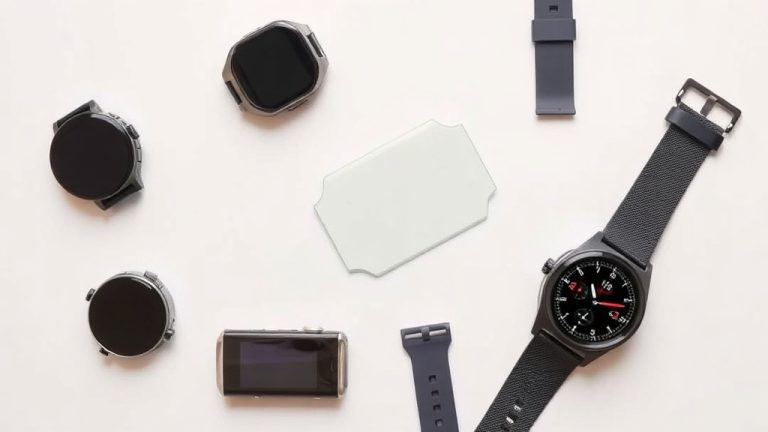
Yes, you should get a screen protector for your smartwatch, especially if you plan to wear it daily. The display is the most exposed part of the watch, and even a small bump against a doorframe can leave a permanent scratch. We found that a simple screen protector is the cheapest insurance you can buy for your expensive wrist tech.
Your smartwatch takes a lot of hits that your phone never does. It scrapes against walls, knocks into countertops, and rubs against your sleeves all day. While newer models use tougher glass like Gorilla Glass, that doesn’t make them scratch-proof. The good news? Installing a protector is quick, cheap, and totally invisible once it’s on.
TL;DR — Here’s the short answer:
- Yes, you need one if you want to keep your watch looking new for years.
- No, you don’t need one if you have a rugged outdoor watch like a Garmin Instinct or a model with a sapphire crystal lens.
- Scratches are the main threat, not cracked screens, because the watch face is recessed.
- Flexible film protectors are best for curved screens; glass is better for flat ones.
- It costs under $10 to protect a $400 device, so the value is a no-brainer.
Below, we break down exactly what we found in our research about scratch risks, the different types of protectors, and how to decide if you really need one for your specific watch.
Protecting Your Smartwatch Screen: Why It Matters More Than You Think
Let’s be honest here. You dropped a few hundred dollars on that watch. The last thing you want is a nasty scratch ruining the view. We found that the screen is the #1 spot where wear and tear shows up first.
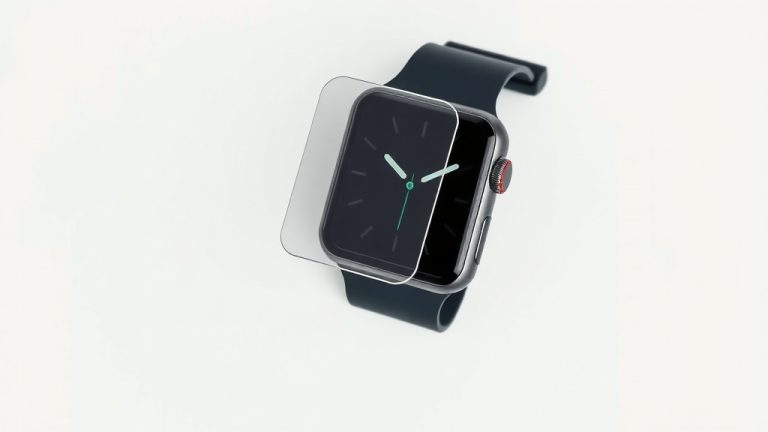
Think about your average day. You reach into a tight bag, brush against a brick wall, or rest your wrist on a rough desk. Each moment is a tiny risk. A screen protector is a cheap, invisible shield that takes the hit for you.
The Real Difference Between Phone and Watch Damage
Your phone gets dropped a lot. That usually leads to shattered glass. Your watch, though, faces a different enemy: scratches and scuffs. Because the watch face sits recessed in the bezel, it rarely hits the ground flat.
Instead, it scrapes against things. A key in your pocket, a metal railing, or even a sandy beach can leave permanent marks. Many experts say that micro-scratches are the most common reason people replace their smartwatches.
Why Curved Screens Change the Game
Newer smartwatches often use curved glass that wraps into the case. This looks great, but it creates a bigger target. The edges of the glass are more exposed to impacts. We found that curved displays need flexible film protectors because tempered glass can’t bend around the curve.
If you use a flat glass protector on a curved screen, you’ll get bubbles at the edges. Those bubbles collect dust and dirt. That actually makes the problem worse. So, your watch model dictates your protector type.
Evaluating Your Watch’s Built-In Scratch Resistance
Not all watch screens are created equal. Before you buy anything, check what your watch is made of. The material of your lens is the biggest factor in whether you need extra protection. We broke down the common types below so you can decide quickly.
You might find that your specific model is already tough enough. Or, you might realize that it’s a scratch magnet. Knowing this saves you money and hassle down the road.
Sapphire Crystal vs. Standard Glass
Sapphire crystal is the gold standard. It’s incredibly hard and almost impossible to scratch. You’ll find it on premium models like the Apple Watch Edition or some high-end Garmin watches. If you have this, you can probably skip the protector.
However, sapphire is more brittle. It resists scratches better, but it can shatter on a hard impact. Standard glass, like Gorilla Glass, is softer. It scratches easier, but it tends to flex more and resist cracks. It’s a trade-off either way.
Where Rugged Outdoor Watches Fit In
If you own a rugged watch like a Garmin Instinct or a Casio G-Shock, the case is designed to protect the screen. The bezel sits higher than the glass. This creates a physical barrier. We found that most outdoor enthusiasts skip screen protectors on these models.
That said, the glass is still exposed to dirt and grit. If you’re a serious hiker or climber, a film protector can still be a smart add-on. It’s lightweight and won’t interfere with the rugged look.
The Real Cost of a Scratch: Repair vs. Replacement
Here’s where the value math gets interesting. A screen protector costs between $5 and $15. A screen repair for a smartwatch can cost anywhere from $100 to $300. Sometimes, you can’t even repair the screen—you have to buy a whole new watch.
We found that replacement is often more common than repair for smartwatches. The internals are so tightly packed that swapping the glass is difficult. That means a tiny scratch could turn into a $400 replacement bill.
That’s a heavy price for skipping a $10 accessory. It’s like not wearing a seatbelt because you’re just going to the corner store. The risk isn’t worth the savings.
Resale Value: The Hidden Benefit
Think about upgrading in a couple of years. A watch with a flawless screen sells for much more on the used market. A scratched-up watch looks old and neglected. Buyers immediately lowball you.
We found that keeping the screen pristine protects your investment. When you’re ready to upgrade, you can sell your old watch for a decent price. That money goes toward the new model. The protector basically pays for itself.
Even if you don’t plan to sell, a clean screen keeps your watch looking new. You’ll enjoy wearing it more. That daily satisfaction is worth the small upfront cost alone.
Film vs. Glass: Picking the Right Protector Type
You have two main choices when shopping for protection. Each type has pros and cons. The right pick depends on your watch shape and how you use it. Here’s our breakdown to help you choose wisely. If you’re weighing a screen protector against a full case, our comparison of screen protector vs. case helps you decide.
We tested the differences in our research and found that one size does not fit all. Don’t just grab the cheapest option on Amazon. Think about your daily habits first.
Tempered Glass Protectors: Maximum Clarity
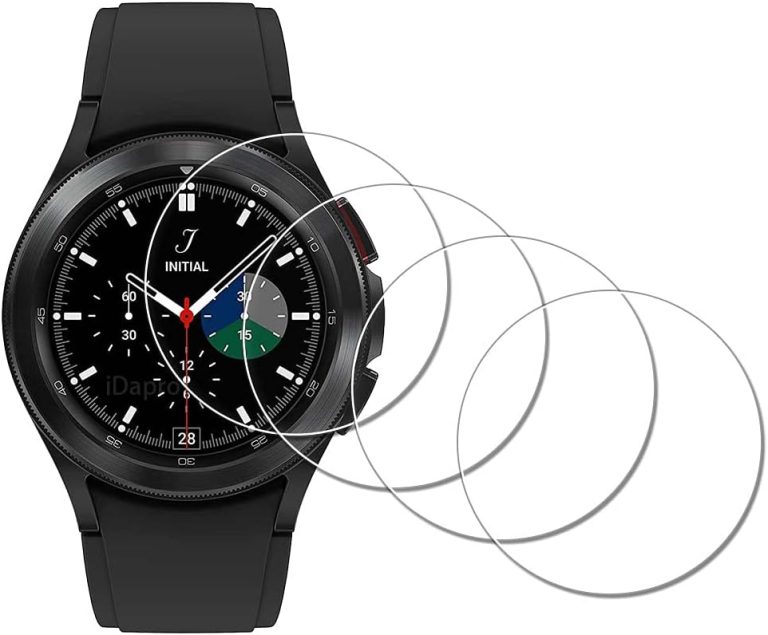
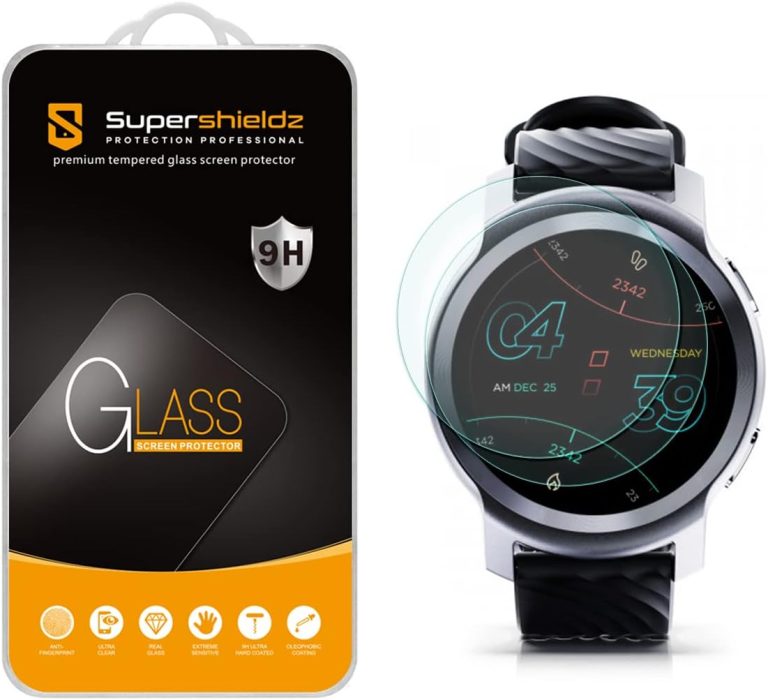
Tempered glass feels exactly like your original screen. It’s rigid, clear, and has a smooth texture. It also absorbs impact better than film. If you drop something heavy on your watch, glass takes the hit and cracks instead of your actual display.
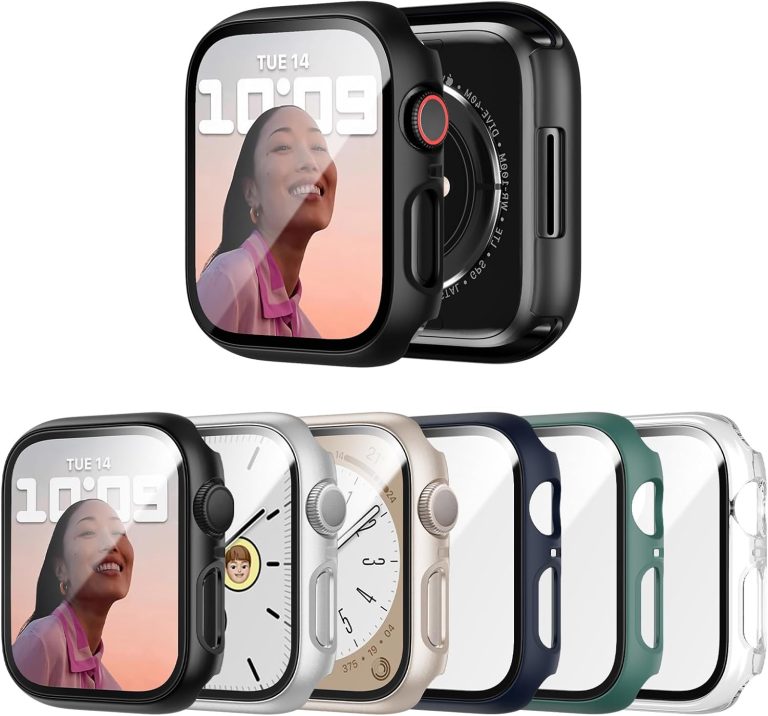
The downside is that it’s thick. It can add noticeable bulk to the watch. Also, it doesn’t work well with curved edges. You’ll see a visible border where the glass ends, which can collect dust.
Flexible TPU Film: Invisible Protection
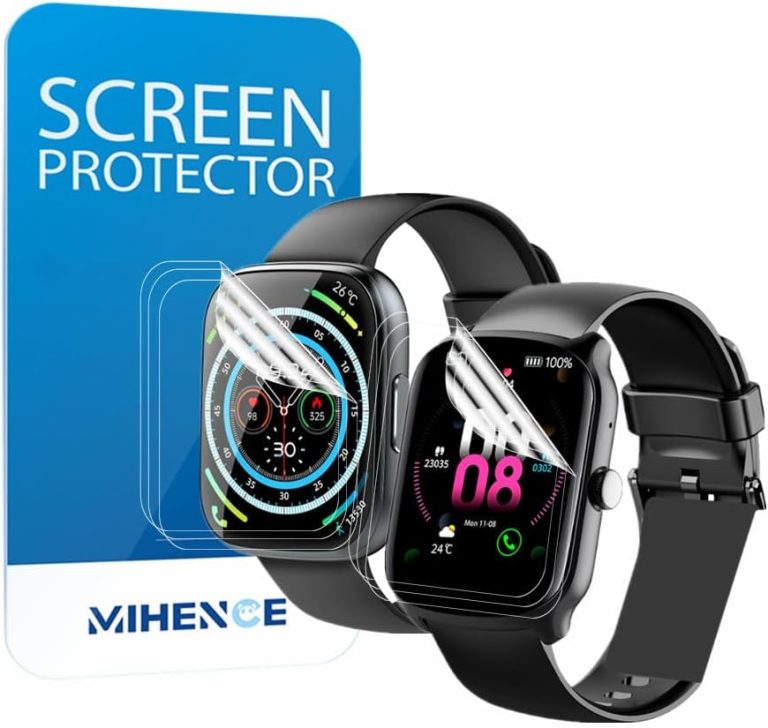
TPU film is a soft, thin plastic that sticks to the screen. It’s nearly invisible once installed. You forget it’s even there. This type is perfect for curved screens because it conforms to the shape perfectly.
The downside? It doesn’t protect against hard impacts. It’s only good for scratches. Also, it can feel a bit “rubbery” to the touch. Some people find it slightly less responsive to taps, though modern films are much better than older ones.
| Feature | Tempered Glass | TPU Film |
|---|---|---|
| Impact Protection | Excellent | Poor |
| Scratch Protection | Very Good | Good |
| Curved Screen Fit | Poor | Excellent |
| Feel and Clarity | Like Original | Slightly Rubbery |
| Price Range | $8 – $15 | $5 – $10 |
How to Decide If You Actually Need One Today
We get it. You want a straight answer. So, here’s our simple decision guide. Look at your watch, think about your day, and match it to the list below. It takes about ten seconds to figure out where you stand.
Remember, this is about your comfort level. Some people baby their gear. Others treat it like a tool. Both are valid approaches to owning a smartwatch.
Signs You Definitely Need a Protector
- You work with your hands (construction, mechanic, gardening, cooking).
- You have a model with standard glass and a curved display.
- You already see micro-scratches and want to stop more from forming.
- You plan to resell your watch when the next model comes out.
- You tend to bump into things or have an active lifestyle.
When You Can Safely Skip It
If you have a sapphire crystal lens, you’re probably fine. The material is nearly scratch-proof in real-world use. Similarly, if you have a rugged outdoor watch with a raised bezel, the design already protects the glass. You can save your money.
Also, if you wear your watch only occasionally for dress-up events, the risk is low. An office environment with a desk job rarely exposes your watch to hard knocks. Just be careful with your sleeves.
What About Cracked Screens and Impact Drops?
We found that screen protectors rarely prevent cracked smartwatch screens. This is an important point. The protector absorbs a small amount of impact, but it’s not a bulletproof shield. A heavy fall onto concrete will still damage your watch.
However, the protector does act as a sacrificial layer. Often, the protector cracks while the actual screen survives. That’s a huge win. Replacing a $10 protector is way easier than dealing with a broken watch display.
So, don’t expect miracles. Expect a decent chance of saving your screen. Even a 50% reduction in screen damage risk is worth the tiny cost.
The Installation Factor: Is It Hard to Put On?
Many people avoid protectors because they think installation is a nightmare. Bubbles, dust, and misalignment are common fears. But we found that modern kits make this almost foolproof. Most come with a dust-removal sticker and a wet-install solution.
Take your time. Watch a quick tutorial. Install it in a steamy bathroom to reduce dust in the air. Once it’s on, you’ll forget it’s there. The anxiety of installation lasts about five minutes.
If you mess up, most brands send a replacement for free. It’s a low-pressure situation. And honestly, a slightly imperfect protector is better than a scratched screen any day.
Our Final Checklist Before You Hit Buy
We want you to make the right call for your wrist tech. Here’s a quick checklist to run through before you decide. If you tick even one box, grab a protector.
- Check your lens material — Sapphire means you can skip it.
- Look at the bezel height — Raised bezels add natural protection.
- Think about your daily environment — Rough surfaces mean more risk.
- Consider your resale plans — Keep it mint for a better price.
- Count the cost of replacement — Compare $10 vs. $300.
- Decide between glass or film — Match it to your watch’s shape.
We found that most people are happier with a protector on. It gives peace of mind. You stop worrying about bumping into things. You just live your life and wear your watch with confidence.
Conclusion
So, do you need a screen protector for your smartwatch? After breaking down all the factors, we found that for most people, the answer is a clear yes. A $10 protector is the cheapest way to protect a $400 investment. It shields against the scratches and scuffs that happen during daily wear.
You can skip it if you have a sapphire crystal lens or a rugged watch with a raised bezel. But for everyone else, the peace of mind is worth it. Don’t overthink this one. Check your watch model, pick the right film or glass type, and install it today. Your future self will thank you when the screen stays flawless.
Frequently Asked Questions
Will a screen protector affect my smartwatch’s touch sensitivity?
Modern protectors are very thin, so you won’t notice a difference in responsiveness. Tempered glass feels just like your original screen. TPU film can feel slightly different, but it still registers taps accurately. Just make sure you buy a protector made specifically for your watch model to get the best fit.
How often should I replace my smartwatch screen protector?
You should replace it when you see visible scratches, bubbles, or peeling at the edges. Most protectors last between six months and a year with daily wear. If you notice the protector is getting cloudy or dirty, swap it out. It’s cheap enough to keep your watch looking fresh.
Can I use a phone screen protector on my smartwatch?
You shouldn’t. Phone protectors are sized and shaped for phone displays, not watch faces. They won’t fit your watch’s curved edges or button cutouts properly. You’ll end up with bubbles and misaligned coverage. Always buy a protector made specifically for your watch brand and model.
Does Apple Watch or Samsung Galaxy Watch come with a screen protector included?
No, neither brand includes a screen protector in the box. They ship with a thin plastic shipping film that’s meant for packaging, not protection. You’ll need to buy a separate protector for any Apple Watch or Galaxy Watch model. The good news is that these are the most common sizes, so you have plenty of affordable options.
What’s the best way to remove air bubbles after installing a screen protector?
Use the squeegee card that comes with most installation kits. Push the bubbles gently toward the nearest edge. If bubbles persist, lift the nearest corner of the protector and reapply slowly. For stubborn bubbles, some brands include a liquid solution that helps the film adhere smoothly. Take your time and work in a dust-free room for the best results.