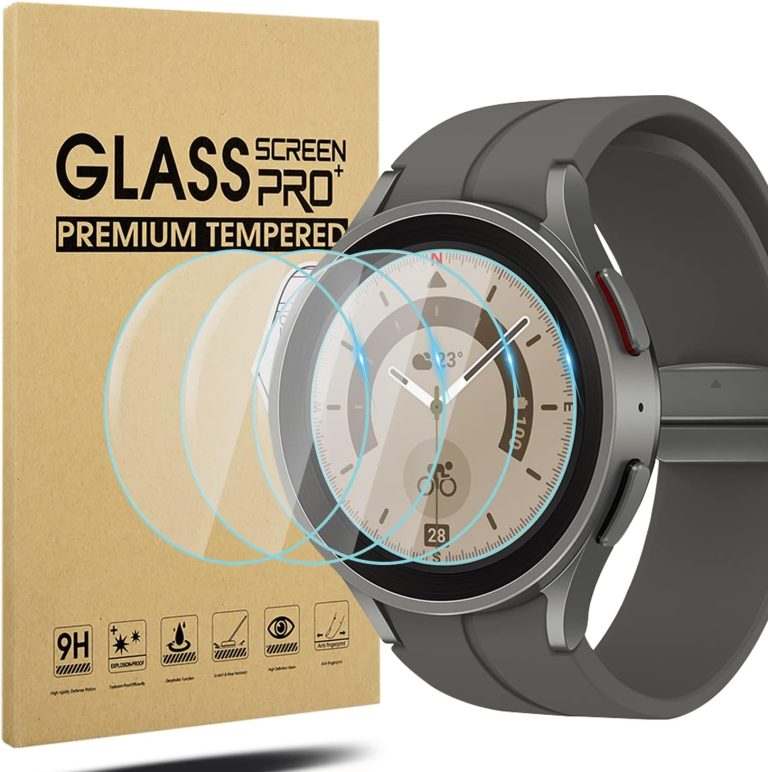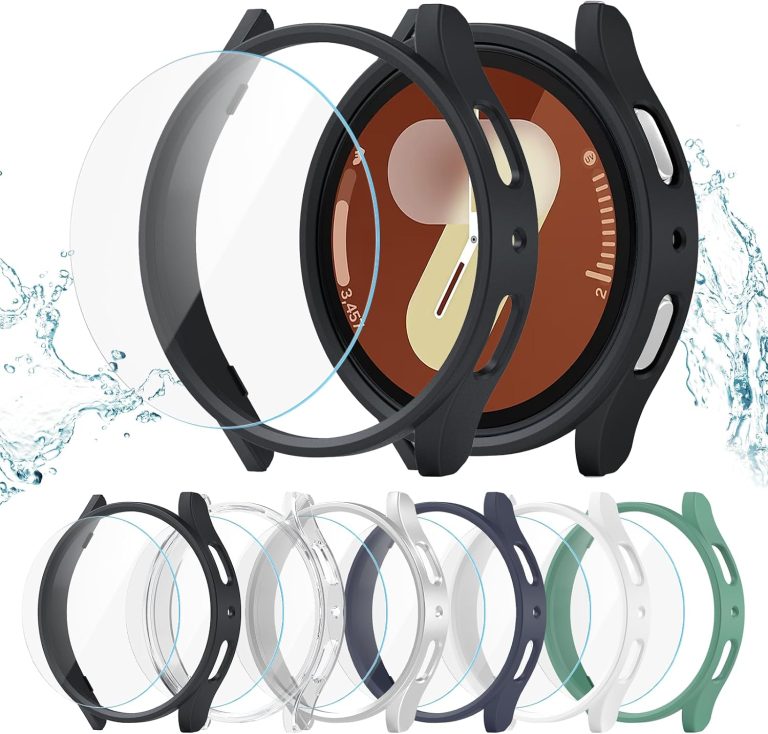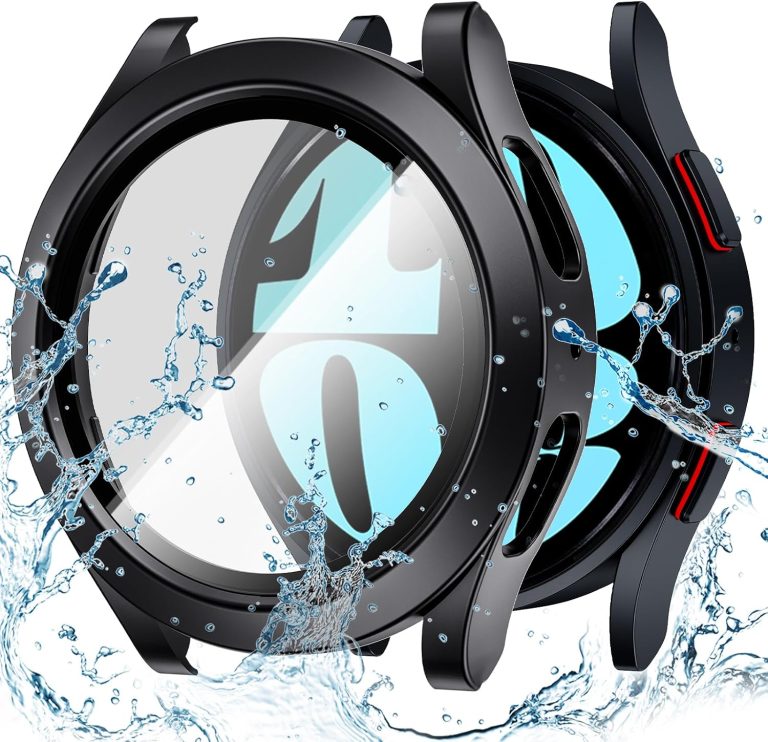
How to Remove a Watch Screen Protector Safely
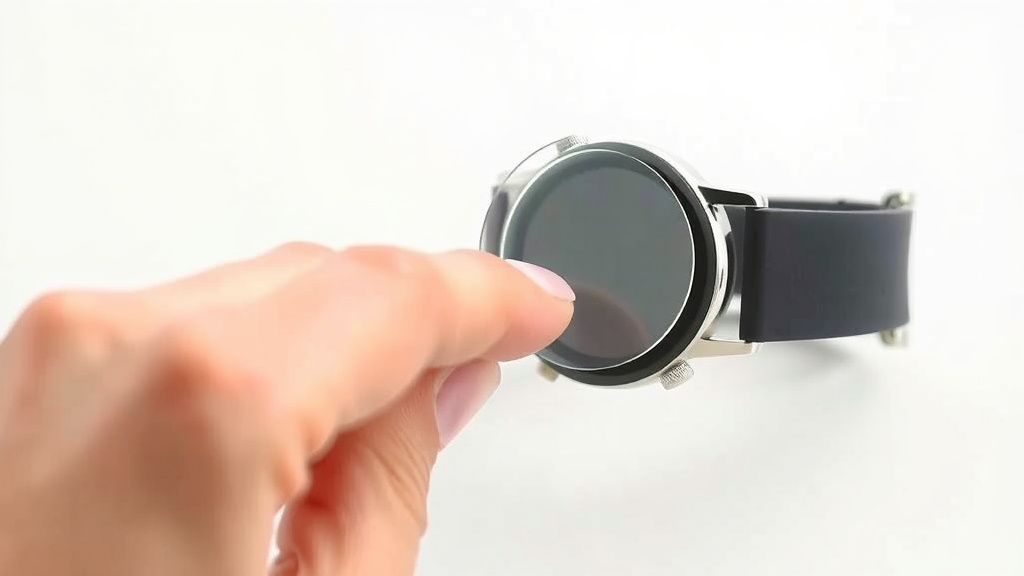
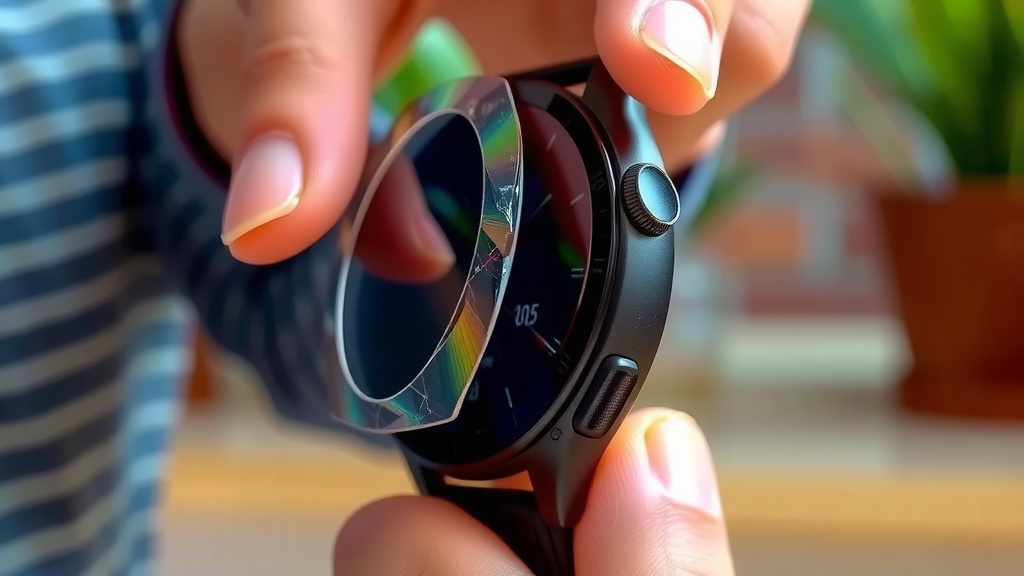
Peeling off a scratched or cracked watch screen protector is easiest when you use a thin, sticky object like a piece of tape or a plastic spudger to lift one corner before pulling it away. You don’t need heat or special tools for most glass protectors, and doing it slowly prevents damage to your watch face underneath.
We found that most people panic when a protector shatters, but it’s actually a simple fix. The key is to work gently and avoid using anything metal that could scratch your display. Whether you have a new protector ready to go or just want the old one off, the process is quick and straightforward.
- Use tape or a suction cup to lift a corner of the protector.
- Never use metal tools like knives or tweezers — they can scratch your screen.
- Pull slowly at a low angle to avoid shattering the glass further.
- Clean the screen with a microfiber cloth before applying a new protector.
- Skip the heat — most modern protectors peel off easily without it.
Below, we break down the safest methods step by step so you can get that damaged protector off without any headaches.
Taking Off a Shattered Watch Screen Protector Safely
When your watch screen protector cracks, it looks worse than it actually is. Your actual watch face underneath is likely fine. We found that the removal process takes less than two minutes once you know the right trick.
You do not need a heat gun. You do not need fancy chemicals. You just need something thin, something sticky, and a steady hand.
Why You Should Skip the Heat Gun
Many online guides tell you to use a hair dryer or heat gun to soften the adhesive. We found that this is unnecessary for most modern protectors. The adhesive used on tempered glass screen protectors is designed to release easily when you lift a corner.
Heat can actually cause problems. It can overheat your watch battery. It can also warp the plastic frame of cheaper watches. Skip the heat and save yourself the hassle.
What You Actually Need to Gather
You likely already own everything required for this job. Check your desk drawer and your bathroom cabinet. The tools are simple and low-cost.
- Clear packing tape or duct tape
- A plastic spudger or a guitar pick (if you have one)
- A suction cup designed for phone repairs (optional but helpful)
- A microfiber cloth for cleaning afterward
- Rubbing alcohol (70% or higher) for sticky residue
If you have a plastic protector instead of glass, the process is slightly easier. Plastic bends and flexes, so you can peel it from any corner without worrying about shattering it further.
The Tape Trick for Lifting a Stubborn Corner
This is the method we recommend to most people. It works because it gives you control. You are not jabbing at the glass with a sharp object.
Here is how to do it. Tear off a piece of tape about three inches long. Press it firmly onto one corner of the protector. Leave about an inch of tape hanging off the edge. Then, pull the tape upward and toward the center of the watch at a low angle.
Why the Angle Matters More Than You Think
Pulling straight up can cause the glass to flex and crack further. Pulling at a low angle, almost parallel to the watch face, keeps the pressure even. This reduces the chance of tiny glass shards popping off.
Think of it like peeling a sticker off a book. If you pull straight up, the sticker tears. If you pull it back on itself, it comes off clean. The same physics apply to your watch protector.
What to Do If the Tape Won’t Grab
Sometimes the protector is so cracked that tape cannot get a good grip. Do not panic. Use a piece of tape folded sticky-side-out to dab at the cracked area. This lifts the loose pieces and gives you a fresh edge to work with.
If you still have no luck, move on to the suction cup method. It provides a stronger hold and works well on fully shattered glass.
Using a Suction Cup on a Fully Shattered Screen
A suction cup is the go-to tool for phone repair technicians. We found that it works just as well on watches. It gives you a firm grip without applying pressure to the fragile glass.
Place the suction cup in the center of the protector. Press down firmly to create a seal. Then, gently pull up while wiggling the cup side to side. The wiggle motion breaks the adhesive bond without stressing the glass.
How to Avoid Suction Cup Marks on Your Watch
Suction cups can leave temporary circular marks on your screen. These fade quickly, but you can avoid them entirely. Clean your watch face thoroughly before applying the cup. A clean surface creates a better seal, so you do not need to press as hard.
If you are worried about marks, use the tape method instead. It is gentler on the surface and leaves no residue behind.
The Guitar Pick Trick for Edge Access
Once you lift a corner with tape or a suction cup, slide a plastic guitar pick into the gap. Work it gently around the edges to release the adhesive. This is the same technique used by professional repair shops.
Never use a metal pick, a knife, or a screwdriver. A single slip can scratch your watch face permanently. Plastic tools are soft enough to be safe but stiff enough to do the job.
Cleaning the Sticky Residue Left Behind
After the protector comes off, you will likely see a faint adhesive film on your screen. This is normal and easy to remove. Do not scrape at it with your fingernail or a metal tool.
Dampen a microfiber cloth with rubbing alcohol. Wipe the screen in slow circles. The alcohol dissolves the adhesive without harming the glass or the oleophobic coating on your watch.
When to Use Water Instead of Alcohol
If your watch has a very new screen coating, alcohol can sometimes dull it. Check your watch manufacturer’s care guidelines first. Many guidelines point to a simple water-dampened cloth as a safe first step (Mayo Clinic).
When in doubt, start with water. If the residue remains, move to alcohol. This two-step approach protects your screen’s coating while still getting the job done.
Drying and Polishing Your Watch Face
After cleaning, dry the screen with a fresh, dry side of your microfiber cloth. Use light pressure. You want to buff the surface to a streak-free shine.
Hold the watch up to the light. If you see smudges, wipe again. A clean screen is essential before applying a new protector. Any dust or oil will show up as bubbles under the new glass.
How to Apply a New Protector Without Bubbles
You have the old protector off. Your screen is clean. Now the real fun begins — putting the new one on without trapping air bubbles. We found that this is where most people get frustrated.
The trick is alignment and patience. Do not rush this step. You have a two-minute window before the adhesive sets, so take your time.
Line Up the Edges First, Then Drop It Down
Peel the backing off the new protector. Hold it above your watch, but do not let it touch yet. Line up the edges with your watch face. Check the top, the bottom, and both sides.
Once aligned, lower one edge of the protector onto the screen. Let it touch, then slowly release the rest. The adhesive will pull the glass down naturally. You can guide it with your fingers, but do not press hard.
Pushing Out Air Bubbles the Right Way
If you see bubbles, use a squeegee card or the edge of a credit card wrapped in a cloth. Push the bubbles toward the nearest edge. Start from the center and work outward.
Do not push hard. The goal is to move the air, not to crack the new glass. A few tiny bubbles near the edges will usually disappear within 24 hours on their own.
Common Mistakes People Make During Removal
We have seen it all when it comes to watch screen protector removal. A little knowledge goes a long way. Here are the mistakes we recommend avoiding at all costs.
- Using a metal tool to pry up the edge — this scratches your actual screen.
- Pulling too fast — sudden force shatters the protector further.
- Skipping the cleaning step — old adhesive residue ruins new protector adhesion.
- Applying the new protector in a dusty room — dust particles create permanent bubbles.
- Pressing too hard when pushing out bubbles — you can crack the new glass.
- Giving up halfway — a half-lifted protector leaves sticky messes behind.
Each of these mistakes is avoidable. Slow down. Use the right tools. Your watch will thank you.
Quick Reference: Tape vs. Suction Cup vs. Spudger
Not sure which method fits your situation? Use this simple comparison to decide. We found that the best method depends on how badly the protector is cracked.
| Method | Best For | Risk Level | Tools Needed |
|---|---|---|---|
| Tape | Minor cracks, intact corners | Very low | Packing tape only |
| Suction Cup | Fully shattered glass | Low | Suction cup + tape |
| Plastic Spudger | After lifting a corner | Low if plastic | Guitar pick or spudger |
If your protector is only slightly scratched, the tape method is your fastest option. If it is in pieces, go straight for the suction cup.
When to Call It Quits and Get Professional Help
Sometimes the protector is so shattered that removal becomes risky. If the glass is crumbling at the touch, do not force it. You might push shards into the watch’s edge, which can damage the bezel or the crown.
We found that a professional phone or watch repair shop can remove a stubborn protector in under five minutes. They have industrial-grade suction cups and plastic tools designed for delicate surfaces. Many shops will do this for free if you purchase a new protector from them.
Signs You Should Stop and Seek Help
You should not feel like you are wrestling with your watch. If you notice any of the following signs, step back and reassess. Professional help is a smart move, not a failure.
- The protector is crumbling into many tiny pieces.
- You cannot get any tool under the edge without scratching the frame.
- The adhesive feels like it is fused to the screen.
- You have been trying for more than 10 minutes.
Your watch face is worth more than the cost of a protector. Do not let pride turn a five-minute fix into a hundred-dollar repair. Take a breath. If you need help, ask for it.
Final Thoughts on Keeping Your Watch Screen Clear
Removing a watch screen protector does not have to be a stressful event. We found that the entire process, from start to finish, takes most people under ten minutes. The key is patience and the right tool for your specific situation.
You have the tape trick. You have the suction cup method. You know how to clean the residue and apply a fresh protector. The next time your protector cracks, you will not panic. You will simply grab some tape and get to work.
Your watch face is tougher than you think. Treat it with care, and it will keep telling time for years to come.
Conclusion
Removing a cracked watch screen protector is a five-minute job once you know the right trick. You do not need heat guns or expensive tools. Just grab some tape, a suction cup, or a plastic spudger, and work slowly from a corner.
Take your time. Pull at a low angle. Clean the sticky residue with alcohol or water. Then apply your new protector with careful alignment and gentle pressure to avoid bubbles. We found that most people rush this step and end up frustrated.
Your next move is simple. Grab a piece of packing tape and test the corner-lift method right now. You will have that old protector off and your watch looking brand new in no time.
Frequently Asked Questions
Will removing the screen protector damage my watch face?
No. The adhesive on screen protectors is designed to release without harming your watch. The actual risk comes from using metal tools that can scratch the glass. Stick to plastic tools and tape, and your watch face will stay in perfect condition.
Can I reuse a watch screen protector after taking it off?
You should not reuse a glass protector. Once removed, the adhesive loses its strength and the glass may have micro-cracks you cannot see. Plastic film protectors are sometimes reusable, but the sticky layer will likely have dust trapped on it. We recommend buying a fresh one for the best fit and protection.
Why does my new screen protector keep getting bubbles in the same spot?
Bubbles that keep appearing in the same place usually mean there is dust or oil on the screen. You missed a spot during cleaning. Wipe the screen again with a microfiber cloth and check it under bright light before applying the new protector. A tiny speck of dust is all it takes to create a permanent bubble.
Is it safe to use a razor blade to lift a cracked watch protector?
No. A razor blade will scratch your watch face the moment it slips. We found that even careful users leave fine marks on their screens this way. Use a plastic guitar pick or spudger instead. They are stiff enough to get under the glass but soft enough to protect your display.
How do I remove adhesive residue from my watch without scratching it?
Dampen a microfiber cloth with rubbing alcohol and wipe in slow circles. The alcohol breaks down the adhesive without damaging the glass. If your watch has a newer screen coating, start with plain water first and only use alcohol if the residue will not budge. Never scrape with your fingernail or a sharp object.