Adjust Your Smartwatch Band: A Quick & Easy Guide
Adjusting your smartwatch band is easier than you think and can make a big difference in comfort and accuracy. Most bands use simple clasps or pin-and-hole systems that you can adjust yourself in under a minute. Getting the right fit ensures your watch stays put and its sensors work correctly.
A properly fitted band prevents your smartwatch from sliding around. This is especially important for tracking workouts and heart rate. If your band is too loose, it might not get accurate readings. If it’s too tight, it can be uncomfortable or even irritating. We’ll show you the common band types and how to adjust each one.
- Loose bands can lead to inaccurate health tracking.
- Too tight a fit can cause skin irritation.
- Most adjustments take less than 60 seconds.
- There are just a few common band styles to know.
Let’s walk through exactly how to get that perfect smartwatch fit, step by step.
Getting Your Smartwatch Band Just Right
A well-fitting smartwatch band is key to both comfort and accurate health tracking. You might be surprised at how much a simple adjustment can improve your daily experience with your device. Let’s dive into how you can achieve that perfect snugness, ensuring your watch feels like a natural extension of your wrist.
Common Smartwatch Band Types and How to Adjust Them
Most smartwatches come with bands designed for easy, at-home adjustments. You’ll typically encounter a few main styles, each with its own simple mechanism.
The Classic Buckle Strap (Like a Watch or Belt)
These are perhaps the most straightforward. They use a pin-and-hole system, much like a traditional wristwatch or a belt. Getting the right fit here is usually a matter of finding the hole that feels most comfortable on your wrist.
To adjust, you’ll simply unbuckle the strap. Then, you’ll feed the strap through the buckle to loosen it or pull it tighter. Finally, re-insert the pin into the nearest hole. Finding that sweet spot often means trying a couple of different holes until it feels secure but not constricting.
The Sport Loop or Fabric Bands
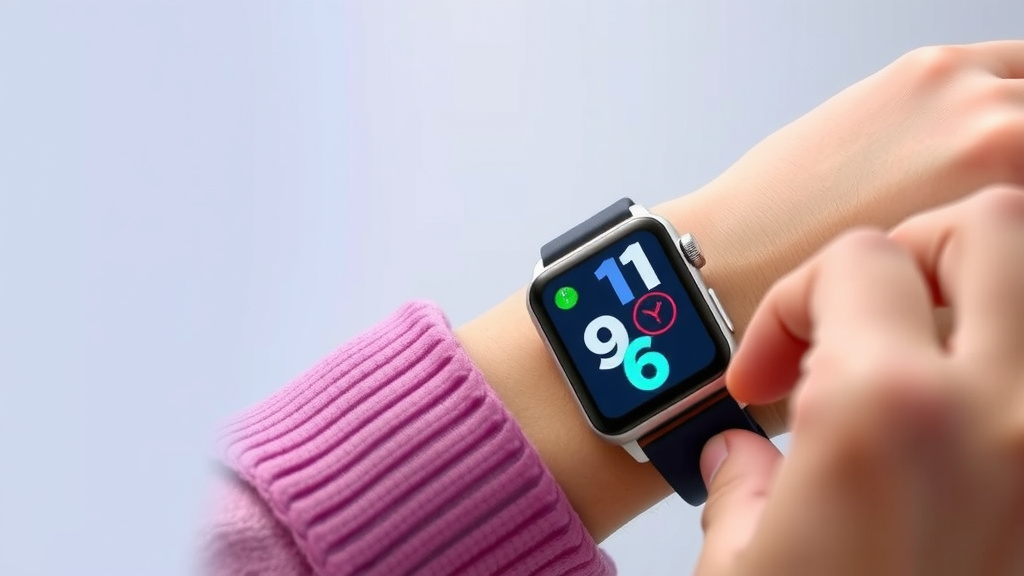
Many fitness-focused smartwatches feature sport loops made from flexible, breathable fabric. These bands often have a hook-and-loop (Velcro) closure or a special buckle system. They’re designed for quick adjustments, especially during workouts.
For hook-and-loop bands, you simply peel back the sections and reapply them to make the band tighter or looser. It’s a very forgiving system. If yours has a specific buckle, look for a way to slide the fabric through it to change the length.
The Metal or Link Bracelets
If your smartwatch has a more sophisticated look with a metal band, adjustments can be a bit more involved but are still manageable. These bands consist of interconnected links. You’ll need to remove links to make the band smaller.
You’ll likely need a small tool, often called a watch band link remover, for this. These are inexpensive and widely available. The tool helps you push out small pins that hold the links together. Always work on a clean, flat surface so you don’t lose any tiny parts.
Removing or Adding Links
First, identify the removable links. They often have a small arrow indicating the direction to push the pin. Gently turn the screw on the link remover tool to push the pin out. Once a pin is out, you can separate the links. To reassemble, align the links and push the pin back in place using the tool or even just firm pressure.
Some metal bands might have a clasp with adjustable sections. This is a simpler way to fine-tune the fit without removing any links. Look for small levers or buttons on the clasp itself that allow you to extend or shorten it by a few millimeters.
The Silicone or Rubber Bands with Pin Closures
These are very common on smartwatches designed for everyday wear and fitness. They resemble the classic buckle but often have a more modern design. They feature a band with multiple holes and a metal or plastic pin that secures through one of the holes.
The adjustment process is identical to the classic buckle strap. You’ll unhook the pin from its current hole and place it into a new hole to achieve your desired tightness. It’s a quick and easy method for daily fit changes.
The Milanese Loop or Magnetic Closures
These bands, often made of a fine mesh metal, are known for their elegant look and simple adjustment. They typically use a strong magnetic clasp that allows for nearly infinite adjustment points.
To adjust, simply slide the band onto your wrist and position the magnetic clasp where it feels most secure and comfortable. You can easily make it tighter or looser by repositioning the magnet. It’s a very intuitive and quick way to get the fit right.
Tips for the Perfect Smartwatch Fit
Achieving that ideal fit isn’t just about comfort; it’s also about ensuring your watch’s sensors are functioning optimally. Research from sources like the Cleveland Clinic suggests that a snug, but not too tight, fit is best for accurate heart rate monitoring.
Where Should Your Smartwatch Sit?
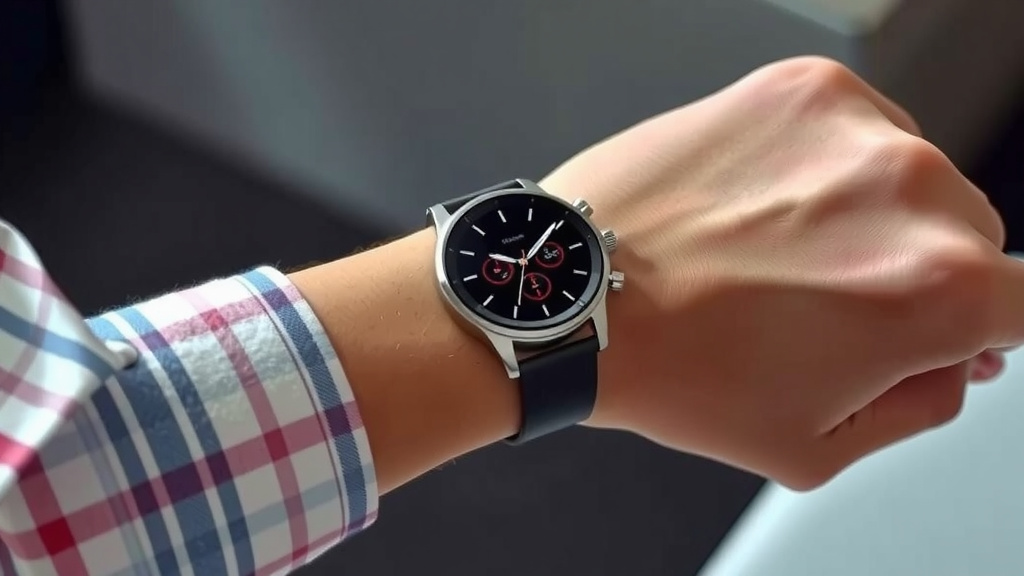
Your smartwatch should rest comfortably on your wrist, typically about one finger’s width above the wrist bone. This position allows the sensors on the back of the watch to make good contact with your skin without being overly tight.
If the band is too loose, the watch can slide around, leading to inaccurate readings for steps, heart rate, and sleep tracking. Conversely, if it’s too tight, it can restrict blood flow, causing discomfort and potentially affecting sensor accuracy. You’re aiming for a fit that stays in place during movement but doesn’t leave an indentation on your skin when you remove it.
Signs Your Band Needs Adjustment
Pay attention to how your watch feels throughout the day. Does it feel like it’s slipping down your arm? That’s a clear sign it’s too loose. Is your skin red or irritated after wearing it for a while? It might be too tight. You might also notice inaccurate fitness tracking data.
Many experts recommend checking your fit before and after workouts. Your wrist can swell slightly during exercise, so a band that feels perfect when you start might feel too snug later on. Being able to make quick, on-the-go adjustments is a real benefit.
A Quick Checklist for Smartwatch Fit:
- Does the watch stay in place when you move your arm?
- Is it comfortable without pinching or digging into your skin?
- Can you easily slide one finger between the band and your wrist?
- Are the sensors on the back making consistent contact with your skin?
- Do you feel any numbness or tingling? (If yes, loosen it!)
Getting the fit right might take a little trial and error. Don’t be afraid to make small adjustments until you find what works best for you and your specific activity level. A little time spent ensuring a good fit can make all the difference in your smartwatch experience.
Conclusion
You’ve now learned how simple it is to adjust your smartwatch band for the perfect fit. We’ve covered common band types like classic buckles, sport loops, metal links, silicone straps, and magnetic closures. Remember, a snug, comfortable fit is key for both comfort and accurate sensor readings. Don’t settle for a loose or constricting band.
Take a moment now to check your current watch fit. If it’s not quite right, make a small adjustment using the tips we discussed. Your smartwatch will feel better and perform better as a result. Enjoy your comfortable, well-fitted smartwatch!
Frequently Asked Questions
How tight should my smartwatch band be?
Your smartwatch band should feel snug but not tight. You should be able to slide one finger comfortably between the band and your wrist. It should stay in place without digging into your skin or leaving red marks.
Can a loose smartwatch band affect heart rate accuracy?
Yes, a band that is too loose can cause your smartwatch to slide around. This prevents the heart rate sensor from maintaining consistent contact with your skin, leading to inaccurate readings. A snug fit is best for optimal sensor performance.
Do I need special tools to adjust most smartwatch bands?
For most common bands like buckle straps, sport loops, or magnetic closures, you don’t need any tools at all. Metal link bands might require a small link remover tool, but these are inexpensive and easy to find if needed.
How often should I adjust my smartwatch band?
It’s a good idea to check your band’s fit periodically throughout the day. Your wrist can swell slightly during exercise or when it’s hot, so you might need to loosen it. Conversely, you might tighten it if it feels too loose during activity.
My smartwatch band is causing skin irritation. What should I do?
Skin irritation usually means your band is too tight. Try loosening it a notch or two and see if that helps. Ensure you’re keeping the band and your wrist clean, as sweat and dirt can also contribute to irritation.
![7 Best Smart Watch For Kids [2026]](https://smartwatchbest.com/wp-content/uploads/2026/06/7-best-smart-watch-for-kids-2026-featured-768x432.jpg)