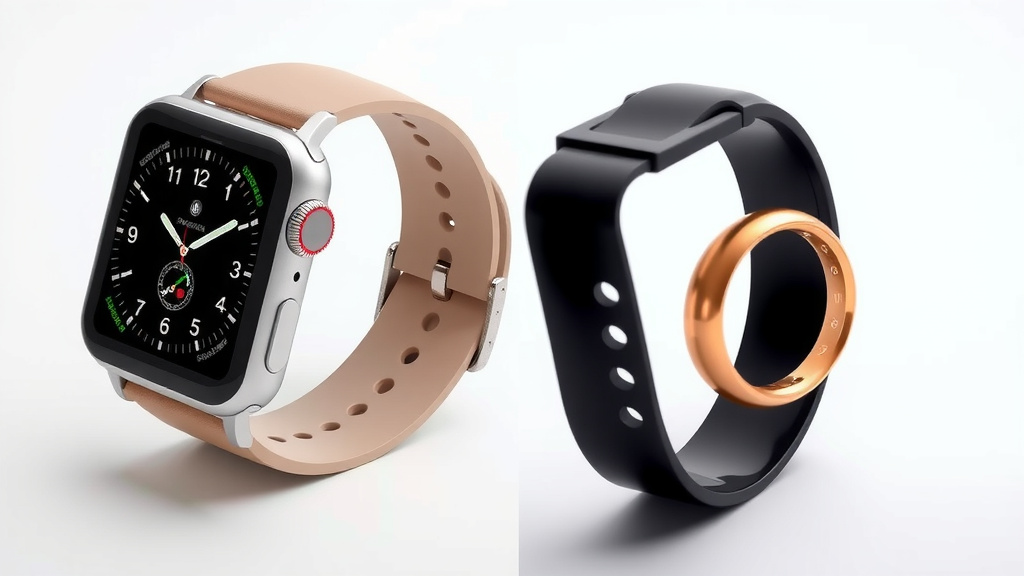
Smartwatch vs Smart Ring Which is Right for You
When choosing between a smart watch and a smart ring, consider your primary needs: smartwatches offer more features and larger screens, while smart rings provide a discreet, minimalist way to track your health and make payments. Many find the smartwatch’s versatility unmatched, but the smart ring’s comfort and style appeal to others. You really can’t go wrong with either if you know what you’re looking for.
Both devices aim to simplify your life by bringing notifications and tracking to your wrist or finger. We found that while smartwatches excel in displaying information and running apps, smart rings focus on essential health metrics and convenience. Think about whether you want a mini-computer on your hand or a subtle health companion.
TL;DR:
- Smartwatches are feature-rich with big screens.
- Smart rings are discreet health trackers.
- Choose based on features vs. minimalism.
- Both offer notifications and health tracking.
- Consider your daily habits and style.
Let’s dive into what makes each of these wearables tick so you can find the perfect fit for your lifestyle. To help you find the perfect device, our guide on how to choose a smartwatch covers key considerations.
Comparing Smartwatches and Smart Rings: Which Is Right for You?
Choosing between a smartwatch and a smart ring can feel like a big decision. Both promise to keep you connected and informed. We found that the main difference comes down to functionality versus form factor. Your daily routine and personal style will play a big role in your choice.
What a Smartwatch Brings to the Table
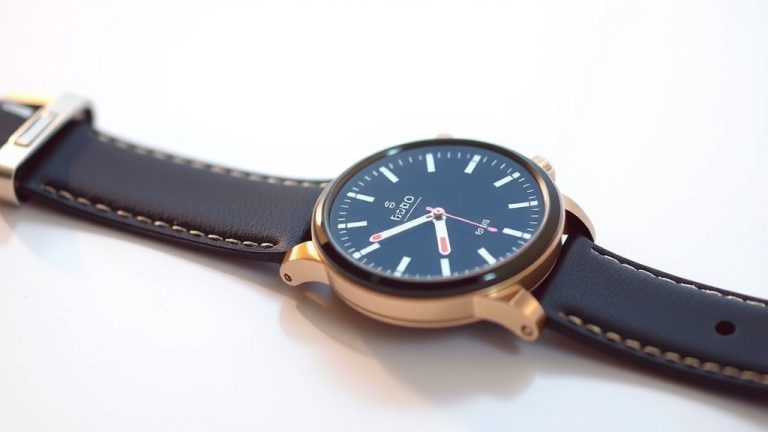
Smartwatches are like mini-computers on your wrist. They offer a wide range of features, from tracking your workouts to sending messages. The larger screen makes it easy to see notifications and interact with apps.
Features and Functionality Galore
Think of your smartwatch as your personal assistant. You can get text alerts, check the weather, control your music, and even make contactless payments. Many models can also track your sleep and heart rate, offering a good overview of your health.
App Ecosystem and Customization
One of the biggest draws of smartwatches is the ability to download and use apps. This lets you customize your device to fit your specific needs. You can add apps for fitness, productivity, or even games. We found that the variety of apps is a major plus for many users.
Display and Interaction
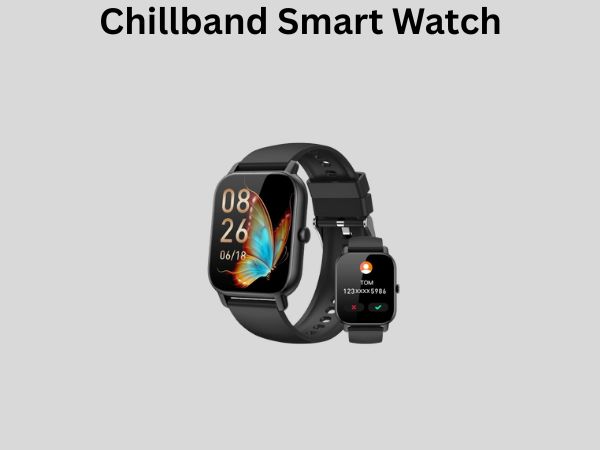
The screen is a key part of the smartwatch experience. You can easily read messages, view maps, and navigate menus. Interacting with your watch is usually done through touch and sometimes with physical buttons or a rotating crown. The screen is key for smartwatches, and if you want an easy to read screen, our guide to the best large smartwatches highlights devices with impressive displays.
Who Is a Smartwatch Best For?
If you love having all your information at a glance, a smartwatch is likely a great fit. It’s ideal for those who want to stay connected without constantly pulling out their phone. Fitness enthusiasts will also appreciate the advanced tracking capabilities. Many experts suggest smartwatches are excellent for users who value convenience and a broad feature set (Cleveland Clinic).
The Appeal of the Smart Ring
Smart rings are designed for a more subtle approach to wearable tech. They focus on essential health tracking and convenient features in a discreet package. You get the benefits of a connected device without the bulk of a watch.
Focus on Health and Wellness
Smart rings really shine when it comes to health monitoring. They typically track your heart rate, sleep patterns, body temperature, and activity levels. This data can give you a clear picture of your overall well-being over time. We found that the continuous tracking provides valuable insights into your body’s signals.
Discreet Design and Comfort
The minimalist design is a major advantage. A smart ring looks like regular jewelry, making it less conspicuous. It’s also incredibly comfortable to wear, especially for sleeping or during activities where a watch might feel cumbersome. Many users prefer this subtle approach.
Essential Features, Simplified
While they don’t have large screens for apps, smart rings excel at the basics. You’ll usually get sleep tracking, activity monitoring, and often contactless payment capabilities. Notifications are typically delivered through subtle vibrations. This simplified approach appeals to those who want less screen time.
Who Benefits Most from a Smart Ring?
If you prefer a minimalist lifestyle or find watches uncomfortable, a smart ring is worth considering. It’s perfect for people who want to track their health passively. It’s also a great option for those who want to make quick payments without reaching for their wallet or phone. Many find it ideal for sleep tracking because it’s so unobtrusive.
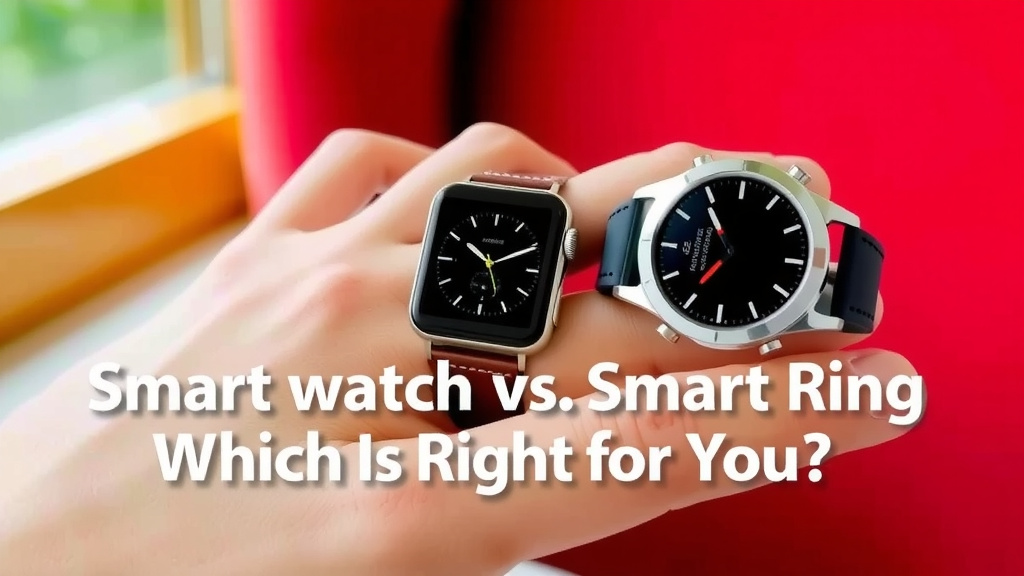
Key Differences at a Glance
Let’s break down the core distinctions to help you decide. Think about which aspects matter most to your daily life. We’ve outlined the main points below to make your choice easier.
| Feature | Smartwatch | Smart Ring |
|---|---|---|
| Screen Size & Display | Large, vibrant display for apps & notifications | No screen; relies on companion app for data |
| Primary Function | Communication, apps, notifications, fitness tracking | Health & sleep tracking, contactless payments |
| Design & Form Factor | Wrist-worn, can be bulky or stylish | Finger-worn, discreet and jewelry-like |
| Battery Life | Typically 1-2 days; some last longer | Typically 3-7 days; can vary widely |
| Interaction | Touchscreen, buttons, voice commands | Subtle vibrations, companion app controls |
| App Support | Extensive app store for customization | Limited to pre-installed functions; app-driven |
Battery Life Considerations
Battery life is often a deciding factor. Smartwatches, with their larger screens and more powerful processors, usually need charging daily. Some models can last two or even three days, but this is less common. Smart rings, on the other hand, often boast longer battery life, sometimes lasting a full week on a single charge. This is because they have fewer power-hungry components.
Connectivity and Notifications
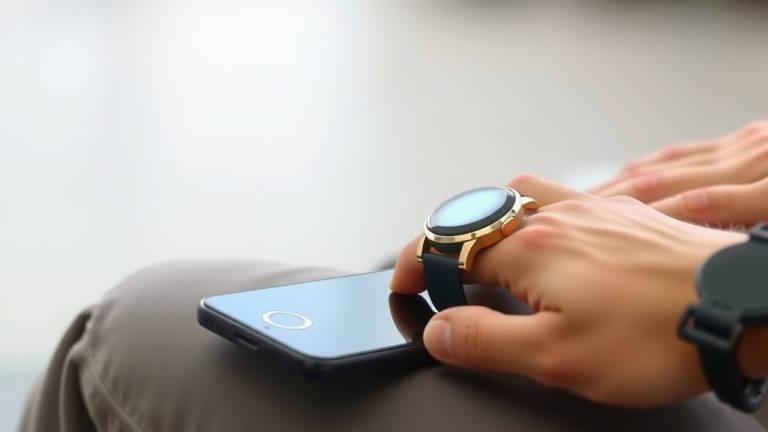
Both devices connect to your smartphone via Bluetooth. You’ll receive notifications on both, but how you see them differs greatly. A smartwatch will display texts, calls, and app alerts directly on its screen. A smart ring typically uses vibrations to alert you, and you’ll need to check your phone or the companion app for details. We found that for quick glances, smartwatches are more immediate.
Making Your Final Choice: A Quick Checklist
To help you narrow down your options, ask yourself these questions. Think honestly about how you live your life and what you want from a wearable device. Here’s a quick way to assess your needs:
- Do you want to use apps directly on your device?
- Is discreetness a top priority for you?
- Do you prefer to track sleep without wearing anything on your wrist?
- How important is having a large, easy-to-read screen?
- Are you looking for advanced fitness metrics or basic health insights?
- Do you want to make payments directly from your wearable?
By considering these points, you can better align your choice with your lifestyle and preferences. Both smartwatches and smart rings offer unique benefits, and the best one is truly the one that fits seamlessly into your day.
Conclusion
You’ve seen how smartwatches offer a feature-rich experience with their large screens and app support. Smart rings provide a more minimalist, health-focused approach with discreet tracking and longer battery life. Your choice hinges on whether you prioritize a mini-computer on your wrist or a subtle health companion on your finger. Think about your daily habits and what you want to accomplish with your wearable. We found that understanding these core differences is key to finding the device that truly fits your lifestyle. Ready to make a decision? Consider trying on both types to see how they feel before you buy.
Frequently Asked Questions
Can a smart ring replace my smartwatch entirely?
For most users, a smart ring cannot completely replace a smartwatch. While it excels at health tracking and notifications, it lacks the large screen and app ecosystem of a smartwatch. If you rely heavily on apps, detailed on-screen information, or extensive customization, a smartwatch is likely still your best bet.
Which type of wearable is better for sleep tracking?
Many people find smart rings to be better for sleep tracking because they are less intrusive. Their small size and comfortable fit mean you might forget you’re wearing one, even while you sleep. Smartwatches can also track sleep, but some users find them bulkier and less comfortable for overnight wear.
Do smart rings offer contactless payments?
Yes, many smart rings do offer contactless payment features, similar to smartwatches. You can often set up your payment information through the ring’s companion app. This allows for convenient, wallet-free transactions when you’re on the go.
How often do I need to charge a smart ring versus a smartwatch?
Generally, smart rings have a longer battery life than smartwatches. You might find yourself charging a smartwatch every one to two days, whereas a smart ring can often last three to seven days on a single charge. This difference is primarily due to their simpler functions and smaller components.
Can I get notifications on a smart ring?
You can receive notifications on a smart ring, but it’s a different experience than with a smartwatch. Instead of displaying the notification on a screen, smart rings typically use subtle vibrations to alert you. You would then check your phone or the companion app for the full details.