
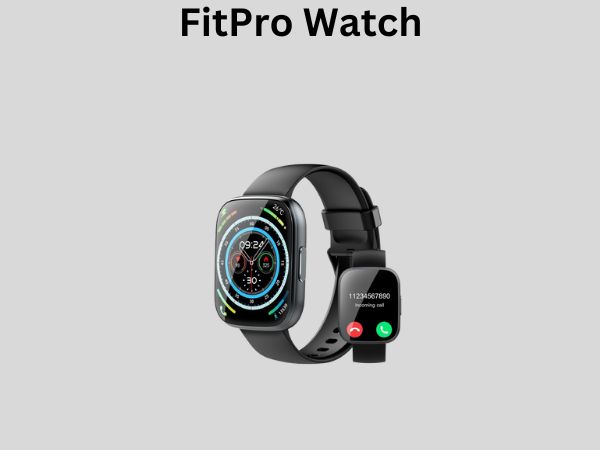
FitPro Smart Watch: How to Charge It Correctly – A Complete Guide
If you’ve just unboxed your shiny new FitPro smart watch, congratulations! You’re about to enter a world of fitness tracking, notifications, and convenient wearable technology. But before you start logging those steps and monitoring your heart rate, there’s one crucial thing you need to master: charging your device properly. Sounds simple, right? Well, it’s a bit more nuanced than you might think. In this comprehensive guide, I’m going to walk you through everything you need to know about charging your FitPro smart watch correctly, ensuring it stays healthy and performs at its best for years to come.
Understanding Your FitPro Smart Watch Battery
Let’s start with the basics. Your FitPro smart watch is powered by a lithium-ion battery, which is the same technology that powers your smartphone and countless other portable devices. Think of this battery as the heart of your watch—it’s what keeps everything running. Unlike the old alkaline batteries you might be familiar with from your childhood, lithium-ion batteries are rechargeable and have a specific lifespan that depends heavily on how you treat them.
The capacity of your FitPro’s battery is typically measured in milliampere-hours, or mAh. A higher mAh rating means your watch can run longer between charges. Most FitPro models come with batteries ranging from 200mAh to 500mAh, depending on the specific model and screen size. This might sound small compared to your phone’s battery, but remember, your smart watch doesn’t need to power a large display and processor-intensive applications all day long.
Why Battery Health Matters
Here’s something many people don’t realize: how you charge your device directly impacts how long that battery will last before it needs replacement. A battery that’s properly maintained can maintain 80% of its capacity even after 500 charge cycles. But if you charge it incorrectly, you might see that capacity drop dramatically within just a few months. It’s like the difference between taking care of a car and neglecting it—proper maintenance makes all the difference.
What You’ll Need Before You Start Charging
Before diving into the actual charging process, let’s make sure you have everything you need. It might seem straightforward, but using the right equipment is essential for safe and effective charging.
- The official FitPro charging cable that came with your watch
- A USB power adapter (preferably the one included in your package)
- A clean, dry surface to work on
- A dust-free cloth for cleaning charging contacts
- Access to a power outlet
I want to emphasize something important here: always use the official FitPro charging cable whenever possible. I know it’s tempting to use that universal USB cable lying around, but third-party chargers can sometimes provide inconsistent power delivery, which might damage your battery or slow down the charging process.
The Step-by-Step Charging Process
Step One: Inspect Your Charging Contacts
This is where many people stumble. Your FitPro smart watch has small metal contacts on the back that connect with the charging cable. Over time, these can accumulate dust, sweat, or residue from your skin. If these contacts aren’t clean, they won’t make proper contact with the charger, and your watch might charge slowly or not charge at all.
Take that soft, lint-free cloth I mentioned and gently wipe the charging contacts on the back of your watch. Be gentle—you’re not scrubbing a dirty pot. You’re just removing any buildup that might interfere with the electrical connection. If you notice stubborn residue, you can slightly dampen the cloth with distilled water, but make sure your watch is completely dry before proceeding to the next step.
Step Two: Prepare Your Charging Cable
Now let’s look at the charging cable itself. The pins on the cable that correspond to your watch’s contacts should also be clean and free of debris. If you notice any corrosion or buildup on the cable’s pins, use that same soft cloth to clean them gently. Again, we’re being very gentle here—excessive force can damage the delicate pins.
Step Three: Connect Your Watch to the Charger
Here’s where precision matters. Align the charging cable with the contacts on your watch. The cable should fit snugly against the back of your watch. You might notice a slight magnetic alignment feature on some FitPro models—this is designed to help you connect the charger correctly without struggling. Don’t force it. If it doesn’t align easily, you might be approaching from the wrong angle.
Once connected, you should see some visual indication that charging has begun. This might be an LED light on the watch face, a notification on the display, or both, depending on your specific FitPro model. Some watches show a charging animation, while others simply display the battery percentage increasing.
Step Four: Connect Your Power Adapter
Finally, plug your USB power adapter into a wall outlet. I recommend using a standard household outlet rather than a computer’s USB port, as the power delivery might be inconsistent from a computer. Let your watch charge undisturbed until you see that it has reached 100% battery capacity.
How Long Does FitPro Smart Watch Charging Take?
Most FitPro smart watches take between 1 to 2 hours to reach a full charge from completely empty. However, this can vary slightly depending on your specific model and the power output of your adapter. The good news is that these aren’t long waits—you can easily charge your watch overnight or during a meal.
One thing to keep in mind: the charging time might be longer if you’re using your watch while it’s charging. I know it’s tempting to check your notifications while the device charges, but this actually slows down the charging process. It’s like trying to fill a bathtub while the drain is partially open—it takes longer than necessary. For the fastest charging, put your watch into a low-power mode or simply let it rest while charging.
Optimal Charging Habits for Long Battery Life
The Sweet Spot: 20% to 80%
Here’s a pro tip that many smart watch users don’t know: your battery stays healthiest when you keep it between 20% and 80% capacity most of the time. I’m not saying you need to obsess over this constantly, but it’s something to be mindful of. Think of it like keeping your watch’s battery in the “comfort zone.” Regularly charging from 0% to 100% puts more stress on the battery than keeping it in this middle range.
That said, it’s perfectly fine to occasionally let your watch fully discharge and then do a complete charge. In fact, doing this once a month can actually help calibrate the battery and keep the percentage readings accurate. Just don’t make it a daily habit.
Avoid Extreme Temperatures During Charging
Lithium-ion batteries don’t appreciate extreme temperatures. Ideally, you should charge your FitPro smart watch in a cool, dry environment. Room temperature—around 68-72 degrees Fahrenheit—is perfect. Avoid charging in direct sunlight, near heat sources, or in very cold environments. If your watch has been exposed to extreme temperatures, give it a while to return to room temperature before charging.
I learned this the hard way once. I charged my watch right after coming in from a winter run without letting it warm up first. While nothing catastrophic happened, I noticed the charging took longer than usual, which suggests the battery was stressed. Now I always wait a few minutes for my watch to acclimate to room temperature before charging.
Don’t Leave It Plugged In Indefinitely
Once your watch reaches 100%, unplug it. Modern smart watches have smart charging systems that prevent overcharging, but there’s no benefit to leaving your device plugged in all day and all night. It’s an unnecessary strain on the battery. Charge it, let it reach full capacity, and then disconnect it. Simple as that.
Troubleshooting Common Charging Issues
Your Watch Won’t Charge at All
If your FitPro isn’t charging despite being connected to the charger, here’s what I recommend doing. First, try cleaning those contacts again. Sometimes, the issue is just a dirty connection. Second, try a different power outlet to rule out electrical problems. Third, check if the cable is damaged—look for any visible cracks, bends, or exposed wires. If the cable looks compromised, contact FitPro support for a replacement.
If none of these solutions work, there might be a deeper issue with your watch’s battery or charging circuit. In this case, you’ll likely need to contact customer support or consider a warranty claim if your watch is still within the warranty period.
Very Slow Charging Speed
Is your watch charging at a snail’s pace? Before you panic, consider these potential causes. First, the power adapter might not be delivering sufficient power. Try using the original adapter that came with your watch. Second, your watch might be running too many applications in the background. Close unnecessary apps and try again. Third, the battery itself might be aging, though this is less common in newer devices.
The Battery Drains Quickly After Charging
If you’re charging your watch fully but it’s dying quickly, the issue might be with battery health rather than the charging process itself. Check your watch’s settings to see which apps are consuming the most power. GPS and continuous heart rate monitoring are notorious battery drains. Consider disabling these features when you don’t need them.
Seasonal Charging Tips
Summer Charging Considerations
During summer months, your watch might get hotter than usual, especially if you’re exercising frequently. This heat can affect battery performance. After an intense workout, let your watch cool down for fifteen minutes before charging. Additionally, avoid charging your watch in direct sunlight. These simple steps can significantly extend your battery’s lifespan.
Winter Charging Recommendations
Cold weather presents its own challenges. Lithium-ion batteries perform less efficiently in cold temperatures. If you’ve been out in the cold, allow your watch to warm up to room temperature before charging. And remember to keep your watch on your wrist while it’s cold—body heat helps keep it warm.
Understanding Battery Capacity Degradation
Even with perfect care, your FitPro’s battery will gradually degrade over time. After about 300 to 500 complete charge cycles, you might notice your watch doesn’t hold a charge as long as it did when it was new. This is completely normal and doesn’t mean your watch is defective. It’s just the natural lifespan of lithium-ion batteries.
However, proper charging habits can slow down this degradation significantly. A well-maintained battery might retain 80% of its capacity after 500 cycles, while a poorly maintained battery might only retain 60% of its capacity after the same number of cycles. That’s a 20% difference that comes down entirely to how you charge your device.
When to Replace Your FitPro’s Battery
Eventually, your watch’s battery will age to the point where it needs replacement. You’ll know it’s time when your fully charged watch only lasts a few hours instead of the usual several days. When this happens, you have two options: contact FitPro support for a battery replacement service, or if your watch is out of warranty, consider purchasing a new model.
Battery replacement services vary in cost depending on your watch model, but they’re usually quite affordable—typically between $30 and $60. Compare this to the cost of a new watch, and you’ll see it’s worth it if your watch is otherwise functioning perfectly.
Advanced Charging Tips for Power Users
Scheduling Your Charges Wisely
If you’re someone who wears your FitPro 24/7 to track sleep and daily activity, you might want to develop a charging schedule. Some users prefer charging their watches every other night, even if they’re not completely drained. This keeps the battery in that sweet 20% to 80% range we discussed earlier. Others prefer letting it drain further before charging. Experiment and find what works best for your lifestyle.
Using Battery Saving Modes
Most FitPro models come with battery-saving modes or low-power modes that extend battery life. If you know you won’t have access to a charger for an extended period, enable these modes before you go out. They’ll disable some features, but they’ll ensure your watch lasts through your adventure.
Conclusion
Charging your FitPro smart watch correctly isn’t complicated, but it does require attention to detail and a basic understanding of how lithium-ion batteries work. By following the steps and tips I’ve outlined in this guide, you can ensure your device remains healthy and performs optimally for years to come. Remember to keep your charging contacts clean, charge in appropriate temperatures, avoid leaving your watch plugged in unnecessarily, and maintain the 20% to 80% battery habit whenever possible. Your FitPro is an investment in your health and fitness, so treat it with the care it deserves. Happy charging!
Frequently Asked Questions
Can I charge my FitPro smart watch with a regular smartphone charger?
It depends on the charger’s specifications. If your smartphone charger outputs the same voltage and amperage as the official FitPro charger, it might work, but there’s a risk of providing inconsistent power delivery. The safest option is always to use the official FitPro charging cable and adapter that came with your watch. Smartphone chargers are designed for different devices and might not provide the optimal power profile for your watch’s battery.
Is it safe to charge my FitPro while wearing it?
Yes, it’s perfectly safe to charge your FitPro while wearing it. The charging contacts are insulated and designed for safe operation. However, for optimal charging speed, I recommend removing your watch and placing it on a flat surface while charging. This allows the charger to make a secure connection without any movement that might disrupt the contact.
How often should I fully discharge my FitPro battery?
You don’t need to fully discharge your battery regularly. In fact, doing so frequently can be more stressful on the battery. However, doing a complete discharge and recharge once a month can help calibrate the battery’s capacity readings and keep them accurate. Beyond that monthly calibration, try to keep your battery between 20% and 80% whenever possible.
What should I do if my FitPro gets wet during charging?
Immediately disconnect the charging cable and unplug the power adapter. Let your watch dry completely before attempting to charge it again. Most modern FitPro models have water resistance, but that doesn’t necessarily mean they’re safe to charge while wet. Water can cause short circuits or corrosion of the charging contacts. Give everything at least 24 hours to dry completely before trying again.
Why does my FitPro charge faster on some days than others?
Several factors can influence charging speed, including ambient temperature, your watch’s current battery health, the power output of your adapter, and how much processing your watch is doing in the background. Extreme temperatures slow down charging, while cooler conditions speed it up. Additionally, if your watch is running multiple background processes or has been recently used extensively, it might charge more slowly initially. These variations are usually normal and nothing to worry about.
“`
—
## Article Outline Summary:
1. Introduction
2. Understanding Your FitPro Smart Watch Battery
– Why Battery Health Matters
3. What You’ll Need Before You Start Charging
4. The Step-by-Step Charging Process
– Step One: Inspect Your Charging Contacts


![7 Best Aviation Smart Watches [2026]](https://smartwatchbest.com/wp-content/uploads/2026/06/7-best-aviation-smart-watches-2026-featured-768x432.jpg)
![7 Best Smart Watch For Fitness And Health [2026]](https://smartwatchbest.com/wp-content/uploads/2026/09/7-best-smart-watch-for-fitness-and-health-2026-featured-768x432.jpg)