
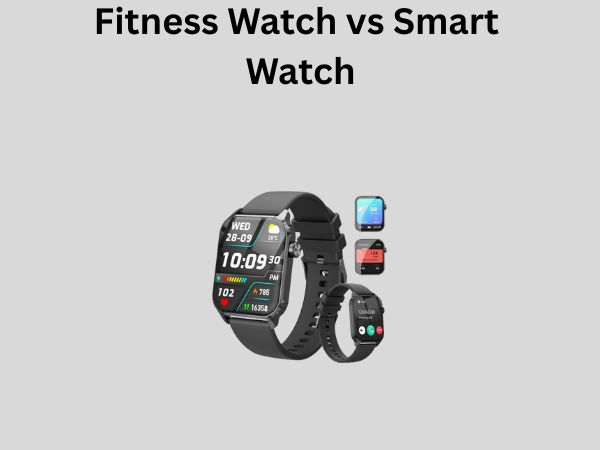
Fitness Watch vs Smart Watch: Which One Do You Really Need?
Have you found yourself standing in front of your computer, scrolling through dozens of wearable devices, wondering which one actually deserves a spot on your wrist? You’re not alone. The world of wearable technology has exploded over the past few years, and the lines between different device categories have become blurrier than ever. Two names keep popping up in every search result and comparison article: fitness watches and smart watches.
But here’s the thing—these two devices aren’t actually interchangeable, even though many people treat them as if they are. Think of it like the difference between a specialized running shoe and an all-purpose athletic sneaker. Both get you moving, but they serve distinctly different purposes. Understanding these differences is crucial before you spend your hard-earned money on a device that might not fit your lifestyle.
In this comprehensive guide, we’re going to break down everything you need to know about fitness watches versus smart watches. We’ll explore their strengths, weaknesses, and help you figure out which one actually makes sense for your daily life.
What Exactly Is a Fitness Watch?
The Focused Athlete’s Choice
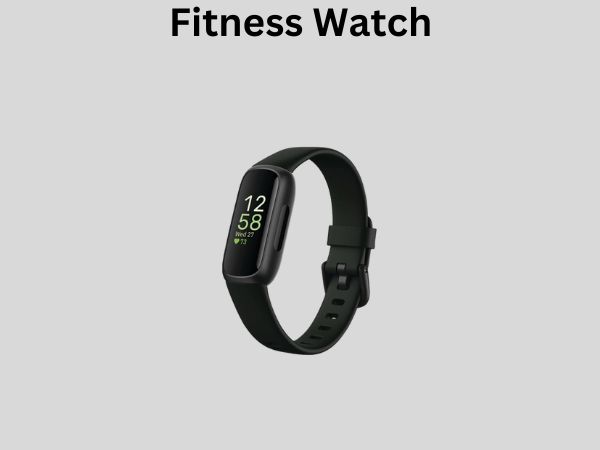
A fitness watch is essentially a specialized tool designed with one primary mission: helping you become a better version of yourself physically. These devices are laser-focused on health and exercise metrics. When you strap a fitness watch to your wrist, you’re essentially getting a personal trainer that never sleeps.
Fitness watches typically prioritize features like step counting, calories burned, heart rate monitoring, distance traveled, and workout tracking. They’re built for people who care deeply about their physical performance and want detailed insights into how their body moves throughout the day.
Key Characteristics of Fitness Watches
- Advanced exercise tracking with multiple activity modes
- Detailed health metrics and biometric data
- Long battery life, often lasting 5-7 days or more
- Rugged and durable construction
- Waterproof design suitable for swimming
- Minimal smartphone notifications
- Lightweight and comfortable for all-day wear
- More affordable price points compared to smart watches
Understanding Smart Watches
The All-In-One Wrist Computer
A smart watch, on the other hand, is like having a mini smartphone strapped to your wrist. It’s a jack-of-all-trades device that handles fitness tracking, sure, but also so much more. Smart watches are designed to keep you connected, informed, and entertained throughout your day.
These devices function as notification hubs, allowing you to receive calls, text messages, and app alerts directly on your wrist. They can run apps, make payments, control smart home devices, and even serve as standalone devices independent of your smartphone in many cases.
Key Characteristics of Smart Watches
- Full touchscreen display with color screens
- App ecosystem and third-party app support
- Phone call and messaging capabilities
- Mobile payment functionality
- Voice assistants like Siri or Google Assistant
- Music storage and playback
- Web browsing capabilities
- Shorter battery life, typically 1-3 days
- Higher price tag
- More advanced fitness tracking as a secondary feature
The Performance Showdown: Fitness Tracking Capabilities
Where Fitness Watches Dominate
When it comes to pure fitness tracking performance, fitness watches often take the crown. These devices dedicate their entire processing power to understanding your movement patterns, calculating calories, and monitoring your heart health. Brands like Garmin and Fitbit have spent years perfecting their algorithms specifically for fitness tracking.
Fitness watches typically offer more specialized workout modes. You’ll find options for running, cycling, swimming, hiking, strength training, and dozens of other activities. Each mode is optimized to give you the most accurate data for that particular exercise. If you’re serious about training, the granular details these devices provide can be genuinely eye-opening.
Smart Watches Catching Up
That said, modern smart watches have made impressive strides in fitness tracking. Devices powered by watchOS, Wear OS, and Samsung’s Tizen platforms now include sophisticated health monitoring features. They track your workouts, monitor your heart rate variability, and even detect irregular heartbeats.
The advantage smart watches have is integration. Your fitness data doesn’t exist in isolation—it syncs seamlessly with your phone, your other health apps, and your digital health ecosystem. However, the trade-off is that fitness tracking shares processor resources with other functions, potentially affecting accuracy in some cases.
Battery Life: A Critical Differentiator
The Battery Life Advantage of Fitness Watches
If you hate charging devices, fitness watches should immediately appeal to you. Most fitness watches can run for 5 to 14 days on a single charge. Some ultra-efficiency models can last even longer. This is because they use simpler, less power-hungry displays and dedicated processors optimized for battery conservation.
Imagine not thinking about your wearable’s battery status for two weeks straight. That’s the reality with most fitness watches. You could go on a week-long vacation and never worry about plugging in your device.
Smart Watch Battery Reality Check
Smart watches, conversely, are power hogs by comparison. Those beautiful full-color touchscreens and constantly running apps demand significant battery resources. Most smart watches need charging every evening or every other evening at best. Some premium options claim two-day battery life, but that’s the ceiling.
Is this a deal-breaker? It depends on your lifestyle. If you’re someone who charges your phone every night anyway, adding a smart watch to that routine isn’t a huge inconvenience. But if you’re looking for minimal maintenance, this is something to seriously consider.
Design Philosophy and Aesthetics
Fitness Watches: Function Over Fashion
Fitness watches prioritize functionality and practicality in their design. They tend to have simpler displays, often using e-ink or monochrome screens. The overall aesthetic is utilitarian—designed to appeal to athletes and fitness enthusiasts rather than fashion-conscious users.
That said, many modern fitness watches look completely acceptable as everyday watches. Brands have recognized that you don’t have to sacrifice style entirely for function. You’ll find fitness watches with various band options, color schemes, and case designs that look professional enough for office settings.
Smart Watches: The Fashion Statement
Smart watches are designed to be worn as actual watches, not just functional devices. Manufacturers collaborate with fashion designers, offer premium materials like stainless steel and titanium, and create attractive watch faces that change with your mood or outfit.
If you care about how your wearable looks—and let’s be honest, you’ll be wearing it in public—smart watches offer significantly more variety and style options. They can seamlessly transition from gym to boardroom to dinner without looking out of place.
Price Considerations: Getting Your Money’s Worth
Fitness Watch Affordability
Budget-conscious shoppers will appreciate fitness watches. You can find solid fitness watches in the $100-300 range that perform excellently. Premium fitness watches might reach $500, but you’re paying for advanced features rather than brand prestige.
This lower price point makes fitness watches accessible to more people. You don’t need to make a major financial commitment to get a quality health tracking device.
Smart Watch Investment
Smart watches come with a higher price tag. Entry-level models start around $200-300, while mid-range options hover between $400-700. Premium models can exceed $1000, especially if you’re looking at brand-name options like Apple Watch or high-end Samsung devices.
The question is whether the additional features justify the price difference for you. If you use email, messages, and app notifications extensively throughout your day, that value might be obvious. If you mainly want to track your steps, you might feel like you’re overpaying.
Health Monitoring and Accuracy
Comprehensive Health Features in Fitness Watches
Modern fitness watches have evolved beyond simple step counting. They now offer blood oxygen monitoring, sleep tracking, stress level analysis, menstrual cycle tracking, and even ECG capabilities in some cases. These aren’t secondary features—they’re core functionality.
The accuracy of these measurements varies. Heart rate monitoring is generally reliable, though it’s not perfect. Sleep tracking can provide useful trends, though it’s less precise than dedicated sleep analysis devices. Overall, fitness watches give you a pretty comprehensive picture of your health.
Smart Watch Health Integration
Smart watches offer similar health monitoring features, often with the added benefit of tighter integration with smartphone health apps and your overall digital ecosystem. You can share health data with your doctor more easily, view trends across multiple platforms, and get notifications for concerning health metrics.
The actual sensors are often comparable to fitness watches, so the accuracy isn’t dramatically different. The main advantage is convenience and integration rather than superior hardware.
Notifications and Connectivity Features
Fitness Watches: Minimal Distraction
Fitness watches typically offer basic notification capabilities. You might get alerts for incoming calls or text messages, but you can’t respond directly from most fitness watches. This minimalist approach is intentional—it keeps you focused on your workout without smartphone distractions.
For some people, this limited connectivity is actually a feature, not a drawback. If you find yourself glued to your phone notifications, a fitness watch that doesn’t facilitate constant connectivity might be exactly what you need.
Smart Watches: Constant Connection
Smart watches are designed to keep you perpetually connected. You can read full emails, reply to messages, take calls, and interact with apps. They’re designed as smartphone extensions that let you access information without pulling your phone out of your pocket.
For busy professionals, this connectivity is invaluable. You can stay on top of communications without the distraction of looking at a larger screen. However, if you’re trying to reduce digital distractions, a smart watch might work against your goals.
App Ecosystem and Customization
Fitness Watch App Experience
Fitness watches have more limited app ecosystems compared to smart watches. Most third-party functionality comes through companion mobile apps rather than apps running directly on the watch. However, the apps that do exist are typically focused on health and fitness, which aligns perfectly with the device’s primary purpose.
Customization options are limited compared to smart watches, but many users find this simplicity refreshing. You get what you need without unnecessary bloat.
Smart Watch Software Flexibility
Smart watches offer significantly more customization. You can install apps from app stores, customize watch faces extensively, and choose how the device behaves. Want a weather app? A restaurant finder? A meditation app? There’s likely an option available.
This flexibility is powerful if you want your watch to serve multiple purposes. However, it also means more options to sift through, more updates to manage, and potentially more bugs to encounter.
Durability and Water Resistance
Built Tough: Fitness Watch Durability
Fitness watches are engineered for rugged use. They’re typically more drop-resistant, scratch-resistant, and built with durability as a priority. Many have serious water resistance ratings, making them suitable for swimming, snorkeling, and water sports.
The simpler electronics and lack of complex displays mean fewer things can go wrong. These devices are built to last, and many users report using their fitness watches for several years without issues.
Smart Watch Durability Trade-offs
Smart watches are more delicate. Those beautiful full-color displays are more prone to damage. The more complex electronics create more potential failure points. Many users find they need to replace smart watches every 2-3 years, whereas fitness watches might last 4-5 years.
That said, modern smart watches do offer good durability for everyday use. They’re not fragile devices—just less robust than their fitness watch counterparts.
Operating Systems and Ecosystem Lock-in
Fitness Watch Independence
Most fitness watches work with both iOS and Android phones, giving you flexibility in choosing your smartphone. They typically don’t lock you into a particular ecosystem. You can switch phone brands without worrying about your watch becoming incompatible.
Smart Watch Ecosystem Considerations
Smart watches often work best with specific phone operating systems. Apple Watch works best with iPhones, Wear OS watches work best with Android, and Samsung watches integrate most seamlessly with Samsung phones. You can often use them with other platforms, but you’ll lose functionality and convenience.
This ecosystem lock-in means your smart watch choice influences your long-term technology decisions, which is worth considering.
Making Your Decision: Fitness Watch or Smart Watch?
Choose a Fitness Watch If You…
- Prioritize health and fitness tracking above all else
- Want a device that lasts days or weeks between charges
- Prefer minimal distractions and notifications
- Are budget-conscious and want to spend less than $300
- Participate in water sports or swimming regularly
- Want your device to look professional but don’t need fashion-forward design
- Plan to keep your device for many years
- Want accurate, specialized fitness metrics
Choose a Smart Watch If You…
- Want a comprehensive device that handles communication and apps
- Prefer having a full-featured wearable computer on your wrist
- Don’t mind charging your device daily
- Value fashion and design aesthetics
- Want mobile payments and digital wallet functionality
- Need to stay constantly connected to notifications and messages
- Appreciate app variety and customization options
- Are already invested in a specific smartphone ecosystem
The Hybrid Approach
Here’s a thought: you don’t have to choose just one. Some people wear a fitness watch for workouts and sleep tracking, then switch to a smart watch for social and professional settings. It’s not the most economical approach, but it does give you the best of both worlds if you have the budget.
Emerging Trends in Wearable Technology
Fitness Watches Gaining Smart Features
The lines between these categories continue to blur. Modern fitness watches are

![7 Best Sleep Tracking Smart Watch [2026]](https://smartwatchbest.com/wp-content/uploads/2026/08/7-best-sleep-tracking-smart-watch-2026-featured-768x432.jpg)