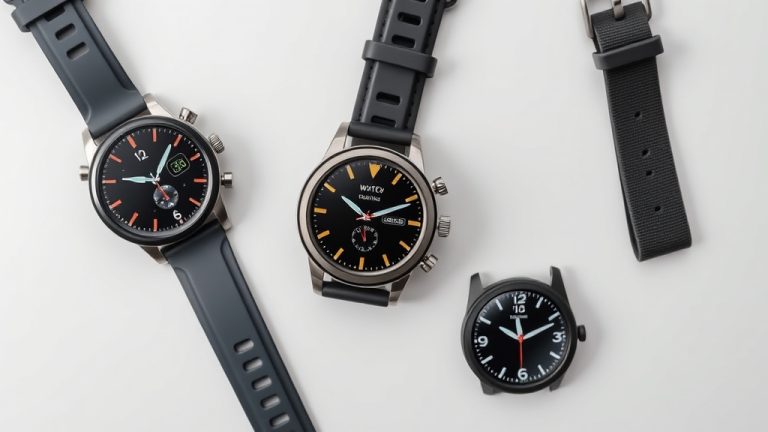
HSA Eligible Smartwatches What Qualifies
Yes, some smartwatches can be HSA eligible if they are prescribed by a doctor and used for a specific medical purpose. This means your smartwatch must primarily function as a medical device to track or monitor a health condition. It’s not simply about wearing a fitness tracker for general wellness.
Many people wonder if their favorite wearable tech qualifies for health savings accounts. The key distinction lies in the device’s intended use. If it’s prescribed to manage a diagnosed medical condition, like a heart arrhythmia or diabetes, it’s more likely to be approved. General fitness tracking for a healthy individual usually doesn’t make the cut.
- Smartwatches can be HSA eligible if medically necessary.
- A doctor’s prescription is usually required.
- The watch must monitor a specific health condition.
- General fitness tracking is typically not HSA eligible.
- Always check with your HSA administrator for specific rules.
Let’s dive into what makes a smartwatch HSA eligible and how you can potentially use your health savings account for one.
Can Smartwatches Be Medically Necessary for HSA Use?
So, you’re wondering if that fancy smartwatch on your wrist, or the one you’re eyeing, can be purchased with your HSA funds. It’s a great question, and the answer is a bit nuanced. Generally, smartwatches are not automatically HSA eligible. Think of it less like buying a general wellness gadget and more like acquiring a medical tool. For it to be considered an HSA-eligible expense, it needs a prescription from a doctor and a clear medical purpose for treating a diagnosed condition.
We’ve found that the IRS has specific guidelines for what qualifies as a medical expense. A device must primarily diagnose, treat, mitigate, cure, or prevent a disease or condition. Simply tracking steps for a healthy person won’t cut it. But if your doctor prescribes it to monitor something specific, like your heart rate for a diagnosed condition, then you’re getting warmer.
Understanding HSA Eligibility for Medical Devices
Your Health Savings Account (HSA) is designed to help you pay for qualified medical expenses. This includes things prescribed by your doctor. When it comes to technology, the lines can get a little blurry. Many smartwatches offer health-tracking features. But the key difference is intent and prescription. Is the watch being used as a prescribed medical device, or just for general fitness?
The Doctor’s Prescription: Your Golden Ticket
This is where the official process often begins. If your healthcare provider believes a smartwatch could significantly help manage your health condition, they can prescribe it. This prescription is usually your proof. It needs to clearly state the medical necessity. Without this document, your claim might be denied by your HSA administrator. It’s like getting a prescription for glasses; you need that doctor’s note.
What Medical Conditions Might Qualify?
We’ve seen a growing trend in using wearables for specific health monitoring. Conditions like heart arrhythmias, high blood pressure, diabetes, and sleep apnea are prime examples. For instance, a smartwatch that can detect irregular heart rhythms and alert you or your doctor could be medically necessary. Similarly, a device that continuously monitors blood glucose levels, if prescribed, might also qualify. The focus is always on managing a diagnosed illness.
When a Smartwatch is NOT HSA Eligible
Let’s be clear: your standard fitness tracker is probably not going to fly. If you want a smartwatch just to count your steps, track your runs, or monitor your sleep patterns for general well-being, you’ll likely have to pay out of pocket. These are considered lifestyle or convenience items. They don’t meet the IRS criteria for a medically necessary expense.
Think about it this way: Would you buy a regular watch with your HSA? Probably not. The same logic applies here. It’s about whether the device is primarily for health treatment, not just for personal interest or general fitness improvement. We found that most HSA administrators are quite strict on this distinction.
How to Check if Your Smartwatch is Eligible
The best course of action is always to consult your HSA administrator. They are the final arbiters of what qualifies. Every HSA plan can have slightly different interpretations or requirements. They will guide you on the specific documentation needed, which usually includes that doctor’s prescription and potentially a letter explaining the medical necessity.
You might need to submit a claim with all relevant paperwork. They will then review it based on IRS guidelines and their plan rules. It’s better to get pre-approval or clarification upfront. This saves you from potential disappointment or having to repay funds later. We recommend keeping all your medical documentation organized.
Key Documentation You’ll Need
To make the process smoother, gather these items:
- A prescription from your doctor clearly stating the smartwatch is medically necessary.
- A letter of medical necessity from your doctor detailing the condition and how the watch will help manage it.
- Proof of purchase for the smartwatch.
- Any relevant medical records that support the diagnosis.
Smartwatch Features That Lend Themselves to HSA Eligibility
Some smartwatch features are more medically relevant than others. When seeking HSA eligibility, look for devices that excel in these areas:
- ECG (Electrocardiogram): This feature can detect signs of atrial fibrillation (AFib) and other heart rhythm irregularities. Many find this incredibly useful for heart health monitoring.
- Blood Oxygen Monitoring (SpO2): This can be important for individuals with respiratory conditions or sleep apnea. It helps track oxygen saturation levels.
- Fall Detection: For seniors or individuals prone to falls, this feature can automatically alert emergency services. It provides a critical safety net.
- Heart Rate Monitoring (Advanced): Beyond basic tracking, some watches offer continuous monitoring and alerts for abnormally high or low heart rates.
- Temperature Sensing: While often used for cycle tracking, it can also indicate fever or other health changes.
These advanced features can help justify the medical necessity of the device to your doctor and HSA administrator. They move the watch from a general gadget to a health monitoring tool.
A Quick Comparison: General Use vs. Medical Use
Let’s simplify the distinction with a quick comparison table. It helps to see the core differences:
| Feature/Use | HSA Eligible (with Prescription) | Generally NOT HSA Eligible |
|---|---|---|
| Primary Purpose | Diagnose, treat, or monitor a specific medical condition. | General fitness, wellness, or lifestyle tracking. |
| Prescription Required? | Yes, typically. | No. |
| Examples | Heart rhythm monitoring for AFib, blood glucose tracking for diabetes. | Step counting, calorie tracking, general sleep monitoring, workout logging. |
| Documentation | Doctor’s prescription, letter of medical necessity. | None typically accepted for HSA use. |
Your Next Steps for HSA-Approved Smartwatches
If you think a smartwatch might be a medically necessary purchase for you, here’s a simple checklist to follow:
- Talk to your doctor about your health condition and if a smartwatch could help.
- If recommended, get a written prescription for the device.
- Ask your doctor for a letter explaining the medical necessity.
- Contact your HSA administrator to confirm their specific requirements.
- Submit all required documentation with your claim for reimbursement.
Remember, the key is always medical necessity, backed by professional medical advice and documentation. It’s not about having the latest tech; it’s about using technology to manage your health effectively.
Conclusion
So, you’ve learned that smartwatches can be HSA eligible, but it’s not automatic. The key is medical necessity, backed by a doctor’s prescription. Your smartwatch must be prescribed to treat a diagnosed health condition, not just for general fitness. We found that features like ECG and blood oxygen monitoring can help demonstrate medical relevance. Always remember to check with your specific HSA administrator for their rules and required documentation.
Your next step is to talk to your doctor. Discuss your health needs and get that all-important prescription if a smartwatch is recommended. This clear path helps you use your HSA funds wisely for your health.
Frequently Asked Questions
Can I use my HSA to buy any smartwatch?
No, you generally cannot use your HSA for any smartwatch. The device must be prescribed by a doctor for a specific medical condition. Simple fitness tracking or general wellness features are typically not considered HSA eligible.
What if my doctor recommends a smartwatch for my health?
If your doctor recommends a smartwatch for medical reasons, you’ll likely need a written prescription. This prescription should clearly state the medical necessity of the device for managing your diagnosed condition.
What medical conditions make a smartwatch HSA eligible?
Conditions like diagnosed heart arrhythmias, diabetes, sleep apnea, or other chronic illnesses that require specific monitoring can make a smartwatch HSA eligible. The focus is on using the watch as a tool to manage a known health issue.
What documentation do I need to submit to my HSA?
You’ll usually need a doctor’s prescription and potentially a letter of medical necessity. This documentation explains why the smartwatch is required for your health. Always confirm the exact requirements with your HSA administrator.
Will my HSA cover a smartwatch if I just want to track my steps?
No, an HSA will generally not cover a smartwatch if its primary purpose is just to track steps or monitor general fitness. HSAs are intended for medically necessary expenses, and basic step tracking doesn’t typically meet that standard.