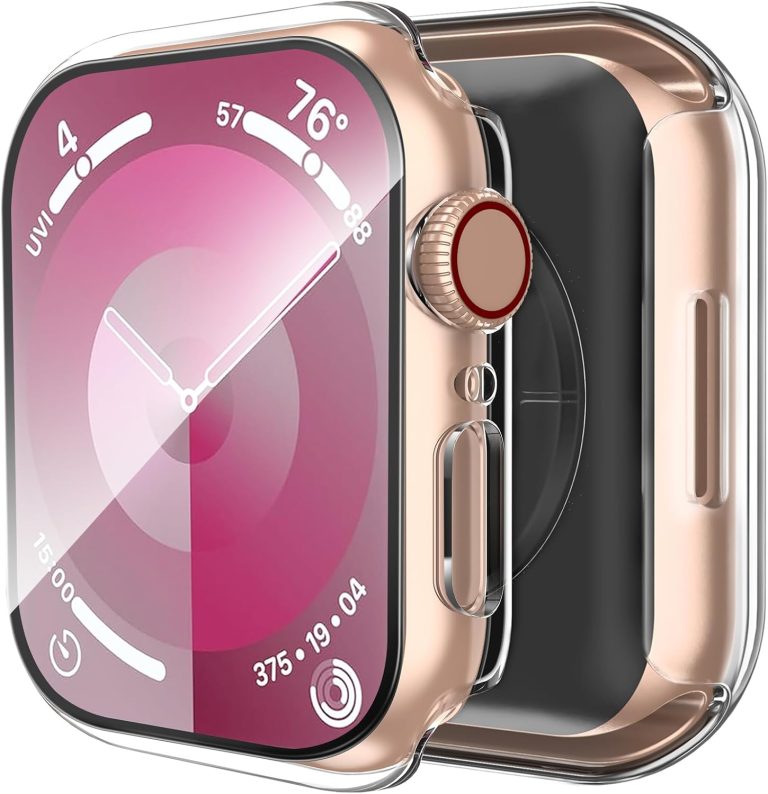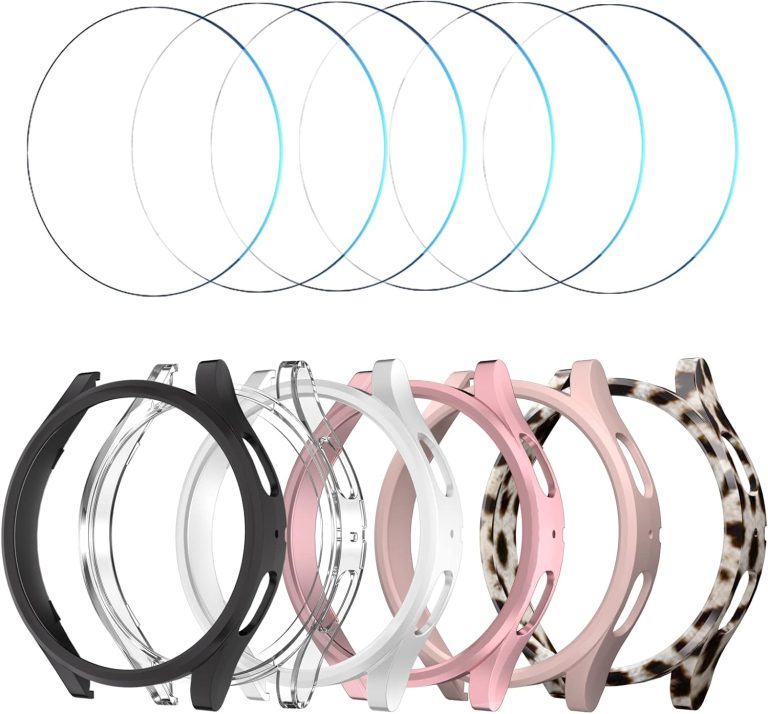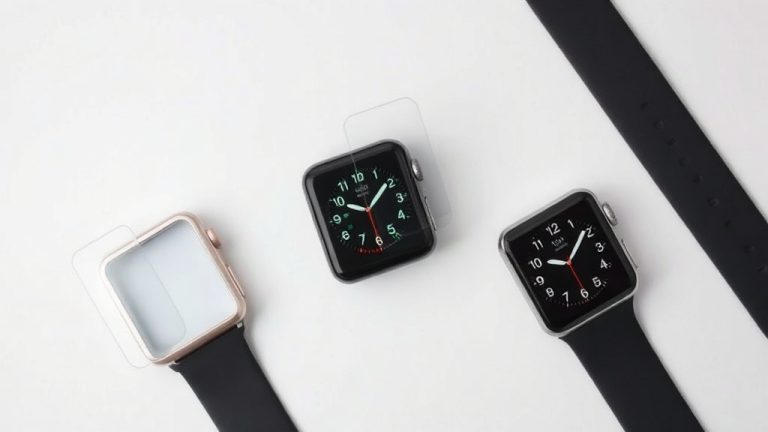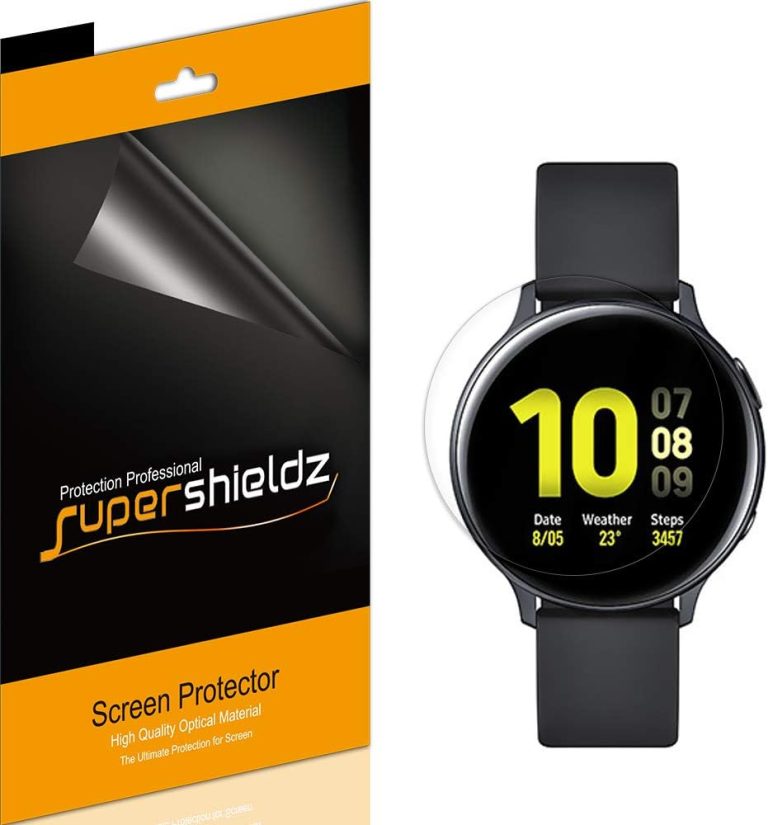
Do You Need an Apple Watch Screen Protector?
Yes, your Apple Watch needs a screen protector, but it’s not absolutely required for everyone. We found that the aluminum models scratch more easily than the stainless steel or titanium versions. A thin film protector is a cheap way to keep that bright display looking flawless.
Think about how often you bump your wrist into door frames, countertops, and car doors. The watch face is exposed to daily wear and tear that you barely notice. A screen protector adds a layer of defense against micro-scratches and minor impacts. It’s a simple decision that protects your investment and keeps your watch looking new.
- Scratch risk: Aluminum models scratch easier than steel or titanium.
- Best option: Flexible film protectors are easy to apply and barely noticeable.
- Durability: The Ion-X glass on cheaper models is less shatter-resistant.
- Sapphire glass: Found on premium models, resists scratches but can crack.
- Cost: Screen protectors cost under $15 and save you from costly repairs.
Below, we break down the different types of protectors, how to pick the right one, and easy tips for a bubble-free installation. Let’s walk through exactly what your Apple Watch needs so you can wear it without worry.
Do You Really Need a Protector for Your Apple Watch Screen?
We found that the answer is a clear yes for most people. The reality is that your wrist hits things all day long. You might not feel it, but your watch does.
Think of your Apple Watch like the phone in your pocket. You wouldn’t dream of using that phone without a case, right? The watch deserves the same level of care. It is a $300 to $800 investment sitting right on your wrist, wide open to danger.
Why the Aluminum Model Needs More Protection
If you own the standard aluminum Apple Watch, your screen is made of Ion-X glass. This glass is strong, but it is not the hardest material out there. Many experts say that Ion-X glass is more prone to scratches than the sapphire found on pricier models.
We found that daily dust and sand can leave tiny marks on this glass. Once a scratch appears, you cannot buff it out. You are stuck looking at that flaw for the life of the watch. A simple protector prevents this headache entirely.
The Truth About Sapphire Glass on Premium Models
Now, let’s talk about the stainless steel and titanium models. These come with sapphire crystal display glass. Sapphire is incredibly scratch-resistant. In fact, it ranks just below diamond on the hardness scale.
But here is the catch. Sapphire is more brittle than the Ion-X glass. It resists scratches, but it can shatter on hard impacts. A sharp blow to the wrist could crack the screen. We found that a protector adds a layer of shock absorption that sapphire lacks on its own.
What Happens When You Skip the Screen Protector
You might think you are careful. Most people do. But accidents happen in the blink of an eye. We found that the most common damage happens during simple, everyday tasks.
Imagine reaching into a crowded purse or backpack. Your keys scrape against the face. Or maybe you brush against a brick wall while walking. These moments happen fast. The result is often a deep scratch that ruins the look of your watch.
The cost of repair is another reason to think twice. Apple charges a hefty fee for screen replacement if you do not have AppleCare+. That fee can be more than half the price of a brand-new watch. A $10 screen protector is a much smarter financial move.
The Hidden Danger of Micro-Scratches
You might not notice a tiny scratch right away. But over time, these micro-scratches build up. The screen starts to look hazy and dull. It becomes harder to read your messages in bright sunlight.
We found that these small imperfections also reduce the resale value of your watch. If you like to upgrade every couple of years, a pristine screen is essential. Buyers look closely at the display before they make an offer. A scratched screen can drop your trade-in value significantly.
Film Protectors vs. Glass Protectors
You have two main choices when it comes to protecting your watch. There are flexible film protectors and tempered glass protectors. Each type has its own set of strengths. Let’s break them down so you can pick the right one.
Flexible Film Protectors
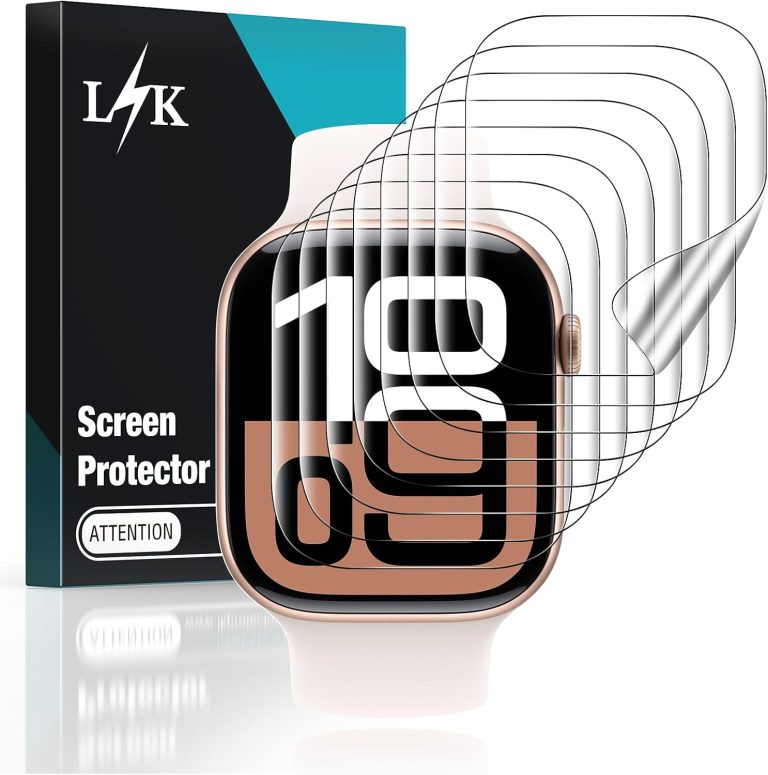
These are thin, plastic-like layers that stick directly to your screen. We found that they are the most popular choice for Apple Watches. They are lightweight and almost invisible once applied.
- Shock absorption: Film does not absorb impact well. It is mostly for scratch protection.
- Coverage: It can wrap around the curved edges of the watch face.
- Feel: It feels smooth, but not exactly like the bare glass.
- Durability: It can peel at the corners if you wear your watch during intense workouts.
Tempered Glass Protectors
These are thin pieces of real glass that sit on top of your screen. They offer better impact protection than film. However, they have a major downside on curved screens.
We found that tempered glass protectors often have adhesive only on the edges. This leaves a small air gap in the center. That gap creates a rainbow effect and reduces touch sensitivity. It can also make tapping the screen feel less responsive.
Which One Should You Choose?
For most people, we recommend a high-quality film protector. It offers solid scratch protection and hugs the curved display perfectly. If you work in construction or do heavy physical labor, a glass protector might be worth the trade-offs. Our guide to the best Apple Watch screen protectors compares top-rated film and glass options.
Think about your daily environment. Do you spend time at a desk? Are you outdoors a lot? Match the protector to your lifestyle, and you will be happy with the result.
Key Features to Look For in a Protector
Not all screen protectors are created equal. Some are flimsy and hard to apply. Others are thick and ugly. We found that a few key features separate the good from the bad.
First, look for an oleophobic coating. This coating repels oils from your fingers. It prevents smudges and makes the screen easier to clean. Without it, your watch face will look greasy all the time.
Second, check the thickness. The best protectors are incredibly thin, around 0.1mm. Thicker protectors look bulky and can interfere with the touch screen. You want a protector that disappears once it is on.
Application Method Matters
Nobody wants a screen protector full of bubbles. We found that the easiest protectors come with an installation tray or frame. This tool snaps onto your watch and aligns the protector perfectly.
Some protectors use a wet application method. You spray a solution, slide the film into place, and squeegee out the water. This method allows you to fix mistakes before the adhesive sets. Dry application is quicker, but it leaves less room for error.
How to Apply a Screen Protector Without Bubbles
Applying a screen protector is not hard. But it does require a clean workspace and steady hands. We found that following a specific order makes the process almost foolproof.
Start by washing your hands with soap and water. This removes oils that can leave fingerprints. Then, clean the watch screen with the alcohol wipe included in the box. Follow that with the dry cloth to remove any dust or lint.
The Dust-Free Zone Trick
Dust is your biggest enemy during installation. Even a single speck of dust will create a bubble that you cannot remove. Many experts say that applying the protector in a steamy bathroom helps. The steam makes dust particles heavy so they fall to the ground.
If you see dust on the adhesive, use the included sticker to lift it off. Do not use your finger. Your finger will only add more oil to the sticky surface. Take your time and work slowly.
Aligning the Protector
Most modern protectors are shaped exactly like the watch face. Line up the edges carefully before letting the adhesive touch the screen. Once it makes contact, you cannot reposition it easily.
Use the hinge method if you have a film protector. Peel back half of the backing paper. Stick that half down. Then, slowly peel the rest while smoothing with a cloth. This method prevents bubbles from forming in the first place.
Daily Care Tips for Your Watch Screen
Once your protector is on, you still need to care for the screen. A protector is not a magic shield. It handles the heavy lifting, but basic hygiene keeps things looking great.
Wipe your watch screen daily with a soft, lint-free cloth. This removes sweat, dust, and grime that build up during the day. We found that a microfiber cloth works best for this task. Keep one in your desk drawer or gym bag.
What to Avoid
Do not use harsh chemicals to clean your watch. Things like window cleaner or alcohol can wear down the oleophobic coating on the protector. This makes the screen more prone to smudges over time.
Stick to water or a specialized screen cleaner. Many experts say that a slightly damp cloth is all you need. Dry it immediately with a separate cloth to prevent streaks.
When Should You Replace Your Protector?
Screen protectors do not last forever. They take the damage so your watch does not. Over time, you will notice scratches on the protector itself. That is a good sign. It means the protector is doing its job.
We found that most protectors need replacing every 3 to 6 months. If you see deep scratches, peeling edges, or bubbles, it is time for a new one. The protector is cheap. Do not let a worn-out one ruin your viewing experience.
Your Simple Protection Checklist
Before you buy a protector, run through this quick checklist. It will help you pick the right one and apply it successfully the first time.
- Match your model: Buy a protector made specifically for your Apple Watch size and series.
- Check for a tray: Look for kits that include an alignment tool for easy installation.
- Look for oleophobic coating: This keeps fingerprints and smudges away.
- Buy a multi-pack: You will want a backup for when the first one wears out.
- Clean your watch first: Always install on a clean, dust-free screen.
- Test the touch screen: After installation, make sure swipes and taps still work perfectly.
Comparing Protector Types at a Glance
If you are still torn between film and glass, this table might help you decide. We found that thinking about your priorities makes the choice much easier.
| Feature | Film Protector | Glass Protector |
|---|---|---|
| Scratch protection | Good | Excellent |
| Impact protection | Minimal | Good |
| Edge coverage | Perfect | Poor |
| Touch sensitivity | Great | Can be affected |
| Appearance | Invisible | Slightly visible |
| Price | Cheap | Moderate |
The Final Call on Screen Protection
You have all the facts now. We found that the peace of mind is worth the small cost. A screen protector is one of the cheapest accessories you can buy for your watch.
It takes five minutes to install and lasts for months. That is a tiny investment of time and money for the protection of a device you wear every single day. Your future self will thank you when the screen still looks brand new.
Conclusion
You wear your Apple Watch every single day. That means it takes a beating you probably do not even notice. A simple film protector is the easiest way to keep that screen looking brand new.
We found that the aluminum model is the most at risk. But even the sapphire glass on premium versions can crack on impact. Spending under $15 now saves you from a repair bill that could top $300 later.
Grab a quality film protector that matches your exact watch model. Apply it in a steamy bathroom using the tray method. You will forget it is even there, and your watch will stay flawless for years.
Frequently Asked Questions
Will a screen protector mess up the touch screen on my Apple Watch?
No, a quality film protector will not interfere with touch sensitivity. We found that cheap glass protectors sometimes cause issues because of the air gap on curved screens. Stick with a thin film from a reputable brand and you will not notice any difference in responsiveness.
How long does an Apple Watch screen protector actually last?
Most film protectors last between 3 and 6 months with daily wear. We found that heavy workouts and frequent hand washing can shorten that lifespan. When you see peeling corners or deep scratches on the protector, it is time to swap in a fresh one.
Can I use an Apple Watch with a cracked screen protector?
Yes, you can keep using it, but you should replace it quickly. A cracked protector still offers some protection, but the integrity is compromised. We found that a cracked protector can also catch on clothing and peel off completely. Swap it out as soon as you notice any damage.
Does AppleCare+ cover scratches on my Apple Watch screen?
AppleCare+ does not cover cosmetic damage like scratches. It only covers accidental damage from drops or impacts, and you still pay a service fee. We found that a screen protector is a smarter investment because it prevents the scratches Apple will not fix.
Is it hard to remove a film screen protector from my Apple Watch?
Removal is actually very easy. You just lift a corner with your fingernail and peel it off slowly. We found that any sticky residue can be cleaned with a damp cloth. Your watch screen will look just like it did the day you bought it.