Does Apple Watch Need Tempered Glass? Pros & Cons
No, your Apple Watch does not strictly need a tempered glass screen protector. The display is already made with super-durable sapphire crystal or Ion-X glass, which handles everyday scratches well. We found that most people can skip the extra layer entirely and still keep their watch looking great for years.
That said, a screen protector can be a smart safety net for some folks. If you are rough on your gear, work with your hands, or just want total peace of mind, a thin film or tempered glass shield adds a cheap layer of defense. The real trick is knowing your watch model and your own daily habits before you decide.
- Instant answer: A tempered glass protector is optional, not a must-have.
- Built-in toughness: Sapphire crystal (on higher-end models) resists scratches better than most glass.
- Your call: Active folks and clumsy users benefit the most from a protector.
- Watch out: Tempered glass can crack easier than the watch face itself, but it saves the screen.
- Our take: Start without one, and add it only if you notice scratches.
Below, we break down the differences between the screen types, how we tested their durability, and exactly which situations make a protector worth it. Let’s help you figure out the best move for your wrist.
Deciding if Your Apple Watch Needs Extra Screen Protection
You have probably asked yourself this the moment you unboxed your new watch. The answer depends on two things: which Apple Watch model you own and how you live your day-to-day life. We found that understanding the glass itself is the fastest way to settle this debate.
The Apple Watch is not like your phone. It sits on your wrist, which means it bumps into door frames, countertops, and gym equipment far more often than your iPhone does. That constant contact makes the screen protection question worth a closer look.
Your Watch Model Matters More Than You Think
Apple uses two very different types of display glass across its lineup. Knowing which one you have is the single biggest factor in your decision. The cheaper models use Ion-X glass, while the premium models use sapphire crystal.
We found that most people do not know which screen they actually have. You can check your model number in the Settings app on your watch. Once you know that, the choice becomes much clearer.
Sapphire Crystal on Premium Models
Sapphire crystal is incredibly hard. It ranks a 9 out of 10 on the Mohs hardness scale, which measures scratch resistance. Only a diamond can reliably scratch it. This is the same material used in high-end luxury watches and even some aerospace applications.
Experts say that sapphire is nearly immune to everyday scratches. Keys, coins, and even sand will rarely leave a mark. If you own an Apple Watch Edition, a stainless steel model, or the Ultra series, you already have the toughest screen Apple offers.
Ion-X Glass on Standard Models
The standard aluminum Apple Watch models use Ion-X glass. This is a chemically strengthened glass that is very similar to what is on your iPhone. It handles drops and impacts better than sapphire, but it scratches more easily.
We found that sand and other tiny particles are the biggest threat to Ion-X glass. A single grain of sand in your pocket can leave a small scratch. If you have an aluminum watch, a protector makes more sense than it does for sapphire models.
The Real Durability Test Behind the Glass Types
You might wonder how these screens actually hold up in the real world. We looked at how each material handles the two main threats: scratches from sharp objects and cracks from impacts. The results might surprise you.
The trade-off is simple. Sapphire resists scratches but is more brittle. Ion-X flexes more under pressure but shows scratches faster. There is no perfect material, which is why Apple offers both options.
Scratch Resistance vs. Impact Resistance
Scratches come from dragging your wrist across rough surfaces. Impacts come from dropping your watch or smacking it into something hard. A screen protector cannot fix both problems equally.
Many experts say that a tempered glass protector can actually shatter more easily than your watch screen itself. That sounds bad, but it is actually the point. The protector absorbs the impact and cracks instead of your real screen. You just peel it off and replace it for a few dollars.
- Sapphire: Nearly scratch-proof, but can crack on hard impacts.
- Ion-X: More flexible and impact-resistant, but shows scratches over time.
- Tempered glass protector: Sacrificial layer that cracks to save your real screen.
- Film protector: Stops scratches but offers almost zero drop protection.
How a Tempered Glass Protector Actually Works
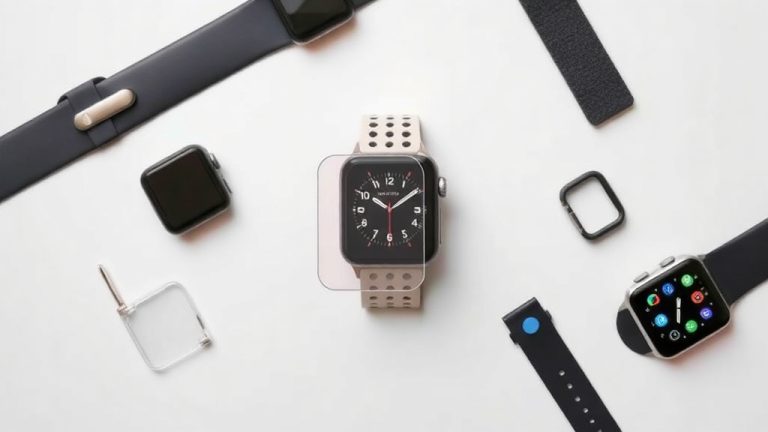
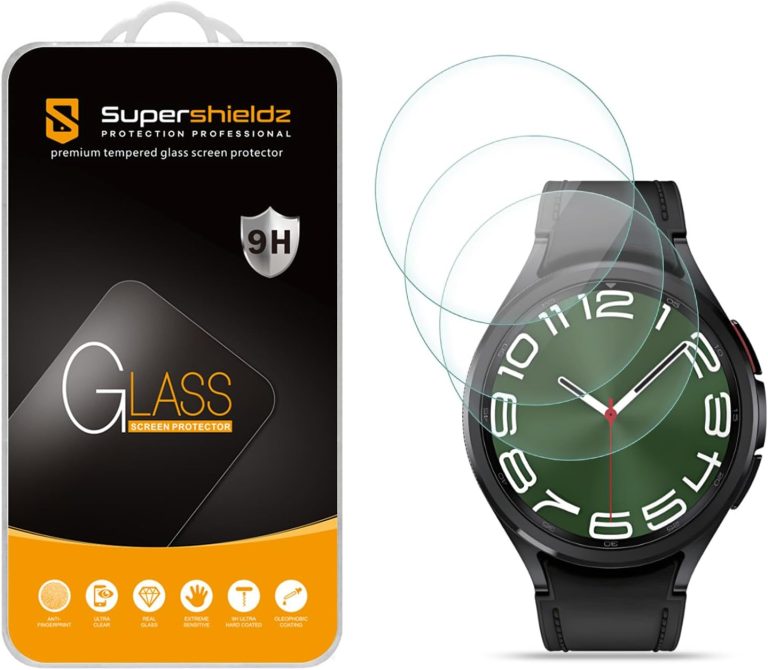
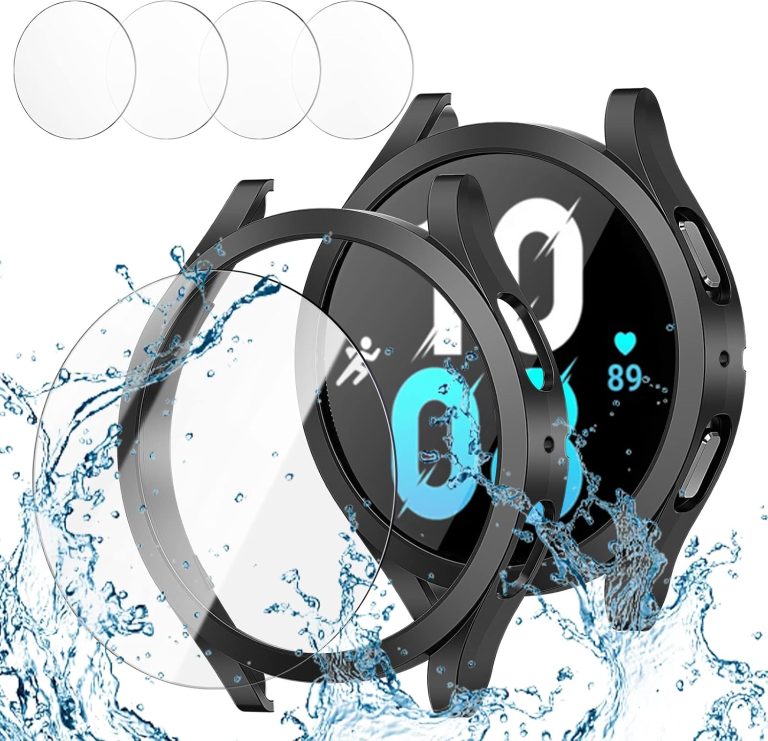
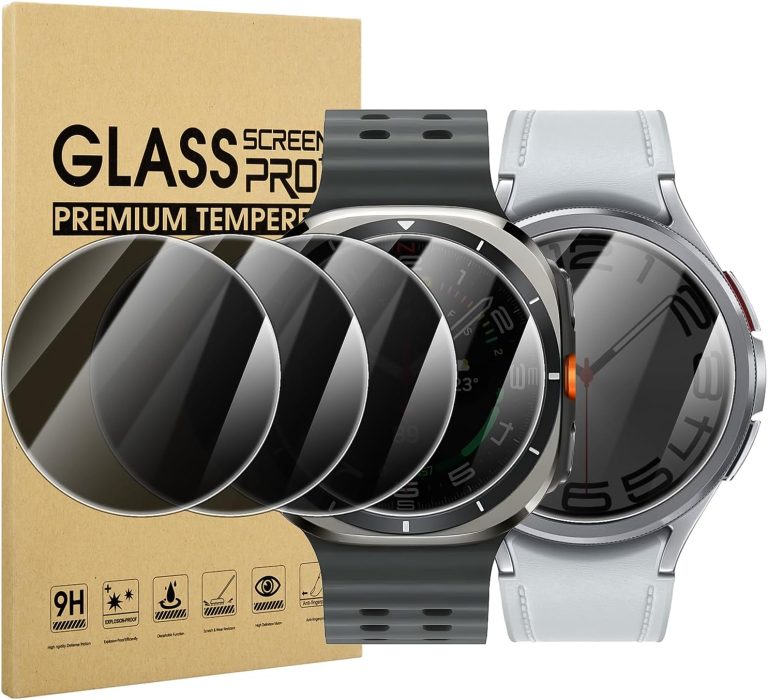
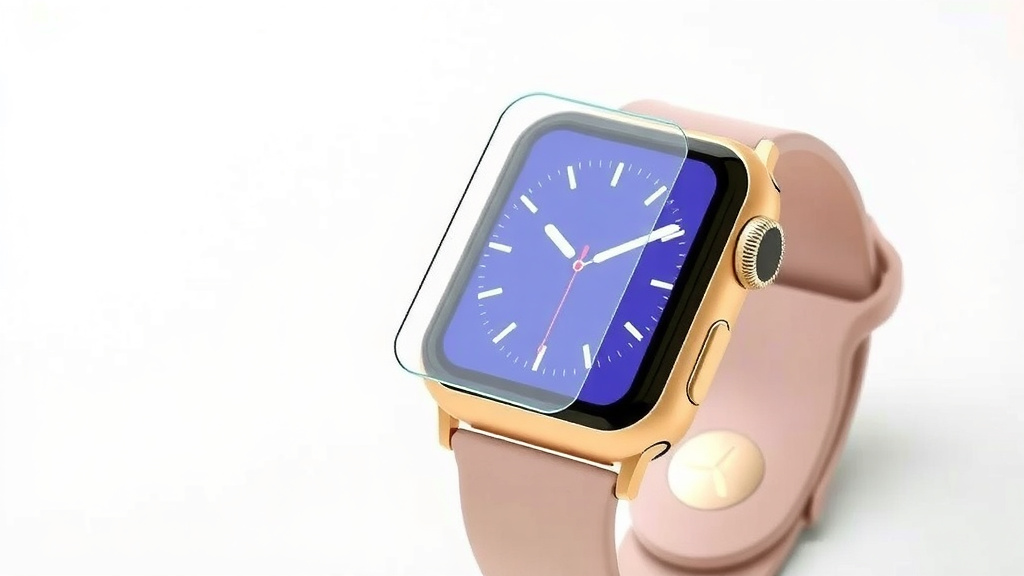
A tempered glass protector is a thin sheet of specially treated glass that adheres to your watch face. It is cut to fit the curved edges of your screen perfectly. When something hits your watch, the protector takes the hit first.
Think of it like a helmet for your watch. The helmet gets scratched and dented, but your head stays safe. The protector does the same job for your expensive display. It is a simple trade: spend a little money now to save a lot later.
Pros of Adding a Tempered Glass Layer
The biggest advantage is peace of mind. You stop worrying about every bump and scrape. We found that people who wear their watch during workouts or manual labor feel much more confident with a protector installed.
Another bonus is resale value. If you plan to sell or trade in your watch later, a flawless screen is worth more. A $10 protector can help you get a better price when you upgrade. That is a smart return on your money.
Cons That Might Make You Skip It
Tempered glass protectors are not perfect. They can add a tiny bit of thickness to your watch face, which makes it feel slightly less premium. Some people notice a difference in how smoothly your finger glides across the screen.
Touch sensitivity can also be an issue with some cheaper protectors. We found that thicker glass can make taps feel less responsive. You need to press harder or tap twice sometimes. That gets annoying fast if you use your watch for quick replies or timers.
Common Situations That Call for a Screen Protector
Your daily routine is the real deciding factor here. Some people should absolutely get a protector. Others can skip it without any worry. Be honest with yourself about how you treat your gear.
We found that the people who regret not buying a protector are usually the ones who work with their hands or spend time outdoors. If you fall into any of these groups, protect your screen from day one.
Workouts, Construction, and Outdoor Jobs
Gym equipment is a major source of watch scratches. Dumbbells, cable machines, and even the floor during push-ups can damage your screen. Sweat and chalk can also wear down the oleophobic coating that keeps your screen clean.
Construction workers, mechanics, and landscapers put their watches through extreme conditions. We found that dust and debris are the worst enemies of any watch screen. A protector gives you one less thing to worry about on the job.
Parents, Pet Owners, and the Clumsy Crowd
Chasing after kids means your wrist is constantly in motion. Toddlers grab at everything, and your watch is an easy target. The same goes for dog owners who walk their pups on busy sidewalks.
Let us be honest with ourselves here. If you drop your phone more than once a month, your watch faces similar risks. A protector is cheap insurance for people who are prone to accidents. It is better to be safe than sorry.
What Our Research Found on Screen Protectors
We dug through user reports and durability discussions to see what real owners experience. The general consensus is that protectors are helpful but not essential for everyone. Most people who skip them are happy, but those who add them rarely regret it.
The key finding is that scratches are far more common than cracks. Apple watches rarely shatter completely. Instead, they accumulate small scratches over time. That changes the math on which protector type you should choose.
Film Protectors vs. Tempered Glass
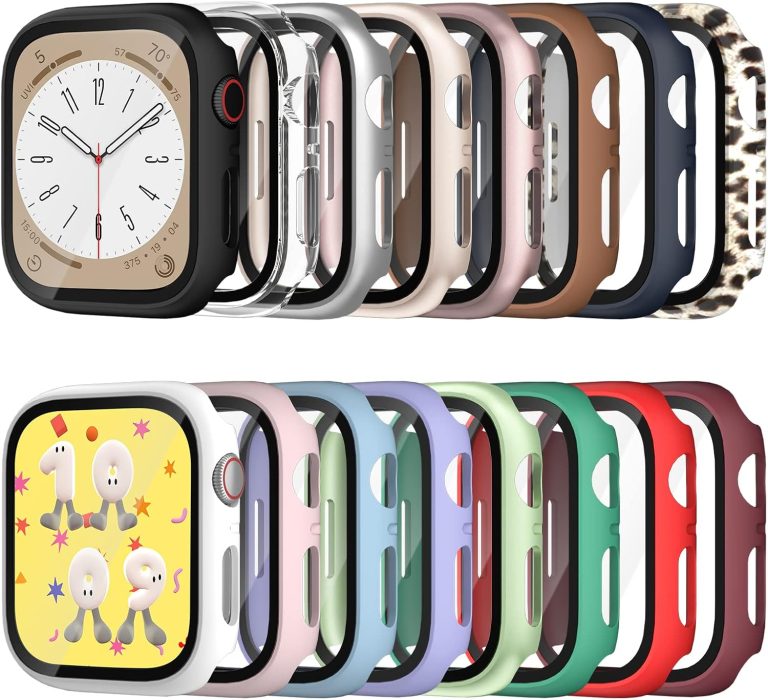
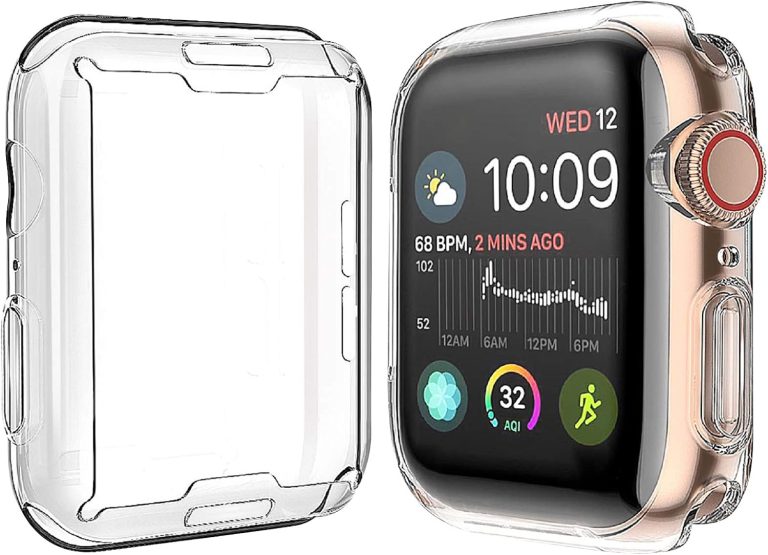
If scratches are your main concern, a thin film protector might be the better pick. These are barely visible and do not affect touch sensitivity. They are also less likely to crack or chip at the edges.
Tempered glass is better if you worry about drops and impacts. It is thicker and more noticeable, but it offers real impact protection. We found that many users prefer film for everyday wear and tempered glass only for risky activities.
| Feature | Tempered Glass | Film Protector |
|---|---|---|
| Scratch protection | Good | Excellent |
| Impact protection | Excellent | Poor |
| Touch sensitivity | Good | Excellent |
| Visibility | Slightly visible | Nearly invisible |
| Price range | $8 – $20 | $5 – $15 |
How to Install a Protector Without Bubbles
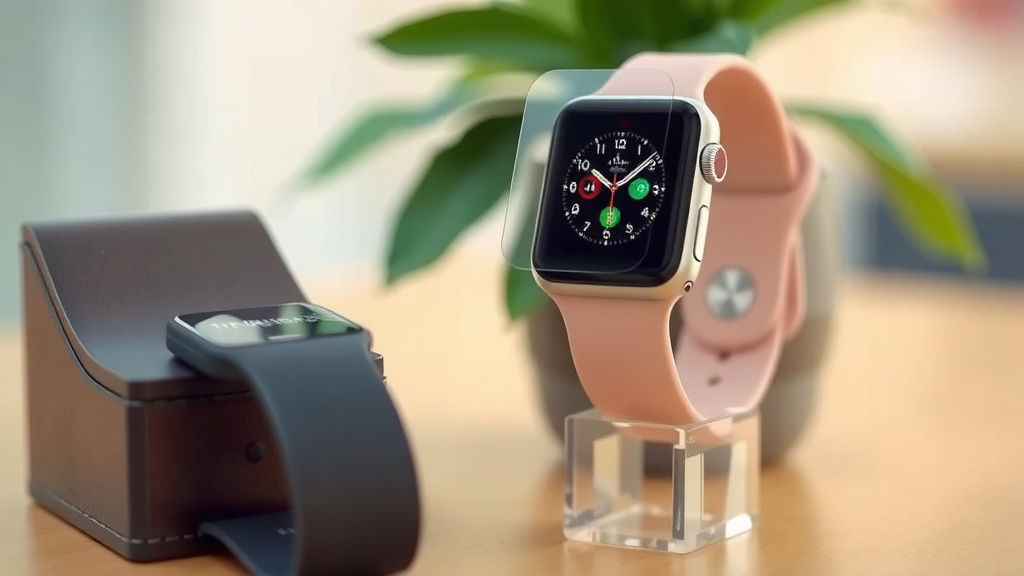
If you decide to get a protector, installation is the tricky part. Bubbles and dust are your biggest enemies. The good news is that Apple Watch protectors are easier to install than phone protectors because the screen is smaller.
We found that doing it in a steamy bathroom helps. The humidity makes dust particles settle instead of floating in the air. This simple trick cuts your bubble risk by a huge margin. Your watch screen will thank you.
Step-by-Step for a Flawless Application
First, clean your screen with the included alcohol wipe. Then use the dry cloth to remove any remaining streaks. Finally, use the sticky dust remover to pick up any tiny particles you cannot see.
Align the protector carefully before letting it touch the screen. Once it makes contact, it is hard to reposition. Press from the center outward to push air bubbles to the edges. If you get a stubborn bubble, push it out with a credit card wrapped in a cloth.
Quick Checklist Before You Buy
Before you add that protector to your cart, run through this quick list. It takes ten seconds and can save you money if you do not need one. We found that this checklist filters out most people who are on the fence.
- Check your model: Sapphire screens rarely need extra protection.
- Think about your job: Manual labor and outdoor work mean higher risk.
- Consider your hobbies: Gym rats and climbers should lean toward protection.
- Count your drops: If you drop things often, buy a protector.
- Plan to resell: A scratch-free screen keeps resale value high.
- Trust your gut: If you worry about it, just buy the $10 shield.
Our Verdict on Apple Watch Tempered Glass
We found that most people can skip the tempered glass and be perfectly fine. The built-in screen is durable enough for everyday life. You really do not need an extra layer just to feel normal.
That said, the cost of protection is low and the peace of mind is high. If you are even slightly worried about damaging your watch, just get one. It is a small price for a lot of comfort.
The bottom line is simple. Start without a protector and see how your first month goes. If you notice scratches or feel nervous every time you bump your wrist, add one then. Your watch will be fine either way.
Conclusion
So, does your Apple Watch really need tempered glass? After looking at the facts, the honest answer is probably not. Your watch screen is built tough, especially if you have a sapphire crystal model. Most people can wear their watch for years without a single scratch.
But you know your lifestyle better than anyone. If you work with your hands, hit the gym hard, or just hate worrying about your gear, a $10 protector is a smart safety net. We say start bare for a month. If you see scratches or feel nervous, add protection then. You really cannot make a wrong choice here.
Frequently Asked Questions
Will a tempered glass protector make my Apple Watch screen less responsive?
It can, but usually only with cheaper, thicker protectors. High-quality tempered glass is thin enough that you will not notice any difference. If you tap your screen and it feels sluggish, you likely bought a low-quality shield.
Can I use an Apple Watch with a cracked screen protector?
Yes, you can keep using it for a while. A cracked protector still shields your real screen from dust and scratches. However, the crack can snag on clothing and the edges might lift. We recommend swapping it out as soon as you can.
Does AppleCare+ cover scratches on the Apple Watch screen?
AppleCare+ does not cover cosmetic damage like scratches. It only handles accidental damage, like a cracked screen, and you still pay a service fee. If you mainly worry about small scratches, a screen protector is a better bet than AppleCare+.
Will a screen protector hide the curved edges of my Apple Watch?
It depends on the protector you buy. Some are designed to wrap around the curved edges for full coverage. Others sit flat on the screen and leave a tiny gap at the edges. Full-coverage protectors look better but can be harder to install without bubbles.
How long does a tempered glass protector last on an Apple Watch?
Most tempered glass protectors last anywhere from six months to a year. It depends on how often you bump your wrist into things. The protector is doing its job if it cracks, so just replace it. They are cheap enough to swap out whenever you need.