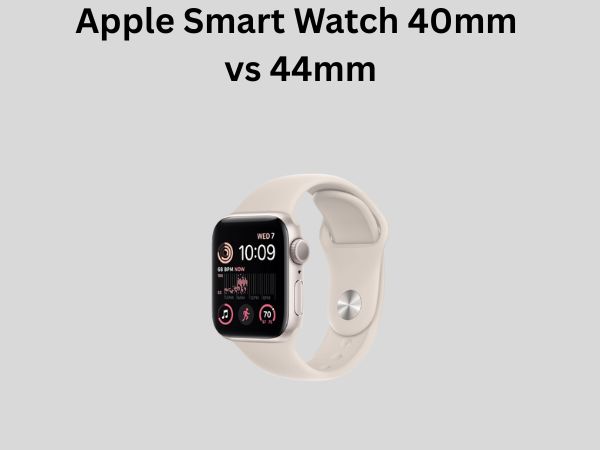
Apple Smart Watch 40mm vs 44mm: Which Size Should You Choose?
When you’re standing in front of your computer or phone, ready to purchase your first Apple Watch, you’ll quickly realize that one of the biggest decisions isn’t about features or price—it’s about size. Should you go with the 40mm or the 44mm model? This question might seem simple on the surface, but there’s actually quite a bit to consider before making your final choice.
I’ve helped countless people navigate this decision, and I can tell you that picking the wrong size can lead to buyer’s remorse. So let’s dive deep into what sets these two sizes apart and help you figure out which one is truly right for you.
Understanding the Basic Differences Between 40mm and 44mm
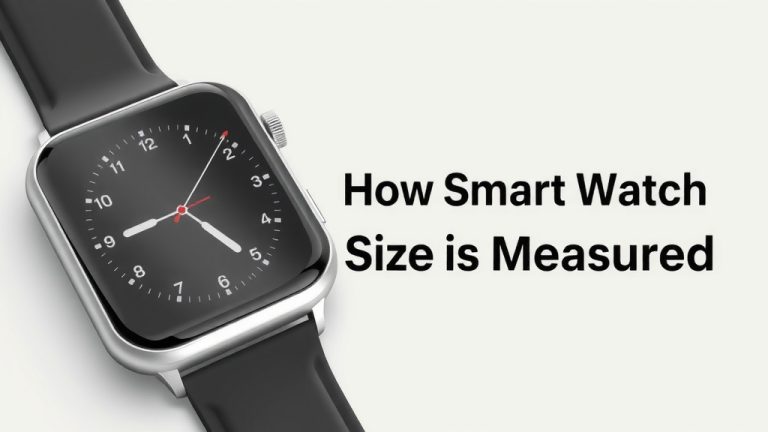
The numbers you see—40mm and 44mm—refer to the diagonal measurement of the watch face itself. Think of it like comparing a smartphone screen size. When you move from a smaller phone to a larger one, everything feels different in your hand and on your wrist. The same principle applies here.
A 4mm difference might not sound like much, but when you’re talking about a device you’ll wear every single day, those millimeters actually matter more than you’d think. The 40mm model is the more compact option, while the 44mm gives you a larger display to work with.
Physical Dimensions and What They Mean for Your Wrist
The 40mm Apple Watch: Compact and Lightweight
The 40mm Apple Watch is the smaller of the two options. It weighs slightly less and takes up less real estate on your wrist. If you’ve ever felt like a watch is too bulky or makes you feel weighed down, the 40mm might be your answer.
The compact size makes it an excellent choice if you have a smaller wrist circumference. Generally speaking, if your wrist is under 160mm in circumference, or if you typically wear smaller accessories, the 40mm will likely feel more proportional and comfortable on your body.
The 44mm Apple Watch: Bold and Commanding
The 44mm version takes up noticeably more space. It’s the choice for people who want their watch to make a statement and have a presence on their wrist. If you have larger hands or a bigger wrist, this size will feel more balanced and won’t look like you’re wearing a toy on your arm.
The 44mm model appeals to people who appreciate larger displays and want a watch that feels substantial and premium. Think of it as the difference between a tablet and a standard iPad—both are great, but they serve slightly different purposes.
Display Size and Readability Comparison
Screen Real Estate: How Much Space Do You Actually Get?
Here’s where things get interesting. The 44mm doesn’t just give you 10% more screen real estate—it gives you significantly more usable space. The display diagonal is larger, which means more room for information, better visibility of text, and a more comfortable experience when you’re navigating through menus or reading notifications.
If you spend a lot of time checking your messages, emails, or health metrics on your watch, the larger display of the 44mm can be genuinely more practical. You’ll have to squint less and swipe fewer times to see the information you need.
Readability for Different Age Groups
Are you noticing that reading small text is becoming harder as you age? If so, the 44mm screen is genuinely easier on your eyes. The increased display size means larger fonts and clearer visibility, which is a real advantage if you’re in your 40s, 50s, or beyond.
Younger users with better eyesight might find the 40mm perfectly adequate, but there’s no downside to having a bigger screen to read from—it’s always more comfortable.
Wrist Size Considerations: Finding Your Perfect Fit
Measuring Your Wrist Accurately
Before you make any decision, you need to know your actual wrist measurement. Take a soft measuring tape and wrap it around your wrist where you’d normally wear a watch. This measurement is crucial because it determines whether you’ll be comfortable wearing either size all day long.
- If your wrist measures between 130mm and 160mm, the 40mm is typically your best bet
- If your wrist measures above 160mm, the 44mm will feel more proportional
- If you’re between these ranges, you have some flexibility
The Comfort Factor Beyond Just Size
Comfort isn’t just about the watch face—it’s also about the bands. A watch that’s too large can feel top-heavy and uncomfortable after wearing it for eight hours straight. Conversely, a watch that’s too small might feel like a child’s toy and could shift around on your wrist during workouts.
The band also plays a role. The 40mm comes with smaller bands, and the 44mm comes with larger ones. If you have a smaller wrist but really want the larger display, you might struggle to find a properly fitting band that doesn’t slide around.
Activity and Fitness Tracking: Does Size Matter?
Sports Performance and Wrist Movement
When you’re running, cycling, or doing intense workouts, you want your watch to stay securely on your wrist without feeling restrictive. Here’s what I’ve observed: the 40mm is less likely to bounce or shift during high-impact activities because of its lower weight and smaller profile.
However, if you have larger wrists and wear a 40mm that’s too small, it might slip around during workouts, which can be annoying. So the right size for your wrist is actually more important than choosing a universally “better” size for athletics.
Tracking Accuracy and Sensor Performance
Both the 40mm and 44mm have identical sensor technology. Your heart rate monitoring, GPS accuracy, and fitness metrics will be the same regardless of which size you choose. The size of the watch doesn’t affect how well it tracks your activities—only your wrist fit does.
Battery Life: Is There a Real Difference?
You might think that a larger watch with a bigger battery would last longer, right? Well, here’s the thing: both sizes claim similar battery life, typically lasting all day with moderate use. Apple has optimized the software and hardware for both sizes equally.
That said, the 44mm has a slightly larger battery, so theoretically it might squeeze out an extra 30 minutes to an hour if you’re a heavy user. But we’re talking minimal difference here—both will need a nightly charge if you’re using them intensively.
Fashion and Aesthetics: Which Looks Better?
The Minimalist Appeal of 40mm
There’s something elegant about a smaller watch. It’s less attention-grabbing and blends more seamlessly into your everyday style. If you prefer understated accessories and dislike anything that feels ostentatious, the 40mm has a refined, minimalist charm that some people genuinely prefer.
The 40mm also pairs beautifully with delicate bands and works well if you like switching between different band styles frequently. It feels more versatile in terms of overall aesthetic.
The Premium Feel of 44mm
The 44mm has presence. It feels substantial, premium, and commands attention on your wrist. If you like your accessories to make a visual statement and enjoy the heft of quality technology, the larger model delivers that satisfaction.
The 44mm pairs particularly well with sports bands and bolder styling choices. It’s the watch you wear when you want people to notice you’re wearing something special.
Price Considerations: Is There a Cost Difference?
Here’s good news: both sizes typically cost the same. Whether you choose the 40mm or 44mm, you’re paying the same base price. This means you can choose based on what’s best for you without worrying about one being more expensive than the other.
However, if you’re buying different bands, keep in mind that bands are size-specific. You can’t swap 40mm bands with 44mm bands, so factor that into your long-term costs if you plan to build a collection.
Trying Before You Buy: How to Test Both Sizes
Visit an Apple Store
This is your golden opportunity. Go to an Apple Store and ask an employee to let you try on both sizes. Wear them for a few minutes and get a feel for how each one sits on your wrist. This hands-on experience is worth more than any online comparison because you’ll immediately feel which one suits you better.
Check the Fit at Home
If you already own an Apple Watch, visit the Apple Store and compare it to your wrist. Better yet, if a friend has one in the other size, ask if you can try it on for a while. Real-world testing beats theoretical comparison every single time.
Common Mistakes People Make When Choosing
Mistake #1: Ignoring Wrist Size
Too many people choose based on screen size alone without considering whether the watch will actually fit properly on their wrist. Remember, a watch that slides around isn’t useful, no matter how nice the display is.
Mistake #2: Assuming Bigger Is Always Better
Larger isn’t universally superior. If you have small wrists and force yourself to wear a 44mm because you think you should, you’ll end up with an uncomfortable watch that you’ll resent wearing. Comfort trumps everything.
Mistake #3: Not Considering Band Compatibility
Bands are size-specific, and it’s frustrating to fall in love with a band design only to find out it doesn’t come in your watch size. Think about this before you commit to a size.
Special Considerations for Different User Types
For Petite Users
If you’re on the smaller side, the 40mm is almost certainly your best choice. It will look proportional on your wrist and won’t dominate your arm. There’s no shame in choosing the smaller size—it’s what’s right for your body.
For Larger Users
If you have bigger wrists and hands, the 44mm will feel more balanced. Wearing a 40mm when you have large wrists can look disproportionate, kind of like wearing a child’s watch as an adult.
For Fitness Enthusiasts
Choose based on your wrist size primarily. Both sizes track equally well, so pick whichever fits your wrist better during workouts. A properly fitting watch is safer and more comfortable than one that bounces around.
Making Your Final Decision: A Simple Framework
Here’s a straightforward approach to making your choice:
- Measure your wrist accurately
- Visit an Apple Store and try both sizes
- Consider your typical clothing style and whether you prefer bold or subtle accessories
- Think about whether you spend a lot of time reading small text on your watch
- Remember that comfort on your wrist matters more than display size
Once you’ve gone through these steps, your choice should become obvious. Trust your instincts—you’ll know which size feels right the moment you put it on your wrist.
Conclusion
The choice between a 40mm and 44mm Apple Watch isn’t about which one is objectively better—it’s about which one is better for you specifically. Both models offer the same cutting-edge technology, health tracking capabilities, and software features. What differs is purely the physical experience of wearing them.
If you have smaller wrists, prefer a minimalist aesthetic, or want something that feels lightweight and refined, the 40mm is your answer. If you have larger wrists, enjoy larger displays, and want a watch that makes a bold statement, the 44mm is the right choice.
The key to avoiding buyer’s remorse is trying both sizes in person before making your purchase. Take your time, test them thoroughly, and choose based on comfort first and everything else second. A watch you actually enjoy wearing is infinitely better than one that sits in a drawer because it’s uncomfortable.
Frequently Asked Questions
Can I wear a 44mm Apple Watch if I have small wrists?
Technically yes, but it might not be comfortable or look proportional. The 44mm might slide around on smaller wrists, and finding a properly fitting band can be challenging. While it’s possible, the 40mm is usually the more practical choice for people with smaller wrists.
Is the screen really that much bigger on the 44mm model?
The 44mm screen is noticeably larger, offering more display area for reading messages and checking information. While the numbers seem modest, the practical difference in usability is more significant than the 4mm measurement suggests. You’ll notice the difference immediately when you use both.
Do both sizes have the same processing power and features?
Yes, both the 40mm and 44mm Apple Watches use identical processors and run the exact same software. All health features, fitness tracking capabilities, and processing speed are identical. The only differences are physical size, display area, and battery capacity.
Which size is better for someone with vision problems?
The 44mm is generally better for people with vision issues because the larger screen displays text and information at a bigger size, reducing eye strain. If you have difficulty reading small text, the extra display real estate of the 44mm can make a meaningful difference in usability.
Can I exchange my Apple Watch for a different size if I’m unhappy with my choice?
Apple typically allows returns within 14 days of purchase if the watch is in original condition with all packaging. However, specific return policies may vary by location and retailer. It’s worth checking Apple’s current return policy before making your purchase, and keeping all original packaging just in case.
“`
![7 Best Dive Computer Smart Watch [2026]](https://smartwatchbest.com/wp-content/uploads/2026/08/7-best-dive-computer-smart-watch-2026-featured-768x432.jpg)
![7 Best Smart Watch Of 2025 [2026]](https://smartwatchbest.com/wp-content/uploads/2026/09/7-best-smart-watch-of-2025-2026-featured-768x432.jpg)