Most Accurate Smartwatch for Blood Pressure: October 2026
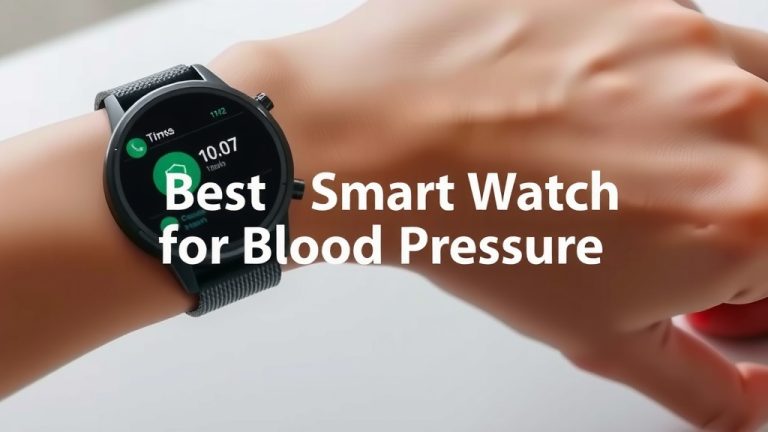
Right now, no single smartwatch can perfectly replace a medical-grade blood pressure monitor. While some smartwatches offer blood pressure tracking, they are generally considered less accurate for clinical use. For precise readings, you’ll still need a traditional cuff. Think of these watches as useful tools for trend monitoring, not definitive diagnoses.
Many brands are developing wearable tech for health tracking. Smartwatches aim to provide convenient health data at a glance. They can help you spot patterns in your blood pressure over time. This can be helpful for discussing your health with your doctor. But always confirm readings with a proper cuff.
- Smartwatches aren’t medical devices for blood pressure.
- Traditional cuffs are still the most accurate.
- Watches track trends, not precise measurements.
- Talk to your doctor about readings.
Let’s dive into which smartwatches come closest to offering reliable blood pressure trends and what you should look for.
Smartwatches and Blood Pressure: What’s the Real Deal?
You’re probably wondering which smartwatch offers the most accurate blood pressure readings. It’s a common question, and the answer is a little more complicated than a simple “this one.” Currently, no smartwatch can replace a traditional blood pressure cuff for medical accuracy. Think of them more as helpful tools for spotting trends.
Understanding Smartwatch Blood Pressure Technology
How do these watches even attempt to measure blood pressure? Most use a technique called photoplethysmography (PPG). This involves shining light into your skin and measuring how much light is absorbed or reflected back. Your blood absorbs light, so changes in blood volume can be detected. PPG sensors are common in many wearables for heart rate tracking. For blood pressure, it’s a more challenging application.
The PPG Method for Blood Pressure
PPG sensors can detect the pulse wave as it travels through your arteries. The speed of this wave is related to blood pressure. However, this method is sensitive to many factors. Things like your skin tone, movement, and even how tightly the watch fits can affect the readings. This is why results can vary widely.
Limitations of PPG
Research and user experiences often show that PPG-based blood pressure readings are less reliable than cuff-based devices. They may give you a general idea, but they aren’t calibrated for clinical precision. Many health organizations, like the American Heart Association, still recommend cuff devices for accurate measurements.
Which Smartwatches Offer Blood Pressure Tracking?
Several brands are pushing the boundaries with blood pressure features. However, availability can vary by region due to regulatory approvals. It’s important to check if the feature is cleared for use in your country.
Popular Brands and Their Approaches
Samsung Galaxy Watches have been a leader in this space for a while. Their models often feature an ECG app and blood pressure monitoring. However, this feature typically requires regular calibration with a traditional cuff. You can’t just rely on the watch alone. It needs to be synced up periodically to maintain a degree of accuracy.
Other brands are exploring similar technologies. Some watches might use a combination of PPG and other sensors to estimate blood pressure. We found that companies are investing heavily in R&D here. They are working to improve the algorithms and sensor technology. The goal is to make these readings more consistent over time.
Regulatory Hurdles and Availability
Getting medical device approval is a big hurdle. Features like blood pressure monitoring need to pass rigorous tests. This is why you might see a feature announced by a company but not immediately available everywhere. The FDA clearance in the US is a key marker for reliability.
What to Look for in a Blood Pressure Smartwatch
If you’re considering a smartwatch for blood pressure trends, what should you prioritize? It’s not just about the brand name. It’s about how the feature is implemented and what you can realistically expect.
Calibration Requirements
As mentioned, many watches that offer blood pressure monitoring require regular calibration. This means you’ll need a traditional, validated blood pressure cuff at home. You’ll use the cuff to take a reading and then input that data into the watch’s app. The watch then uses this to adjust its own estimates. This process might need to be done monthly or even weekly.
FDA Clearance and Medical Validation
Look for watches that have received FDA clearance or approval for their blood pressure monitoring feature. This indicates that the device has met certain standards for accuracy and safety. It’s a strong signal that the technology is more reliable than non-cleared features.
Ease of Use and App Integration
The user experience matters. Is the app intuitive? Can you easily track your readings over time? Does it present the data in a way that’s easy to understand? A good app will help you see patterns and share reports with your doctor. This is where smartwatches can truly shine.
The Best Options for Blood Pressure Trends (As of Now)
Based on current market offerings and reviews, Samsung Galaxy Watches often come up. They have a dedicated blood pressure tracking feature, though remember the calibration requirement. Other smartwatches might offer heart rate variability (HRV) or other metrics that can indirectly hint at cardiovascular health. These can be useful alongside your cuff readings.
| Feature | Samsung Galaxy Watch (Recent Models) | Other Smartwatches (General Trend) |
|---|---|---|
| Primary Method | PPG with calibration | Varies; often PPG, some exploring alternatives |
| Accuracy | Moderate for trends, requires calibration for better accuracy | Generally lower, best for spotting patterns not precise numbers |
| Calibration Needed | Yes, regularly with a cuff | Often, or not available at all |
| FDA Clearance (Specific Feature) | Yes, in some regions for BP | Less common for direct BP measurement |
| Key Benefit | Trend monitoring, potential for more guided use | General health tracking, heart rate, activity |
A Note on Fitness Trackers vs. Smartwatches
Most fitness trackers, like basic Fitbits or Garmins, do not offer blood pressure tracking. They focus on steps, heart rate, sleep, and workouts. If blood pressure is a key concern for you, you’ll need to look at higher-end smartwatches with these specific, regulated features.
Making the Most of Your Smartwatch Data
So, you’ve got a smartwatch that tracks blood pressure. What now? Use it wisely! The real power lies in tracking your blood pressure trends. Are your readings generally higher in the mornings? Do they spike after stressful workdays? Does your new exercise routine seem to be helping?
When to Consult Your Doctor
Always remember this: your doctor is your best resource. Smartwatch data is a conversation starter. If you see a concerning trend or an unusually high reading, don’t panic. First, re-take your blood pressure with a proper cuff. Then, schedule an appointment with your healthcare provider. Share the data you’ve collected. They can help you interpret what it means for your health.
Checklist for Choosing and Using
- Verify FDA clearance for the blood pressure feature.
- Understand if regular cuff calibration is required.
- Check app usability and data presentation.
- Use it to track trends, not for diagnosis.
- Always confirm high or concerning readings with a cuff.
- Discuss all data with your healthcare provider.
Conclusion
When it comes to tracking your blood pressure, smartwatches are excellent tools for spotting trends and patterns over time. Remember, they are not yet a replacement for your doctor’s cuff. Features like Samsung’s require regular calibration to stay as accurate as possible. Always look for devices with FDA clearance for your peace of mind. Use the data gathered to start conversations with your healthcare provider. Your health is a journey, and these devices can be helpful companions when used correctly.
Frequently Asked Questions
Can I rely on a smartwatch for my daily blood pressure readings?
Not for clinical accuracy. Smartwatches are best for tracking trends and general patterns. For precise measurements needed for diagnosis or treatment, you must use a traditional, calibrated blood pressure cuff. Think of your watch as a helpful monitor for your doctor, not a substitute medical device.
Which smartwatches are most accurate for blood pressure tracking right now?
Samsung Galaxy Watches are often cited for their blood pressure tracking capabilities, but they come with a caveat. You need to regularly calibrate them with a traditional cuff. Research and user findings suggest that no smartwatch currently offers medical-grade accuracy on its own.
What does “calibration” mean for smartwatch blood pressure?
Calibration means you periodically use a standard, validated blood pressure cuff to take a reading. You then input this reading into the smartwatch’s app. The watch uses this data to adjust its own estimations and improve its accuracy for future readings. This process is essential for features like Samsung’s.
Are there any smartwatches with blood pressure monitoring cleared by the FDA?
Yes, some models, like certain Samsung Galaxy Watches, have received FDA clearance for blood pressure monitoring in specific regions. This clearance indicates that the device has met certain standards for accuracy and safety. However, always check the regulatory status for your specific watch model and region.
What should I do if my smartwatch shows a high blood pressure reading?
Don’t panic, but do take action. First, confirm the reading with a traditional blood pressure cuff. If the high reading is confirmed, or if you have any concerns, schedule an appointment with your doctor. Share the data you’ve collected from both the watch and the cuff to help them assess your situation.