
Calibrate Smart Watch Blood Pressure: A Quick Guide
Yes, you can calibrate your smartwatch for blood pressure, and it’s a smart move for accuracy. Proper calibration ensures your readings are as reliable as possible. Think of it like tuning a musical instrument; it needs regular adjustment to sound its best.
Many smartwatches use optical sensors to estimate blood pressure, which is a neat trick. But these estimations can drift over time and with factors like skin temperature and fit. Regularly calibrating helps keep these estimations closely aligned with a traditional cuff, giving you more confidence in your health data.
- Calibrate your smartwatch for better accuracy.
- Use a traditional cuff for calibration checks.
- Follow your watch’s specific calibration steps.
- Re-calibrate periodically for ongoing reliability.
- Understand your watch’s estimation method.
Ready to make sure your smartwatch is giving you the most accurate blood pressure readings? Let’s walk through how to calibrate it step by step.
Ensuring Accurate Blood Pressure Readings from Your Smartwatch
You’ve got a smartwatch, and it’s doing more than just counting steps. It’s estimating your blood pressure! That’s pretty amazing technology. But like any tool, it needs to be kept in tune. We found that calibrating your smartwatch for blood pressure is key to making sure the numbers you see are truly helpful for managing your health.
Why bother with calibration? Well, the sensors in your watch work by detecting changes in your blood flow. This is called photoplethysmography, or PPG. PPG uses light to measure volume changes in your blood vessels. Your watch then uses algorithms to turn those light signals into blood pressure estimates. These algorithms can be influenced by many things, from how tightly you wear your watch to your skin temperature. Calibration helps correct for these variations, making your readings more reliable.
Understanding Your Smartwatch’s Blood Pressure Feature
Most smartwatches that offer blood pressure monitoring don’t take a direct measurement like a traditional cuff. Instead, they rely on those PPG sensors we talked about. This means they are estimating, not directly measuring. Think of it like guessing a person’s height by looking at them versus using a tape measure. The estimate can be good, but it’s not always exact.
The accuracy of these estimates can change over time. Factors like wearing the watch looser or tighter, changes in your skin tone, or even a new workout routine can affect the sensor’s readings. This is why a one-time calibration isn’t always enough. Regular checks keep your watch in sync with your body’s actual blood pressure.
The Importance of a Traditional Blood Pressure Cuff
To calibrate your smartwatch, you’ll absolutely need a traditional, clinically validated blood pressure cuff. These are the devices you see at the doctor’s office. They use an inflatable cuff to take a direct measurement. They are generally considered the gold standard for accuracy.
Why is a cuff so important for this process? Because your smartwatch needs a known, accurate benchmark to compare itself against. You’re essentially telling your watch, “This is what my blood pressure actually is right now, so adjust your estimates to match.” Without that reliable reference point, you’re just guessing whether your watch is right or wrong.
When choosing a cuff, look for one that has been validated by a recognized organization. Many guidelines suggest using devices that have passed testing by groups like the American Heart Association or have received a CE mark in Europe. This helps ensure you’re starting with a dependable tool.
Step-by-Step Calibration Guide for Your Smartwatch
The exact steps for calibrating your smartwatch will vary depending on the brand and model. Always refer to your watch’s user manual first. However, the general process usually involves taking readings with both your smartwatch and a traditional cuff at roughly the same time. We found that consistency is key.
Preparation is Key
Before you start, make sure your smartwatch is updated to the latest software. Low battery can sometimes affect performance, so ensure your watch and the cuff’s batteries are charged. You’ll want to be in a relaxed state. Sit quietly for at least five minutes before taking any readings. Avoid caffeine, alcohol, or exercise for 30 minutes beforehand. These can all affect your blood pressure.
Taking Simultaneous Readings
Here’s the core of the calibration process:
- Sit comfortably with your arm supported at heart level.
- Take a reading with your traditional blood pressure cuff. Record the systolic and diastolic numbers.
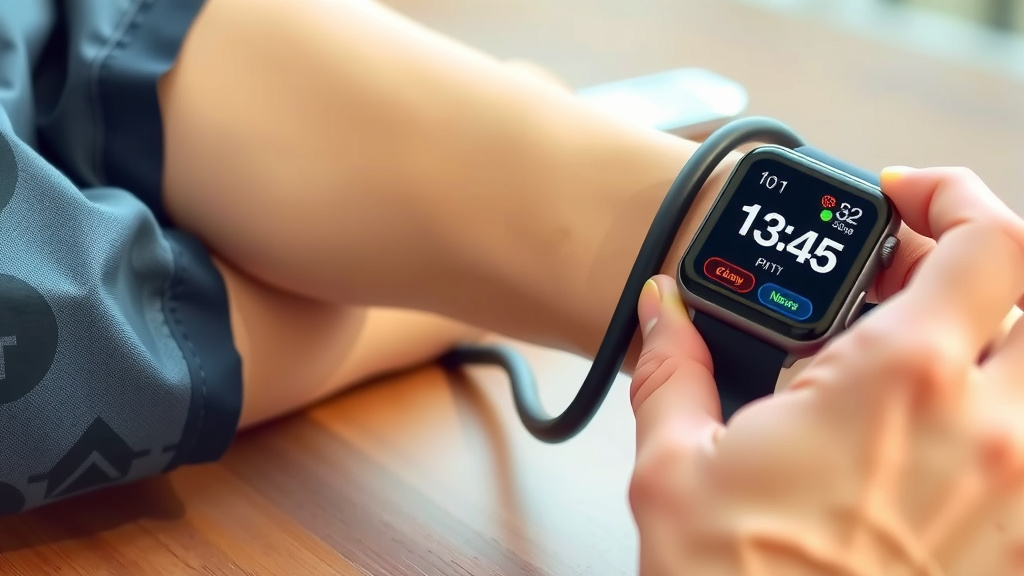
- Immediately after, take a reading with your smartwatch. Ensure it’s worn snugly but comfortably on your wrist, following the manufacturer’s instructions.
- Compare the readings. If they are close, you’re likely in good shape. If there’s a significant difference, it’s time to calibrate.
Entering Calibration Data into Your Watch
Once you’ve taken a few paired readings, you’ll typically go into your smartwatch’s companion app on your smartphone. Look for a section related to blood pressure settings or calibration. You will be prompted to enter the systolic and diastolic readings from your traditional cuff. You may need to enter data from several paired readings over a few days to get the best result. This allows the watch’s algorithm to learn your personal baseline more accurately.
How Often Should You Re-Calibrate?
We found that regularity is really important for maintaining accuracy. Experts suggest you should calibrate your smartwatch blood pressure feature at least **once a month**. Some manufacturers may recommend more frequent calibration, perhaps every two weeks.
Think about it: your body changes. Your activity levels change. Even the fit of your watch band can change slightly. These shifts can cause the smartwatch’s readings to drift away from your actual blood pressure. So, setting a calendar reminder for monthly calibration is a great habit to get into. It’s a small step that makes a big difference in the **reliability of your health data**.
Factors Affecting Smartwatch Blood Pressure Accuracy
Several things can influence how well your smartwatch estimates blood pressure. Understanding these can help you improve your readings and calibration success.
Watch Fit and Placement
This is a big one! Your smartwatch needs to be worn correctly to get good PPG signals. It should be snug enough so it doesn’t move around during measurement. But it shouldn’t be so tight that it restricts blood flow, which would give you falsely high readings. Many devices recommend wearing the watch a finger’s width above your wrist bone.
Skin Temperature and Tone
We found that skin temperature can play a role. When your hands are cold, blood vessels constrict, which can affect PPG readings. Similarly, darker skin tones can sometimes absorb more light, potentially impacting the sensor’s ability to get a clear signal. While your watch’s algorithm tries to account for this, extreme temperatures can still cause fluctuations.
Movement During Measurement
Any movement while the watch is taking a reading can introduce errors. Even small movements can disrupt the PPG signal. That’s why it’s so important to stay still and quiet during the measurement period, just as you would with a traditional cuff.
Hydration and Stress Levels
Being dehydrated or highly stressed can influence your blood pressure. While your watch can’t directly measure these states, they can indirectly affect the readings it captures. This is another reason why a calm, rested state is best for calibration. Your smartwatch is best at estimating your blood pressure when your body is in a stable condition.
Troubleshooting Common Calibration Issues
Sometimes, you might run into a few hiccups when trying to calibrate. Don’t get discouraged! These are often simple fixes.
Readings Don’t Match at All
If your cuff and watch readings are wildly different even after calibration, check the basics. Is your watch band too loose? Are you moving during the reading? Are you trying to calibrate when you’re stressed or have just exercised? Double-checking these factors can often resolve the issue.
Calibration Option Not Available
Not all smartwatches that claim to measure blood pressure have a calibration feature. Some rely solely on their internal algorithms. If your model doesn’t offer calibration, you’ll need to rely on manual comparisons with a cuff to gauge its accuracy. You might also consider if this feature meets your needs for precise health tracking.
App Syncing Problems
If you’re having trouble entering your cuff readings into the watch’s app, ensure your phone and watch are connected via Bluetooth. Try restarting both devices. Sometimes, a simple app update or reinstall can fix syncing glitches.
A Quick Calibration Checklist for You
Want to keep your smartwatch in top shape for blood pressure monitoring? Follow this simple checklist:
- Ensure your watch software is up-to-date.
- Have a validated traditional blood pressure cuff ready.
- Take readings in a calm, relaxed state.
- Wear your watch snugly, but not too tight.
- Calibrate at least once a month.
- Review your watch’s manual for specific instructions.
Conclusion
You’ve learned how essential calibrating your smartwatch’s blood pressure feature is for accurate health tracking. By regularly syncing your watch with a traditional cuff, you ensure the estimations it provides are reliable. This process helps account for variations in fit, skin temperature, and other factors that can affect sensor readings. Make calibration a consistent part of your routine, just like checking your readings. Now you’re equipped to get the most dependable data from your device, giving you greater confidence in managing your well-being.
Frequently Asked Questions
How often should I calibrate my smartwatch for blood pressure?
We found that monthly calibration is a good practice for most users. Some manufacturers might suggest calibrating every two weeks for optimal accuracy. Setting a reminder can help you stay on track with this important health habit.
Can I calibrate my smartwatch without a traditional blood pressure cuff?
No, a traditional, clinically validated blood pressure cuff is essential for calibration. Your smartwatch needs this device to provide accurate, benchmark readings for comparison. Without it, you won’t have a reliable reference point.
What if my smartwatch doesn’t have a calibration feature?
If your smartwatch lacks a direct calibration option, you’ll need to manually compare its readings with a traditional cuff periodically. Note the differences to understand your watch’s accuracy. You may need to consider if this feature meets your health monitoring needs.
Does the fit of my smartwatch affect blood pressure readings and calibration?
Yes, absolutely. A snug fit is crucial for accurate readings; it shouldn’t move around but also shouldn’t be too tight. Improper fit can significantly impact the sensor’s ability to collect good data, affecting calibration results.
Can stress or caffeine influence my smartwatch’s blood pressure calibration?
They can indeed. Stress, caffeine, and exercise can all temporarily affect your blood pressure. For the most accurate calibration, we recommend taking readings when you are in a calm, rested state, avoiding these influences beforehand.
![7 Best Smart Watch For Heart Rate [2026]](https://smartwatchbest.com/wp-content/uploads/2026/07/7-best-smart-watch-for-heart-rate-2026-featured-768x432.jpg)
![7 Best Men'S Smart Watch 2025 [2026]](https://smartwatchbest.com/wp-content/uploads/2026/08/7-best-men-s-smart-watch-2025-2026-featured-768x432.jpg)