Smartwatch Respiratory Rate: What It Is & How It Works
Respiratory rate on your smartwatch is a health metric that tracks how many breaths you take per minute. It’s a simple way to monitor your breathing patterns. Your watch measures this by tracking small movements in your chest or subtle changes in heart rate variability. Understanding your respiratory rate can offer a glimpse into your overall wellness.
While not as commonly discussed as heart rate, respiratory rate is a key indicator of physiological state. Many smartwatches now include this feature to provide more complete health data. It can reflect your body’s response to stress, exercise, and even illness, making it a useful data point for your health journey.
- Respiratory rate is breaths per minute.
- Smartwatches track it via chest movement or HRV.
- It indicates your body’s response to various factors.
- It adds to your overall health picture. It adds to your overall health picture. Explore the best smartwatches for health to see how this metric fits in.
Let’s dive into what respiratory rate on your smartwatch really means and how you can use this information to better understand your body.
Understanding Your Smartwatch’s Respiratory Rate Feature
Your smartwatch’s respiratory rate feature is a fascinating way to get to know your body better. It measures how many breaths you take each minute. This number can change based on many things. It’s like a quiet signal from your body. Many smartwatches now include this. They want to give you a fuller picture of your health. This feature adds another layer of data. It can help you spot trends you might otherwise miss.
You might be wondering how your watch actually does this. It’s pretty clever technology. Your watch uses sensors to detect tiny movements. These can be small shifts in your chest as you breathe. Some watches also look at your heart rate variability. This is the tiny variations in time between your heartbeats. Research has shown that breathing patterns can influence HRV. So, by tracking these subtle changes, your watch can estimate your breaths per minute.
What is a Normal Respiratory Rate?
So, what’s considered a healthy breathing rate? For most adults at rest, a normal respiratory rate is between 12 and 20 breaths per minute. This can vary, of course. Factors like your age, fitness level, and even your mood can influence it. For example, when you’re sleeping, your respiratory rate will likely be lower. When you’re exercising or feeling stressed, it will probably increase.
It’s important to remember that your watch is measuring your rate when you’re relatively still. Usually, this is while you’re sleeping or at rest. This provides a baseline number. This baseline is key for understanding what’s normal for you. If you see a significant change from your typical resting rate, it might be worth paying attention to.
Why Your Respiratory Rate Matters
Your respiratory rate is more than just a number. It’s a window into your body’s internal state. Think of it like your body’s thermostat. It adjusts automatically to keep things running smoothly. When your body needs more oxygen, like during exercise, your breathing rate goes up. When you’re relaxed, it slows down to conserve energy.
This metric can also reflect how your body is handling stress. When you’re feeling anxious or stressed, your breathing often becomes faster and shallower. Your smartwatch can pick up on this. Over time, tracking these changes can help you become more aware of your stress triggers. You can then learn to manage them better. Many health experts point to stress management as vital for overall well-being.
Respiratory Rate and Physical Activity
During physical activity, your respiratory rate naturally increases. Your muscles need more oxygen to perform. Your lungs work harder to deliver it. Your smartwatch will typically show a higher rate when you’re working out. This is perfectly normal and expected. It’s a sign that your cardiovascular system is responding well to the demands you’re placing on it.
After you finish exercising, your respiratory rate will gradually return to its resting state. The speed at which it does this can actually be an indicator of your fitness level. A fitter individual’s respiratory rate often recovers more quickly. This is because their body is more efficient at delivering oxygen. This is a great way to see the positive impact of your training over time.
Respiratory Rate and Sleep Quality
Your respiratory rate during sleep is particularly insightful. A stable and regular breathing pattern while you’re asleep is generally a good sign. It suggests your body is in a state of rest and recovery. Fluctuations or very high rates during sleep might indicate that your body is under some form of stress. Your respiratory rate during sleep is particularly insightful. Our guide to the best sleep tracking smartwatches can help you find a device to monitor this.
Some sleep disorders can affect your breathing. While your smartwatch is not a medical device for diagnosing these, it can sometimes flag irregularities. If your watch consistently shows an elevated or erratic respiratory rate during sleep, it’s a good idea to discuss this with your doctor. They can help determine if further investigation is needed. Getting quality sleep is essential for your health, and breathing plays a big role.
How Your Smartwatch Tracks Breathing
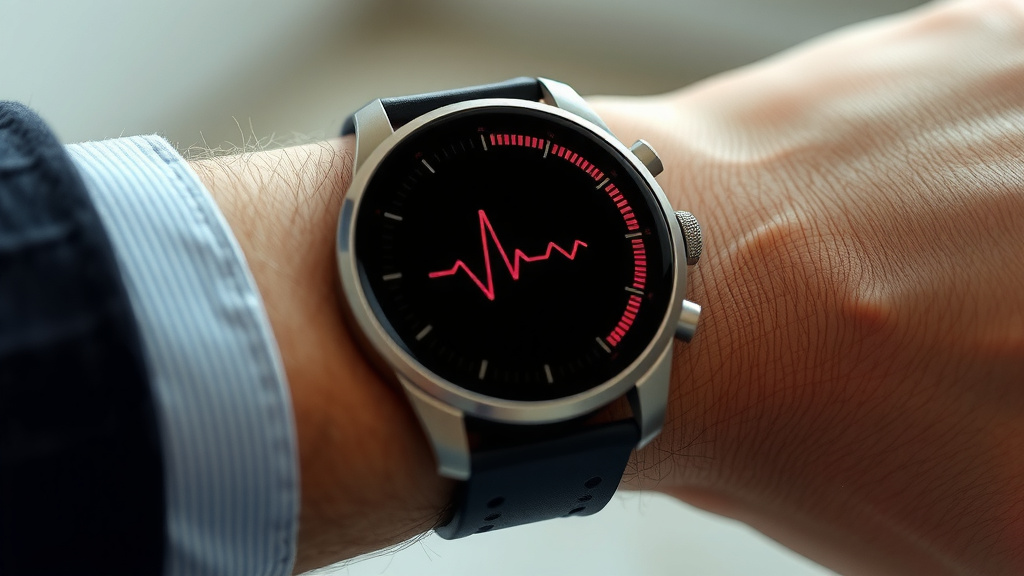
We touched on this earlier, but let’s go a little deeper. Smartwatches use different methods to measure your respiratory rate. The most common is by using the accelerometer and gyroscope sensors. These track tiny movements in your chest or torso.
Imagine your chest rising and falling with each breath. Even subtle movements can be detected by these sensitive sensors. Your watch’s software then analyzes these movements. It counts how many distinct breathing cycles occur within a minute. This is how it arrives at your respiratory rate number. It’s a clever way to turn physical motion into a health metric.
The Role of Heart Rate Variability (HRV)
Some advanced smartwatches also use heart rate variability (HRV) data. HRV refers to the variation in the time interval between consecutive heartbeats. While it might seem unrelated, your breathing pattern significantly impacts your HRV. For instance, deep, slow breathing tends to increase HRV. This is often associated with relaxation.
Conversely, shallow, rapid breathing can decrease HRV. This is often linked to stress. By analyzing the fluctuations in your heart rate, some algorithms can infer your breathing rate. They look for patterns that correlate with specific breathing rhythms. It’s another sophisticated method that adds to the accuracy of the reading. Many experts find HRV to be a sensitive indicator of the autonomic nervous system’s state.
Interpreting Your Respiratory Rate Data
Now that you know what your respiratory rate is and how it’s measured, how do you use this information? The most important thing is to establish your personal baseline. Pay attention to what your watch reports when you feel perfectly healthy and relaxed. This is your normal.
As you track your respiratory rate over days and weeks, you’ll start to see patterns. You might notice your rate increases before a big presentation. Or perhaps it dips significantly after a good night’s sleep. This is the power of the data. It helps you connect your physical sensations with objective numbers.
When to Consult a Healthcare Professional
It’s essential to remember that your smartwatch is a consumer device. It is not a medical diagnostic tool. If you notice persistent, significant changes in your respiratory rate that worry you, it’s always best to consult a doctor. This is especially true if you have other symptoms.
For example, if your resting respiratory rate consistently stays above 25 breaths per minute, or drops below 10, and you feel unwell, seek medical advice. Your doctor can provide a proper diagnosis and recommend appropriate steps. Think of your smartwatch data as a helpful conversation starter with your physician.
Getting the Most Out of Your Smartwatch’s Feature
To get the most accurate and useful data from your smartwatch’s respiratory rate tracking, consider these tips:
- Wear your watch consistently, especially at night. Accurate readings rely on continuous data.
- Ensure your watch fits snugly but comfortably. This helps the sensors maintain good contact.
- Avoid checking your rate immediately after strenuous activity. Wait until you’re resting.
- Note any unusual feelings or symptoms alongside changes in your rate. Context is key.
- Sync your data regularly. This ensures you have the most up-to-date information.
- Be patient. It takes time to establish a reliable baseline and identify patterns.
Conclusion
Your smartwatch’s respiratory rate feature offers a fascinating look into your body’s daily functioning. By tracking breaths per minute, it provides a simple yet powerful metric. This number can reflect your stress levels, fitness progress, and even sleep quality. Remember that consistency is key when using this tool. Establish your personal baseline by wearing your watch regularly. Use this data as a conversation starter with your doctor if you have concerns. Take this information and use it to feel more in tune with your well-being!
Frequently Asked Questions
Can my smartwatch accurately measure my respiratory rate?
Your smartwatch uses sensors to detect subtle chest movements or changes in heart rate variability. While research shows these methods can be quite accurate for tracking trends, they are not medical-grade devices. They provide a helpful estimate of your breathing rate.
How is my respiratory rate different during sleep compared to when I’m awake?
Generally, your respiratory rate is lower when you are asleep or at rest. This is because your body needs less oxygen. When you’re awake and active, or experiencing stress, your breathing rate naturally increases.
What if my smartwatch shows a high respiratory rate during sleep?
An elevated or erratic respiratory rate during sleep might suggest your body is under stress or experiencing breathing irregularities. While your watch can flag this, it’s important to discuss any persistent changes with your doctor for a proper evaluation.
Should I worry if my respiratory rate changes throughout the day?
It’s normal for your respiratory rate to fluctuate. It will naturally increase with physical activity and decrease with relaxation or sleep. Consistent, significant deviations from your personal baseline when you feel well might warrant a closer look or a doctor’s opinion.
Can I use my smartwatch’s respiratory rate to diagnose health problems?
No, your smartwatch is designed for general wellness tracking, not medical diagnosis. It can highlight patterns or changes that might be worth discussing with a healthcare professional. Always consult your doctor for any health concerns.
![7 Best Apple Compatible Smart Watches [2026]](https://smartwatchbest.com/wp-content/uploads/2026/06/7-best-apple-compatible-smart-watches-2026-featured-768x432.jpg)
![7 Best Looking Men'S Smart Watch [2026]](https://smartwatchbest.com/wp-content/uploads/2026/08/7-best-looking-men-s-smart-watch-2026-featured-768x432.jpg)
![7 Best Smart Watch For Android Under $100 [2026]](https://smartwatchbest.com/wp-content/uploads/2026/08/7-best-smart-watch-for-android-under-100-2026-featured-768x432.jpg)