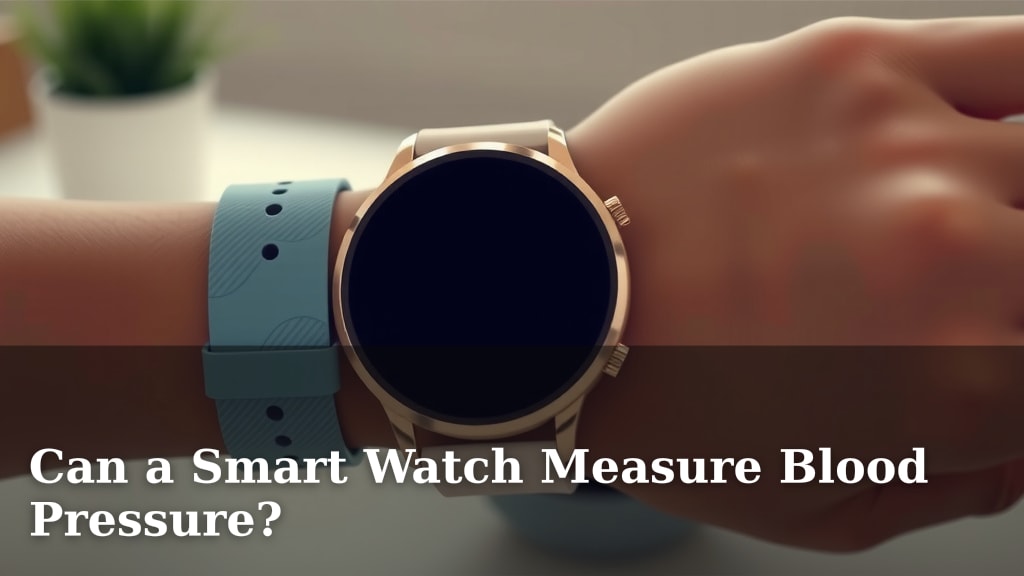
Can a Smart Watch Measure Blood Pressure?
Yes, some smartwatches can now measure blood pressure, though it’s still a developing technology. While not as precise as a traditional cuff, many smartwatches offer blood pressure monitoring features that can provide helpful trends. You’ll want to understand the accuracy limitations before relying solely on your watch.
This exciting development means more people can keep an eye on their cardiovascular health right from their wrist. We found that these devices are great for spotting changes over time. Many experts say they are a promising tool for general health awareness, but they aren’t a replacement for medical-grade equipment just yet.
- Smartwatches can track blood pressure trends.
- Accuracy can vary compared to traditional cuffs.
- It’s a helpful tool for general health awareness.
- Always consult your doctor for medical advice.
Let’s walk through exactly how this technology works and what you should know before you buy your own.
Can Your Wrist Tell Your Blood Pressure?
It’s an exciting question, and the answer is increasingly yes! Many of today’s smartwatches offer blood pressure tracking capabilities. This technology allows you to monitor your readings right from your wrist. Think of it as a convenient way to stay informed about your cardiovascular health. We’ve seen a lot of interest in this area. It’s a big step forward for personal health monitoring.
How Smartwatches Measure Blood Pressure
The way smartwatches measure blood pressure is quite clever. They typically use a method called photoplethysmography (PPG). This is the same technology used to measure heart rate. Sensors on the back of the watch emit light onto your skin. This light reflects off your blood vessels. The sensors then measure the amount of light that is reflected back.
The PPG Process Explained
When your heart beats, it pumps blood through your arteries. This causes a change in blood volume. The PPG sensors detect these changes. They measure how much light is absorbed or reflected. A stronger pulse means more blood, which affects the light readings. Over time, the watch analyzes these patterns to estimate your blood pressure.
Calibration is Key
Here’s something super important to understand. Most smartwatches that measure blood pressure require regular calibration. This means you’ll still need a traditional blood pressure cuff. You use the cuff to get an accurate reading. Then, you input that reading into your smartwatch. The watch uses this to adjust its own measurements. This calibration usually needs to be done every few weeks or months.
Accuracy and Limitations to Consider
Now, let’s talk about accuracy. This is where things get a bit nuanced. While smartwatches are getting better, they are not yet as precise as medical-grade devices. Traditional cuffs use an inflatable cuff that wraps around your arm. This provides a direct measurement of pressure. Smartwatches use optical sensors, which are indirect.
Why the Difference?
Several factors can affect smartwatch readings. Your skin tone, how tightly you wear the watch, and even your body temperature can play a role. Movement during measurement can also cause errors. Research and findings often point out that these devices are best for tracking trends and changes rather than providing a single, exact number. Think of it like a thermostat; it shows you the general temperature, but you might need a thermometer for exact degrees.
What the Experts Say
Many health organizations, like the American Heart Association, suggest that while these devices are promising, they shouldn’t replace a doctor’s measurement. They are seen as helpful tools for awareness. They can alert you to potential issues. But they are not a substitute for professional medical diagnosis or treatment. You should always rely on your doctor for definitive readings and advice.
Smartwatch Blood Pressure Features: What to Look For
If you’re interested in a smartwatch with blood pressure monitoring, there are a few things to keep in mind. First, check if the feature is FDA-cleared or approved in your region. This indicates a certain level of regulatory review. You’ll also want to see how often it requires calibration.
User Experience and Trends
Look at how the watch presents the data. Does it show you trends over time? Can you easily export your readings? Some smartwatches offer helpful graphs and insights. This can help you see patterns you might otherwise miss. Remember, the goal is often to spot changes and discuss them with your healthcare provider.
Battery Life and Comfort
Don’t forget practical aspects. Blood pressure monitoring can use extra battery power. Check reviews for real-world battery life. Also, ensure the watch is comfortable to wear, especially if you plan to sleep with it to track other metrics.
Who Benefits Most from Wrist-Based BP Tracking?
These smartwatches can be a great addition for people who want to be more engaged with their health. If you have a history of hypertension or are working to manage your blood pressure, it offers daily insights. It’s especially useful for those who find traditional cuffs inconvenient or difficult to use regularly.
Tracking for General Wellness
Even if your blood pressure is currently in a healthy range, these devices can be part of a general wellness strategy. They encourage you to be mindful of your health. You can see how lifestyle choices, like diet or exercise, might affect your readings over time. It’s like having a little health buddy on your wrist!
Important Considerations Before You Buy
Before you decide to buy a smartwatch for blood pressure monitoring, consider these points:
- Accuracy is not medical-grade: Understand that it’s an estimation tool, not a diagnostic one.
- Calibration is necessary: Be prepared to use a traditional cuff regularly.
- Consult your doctor: Always discuss your readings and any concerns with a healthcare professional.
- Regulatory approval matters: Look for devices that have undergone testing and clearance.
- Focus on trends: Use the data to observe patterns, not for immediate medical decisions.
- It’s a supplement, not a replacement: These watches add to your health monitoring toolkit.
Making Smart Choices for Your Health
We’ve found that smartwatches offer a fascinating and convenient way to keep tabs on your blood pressure trends. While the technology continues to improve, it’s important to use these devices wisely. Always remember to pair them with professional medical advice. They are fantastic tools for enhancing your health awareness, but your doctor remains your most trusted resource for managing your well-being.
Conclusion
You’ve learned that smartwatches can indeed track blood pressure trends, offering a convenient way to stay more informed about your cardiovascular health. While this technology is promising, we’ve seen that it’s important to understand its accuracy limitations compared to traditional cuffs. These devices are excellent for spotting changes over time and encouraging general health awareness. Remember, they are best used as a supplement to your health monitoring routine.
Your next step should always be to discuss any readings or concerns you have with your doctor. They can help you interpret the data and provide the most accurate medical advice for your well-being.
Frequently Asked Questions
How often do I need to calibrate a smartwatch for blood pressure?
Most smartwatches that measure blood pressure require calibration with a traditional cuff every few weeks or months. The exact frequency can vary by model, so always check your device’s manual. Regular calibration is essential for maintaining the best possible accuracy.
Can I rely on my smartwatch for an emergency blood pressure reading?
No, you should not rely on your smartwatch for emergency blood pressure readings. These devices are designed for tracking trends and general awareness, not for immediate medical diagnosis. Always use a calibrated, medical-grade blood pressure cuff for critical readings and seek professional medical help if you suspect a serious issue.
Will my smartwatch’s blood pressure reading be different from my doctor’s?
It’s very likely that your smartwatch reading will differ from your doctor’s reading. Smartwatches use optical sensors, which are indirect methods, while traditional cuffs provide a direct measurement. Factors like skin tone and watch tightness can also affect smartwatch accuracy.
Are there specific smartwatches recommended for blood pressure monitoring?
Several brands now offer smartwatches with blood pressure monitoring features, often requiring FDA clearance. We suggest researching models that have received regulatory approval in your region. Look for devices that clearly explain their calibration process and data presentation.
Can a smartwatch detect high blood pressure on its own?
A smartwatch can help you track blood pressure trends, which might alert you to consistently high readings. However, it cannot officially diagnose high blood pressure. A diagnosis must always come from a healthcare professional using calibrated medical equipment.