Smart Watches: Your Guide to What They’re For
Smartwatches are wearable computers that offer a convenient way to stay connected and track your health. They function like mini smartphones on your wrist, displaying notifications, apps, and fitness data right where you can see them. Think of them as your personal assistant, fitness coach, and communication hub, all in one stylish package.
Beyond just telling time, these devices have become incredibly versatile. They can monitor your heart rate, count your steps, and even detect falls, offering peace of mind and a push towards a healthier lifestyle. Many are designed to sync with your smartphone, making it easier than ever to manage calls, texts, and your favorite apps on the go.
- Smartwatches are mini-computers for your wrist.
- They help you stay connected with notifications.
- You can track fitness and health metrics easily.
- They offer a range of apps for daily tasks.
Let’s dive into what makes these smartwatches so useful and how they can fit into your daily life.
Understanding the Purpose of Smartwatches Today
So, you’re curious about what smartwatches are really for, beyond just looking cool on your wrist? You’ve come to the right place. These handy gadgets have moved far beyond being mere timepieces. They act as extensions of your smartphone. They also serve as personal wellness companions. We’ve found that understanding their core functions can really change how you use them.
Staying Connected Effortlessly
One of the biggest reasons people love smartwatches is staying connected without constantly pulling out their phone. Imagine you’re in a meeting, or your hands are full. A quick glance at your wrist tells you if that incoming call or text message is important. You can even dismiss notifications or send quick replies directly from your watch. This makes managing your communications much smoother.
Your Personal Fitness Coach
For anyone interested in health and fitness, smartwatches are a dream come true. They track a surprising amount of data. You can monitor your steps taken, distance covered, and calories burned throughout the day. Many devices also offer heart rate monitoring. This can help you understand your cardiovascular health better. They often include guided workouts and reminders to move if you’ve been sitting too long. Many devices also offer heart rate monitoring, and can count your steps.
Heart Health Monitoring
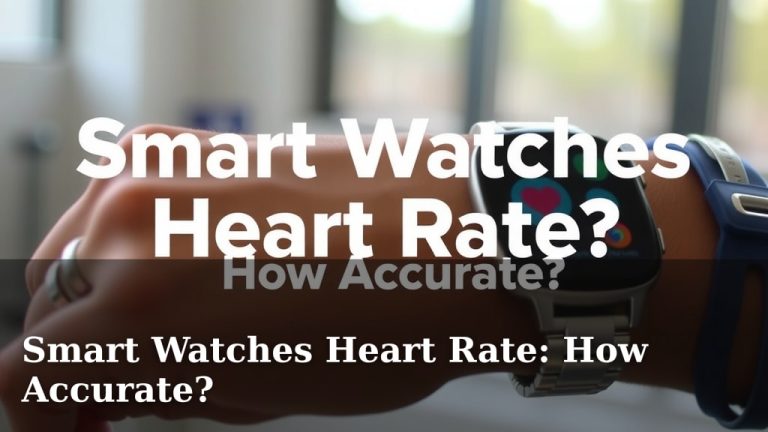
Your heart is pretty important, right? Smartwatches can help keep an eye on it. They continuously measure your heart rate. Some advanced models can even detect irregular heart rhythms, like atrial fibrillation. This early detection can be vital. Guidelines from organizations like the American Heart Association suggest monitoring heart rate is a good practice for understanding your fitness levels and potential issues.
Activity and Sleep Tracking
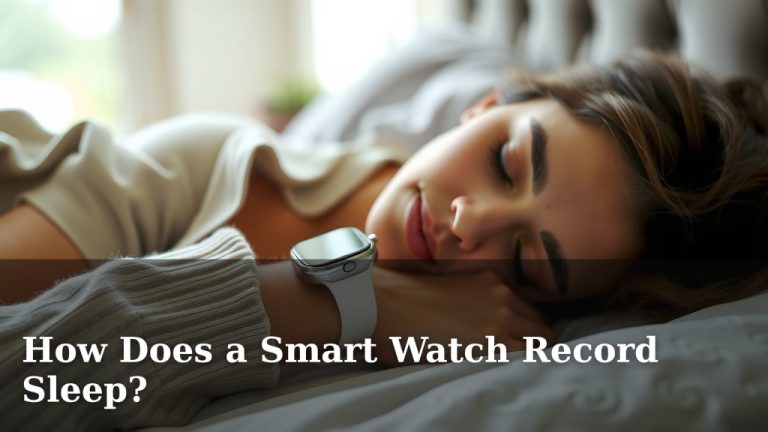
Getting enough sleep is just as crucial as exercise. Smartwatches can track your sleep patterns. They analyze how long you sleep, how much time you spend in different sleep stages, and how restless you are. This information can help you identify habits that might be affecting your sleep quality. Many experts agree that understanding your sleep is key to overall well-being (National Sleep Foundation). Smartwatches can track your sleep patterns.
Convenience on Your Wrist
Think about all the little tasks you do daily. Smartwatches can simplify many of them. You can make contactless payments with a tap of your wrist. Need to set a timer for cooking? Just ask your watch. Lost your phone? Many smartwatches can help you locate it by making it ring. These small conveniences add up, saving you time and hassle.
Access to Apps and Information
Smartwatches are essentially mini-computers. This means they run apps. You can find apps for almost anything. Weather updates, news headlines, navigation, music control, and even simple games are often available. The ecosystem is constantly growing. This allows you to customize your watch to suit your specific needs and interests.
More Than Just Notifications: Advanced Features
While notifications and fitness are huge draws, smartwatches offer even more. They can provide safety features and specialized tracking for various activities. Let’s look at some of these advanced capabilities that might surprise you.
Safety Features for Peace of Mind
For some, a smartwatch offers a critical layer of safety. Fall detection is a standout feature. If the watch detects a hard fall, it can automatically call emergency services or your designated contacts. This is particularly comforting for older adults or those who live alone. Some watches also offer an emergency SOS function you can activate manually.
Specialized Sports and Activity Tracking
Are you a runner, swimmer, cyclist, or hiker? Your smartwatch can likely track it. They come with built-in GPS to map your routes accurately. They offer specific metrics for different sports. For example, a runner might see pace and stride length. A swimmer might track laps and stroke efficiency. This detailed data helps you train smarter and improve your performance.
Built-in GPS for Outdoor Activities
Leave your phone behind on your next run or bike ride! The integrated GPS means your watch can track your route, distance, and pace independently. This is fantastic for anyone who prefers to travel light. You get accurate data without needing to carry extra devices.
Water Resistance for Swimmers and Daily Use
Worried about getting your watch wet? Most modern smartwatches are water-resistant. You can wear them in the shower or while swimming. This means you can track your swim workouts and keep your watch on all day without worry. Always check the specific water resistance rating for your model.
Health Beyond Fitness: ECG and Blood Oxygen
Some high-end smartwatches offer even more advanced health sensors. An electrocardiogram (ECG) app can record a single-lead ECG, similar to what you’d get in a doctor’s office. This can help detect signs of atrial fibrillation. Blood oxygen monitoring measures the oxygen saturation level in your blood. These readings can provide additional insights into your overall health and fitness. Always remember that these features are for informational purposes and not a substitute for professional medical advice (FDA).
Choosing the Right Smartwatch for You
With so many options available, selecting the perfect smartwatch can seem daunting. Consider what features matter most to your lifestyle. Here’s a quick checklist to guide your decision:
- Compatibility: Does it work with your smartphone (iOS or Android)?
- Fitness Goals: Do you need advanced sports tracking or basic step counting?
- Health Features: Are ECG, blood oxygen, or advanced sleep tracking important?
- Battery Life: How often do you want to charge it?
- Style and Comfort: Will you wear it all day and night?
- Budget: What price range are you comfortable with?
No two people use a smartwatch exactly the same way. Whether you want to stay connected, improve your fitness, or simply make daily tasks a bit easier, there’s likely a smartwatch out there that fits your needs perfectly. It’s about finding that perfect blend of technology and personal convenience.
Conclusion
Smartwatches are far more than just fancy timepieces. You’ve seen how they can keep you connected without constant phone checks. They act as your personal fitness coach, monitoring everything from steps to sleep. Advanced safety and health features offer extra peace of mind. Plus, convenient apps and payments simplify your day.
Your smartwatch can truly adapt to your life. Think about your priorities—whether it’s fitness, communication, or convenience. Once you know what matters most to you, choosing the right model becomes much easier. Start exploring your options and find the perfect smart companion for your wrist.
Frequently Asked Questions
Do I really need a smartwatch if I already have a smartphone?
You might not “need” one, but a smartwatch offers unique convenience. It keeps important information and quick controls right on your wrist. This means fewer times you need to pull out your phone, especially when you’re busy or on the move. It can simplify your daily digital interactions.
Are smartwatches good for general health tracking, or just fitness?
They are excellent for both! While they excel at tracking workouts, steps, and calories, they also monitor sleep patterns and heart rate. Some models even offer advanced health features like ECG and blood oxygen levels. They provide a broader picture of your overall well-being.
Can I use a smartwatch without a smartphone nearby?
Many smartwatches can perform basic functions like tracking activities and telling time without a phone. However, to get the most out of them, like receiving notifications, using apps, or making calls, you’ll typically need them to be connected to your smartphone, usually via Bluetooth.
How accurate is smartwatch health tracking?
For general health metrics like steps and heart rate, smartwatches are quite accurate for everyday use. For more advanced features like ECG or blood oxygen, they provide useful readings but are not medical-grade devices. They offer great insights and can prompt you to speak with a doctor.
Will a smartwatch help me be more active?
For many users, the answer is yes. Smartwatches provide constant feedback on your activity levels. They offer reminders to move and can set daily goals. Seeing your progress visually can be a powerful motivator to get up and stay active throughout the day.
![7 Best Smart Fitness Watch For Women [2026]](https://smartwatchbest.com/wp-content/uploads/2026/08/7-best-smart-fitness-watch-for-women-2026-featured-768x432.jpg)
![7 Best Apple Smart Watches For Women [2026]](https://smartwatchbest.com/wp-content/uploads/2026/06/7-best-apple-smart-watches-for-women-2026-featured-768x432.jpg)