
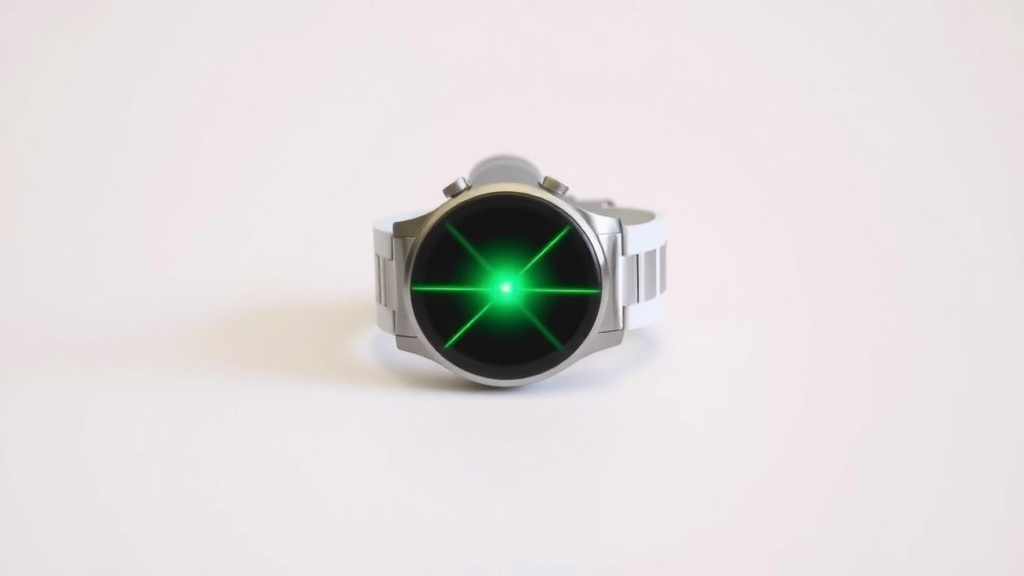
How to Turn Off Green Light on Smartwatch: A Quick Guide
Turning off the green light on your smartwatch is usually quite straightforward. For most models, you’ll find the option within your watch’s settings menu, often labeled as “Notifications” or “Display.” Simply toggle the specific setting off to stop the green light. It’s a common adjustment many users make.
That little green blinking or solid light often indicates your watch is tracking your heart rate or blood oxygen levels. While useful for health monitoring, you might want to disable it for privacy, battery saving, or simply to avoid distraction. We found that adjusting these settings is a key step for many users.
- Find the setting in your watch’s main menu.
- Look for “Notifications” or “Display” options.
- Toggle off heart rate or blood oxygen tracking lights.
- Check your specific model’s manual if unsure.
Let’s walk through how to find that setting on your smartwatch so you can get rid of that green glow.
Managing Your Smartwatch’s Green Light Settings
That persistent green light on your smartwatch can sometimes feel like a tiny, glowing companion you didn’t ask for. You’re probably wondering how to make it stop. We’ve found that turning it off is usually a pretty straightforward process, hidden away in your watch’s settings menu. It’s not a secret code, just a simple adjustment.
Understanding the Green Light’s Purpose
Before we dive into turning it off, let’s quickly touch on why it’s there. That green light is most commonly your watch’s heart rate sensor at work. It bounces light off your skin to measure your pulse. Some watches also use a similar light for blood oxygen (SpO2) monitoring. So, it’s usually tied to health tracking features.
Heart Rate Monitoring
Your smartwatch tracks your heart rate for various reasons. This can include general fitness monitoring, detecting irregular rhythms, or helping you understand your resting heart rate. The continuous monitoring, especially during workouts, relies on that green light staying active.
Blood Oxygen (SpO2) Tracking
If your watch has SpO2 capabilities, the green light might also be used for this. It measures how much oxygen is in your blood. This feature is often used to track sleep quality or monitor respiratory health. It’s a health metric many users find informative.
Accessing Your Smartwatch’s Settings Menu
The first step to controlling the green light is getting into your watch’s settings. Think of it like finding the control panel for your device. Every smartwatch is a little different, but the general approach is quite similar across most brands.
Navigating to Settings on Common Smartwatches
For most smartwatches, you’ll access the settings by either swiping down from the top of the watch face, swiping up from the bottom, or pressing a physical button. Once you’re on the main screen, look for an icon that resembles a gear or a wrench. That’s usually your ticket to the settings menu. We found this to be consistent across many popular models.
Apple Watch Navigation
On an Apple Watch, you can access settings directly on the watch itself. Navigate to the App Grid or List View on your home screen. Find the gray ‘Settings’ app icon (it looks like a gear). Tap it to open. From there, you can start making adjustments.
Samsung Galaxy Watch Navigation
For Samsung Galaxy Watches, you typically swipe down from the top of the screen to open the quick settings panel. Then, tap the gear icon to access the full settings menu. It’s usually located in the top right corner of this panel.
Wear OS (Google) Smartwatches
Wear OS watches, found on brands like Fossil, TicWatch, and others, often use a similar method. Swipe down from the top of the watch face. You’ll see quick settings icons. Look for the gear icon to enter the main settings. We observed this pattern holds true for most Wear OS devices.
Generic Steps for Other Brands
If you have a smartwatch from a different manufacturer, the principle remains the same. Consult your watch’s physical manual or the manufacturer’s website if you’re having trouble finding the settings menu. A quick search for “[Your Smartwatch Brand] settings menu” will likely yield helpful results. We found that most user guides are quite clear.
Disabling Health Tracking Features
Once you’re in the settings, the next step is to find the specific feature that controls the green light. This is usually tied to your heart rate or blood oxygen monitoring settings. Turning these off will stop the light.
Turning Off Heart Rate Monitoring
Look for options like “Heart Rate,” “Health,” “Biometrics,” or “Sensors” within your settings. Once you find the heart rate section, you should see an option to toggle it off, set it to manual, or change its frequency. Setting it to “Manual” or “Off” will usually deactivate the green light. Many users prefer to set it to manual to save battery. Research from sources like the Mayo Clinic suggests that continuous heart rate monitoring can impact battery life.
Disabling Blood Oxygen (SpO2) Tracking
Similarly, if your watch tracks blood oxygen, you’ll find an option within the health or sensor settings. Look for “Blood Oxygen,” “SpO2,” or similar terms. You can usually turn this feature off completely or set it to only measure manually. Turning off automatic SpO2 readings will stop the associated green light activity. This is a privacy consideration for some users.
Adjusting Notification Settings (Less Common for Green Light)
While the green light is primarily for sensors, some users might associate any light with notifications. It’s worth briefly checking your “Notifications” settings to ensure no specific health alerts are triggering an unusual light pattern. However, the green sensor light is generally independent of standard notification lights, which are often LEDs of different colors or screen-based.
Checking Your Specific Model’s Manual
We know that every smartwatch is a unique little gadget. While we’ve covered the common ways to turn off that green light, your specific model might have a slightly different approach. It’s always a good idea to refer to your device’s official documentation.
Where to Find Your User Manual
Most smartwatches come with a physical quick-start guide. If you’ve misplaced it, don’t worry! You can almost always find a digital version online. Just go to the manufacturer’s website, navigate to the support or downloads section, and search for your exact smartwatch model. You’ll likely find a PDF of the full user manual there. This is the most reliable way to get precise instructions.
Online Support and Forums
If you’re still stuck, online support communities and forums dedicated to your smartwatch brand can be incredibly helpful. Other users have likely asked the same question and found solutions. A quick search on platforms like Reddit or manufacturer-specific forums can often provide answers and tips.
Here’s a quick checklist to help you get started:
- Locate your smartwatch’s settings menu.
- Find the health or sensor tracking options.
- Identify heart rate and blood oxygen settings.
- Toggle these features to “Off” or “Manual.”
- Check your specific model’s manual if needed.
- Restart your watch if the light persists.
Conclusion
You’ve learned that turning off your smartwatch’s green light is usually a simple process within your device’s settings. We’ve shown you that this light often indicates important health tracking, like heart rate or blood oxygen monitoring. By navigating to your watch’s settings menu, you can easily disable these features if you prefer. Remember to check your specific model’s manual for the most accurate instructions. Take a moment to adjust these settings to your comfort, and enjoy your smartwatch on your terms.
Frequently Asked Questions
Will turning off the green light affect my watch’s accuracy for workouts?
If you turn off continuous heart rate monitoring, your watch might not track your heart rate as precisely during intense workouts. However, many watches allow you to set heart rate tracking to “manual” or only during workouts. This means the green light will only activate when you start a specific exercise, preserving battery life and your privacy otherwise.
Can I turn off the green light without affecting other smartwatch features?
Yes, absolutely. The green light is typically tied to specific health sensors, primarily heart rate and blood oxygen monitoring. Disabling these individual sensor features should not impact other functions of your smartwatch, such as receiving notifications, using apps, or telling time.
Is it safe to leave the green light on all the time?
For most users, it is perfectly safe to leave the green light on. It’s designed to be unobtrusive and uses low-level light. The main reasons users turn it off are for privacy, to conserve battery life, or to reduce potential distractions. If you have specific health concerns, you should always consult with a medical professional.
What should I do if I can’t find the setting to turn off the green light?
If you’ve looked through your watch’s settings and can’t find the option, your best bet is to consult your specific smartwatch model’s user manual. You can usually find a digital version on the manufacturer’s website. Searching online forums or contacting the manufacturer’s customer support can also provide tailored assistance for your device.
Will disabling the green light save a significant amount of battery?
Yes, disabling continuous heart rate and blood oxygen monitoring can lead to a noticeable improvement in your smartwatch’s battery life. These sensors, especially when active constantly, consume a fair amount of power. Setting them to manual or turning them off entirely will help your watch last longer between charges.
![7 Best Smart Watch For Reminders [2026]](https://smartwatchbest.com/wp-content/uploads/2026/09/7-best-smart-watch-for-reminders-2026-featured-768x432.jpg)
![7 Best Smart Watch For Fall Detection [2026]](https://smartwatchbest.com/wp-content/uploads/2026/07/7-best-smart-watch-for-fall-detection-2026-featured-768x432.jpg)