
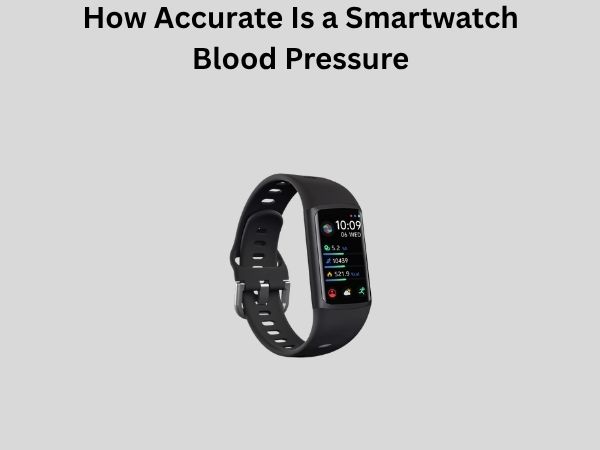
How Accurate Is a Smartwatch Blood Pressure? A Complete Comparison and Testing Guide
You’re scrolling through your smartwatch, and it pops up with a notification: your blood pressure reading is 128/82 mmHg. But here’s the thing—how much should you actually trust that number? If you’re like most people, you’ve probably wondered whether these wearable devices are reliable enough to replace traditional blood pressure monitors or if they’re just glorified fitness trackers pretending to be medical devices.
In this comprehensive guide, we’re diving deep into the world of smartwatch blood pressure monitoring. We’ll explore the technology behind it, compare it with clinical-grade equipment, discuss real-world testing results, and help you understand exactly what these gadgets can and cannot do for your health.
Understanding Smartwatch Blood Pressure Monitoring Technology
Before we talk about accuracy, let’s understand how smartwatches actually measure blood pressure in the first place. Think of it like learning a new language—once you know the grammar, everything else makes more sense.
How Do Smartwatches Measure Blood Pressure?
Most modern smartwatches use a technology called photoplethysmography, or PPG for short. In simpler terms, these devices use LED lights and optical sensors to detect changes in blood flow through your wrist. When your heart beats, blood flows through your arteries, and this creates subtle changes in light absorption. The smartwatch sensors pick up on these variations and use complex algorithms to estimate your blood pressure.
Some premium smartwatches, particularly those from brands like Samsung and Huawei, have also integrated additional sensors. These include electrocardiogram sensors (ECG) that measure electrical activity in your heart, which provides extra data points for more informed calculations.
The Difference Between Optical and Cuff-Based Measurement
Here’s where it gets interesting. Traditional blood pressure monitors—the ones you find at your doctor’s office or pharmacy—use an inflatable cuff that measures the actual pressure exerted by your blood against your artery walls. This is direct measurement. Smartwatches, on the other hand, use indirect estimation based on your pulse wave characteristics. It’s kind of like the difference between measuring someone’s height with a ruler versus guessing it based on how they compare to other people you know.
Clinical Accuracy: What the Research Actually Shows
Now let’s talk about the real question on everyone’s mind: do these devices actually work?
Current Scientific Evidence and Studies
Multiple peer-reviewed studies have examined smartwatch blood pressure accuracy, and the results are somewhat mixed. Most research indicates that while smartwatches can provide useful trend information, they’re not quite at the level of clinical-grade devices for precise measurements.
A significant study published in medical journals found that popular smartwatch models had an average error range of 5-10 mmHg compared to standard clinical monitors. To put this in perspective, the American Medical Association considers a device clinically acceptable if it has a mean absolute error of less than 5 mmHg. Most smartwatches fall just outside this threshold, though some newer models are getting closer.
FDA Approval and Regulatory Status
This is crucial information that many people overlook. As of now, very few smartwatches have received FDA approval as actual blood pressure monitoring devices. The FDA has strict requirements for medical devices, and most smartwatches don’t meet these standards—yet. Some manufacturers have received FDA clearance for specific blood pressure features, but this is still relatively rare in the smartwatch market.
Think of it this way: getting FDA approval is like passing a rigorous driver’s license test, whereas most smartwatches are still in the practice phase. They’re improving, but they’re not quite there yet.
Comparing Smartwatches With Traditional Blood Pressure Monitors
Accuracy Comparison Table
Let’s break down how different types of devices stack up against each other:
- Clinical Mercury Sphygmomanometers: The gold standard with near-perfect accuracy (error rate less than 2 mmHg)
- Digital Cuff Monitors: Highly accurate with error rates typically under 3-5 mmHg
- Smartwatches (Current Generation): Moderate accuracy with error rates between 5-15 mmHg depending on the model
- Fitness Trackers Without Calibration: Generally unreliable for blood pressure measurement
Why the Differences Exist
Several factors contribute to the accuracy gap between smartwatches and traditional monitors. First, smartwatches measure from your wrist, which is further from your heart than your arm where traditional monitors measure. This distance matters because blood pressure varies throughout your circulatory system—it’s stronger closer to your heart.
Second, wrist position and movement significantly affect readings. If your wrist isn’t perfectly still or positioned at heart level, the reading can be compromised. Traditional cuff monitors are less sensitive to these positioning issues because the cuff stabilizes your arm.
Third, the algorithms used by smartwatches need to be individually calibrated to your unique physiology. Some devices require you to calibrate them against a clinical monitor first, while others attempt to work without calibration. Calibrated devices tend to be more accurate, but this adds an extra step to the process.
Real-World Testing Results From Popular Smartwatch Brands
Samsung Galaxy Watch Series
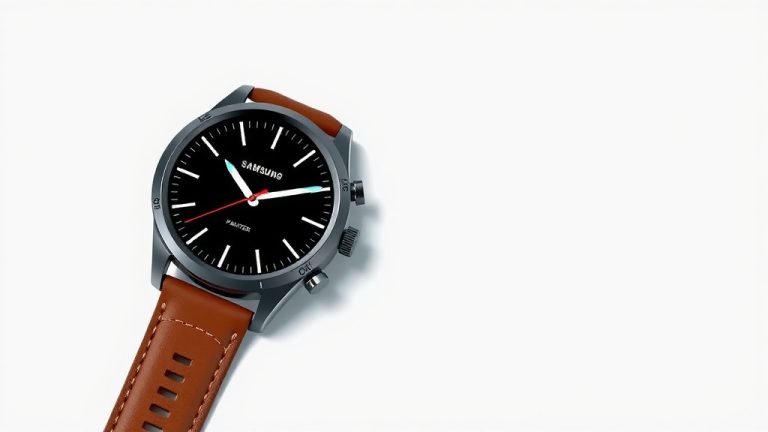
Samsung has invested heavily in health monitoring features. Their Galaxy Watch models include blood pressure monitoring capabilities, and some versions have received FDA clearance in certain regions. Testing shows that when properly calibrated, Samsung watches typically achieve accuracy within the 5-10 mmHg range. However, without proper calibration and optimal positioning, accuracy can drop to 10-15 mmHg or worse.
Huawei Watch Series
Huawei watches offer similar technology to Samsung, with optical sensors combined with ECG functionality. Independent testing suggests comparable accuracy levels, though some users report better results with Huawei’s devices. The key variable remains consistent positioning and calibration.
Apple Watch
Interestingly, Apple hasn’t emphasized blood pressure monitoring in their watch lineup as heavily as competitors. While newer models have more advanced sensors, Apple has been cautious about promoting blood pressure features without stronger clinical validation. This might actually indicate a more conservative approach to health claims.
Garmin and Fitbit
These brands have incorporated blood pressure features in some models, with varying degrees of accuracy. Generally, they fall into the moderate accuracy range, performing better for trend analysis than for spot-on readings.
Factors That Influence Smartwatch Blood Pressure Accuracy
Individual Physiological Differences
Here’s something important: your blood pressure watch reads your unique biological signature. Factors like skin tone, wrist composition, tattoos, and even body hair can affect how optical sensors read your blood flow. Studies have noted that devices may perform differently across different populations, which is a significant consideration for ensuring fair and reliable technology.
Proper Positioning and Calibration
This cannot be overstated. Your smartwatch must be worn snugly but not too tight, positioned correctly on your wrist, and your arm must be at heart level when taking a reading. Most people don’t realize how critical positioning is. If your watch is too loose, the sensors can’t get an accurate reading. If your arm is hanging down, gravity affects the measurement.
Many smartwatches require initial calibration against a clinical blood pressure monitor. This process teaches the device’s algorithm how your specific wrist measurements correlate with your actual blood pressure. Skipping this step dramatically reduces accuracy.
Physical Movement and Activity
Taking a blood pressure reading while moving or immediately after exercise is like trying to photograph a moving target with a slow camera. Your heart rate and blood pressure fluctuate significantly during and after physical activity. For the most accurate readings, you should sit quietly for at least five minutes before taking a measurement, just like you would at a doctor’s office.
Stress and Emotional State
Your emotional state directly impacts your blood pressure. If you’re stressed, excited, or anxious when your smartwatch takes a reading, the measurement will be artificially elevated. This is actually a limitation of continuous monitoring—you get readings at random times that might not reflect your baseline blood pressure.
Device Quality and Update Status
Not all smartwatches are created equal, and manufacturers regularly release firmware updates that improve algorithms. An older smartwatch model will likely be less accurate than a newer one from the same brand. Keeping your device updated is essential for optimal performance.
When to Trust Your Smartwatch Blood Pressure Reading
Best Uses for Smartwatch Blood Pressure Monitoring
Smartwatches excel at one particular task: tracking trends over time. If you’re monitoring how your blood pressure changes throughout the day or how it responds to lifestyle changes, a smartwatch can be valuable. The consistency of measurements from the same device on the same wrist gives you meaningful trend data, even if individual readings aren’t perfectly accurate.
Consider a smartwatch like a weather station that might be off by a few degrees, but you can still tell whether it’s getting warmer or colder over time. That trend information is valuable, even if the absolute temperature isn’t perfect.
When to Use a Traditional Monitor Instead
If your doctor needs an accurate baseline reading, you’re managing hypertension and need precise numbers for medication adjustments, or you’re seeing concerning symptoms, always use a clinical-grade blood pressure monitor. These situations require accuracy you can bank on.
Additionally, if you have irregular heart rhythms, certain skin conditions, or if you’re someone for whom the smartwatch sensors just don’t work well, traditional monitors are your friend.
Tips for Getting the Most Accurate Readings From Your Smartwatch
Proper Setup and Calibration Steps
- Calibrate against a clinical monitor: If your watch supports calibration, do this first. Take readings with both your smartwatch and a clinical monitor simultaneously, and follow the calibration process in your device’s app.
- Use the same time of day: Blood pressure naturally varies throughout the day. Taking readings at consistent times makes trend analysis more meaningful.
- Establish a baseline: Take several readings under ideal conditions (sitting, relaxed, no recent caffeine or exercise) to understand your normal range.
- Keep the watch updated: Regularly check for firmware updates that may improve algorithm accuracy.
Optimal Measurement Technique
- Sit comfortably: Your back should be supported, feet flat on the floor.
- Rest for five minutes: Don’t measure immediately after activity, stress, or caffeine consumption.
- Position the watch correctly: It should sit snugly about a finger’s width above your wrist bone, not too tight or too loose.
- Keep your arm at heart level: Your wrist should be at the same height as your heart when the reading is taken.
- Stay still: Don’t talk or move during the measurement process.
- Use the same wrist: Stick with the same wrist for consistency, as blood pressure can differ slightly between arms.
The Future of Smartwatch Blood Pressure Monitoring
Emerging Technology and Improvements
The good news is that this field is rapidly evolving. Manufacturers are working on multiple fronts to improve accuracy. Some are developing more sophisticated algorithms that account for individual variations. Others are integrating additional sensors—thermal imaging, advanced PPG configurations with multiple LED wavelengths, and improved ECG technology.
Within the next few years, we can expect smartwatches to achieve clinical-grade accuracy for most users. Several companies have already submitted devices for FDA approval, and some early indicators suggest these upcoming models will meet the stringent accuracy requirements.
Integration With Healthcare Systems
As smartwatch accuracy improves and FDA approvals increase, we’ll likely see better integration between your personal device and your medical records. Your doctor might be able to see trend data from your smartwatch, providing valuable information about your blood pressure between office visits.
This kind of continuous monitoring could revolutionize how we manage chronic conditions. Instead of getting a snapshot reading once every few months at your doctor’s office, physicians could have data points from hundreds of measurements over the same period.
Common Misconceptions About Smartwatch Blood Pressure Accuracy
Myth: My Smartwatch Reading Exactly Matches My Blood Pressure
Reality: Even the best smartwatches have a margin of error. View readings as estimates, not absolutes, especially for individual measurements.
Myth: Expensive Smartwatches Are Always More Accurate
Reality: Price doesn’t always correlate with blood pressure accuracy. Some mid-range devices perform as well as or better than premium models. What matters is the specific sensors and algorithms a device uses.
Myth: Once You Calibrate Your Watch, It’s Always Accurate
Reality: Calibration is a starting point, but factors like weight loss, aging, and cardiovascular changes can affect your blood pressure patterns over time. Recalibration annually is a good practice.
Conclusion
So, how accurate is a smartwatch blood pressure monitor? The honest answer is: reasonably accurate for trend tracking, but not quite at the level of clinical-grade equipment for absolute precision.
If you’re using a smartwatch to keep a general eye on your blood pressure, notice concerning patterns, or track how lifestyle changes affect your readings, it’s a fantastic tool. The convenience of having a blood pressure monitor on your wrist means you’re more likely to take regular measurements, which is valuable for understanding your health.
However, if you need precise numbers for medical decisions, especially if you’re managing hypertension with medication, you should continue using traditional clinical monitors alongside your smartwatch. Think of your smartwatch as a helpful supplement to your health monitoring arsenal, not a replacement for established medical devices.
The technology is improving rapidly, and we’re likely just a few years away from smartwatches achieving clinical accuracy. In the meantime, by understanding the limitations and following best practices for measurement, you can get the most value from your device while being realistic about what it can do.
Frequently Asked Questions
Can I rely on my smartwatch blood pressure reading to adjust my medication?
No, you should not adjust medication based solely on smartwatch readings. Always consult your doctor before making any changes to your medication. While smartwatch data can be helpful information to share with your physician, clinical-grade measurements are necessary for medical decisions. Your doctor will want to see readings from a traditional blood pressure monitor before recommending any medication adjustments.
Why does my smartwatch give me different readings throughout the day?
Blood pressure naturally fluctuates throughout the day based on numerous factors including stress, caffeine, exercise, sleep, and even time of day. Additionally, if you’re not following the same measurement technique each time—such as resting period, arm position, or watch fit—you’ll get different readings. This is normal and doesn’t necessarily indicate a problem with your watch.
Do I need to calibrate my smartwatch blood pressure monitor?
It depends on your device. Many modern smartwatches benefit from calibration against a clinical monitor, which improves accuracy. If your watch supports calibration, it’s worth doing. However, some devices work without calibration, though they may be less accurate
![7 Best Smart Watch For Seniors 2024 [2026]](https://smartwatchbest.com/wp-content/uploads/2026/09/7-best-smart-watch-for-seniors-2024-2026-featured-768x432.jpg)
