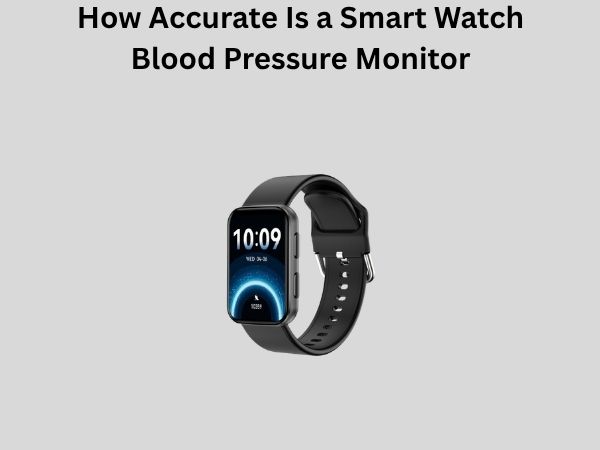
How Accurate Is a Smart Watch Blood Pressure Monitor? A Complete Guide to Features and Reliability
You’re standing in the pharmacy, staring at your wrist-worn device, wondering if you should trust the blood pressure reading it just displayed. Sound familiar? With the explosion of health-tracking technology, millions of people are now asking themselves whether these convenient smartwatch blood pressure monitors are actually reliable enough to replace traditional methods. I get it—the appeal is undeniable. A device that monitors your heart health while also tracking your steps and sending you notifications seems almost too good to be true. And here’s the thing: sometimes, it actually is.
In this comprehensive guide, we’re going to dive deep into the world of smartwatch blood pressure monitors. I’ll break down how accurate they really are, what factors influence their reliability, and whether you should depend on them for serious health decisions. Let’s start by understanding what we’re actually dealing with.
Understanding Smart Watch Blood Pressure Monitors: The Basics
Before we talk about accuracy, we need to understand how these devices actually work. Think of your smartwatch as an ambitious student trying to learn a complex subject—it’s enthusiastic, but it might not have all the answers quite right.
How Do Smart Watches Measure Blood Pressure?
Most smartwatches don’t actually measure blood pressure directly. Instead, they use optical sensors, similar to how they track heart rate. These sensors emit light into your skin and measure how blood cells absorb and reflect that light. From this data, the device attempts to calculate your blood pressure using complex algorithms.
The measurement process involves something called photoplethysmography, or PPG. It’s a fancy term for a relatively simple concept: light goes in, light bounces back, and the device interprets the pattern to estimate your blood pressure. Some premium models use additional sensors, including electrocardiograms (ECG), which can provide more detailed information about your heart’s electrical activity.
The Technology Behind the Scenes
The algorithms that power these measurements are built on machine learning models. Manufacturers train these models using data from thousands of users, teaching the device to recognize patterns between optical sensor readings and actual blood pressure values. However—and this is crucial—the accuracy of these algorithms depends heavily on how representative the training data was.
- Optical sensors measure light reflection from blood vessels
- Algorithms convert sensor data into blood pressure estimates
- Machine learning improves predictions over time in some devices
- Different wrist positions and skin tones can affect readings
- Movement and exercise significantly impact measurement accuracy
The Accuracy Question: What Do Studies Actually Show?
Now for the million-dollar question: how accurate are these devices really? The honest answer is more nuanced than a simple yes or no.
What Research Reveals About Smartwatch Accuracy
Various independent studies have examined smartwatch blood pressure monitors with mixed results. Some consumer-grade smartwatches showed error margins of 5-10 mmHg, while others demonstrated errors exceeding 15 mmHg. For context, the FDA requires blood pressure monitors to have an error of no more than 5 mmHg for approval.
Here’s where it gets interesting: accuracy varies significantly depending on several factors. A device might be reasonably accurate for one person but considerably off for another. This isn’t necessarily the manufacturer’s fault—it’s more about the inherent limitations of the technology and how well it adapts to individual physiology.
Clinical Standards and Smartwatch Reality
Most smartwatches haven’t undergone rigorous clinical validation for blood pressure measurement. This is different from traditional blood pressure monitors, which must meet strict regulatory standards. The distinction matters because it means manufacturers can claim blood pressure monitoring functionality without proving it meets the same accuracy standards as medical-grade devices.
Some newer models have started pursuing clinical validation, which is encouraging. But even validated devices may not be equally accurate for everyone. Your individual characteristics—including wrist circumference, skin tone, arterial stiffness, and heart rate variability—all influence how well the optical sensors can detect your blood pressure.
Key Factors That Influence Smartwatch Blood Pressure Accuracy
Wrist Position and Fit
Let me be straightforward: where you wear your smartwatch matters tremendously. If the device sits too loosely on your wrist, the sensors won’t have consistent contact with your skin. Think of it like trying to listen to someone talking through a door that keeps opening and closing—you’ll catch fragments, but you’ll miss crucial details.
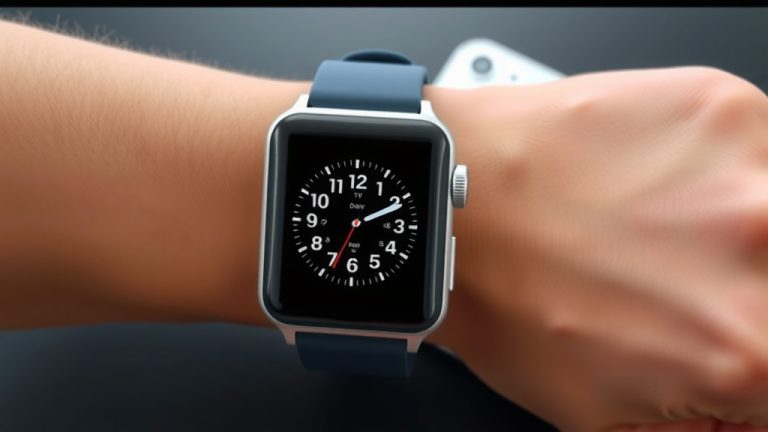
The wrist should be positioned at the level of your heart for the most accurate reading. If your watch dangles below or sits too high, the hydrostatic pressure changes can skew the measurements. Most manufacturers recommend wearing the device snugly but not uncomfortably tight, about a finger’s width of space between the band and your wrist.
Skin Tone and Melanin Content
This is an area where we need to have an honest conversation. Optical sensors work by detecting light reflection from blood vessels. Darker skin tones absorb more light, which can reduce the signal quality that optical sensors receive. Several studies have shown that smartwatches tend to be less accurate for people with darker skin tones compared to lighter skin tones.
This isn’t just a smartwatch problem—it’s a broader challenge in biomedical sensor technology. However, it’s something users should be aware of. If you have a darker skin tone and are considering a smartwatch for blood pressure monitoring, understanding this limitation is important when interpreting your readings.
Physical Activity and Movement
Trying to measure blood pressure while you’re moving is like trying to photograph a fast-moving car while riding a bicycle—technically possible, but the results might be blurry. Most smartwatches perform blood pressure measurements best when you’re sitting still and relaxed.
During or immediately after exercise, your blood pressure is elevated and fluctuating. Trying to get an accurate reading in this state is challenging. The constant motion also interferes with the optical sensor’s ability to maintain consistent contact and signal quality. For the most reliable readings, take measurements while seated, with your arm relaxed and supported.
Individual Physiological Factors
Your unique body chemistry and cardiovascular characteristics play a huge role in measurement accuracy. People with certain conditions—such as atrial fibrillation, excessive body hair over the sensor area, or significant tattoos—may experience less accurate readings. Caffeine consumption, stress levels, and even the time of day can affect blood pressure, independent of measurement accuracy issues.
Comparing Smartwatch Monitors to Traditional Blood Pressure Monitors
Accuracy Comparison: Which Wins?
If accuracy is your primary concern, traditional blood pressure monitors—especially validated cuff-based devices—still hold the crown. These devices use oscillometry or auscultation to measure the actual pressure exerted by blood on artery walls. They’re more direct, more standardized, and subject to stricter regulatory requirements.
Here’s the comparison laid out:
- Smartwatches: Convenient, continuous, but generally less accurate (±5-15 mmHg error)
- Arm Cuff Monitors: Highly accurate (±3 mmHg error), validated by FDA, requires manual use
- Wrist Cuff Monitors: Moderately accurate, portable, require proper positioning
- Finger Monitors: Convenient but variable accuracy, least reliable for general population
Convenience vs. Accuracy: Finding Your Balance
Here’s the real-world trade-off: you’re choosing between convenience and precision. A smartwatch measures your blood pressure dozens of times throughout the day without any effort on your part. You never have to dig through a drawer looking for a cuff or sit still for a measurement. This frequent monitoring can reveal patterns and trends that occasional measurements might miss.
A traditional cuff monitor, by contrast, requires deliberate action. You have to think about taking a measurement, find the device, apply the cuff, and wait for results. But when you do get a reading, you can trust it’s more likely to be accurate.
Understanding Error Margins and What They Mean
What Does ±10 mmHg Really Mean?
When we talk about smartwatch accuracy having a ±10 mmHg error margin, what does that actually mean for your health decisions? Let’s say your smartwatch reads 130/80 mmHg. That ±10 mmHg margin means your actual pressure could be anywhere from 120/70 to 140/90 mmHg. That’s a pretty wide range, especially when the difference between 120 and 140 systolic can affect your doctor’s diagnosis and treatment recommendations.
This uncertainty is why relying solely on smartwatch readings for medical diagnosis is problematic. Your doctor needs reliable data to make informed treatment decisions.
Trend Analysis vs. Single Readings
Where smartwatches have a genuine advantage is in tracking trends. Even if individual readings aren’t perfectly accurate, the pattern over time can be meaningful. If your smartwatch consistently shows your blood pressure rising over weeks, that trend data is valuable information, even if the absolute numbers aren’t perfectly precise.
Think of it like a weather forecast: a single day’s prediction might be off, but the overall trend helps you prepare. The same principle applies to your blood pressure data.
Features to Look For in a Smartwatch Blood Pressure Monitor
Validation and Clinical Certification
When evaluating smartwatches for blood pressure monitoring, check whether the model has undergone clinical validation. Look for devices that have been tested against the standards set by organizations like the American Medical Association (AMA) or the British Hypertension Society (BHS).
Manufacturers who are confident in their accuracy are more likely to pursue this validation because it strengthens their marketing claims. Conversely, devices without clinical validation should be viewed with greater skepticism.
Additional Health Monitoring Capabilities
Beyond blood pressure, consider what other health metrics the smartwatch can track:
- Heart rate variability (HRV) for stress assessment
- Electrocardiogram (ECG) for detecting irregular heart rhythms
- Blood oxygen saturation (SpO2) levels
- Sleep quality and duration tracking
- Physical activity and exercise monitoring
- Temperature sensing for fever detection
User Interface and Ease of Use
A sophisticated device is only useful if you’ll actually use it. The interface should be intuitive, and the measurement process shouldn’t be cumbersome. You want to be able to take a reading with minimal effort, preferably with one hand, and get results quickly.
Who Should and Shouldn’t Rely on Smartwatch Blood Pressure Monitors
Ideal Users for Smartwatch Monitoring
Smartwatch blood pressure monitors work best for people in these categories:
- Individuals interested in general health tracking and trends
- People seeking to increase awareness of their blood pressure patterns
- Those who want convenient, non-invasive monitoring as a supplement to medical care
- Active individuals who want to see how exercise affects their blood pressure
- Users without diagnosed hypertension who want preventative health insights
When You Absolutely Need Medical-Grade Monitors
If you fall into these categories, don’t rely solely on smartwatch readings:
- Recently diagnosed with hypertension or taking blood pressure medication
- Pregnant women monitoring for gestational hypertension
- People with cardiovascular disease or arrhythmias
- Individuals making medication adjustments based on blood pressure readings
- Anyone whose doctor has specifically requested accurate blood pressure monitoring
Best Practices for Taking Smartwatch Blood Pressure Measurements
The Ideal Measurement Protocol
If you’re going to use your smartwatch for blood pressure monitoring, do it right. Follow these guidelines:
Before the Measurement:
- Avoid caffeine, nicotine, and strenuous exercise for at least 30 minutes
- Sit comfortably with both feet flat on the floor
- Rest for at least 5 minutes before measuring
- Empty your bladder
- Ensure the smartwatch band is snug but not tight
During the Measurement:
- Keep your arm relaxed and supported at heart level
- Remain still and quiet
- Don’t talk or move during the reading
- Let the measurement complete without interruption
After the Measurement:
- Record the reading in a health app or notebook
- Note any unusual circumstances or symptoms
- Take multiple readings on different days for pattern analysis
- Share concerning readings with your healthcare provider
When to Recalibrate or Seek Professional Validation
Some smartwatches allow you to calibrate the blood pressure measurement against a professional monitor. This can improve accuracy by accounting for your individual physiology. If your device offers this feature, take advantage of it—bring a medical-grade monitor reading to your doctor’s office and calibrate your smartwatch against it.
The Future of Smartwatch Blood Pressure Monitoring
Emerging Technology and Improvements
The field is evolving rapidly. Manufacturers are developing better optical sensors, more sophisticated algorithms, and multi-sensor approaches that combine different measurement techniques. Some companies are exploring non-invasive ultrasound methods and advanced photoacoustic imaging.
We’re also seeing improvements in accommodating diverse skin tones and body types, which should enhance accuracy across broader populations. As machine learning models get trained on more diverse data sets, the gap between different user groups should narrow.
Regulatory Changes on the Horizon
As smartwatch health monitoring becomes more prevalent, regulatory bodies are starting to pay closer attention. We may see stricter requirements for clinical validation before blood pressure monitoring features can be marketed, similar to existing requirements for traditional monitors.
Common Misconceptions About Smartwatch Blood Pressure Monitors
Myth 1: “My Smartwatch Is As Accurate As My Doctor’s Monitor”
Not necessarily. While some smartwatches are reasonably accurate, most aren’t validated to the same standards as clinical monitors. Your doctor’s office uses calibrated, professionally-maintained equipment specifically designed for medical use.
Myth 2: “One High Reading Means I Have Hypertension”
A single elevated reading, especially from a smartwatch, shouldn’t trigger alarm. Blood pressure naturally fluctuates throughout the day based on stress, physical activity, caffeine intake, and even the time of day. Multiple consistent elevated readings over time indicate a potential issue, not one outlier.
Myth 3: “I Don’t Need to See My Doctor If My Smartwatch Shows Normal Readings”
This is dangerous thinking. Regular check-ups with your healthcare provider are essential regardless of what your smartwatch tells you. Smartwatches are supplementary tools, not replacements for professional medical care.
Conclusion
So, how