How Does a Smart Watch Measure Calories?
Your smartwatch measures calories burned by combining information from several sensors. It uses your heart rate, movement, and personal details like your age and weight. This helps it make an educated guess about your energy expenditure. Think of it as a tiny, dedicated detective on your wrist, counting every calorie.
It’s not magic, but a clever mix of technology. Different algorithms crunch the data from your accelerometer and heart rate monitor. These work together to estimate how hard your body is working. The more active you are, the higher the calorie count it estimates.
- Your watch uses your heart rate and movement to estimate calories.
- Personal details like your age and weight are also factored in.
- It’s an educated guess, not an exact science.
- Accuracy can vary based on the watch and your activity type.
Let’s dive into the specific sensors and how they work together to give you that calorie estimate. You might be surprised by the tech involved!
How Your Wristband Tracks Your Calorie Burn
You’re probably curious about how that little device on your wrist actually guesses how many calories you’ve burned. It’s a clever combination of sensors and calculations. Your smartwatch takes in data from your body and activity. Then, it uses algorithms to estimate your energy expenditure. Think of it as a personal fitness coach working 24/7.
The Heart Rate Connection: Your Body’s Engine
Your heart rate is a big clue for calorie tracking. When you exercise, your heart beats faster to send oxygen to your muscles. The harder you work, the higher your heart rate gets. Your smartwatch uses this information to understand your effort level.
Understanding Heart Rate Zones
Different heart rates correspond to different effort levels. A brisk walk might keep your heart rate in a lower zone. A high-intensity interval training session will push it much higher. Your watch can tell if you’re gently strolling or sprinting based on your pulse.
Movement Matters: The Role of Accelerometers and Gyroscopes
Your smartwatch also keeps tabs on your movement. It has tiny sensors called accelerometers. These detect motion and changes in direction. They can tell if you’re walking, running, or even just fidgeting. Some watches also have gyroscopes. These add more detail about your movements.
Detecting Different Activities
Accelerometers can distinguish between different types of movement. They can tell the difference between a smooth running stride and the jerky motion of lifting weights. This helps the watch make a better guess about the calories you’re burning. For example, running burns more calories than walking at the same speed. Your watch tries to account for this.
The Limitations of Movement Tracking
However, movement alone isn’t the whole story. You could be sitting at your desk, tapping your foot. Your accelerometer would pick up this movement. But it wouldn’t burn many calories. This is why other sensors are so important.
Personalizing Your Calorie Count
To get a more accurate picture, your watch needs to know about you. When you set up your smartwatch, you enter personal details. This includes your age, sex, weight, and height. These factors affect how your body burns calories.
Why Your Details Matter
For instance, a heavier person generally burns more calories doing the same activity as a lighter person. This is because it takes more energy to move a larger mass. Your age also plays a role. Metabolism can slow down as we get older. Your smartwatch uses this information to fine-tune its calculations.
Basal Metabolic Rate (BMR) Estimates
Based on your personal details, your watch can estimate your Basal Metabolic Rate (BMR). This is the number of calories your body burns just to stay alive. This includes functions like breathing, circulation, and cell production. Your BMR is a baseline. Your activity then adds to this daily burn.
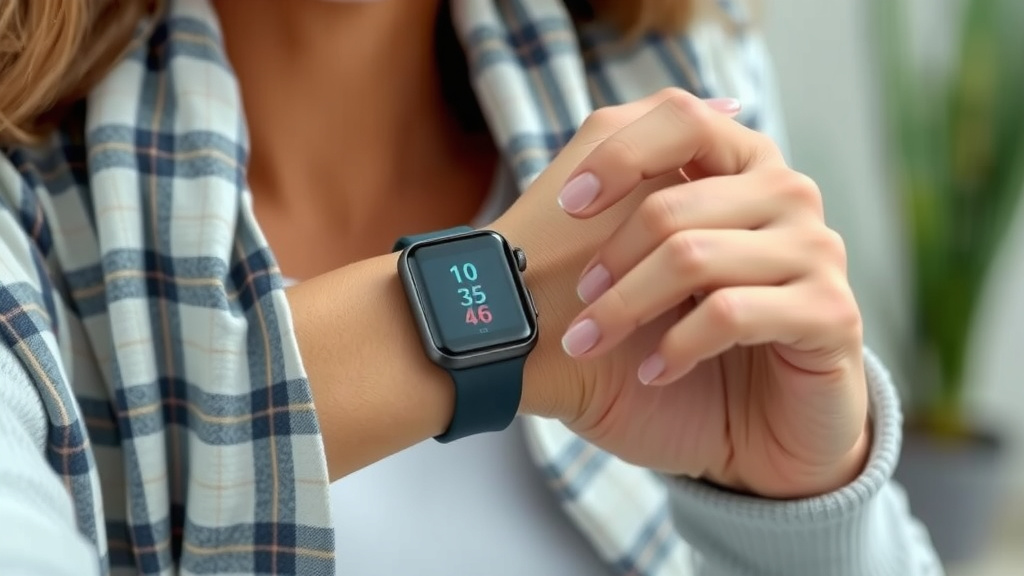
Putting It All Together: The Calorie Equation
Your smartwatch doesn’t just look at one sensor. It combines data from all of them. It takes your heart rate, movement data, and personal profile. Then, it uses complex formulas to estimate your total calorie burn. Different brands use slightly different algorithms.
How Algorithms Work
These algorithms are developed based on scientific research. They compare your real-time data to patterns observed in studies. For example, researchers have studied how heart rate and oxygen consumption relate to calorie burn during various activities. Your watch uses these established relationships.
The Role of GPS and Other Sensors
Some smartwatches have GPS. This can help track distance and pace, especially for outdoor activities like running or cycling. This extra data can improve calorie estimates for those specific activities. Watches may also include other sensors, though heart rate and motion are the most common for calorie tracking.
Accuracy and What to Expect
It’s important to remember that smartwatches provide an estimate. They are not medical devices. We found that accuracy can vary. Factors like watch quality, sensor placement, and the type of activity you’re doing all play a part. A study by Mayo Clinic found that heart rate monitors on wristbands can sometimes be less accurate than chest straps, especially during intense workouts where sweat can interfere.
Activities Where Accuracy Might Vary
Activities involving a lot of arm movement but not a significant heart rate increase, like weightlifting, can be harder for watches to measure accurately. Similarly, activities where your heart rate might be elevated for reasons other than exercise, like feeling stressed, could skew results slightly. We found that for most common activities like walking, running, and cycling, the estimates are reasonably good for general fitness tracking.
Tips for Better Calorie Tracking
Here are a few tips to help you get the most accurate readings:
- Ensure your watch is snug on your wrist.
- Keep your personal information updated.
- Clean your watch sensors regularly.
- Choose the correct activity mode on your watch when possible.
- Be aware that it’s an estimate, not an exact science.
The Bottom Line: Your Personal Energy Tracker
Your smartwatch is a powerful tool for understanding your daily energy expenditure. By combining heart rate, movement, and your personal details, it gives you a good idea of how many calories you’re burning. While not perfect, it’s a fantastic way to stay motivated and informed about your fitness journey. We found that using it consistently can be a great way to monitor your progress over time.
Conclusion
You’ve seen how your smartwatch uses a smart combination of sensors like your heart rate monitor and accelerometer to estimate calories burned. It blends this data with your personal details to provide a personalized energy expenditure figure. While it’s an estimate and not a perfect science, your watch offers a fantastic tool for understanding your activity levels and staying motivated.
To make the most of your calorie tracking, ensure your watch fits snugly and you keep your personal stats updated. Use this information as a guide to help you reach your fitness goals. Your wrist is now home to your personal energy tracker!
Frequently Asked Questions
Are smartwatch calorie counts accurate?
Smartwatch calorie counts are estimates, not exact measurements. Accuracy can vary based on the watch, how well it fits, and the type of activity you’re doing. For general fitness tracking, they provide a good ballpark figure. We found that intense workouts or activities with less consistent movement can sometimes lead to less precise readings.
Can my smartwatch tell the difference between different exercises?
Yes, to a degree. By analyzing your heart rate and movement patterns, your watch can often distinguish between activities like walking, running, and cycling. Some watches also have specific modes that help improve accuracy for certain exercises, like swimming or weightlifting. However, activities without significant heart rate changes might be harder to differentiate.
Why do I need to enter my personal details like age and weight?
Your personal details are key to refining the calorie calculation. Factors like age, sex, weight, and height affect your body’s metabolism and how many calories you burn at rest and during activity. Entering accurate information helps your watch estimate your Basal Metabolic Rate (BMR) more effectively. This baseline then helps it calculate your total daily energy expenditure.
Does a higher heart rate always mean more calories burned?
A higher heart rate generally indicates you’re working harder, which usually means burning more calories. Your smartwatch uses this relationship to gauge your effort level. However, your heart rate can also increase due to stress or excitement, which might slightly skew calorie estimates if not accounted for by the watch’s algorithms. For exercise, though, it’s a primary indicator.
How can I get a more accurate calorie reading from my smartwatch?
Ensure your watch is worn snugly on your wrist so the sensors can make good contact. Keep your personal information, like weight, updated in the companion app. When possible, select the specific activity mode your watch offers for the exercise you’re doing. Also, remember to clean the sensor area regularly for optimal performance.