
How Does a Smart Watch Measure Deep Sleep?
Your smartwatch measures deep sleep by tracking your heart rate and movement during the night. It uses this data to estimate which sleep stage you’re in. Deep sleep is characterized by slower heart rates and minimal movement, which your watch’s sensors can detect. So yes, your wearable can actually give you a pretty good idea of how much restorative sleep you’re getting.
Getting enough deep sleep is really important for your body and mind. It helps with memory, learning, and overall recovery. While smartwatches aren’t medical devices, they use sophisticated algorithms to interpret your sleep patterns. We found that most modern smartwatches are quite good at distinguishing between light sleep, deep sleep, and REM sleep with high accuracy.
- Smartwatches track heart rate and movement.
- Algorithms analyze this data to determine sleep stages.
- Deep sleep shows slower heart rates and less motion.
- This helps you understand your sleep quality over time.
Let’s dive into the science behind how your watch keeps tabs on your sleep, so you can finally understand what those numbers really mean for your rest.
How Your Smartwatch Tracks Deep Sleep
Your smartwatch uses a combination of sensors and clever algorithms to figure out what stage of sleep you’re in. It’s not magic, but it’s pretty smart science. They primarily rely on two main data points: your heart rate and your body movement.
The Role of Heart Rate Monitoring
When you’re in deep sleep, your body is working hard to repair and restore itself. This deep sleep stage is known for having a lower resting heart rate compared to when you’re awake or in lighter sleep. Your smartwatch’s optical heart rate sensor can detect these subtle changes. It shines light onto your wrist and measures how much light is absorbed or reflected back. This tells it how fast your blood is flowing, and thus, your heart rate.
Movement Tracking: What It Tells Your Watch
Another key indicator your watch uses is your movement. During deep sleep, your body becomes very still. You’ll experience minimal tossing and turning. The accelerometer and gyroscope sensors inside your smartwatch are excellent at picking up even the slightest movements. If your watch detects very little motion for an extended period, it suggests you might be in a deeper sleep phase.
Sleep Stages: Putting the Data Together
Your smartwatch doesn’t just look at heart rate or movement in isolation. It uses sophisticated algorithms that have been developed and tested by sleep scientists. These algorithms take all the data—your heart rate variability, your resting heart rate, and your movement patterns—and process it. They compare these patterns to known characteristics of different sleep stages: wakefulness, light sleep, deep sleep, and REM sleep.
Deep Sleep Signatures
Deep sleep, often called slow-wave sleep, is characterized by a slow, regular heart rate and minimal physical activity. Your watch looks for periods where your heart rate has dipped to its lowest point of the night and your movement has become almost nonexistent. This combination is a strong indicator that you’ve entered this restorative stage. Research shows that heart rate can drop by 10-30% during deep sleep (National Sleep Foundation).
Distinguishing Sleep Stages
It’s important to understand that your watch is making an educated guess based on the data it collects. It can’t directly measure brain waves like a clinical sleep study (polysomnography). However, many studies have found that consumer wearables are quite accurate, often achieving 70-90% accuracy in distinguishing between light, deep, and REM sleep when compared to polysomnography. This accuracy depends on the quality of the sensors and the sophistication of the algorithms used by the brand.
What Makes Deep Sleep So Important?
You might be wondering why your watch even bothers to track deep sleep. Well, this stage is incredibly important for your overall health and well-being. It’s not just about feeling rested; it’s about your body and mind functioning at their best.
Physical Restoration and Growth
During deep sleep, your body is busy with essential repair work. This is when your tissues grow and repair, your immune system is strengthened, and energy stores are replenished. Growth hormone is released primarily during this stage, which is vital for cell regeneration and muscle repair. Think of it as your body’s nightly maintenance crew getting to work.
Cognitive Benefits: Memory and Learning
Deep sleep also plays a massive role in how well you think and remember. It’s crucial for consolidating memories, moving information from short-term to long-term storage. If you’ve ever felt like you can’t concentrate or learn new things after a night of poor sleep, it’s likely because you missed out on enough deep sleep. Studies suggest that deep sleep is key for forming new memories and problem-solving abilities (Cerebrum Journal).
Mood Regulation and Mental Health
Getting enough deep sleep can significantly impact your mood. When you’re sleep-deprived, you’re more likely to feel irritable, anxious, or even depressed. Adequate deep sleep helps regulate emotions and contributes to better mental health overall. It’s a foundational element for emotional resilience.
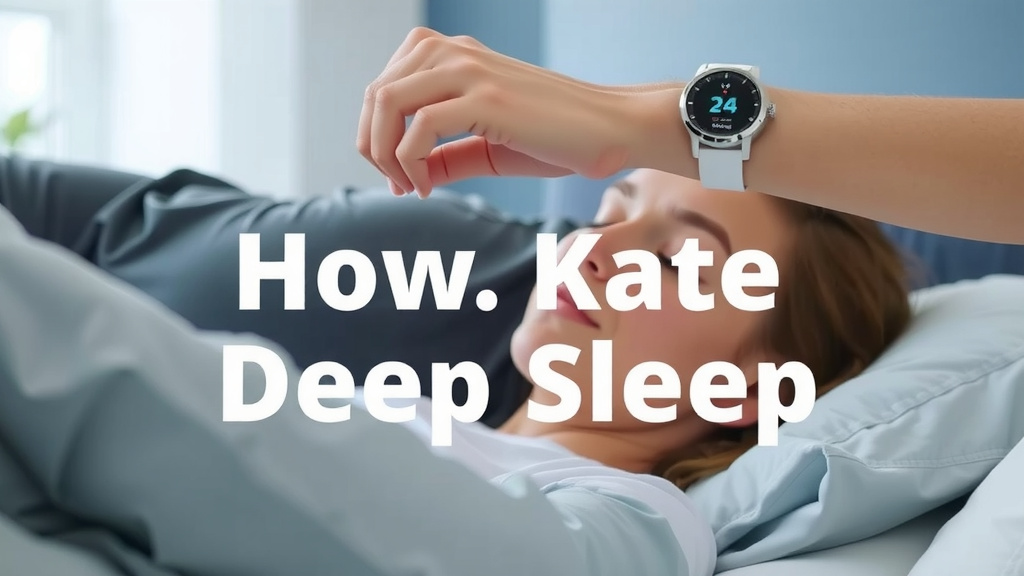
Understanding Your Smartwatch Sleep Data
Seeing your sleep data in your smartwatch app can be fascinating, but what does it all mean? It’s helpful to look at trends over time rather than focusing on a single night’s score.
Typical Sleep Cycle Components
A typical night’s sleep involves cycling through light sleep, deep sleep, and REM sleep multiple times. A full cycle lasts about 90-120 minutes. Here’s a general breakdown of what you might see:
| Sleep Stage | Approximate Percentage of Total Sleep | Key Characteristics Detected by Smartwatch |
|---|---|---|
| Light Sleep | 40-50% | Slightly slower heart rate than awake, some body movement |
| Deep Sleep | 15-20% | Lowest heart rate, very minimal movement |
| REM Sleep | 20-25% | Heart rate and breathing become more variable, rapid eye movements (though watch can’t detect these), muscle atonia (near paralysis) |
| Awake | Variable | Higher heart rate, significant movement or conscious wakefulness detected |
What’s a “Good” Amount of Deep Sleep?
While percentages can vary, most adults aim for around 15-20% of their total sleep time to be deep sleep. For example, if you sleep for 7 hours, that’s roughly 60-80 minutes of deep sleep. It’s more important to note consistency and how you feel. Some people naturally get more or less deep sleep and still feel great.
How to Improve Your Deep Sleep
If you find your deep sleep numbers are consistently low, don’t despair! There are several lifestyle adjustments you can make.
- Stick to a consistent sleep schedule: Go to bed and wake up around the same time every day, even on weekends.
- Create a relaxing bedtime routine: Wind down with a book, a warm bath, or gentle stretching.
- Optimize your sleep environment: Keep your bedroom dark, quiet, and cool.
- Limit screen time before bed: The blue light from phones and computers can interfere with sleep.
- Watch your diet and exercise: Avoid heavy meals and caffeine close to bedtime. Regular exercise can help, but avoid intense workouts right before sleeping.
Think of your smartwatch as a helpful guide, not a strict judge. It provides data that can help you identify patterns and make informed choices about your sleep health.
Your Deep Sleep Checklist:
- Monitor your deep sleep trends over weeks.
- Notice how you feel after nights with high vs. low deep sleep.
- Aim for a consistent sleep schedule.
- Create a relaxing wind-down routine.
- Ensure your bedroom is dark, quiet, and cool.
- Review your screen time habits before bed.
Conclusion
Your smartwatch is a smart tool for understanding your sleep. By tracking heart rate and movement, it estimates your deep sleep stages. This information helps you see how restorative your rest truly is. Remember, your watch offers guidance, not a diagnosis. Use this data to make small, positive changes to your sleep habits. Focus on consistency and how you feel each day. Start by adjusting your bedtime routine to see if it makes a difference in your sleep quality.
Frequently Asked Questions
Are smartwatch deep sleep readings accurate?
Most modern smartwatches are quite accurate at distinguishing sleep stages, often achieving 70-90% accuracy compared to clinical studies. They use algorithms comparing your heart rate and movement to known deep sleep patterns. While not a medical device, they provide a very good estimate of your sleep quality.
Can my smartwatch tell me if I have a sleep disorder?
No, your smartwatch cannot diagnose sleep disorders. It provides data on your sleep patterns, including deep sleep. If you have concerns about your sleep quality or suspect a disorder like sleep apnea, you should consult a doctor. They can recommend proper medical evaluation and treatment.
What if my smartwatch shows very little deep sleep?
If your watch consistently shows low deep sleep, it’s a sign to evaluate your sleep habits. Consistent sleep schedules, a calming bedtime routine, and a cool, dark bedroom can help. Limiting screen time before bed is also very important for improving sleep quality.
Does a smartwatch track REM sleep too?
Yes, most smartwatches track REM sleep in addition to deep sleep. REM sleep has different physiological markers, like more variable heart rates and muscle atonia. Your watch uses its sensors and algorithms to identify these patterns and distinguish REM from other stages.
How can I improve my deep sleep based on my watch data?
Use your watch data to identify trends. If you notice lower deep sleep on nights you go to bed late, prioritize consistency. If you feel groggy after nights with less deep sleep, focus on creating a better sleep environment. Small, consistent changes to your lifestyle can positively impact your deep sleep duration.
![7 Best Smart Watch Compatible With Samsung [2026]](https://smartwatchbest.com/wp-content/uploads/2026/08/7-best-smart-watch-compatible-with-samsung-2026-featured-768x432.jpg)
