How Can a Smart Watch Measure Blood Pressure?
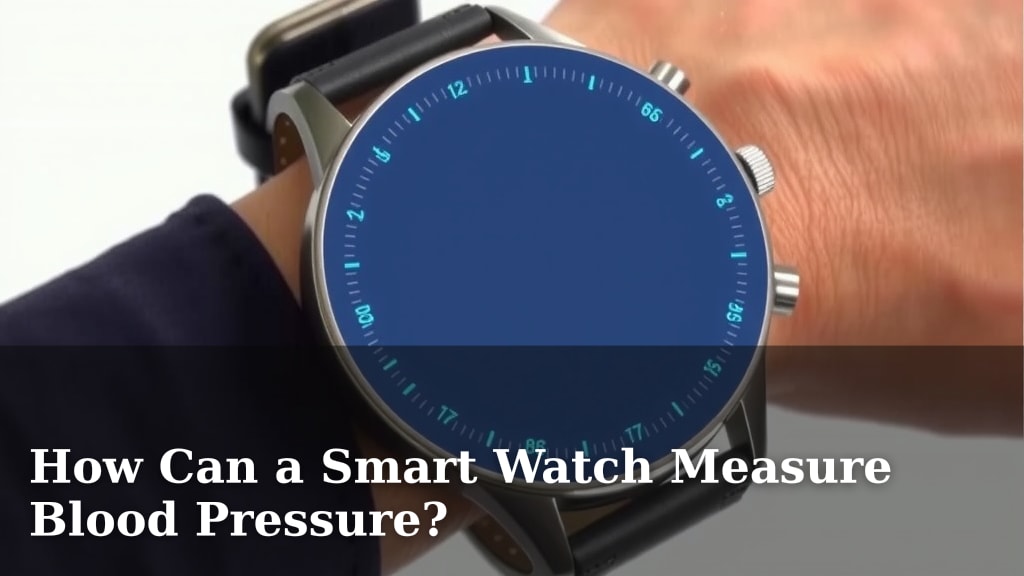
Yes, smartwatches can measure blood pressure, but it’s important to understand how they do it. They typically use optical sensors and light to detect changes in your blood flow, which are then translated into a blood pressure reading. Think of it as a clever optical trick rather than a direct measurement like a traditional cuff does. It’s a convenient way to monitor trends.
While smartwatches offer a quick peek at your blood pressure, they aren’t usually considered medical-grade devices. They work best for tracking patterns over time, helping you see if your pressure is generally going up or down. For precise, doctor-approved readings, a standard cuff monitor is still your best bet. Your watch is more of a helpful lifestyle companion.
TL;DR:
- Smartwatches measure blood pressure using light sensors.
- They detect blood flow changes to estimate readings.
- They are great for tracking trends, not medical accuracy.
- Always use a traditional cuff for precise measurements.
- Consult your doctor for health decisions.
Let’s walk through exactly how these clever gadgets estimate your blood pressure, so you can understand what those numbers really mean for your health.
Understanding How Smartwatches Gauge Blood Pressure
Smartwatches are quite clever when it comes to estimating your blood pressure. They don’t use the puffy cuff you’re used to. Instead, they rely on light and sensors to get a reading. It’s a fascinating technology that’s becoming more common.
The Science Behind the Sensors
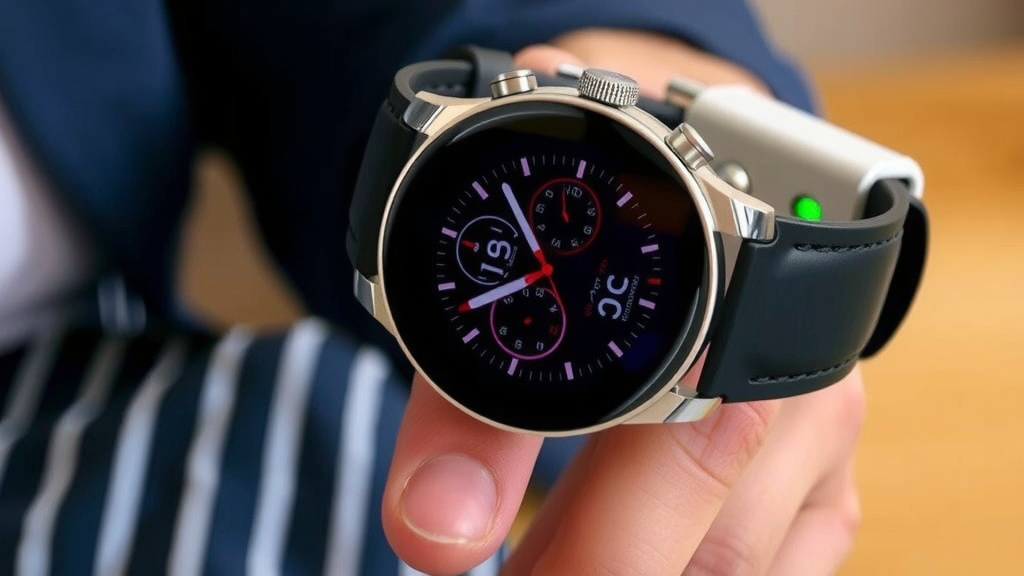
At the heart of how your smartwatch measures blood pressure are optical sensors. You know those tiny LEDs on the back of your watch? They shine light onto your skin. This light then bounces back to a photodetector. Think of it like a mini disco party happening under your skin!
Photoplethysmography (PPG) at Work
The technology used is called Photoplethysmography, or PPG for short. It’s the same tech used to measure your heart rate. The sensors detect the changing volume of blood flowing through the vessels in your wrist. As your heart beats, blood rushes through, and this causes a slight change in the light reflected back. Your smartwatch analyzes these light signals. It looks for patterns that correspond to blood pressure changes.
How Blood Flow Relates to Pressure
When your blood pressure is higher, more blood is pushed into your arteries with each beat. This means the blood volume changes more dramatically. The PPG sensor can pick up on these larger fluctuations. Conversely, lower blood pressure means less forceful blood flow, resulting in smaller changes in blood volume that the sensor can also detect. Your watch is basically watching how much your blood vessels “bulge” with each pulse.
Translating Light Signals into Numbers
So, how does your watch turn these light reflections into the numbers you see – like 120 over 80? This is where the smart part of the smartwatch comes in. It uses algorithms, which are sets of complex instructions. These algorithms are trained on huge amounts of data. They learn to correlate specific PPG signal patterns with actual blood pressure readings taken by traditional cuffs.
The Role of Algorithms and Calibration
These algorithms are key. They take the raw data from the PPG sensor and process it. They account for factors like your heart rate and how your blood vessels respond. For the most accurate readings, many smartwatches require an initial calibration. This means you’ll need to take a blood pressure reading with a traditional cuff and input that value into your watch. This helps the watch’s algorithm learn your unique baseline. It’s like teaching a new student the basics!
The “Estimating” Aspect of Smartwatch Readings
It’s really important to remember that smartwatches estimate blood pressure. They aren’t directly measuring the force of blood against your artery walls like a cuff does. They are inferring it from blood flow changes. This distinction is why they are often not considered medical-grade devices. Your watch is a fantastic tool for tracking trends over time, but it’s not a substitute for a clinical diagnosis.
Why You Still Need a Traditional Cuff
Even with advanced technology, your smartwatch’s blood pressure reading isn’t a replacement for your doctor’s equipment. There are several reasons for this. Understanding these will help you use your smartwatch data wisely.
Accuracy and Medical Standards
Traditional blood pressure cuffs, especially those approved by regulatory bodies like the FDA, are designed for medical accuracy. They use an oscillometric method, which is a well-established and validated technique. Smartwatches, while improving, often haven’t undergone the same rigorous testing or received the same level of medical clearance. Their readings can be influenced by many factors.
Factors Affecting Smartwatch Accuracy
Several things can affect how accurate your smartwatch reading is. The fit of the watchband is critical; too loose or too tight can skew results. Movement during the reading is also a big culprit. Even things like skin tone and temperature can play a role. If your wrist is cold, your blood vessels might constrict, altering the blood flow signals. For these reasons, your smartwatch readings might fluctuate more than a cuff measurement.
When to Rely on Your Cuff
You should always rely on your traditional cuff for critical measurements. This includes when your doctor asks for your blood pressure, or if you’re making significant health decisions based on your readings. Think of your smartwatch as a helpful “check-in” tool, but your cuff is the definitive report.
Best Practices for Using Your Smartwatch for Blood Pressure
To get the most helpful information from your smartwatch’s blood pressure feature, there are a few things you can do. Following these tips will help you track your health more effectively and understand your data better.
- Calibrate Regularly: If your watch allows, calibrate it with a traditional cuff every few weeks or months.
- Be Still: Ensure your arm is resting and you are completely still during the reading.
- Consistent Placement: Wear your watch on the same wrist and in the same position each time.
- Monitor Trends: Focus on the overall patterns and trends rather than a single reading.
- Know Your Device: Read your smartwatch’s manual to understand its specific capabilities and limitations.
- Talk to Your Doctor: Always discuss your readings and any health concerns with your healthcare provider.
Using your smartwatch for blood pressure monitoring can be a convenient way to stay informed about your cardiovascular health. By understanding how it works and its limitations, you can integrate this technology into your health routine smartly.
Conclusion
Your smartwatch is a smart tool for keeping an eye on your blood pressure trends. By using light sensors and clever algorithms, it offers a convenient way to track changes over time. Remember, it’s an estimation, not a precise medical measurement. For accurate readings and health decisions, your traditional blood pressure cuff remains essential. Use your watch to stay informed, but always consult your doctor for personalized health advice.
Frequently Asked Questions
How often should I calibrate my smartwatch for blood pressure?
Calibration frequency depends on your smartwatch model. Many manufacturers recommend calibrating every few weeks or months. It’s best to check your device’s manual for specific guidelines. Regular calibration helps ensure the most reliable trend data from your watch.
Can my smartwatch detect high blood pressure emergencies?
No, smartwatches are not designed to detect medical emergencies. They provide estimated readings for trend monitoring. If you suspect a high blood pressure emergency, use a validated cuff and contact your doctor or emergency services immediately.
Does wearing the watch tighter or looser affect readings?
Yes, the fit of your smartwatch can significantly impact accuracy. A band that is too loose might not have consistent contact with your skin. Conversely, a band that’s too tight can restrict blood flow. Aim for a snug but comfortable fit for the best results.
Can I use my smartwatch’s blood pressure readings for diagnosis?
You should not use your smartwatch’s blood pressure readings for a medical diagnosis. These devices estimate blood pressure and are not considered medical-grade. Always rely on readings from a properly calibrated, FDA-approved cuff and discuss any concerns with your healthcare provider.
What should I do if my smartwatch readings differ greatly from my cuff readings?
If there’s a large difference between your smartwatch and cuff readings, first re-check your smartwatch calibration and fit. Ensure you’re following best practices for taking readings on both devices. Then, discuss the discrepancy with your doctor, who can help determine the best course of action.