Smartwatch vs Phone: Which Device Wins for You
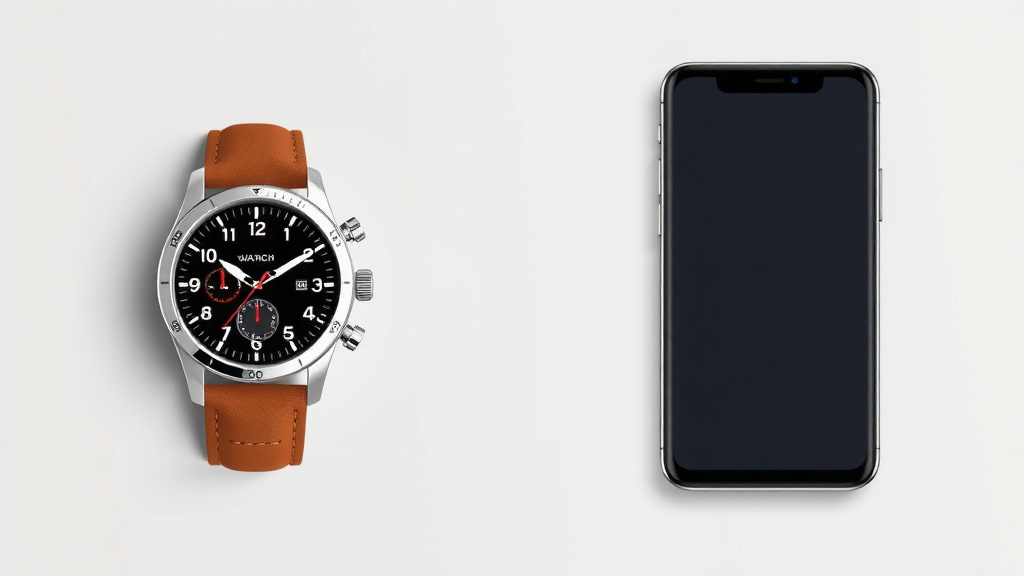
When comparing a smartwatch versus a phone, neither is a definitive winner. Your best choice depends on what you need most. Smartwatches offer quick access to notifications and fitness tracking. Phones provide a full, powerful computing experience. Many people find they need both for different tasks.
Think about convenience versus capability. A smartwatch excels at instant updates and health monitoring on the go. Your phone, on the other hand, handles everything from detailed browsing to complex apps. We found that most users benefit from the complementary strengths of each device. It’s not always an either/or situation.
TL;DR:
- Smartwatches are great for quick alerts and fitness.
- Phones offer a complete, powerful computing tool.
- Many users find each device serves a different purpose.
- Your lifestyle dictates which device is more essential for daily tasks.
- Consider what you do most often to make the right choice.
Let’s break down the pros and cons of smartwatches and phones to help you decide which fits your life best.
Smartwatch vs. Phone: Which Device Serves You Best?
When you’re trying to decide between a smartwatch and a phone, it’s less about which one is “better” and more about which one fits your specific needs. Think of it like choosing between a handy Swiss Army knife and a full toolbox. Both are useful, but for different jobs.
Your smartwatch is like that pocket knife. It’s always on your wrist, ready for quick tasks. Your phone is the toolbox, packed with more power and options for deeper engagement. We found that many people benefit from having both, using them for tasks where each device truly shines.
The Convenience of a Smartwatch on Your Wrist
Smartwatches have become incredibly popular because they put essential information right where you can see it, without pulling out your phone. This quick access is a major draw for many users.
Instant Notifications and Alerts
Imagine your phone buzzing in your pocket during a meeting or a workout. With a smartwatch, you can glance at your wrist and instantly know if that notification is important enough to warrant a pause. We found that this ability to screen alerts discreetly is a big plus for staying connected without being constantly interrupted.
- See calls and texts at a glance.
- Get reminders for appointments.
- Receive app alerts without checking your phone.
Fitness and Health Tracking Made Easy
This is where smartwatches really shine for many. They are designed to be worn during physical activity, making them perfect for tracking steps, heart rate, workouts, and even sleep. Many health organizations, like the American Heart Association, suggest that consistent activity tracking can help people become more aware of their health habits.
Your smartwatch can automatically detect many types of exercise. It then logs your activity, calories burned, and distance covered. This constant monitoring provides a clear picture of your daily movement. We found this data can be quite motivating for users aiming to improve their fitness.
Key Health Metrics You Can Track
- Heart rate monitoring (continuous and on-demand).
- Step counting and distance traveled.
- Workout tracking for various sports.
- Sleep pattern analysis.
- Blood oxygen levels (on select models).
Quick Access to Essential Apps
While you won’t be editing spreadsheets on your watch, many smartwatches allow you to run streamlined versions of your favorite apps. This means you can check the weather, control your music, or even make contactless payments without ever needing your phone.
The Power and Versatility of Your Smartphone
Your smartphone is your mobile command center. It’s far more powerful and capable than any smartwatch, offering a gateway to a vast array of applications and functionalities.
A World of Apps and Deeper Functionality
When it comes to apps, your phone is the undisputed champion. You can browse the web in full detail, stream high-definition video, play complex games, and use specialized applications for work or hobbies. Research from Pew Research Center consistently shows that a majority of adults rely on their smartphones for daily internet access.
Unlike a smartwatch, your phone offers a larger screen and more processing power. This means you can do more, faster, and with greater ease. Want to research a topic? Your phone is the tool. Need to video chat with family? Your phone handles it beautifully.
Communication and Productivity Hub
Your phone is your primary tool for staying connected. While smartwatches relay messages, your phone is where you compose detailed emails, participate in longer phone calls, and manage your social media in depth. Many professionals find their smartphone indispensable for managing their workday on the go.
We found that for tasks requiring significant typing or detailed visual information, the smartphone is simply more practical. Its larger display and more robust input methods make it far more efficient for these kinds of activities.
Storage and Media Consumption
Your phone typically offers much more storage space than a smartwatch. This allows you to store a vast library of music, movies, photos, and documents. For entertainment or consuming media, your phone provides a much richer experience due to its larger screen and audio capabilities.
Smartwatch vs. Phone: A Direct Comparison
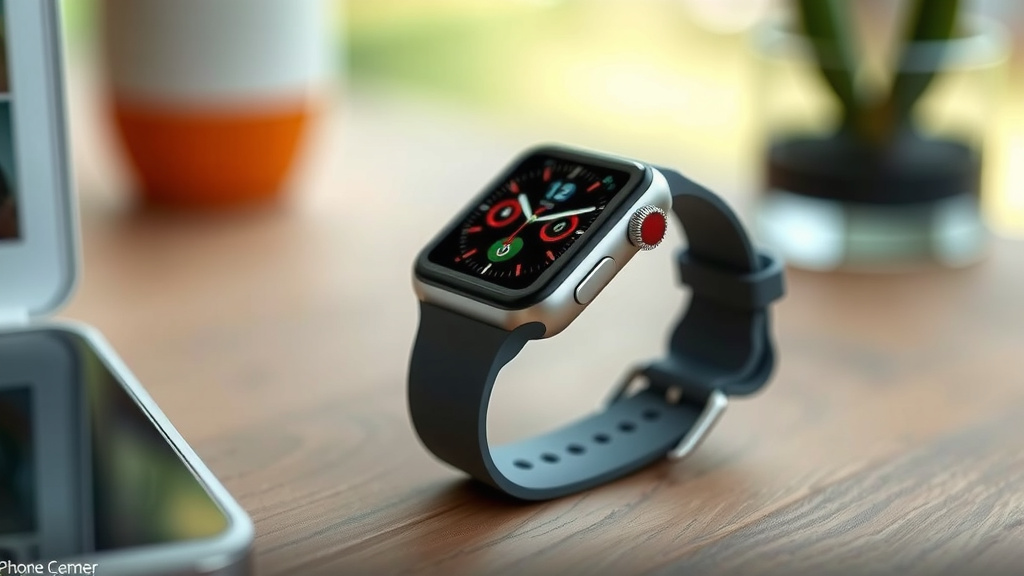
Let’s look at a table that breaks down some key differences. This can help you visualize where each device excels.
| Feature | Smartwatch | Smartphone |
|---|---|---|
| Screen Size & Input | Small, touch-based, limited input | Larger, touch-based, keyboard input, stylus support |
| Processing Power | Limited, optimized for quick tasks | High, handles complex applications and multitasking |
| App Ecosystem | Streamlined, focused on notifications & quick actions | Vast, full-featured applications for almost anything |
| Battery Life | Typically 1-2 days, needs frequent charging | Typically 1 day, depending on usage |
| Primary Use Case | Quick alerts, fitness tracking, convenience | Communication, internet browsing, complex apps, media |
| Portability & Accessibility | Worn on wrist, always accessible | Carried in pocket or bag, requires retrieval |
Making the Right Choice for Your Lifestyle
So, which one is right for you? The answer often lies in how you spend your day and what you want from your technology.
Who Benefits Most from a Smartwatch?
If you’re an active individual focused on fitness, a smartwatch is a fantastic companion. We found that people who want to quickly check notifications without interrupting their flow also appreciate it. If your daily routine involves a lot of movement and you need quick access to health data or alerts, a smartwatch could be your primary smart device.
Who Needs a Smartphone at Their Core?
For anyone who relies heavily on the internet, uses a wide variety of apps, or needs a robust device for communication and productivity, the smartphone remains essential. If you spend a lot of time browsing, working on documents, or consuming media, your phone will always be the more capable tool. Many experts suggest that the smartphone serves as the backbone of modern digital life for most users.
Do You Really Need Both?
For many people, the ideal scenario involves owning both devices. They don’t see them as competitors, but as partners. Your smartwatch handles the quick, on-the-go tasks, while your phone provides the deeper functionality when you have more time or need more power.
Consider these points as you decide:
- What percentage of your day involves physical activity where your phone is inconvenient?
- How often do you need to respond to non-urgent notifications quickly?
- What apps do you use daily, and do they require a large screen or significant processing power?
- What is your budget for new technology?
- Are you looking for a simple way to monitor your health, or a device for complex tasks?
Conclusion
Deciding between a smartwatch and a smartphone isn’t about finding a single winner. We’ve seen that each device offers distinct advantages. Your smartwatch excels at quick information and fitness tracking, keeping you connected without constant phone checking. Your smartphone remains your powerhouse for deep dives into apps, communication, and media. For many, the true strength lies in using them together. Consider your daily activities and priorities. This will guide you to the technology that best supports your lifestyle.
Frequently Asked Questions
Can a smartwatch replace my phone for everyday tasks?
For most users, a smartwatch cannot fully replace a smartphone. While it offers convenient access to notifications and basic apps, it lacks the processing power and screen real estate for complex tasks like detailed browsing or extensive typing. Think of it as a handy extension, not a complete substitute.
Is a smartwatch truly beneficial if I already own a smartphone?
Yes, absolutely. We found that a smartwatch can significantly enhance your smartphone experience by providing quick access to alerts and fitness data without needing to pull out your phone. This can lead to fewer distractions and a better focus on your immediate surroundings or workout.
What are the main differences in battery life between smartwatches and phones?
Typically, smartwatches need charging more frequently, often daily or every other day, due to their smaller batteries and constant sensing functions. Smartphones, depending on usage, can often last a full day or more on a single charge, thanks to larger battery capacities and more power management options.
Which device is better for tracking fitness and health metrics?
Smartwatches are generally the superior choice for fitness and health tracking. They are designed to be worn during activity, often featuring built-in GPS, heart rate sensors, and accelerometers that continuously monitor your movement and vital signs. While phones can track steps, they aren’t as convenient or accurate for detailed workout logging.
Can I use my smartwatch to make calls and send messages if my phone isn’t nearby?
Some smartwatches, particularly those with cellular capabilities (LTE models), can make calls and send messages independently of your phone. However, most standard smartwatches require your phone to be within Bluetooth range or connected to Wi-Fi to perform these communication functions.