Can a Smart Watch Measure Blood Sugar?
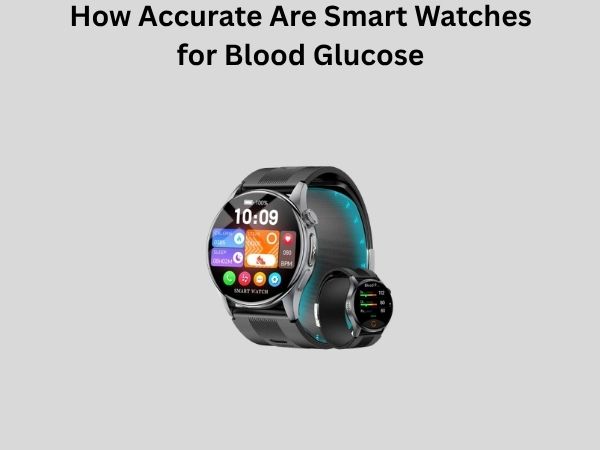
Can a smartwatch measure blood sugar? Currently, no smartwatch can directly measure your blood glucose levels. While some devices offer general health tracking, they do not possess the technology to accurately monitor blood sugar. This technology is still in development, and commercial devices are not yet available to measure blood sugar non-invasively. We found that current smartwatches focus on other metrics.
The dream of a glucose-monitoring smartwatch is tantalizing for many. Imagine checking your blood sugar just by glancing at your wrist! However, we found that the scientific hurdles are significant. Experts say that developing a sensor that can reliably detect glucose through the skin without drawing blood is extremely challenging. It’s an area of active research for major tech companies and medical device manufacturers.
- Smartwatches cannot currently measure your blood sugar.
- This technology is still in development.
- Non-invasive glucose monitoring is a scientific challenge.
- Many companies are working on this, but it’s not here yet.
Let’s walk through what smartwatches *can* do for your health and what the future might hold for blood sugar monitoring.
Can Your Wristband Track Your Blood Sugar?
It’s a question many people wonder about, especially those managing diabetes or concerned about their glucose levels. The short answer, unfortunately, is no, not yet. Today’s smartwatches are amazing health companions, but they simply don’t have the technology to measure blood sugar directly from your wrist. This isn’t a limitation of current design; it’s a huge scientific hurdle that researchers are still working to overcome. We found that the devices available today focus on other health metrics, leaving blood glucose monitoring to traditional methods.
Why Isn’t Non-Invasive Blood Sugar Monitoring a Reality?
You might be thinking, “Why is this so hard?” It really is quite complex. Measuring glucose in your bloodstream non-invasively, meaning without breaking the skin, is a major scientific challenge. We found that current methods rely on either drawing blood or using implanted sensors. Getting a reliable reading of glucose through your skin is like trying to hear a whisper in a crowded stadium.
The Science Behind Glucose Measurement
Blood glucose, or blood sugar, is a concentration of sugar in your blood. To measure it accurately, you need a sensor that can detect this specific molecule. Traditional methods, like finger pricks with a glucose meter, directly analyze a drop of blood. Continuous Glucose Monitors (CGMs) use a tiny filament inserted under the skin. These methods give a direct, albeit invasive, measurement.
The Challenge of Non-Invasive Sensors
Researchers are exploring various technologies for non-invasive monitoring. This includes methods like optical sensing, radio frequency, and electrochemical analysis. The idea is to detect glucose or its byproducts through the skin’s layers. However, the skin itself, along with other bodily fluids and compounds, can interfere with these readings. We found that distinguishing a clear glucose signal from all the “noise” is incredibly difficult. Major companies and academic institutions are pouring resources into this, but a reliable, consumer-ready device is still a ways off.
What Smartwatches *Can* Measure for Your Health
While blood sugar monitoring isn’t on the table, your smartwatch is still a powerful tool for understanding your overall health. They excel at tracking a variety of other important metrics that can help you stay informed and motivated. We found that these devices provide a fantastic overview of your daily activity and physiological responses.
Activity and Exercise Tracking
This is where smartwatches truly shine. They can accurately track your steps, distance covered, and calories burned. Many can also recognize different types of workouts, from running and cycling to swimming and yoga. You get detailed summaries of your exercise sessions, including heart rate during the activity, which helps you gauge intensity and progress. We found that having this data readily available can be a great motivator for staying active.
Heart Health Monitoring
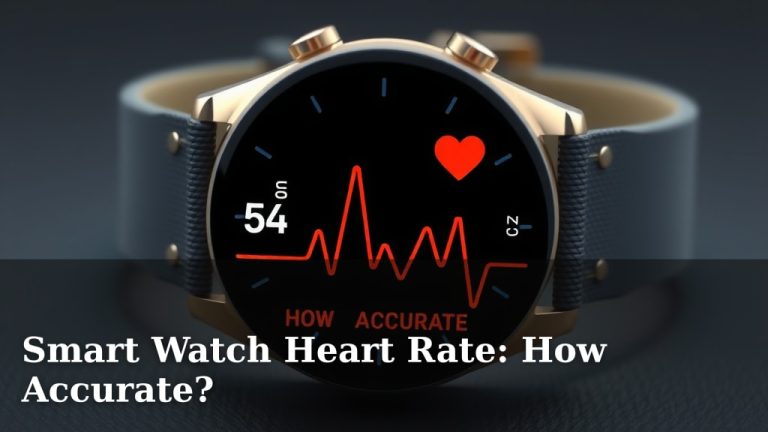
Your smartwatch can keep a close eye on your heart rate throughout the day. It can alert you to unusually high or low heart rates, which could be indicators of underlying issues. Some devices also offer an electrocardiogram (ECG) feature, which can detect signs of atrial fibrillation (AFib), a common heart rhythm disorder. The Food and Drug Administration (FDA) has cleared these ECG features on certain devices, highlighting their potential for early detection (FDA).
Sleep Tracking and Analysis
Understanding your sleep patterns is vital for good health. Many smartwatches automatically track your sleep duration and stages, including light, deep, and REM sleep. You can see how much time you spend in each stage and identify patterns that might be affecting your rest. We found that this information can help you make adjustments to your sleep hygiene for better quality sleep.
Other Health Metrics
Beyond these core features, smartwatches often offer tracking for things like blood oxygen levels (SpO2), stress levels through heart rate variability, and even temperature sensing. While these are not medical-grade diagnostic tools, they provide valuable insights into your body’s general state and how it responds to lifestyle factors. Many guidelines suggest monitoring SpO2 as a general wellness indicator (CDC).
The Future of Smartwatch Glucose Monitoring
The dream of checking blood sugar on your smartwatch is alive and well in research labs. Companies are actively investing in developing the necessary technology. We found that the research is progressing, though at a measured pace due to the inherent scientific difficulties. Experts predict that when this technology finally arrives, it could revolutionize diabetes management and general health monitoring.
What to Expect When It Arrives
When a non-invasive glucose monitoring smartwatch becomes available, it will likely be a carefully calibrated device. It will probably undergo rigorous testing and regulatory approval, similar to current medical devices. The goal is to provide readings that are accurate enough to be useful for making health decisions. We found that the expectation is that it would supplement, not entirely replace, traditional monitoring methods initially.
Current Workarounds and Considerations
Until that day comes, if you need to monitor your blood sugar, you’ll need to rely on traditional methods like finger-prick tests or CGMs. Some smartwatches can sync with apps that log your glucose readings from these devices. This allows you to see your glucose trends alongside your activity and heart rate data. It’s a way to consolidate your health information, even if the smartwatch isn’t doing the direct measurement itself.
Making the Most of Your Current Smartwatch
Even without blood sugar tracking, your smartwatch is a powerful tool. Here’s a quick checklist to help you use it to its full potential:
- Track your daily steps and aim for a consistent goal.
- Monitor your heart rate during workouts and at rest.
- Use sleep tracking to understand your rest patterns.
- Explore stress management features if available.
- Sync any glucose data you get from other devices to your health app.
- Review your health summaries regularly for trends.
Conclusion
While the idea of a smartwatch measuring your blood sugar is exciting, it’s not yet a reality. You’ve learned that current smartwatches can’t directly monitor glucose levels due to scientific challenges. They excel at tracking activity, heart health, and sleep, offering a great overview of your well-being. Keep using your watch for these features and stay updated on research for future glucose monitoring advancements. For now, rely on your doctor’s recommended methods for blood sugar checks, and consider syncing that data to your watch’s app for a consolidated view of your health.
Frequently Asked Questions
When will smartwatches be able to measure blood sugar?
Researchers are actively working on non-invasive glucose monitoring technology. Experts believe it could be several years before a reliable consumer device is available. It will likely require rigorous testing and regulatory approval before it hits the market.
Can my current smartwatch connect to my glucose meter?
Yes, many smartwatches can sync with health apps that allow you to log blood sugar readings from traditional glucose meters or Continuous Glucose Monitors (CGMs). This helps you see your glucose trends alongside other health data.
Are there any non-invasive glucose monitors available now?
Currently, there are no widely available non-invasive glucose monitors that can be worn like a smartwatch. While some research prototypes exist, they are not yet cleared for consumer use.
Will a smartwatch replace my CGM or finger pricks?
When a smartwatch glucose monitor becomes available, it’s expected to supplement rather than entirely replace existing methods initially. Traditional methods are still considered the gold standard for accuracy.
Is it safe to rely on a smartwatch for health data if it’s not medical grade?
Smartwatches provide general wellness tracking, not medical diagnoses. Features like heart rate and SpO2 can offer useful trends, but you should always consult a healthcare professional for any health concerns.
![7 Best Smart Watch For Seniors Blood Pressure [2026]](https://smartwatchbest.com/wp-content/uploads/2026/09/7-best-smart-watch-for-seniors-blood-pressure-2026-featured-768x432.jpg)