Smartwatch vs Digital Watch: Which Is Right for You
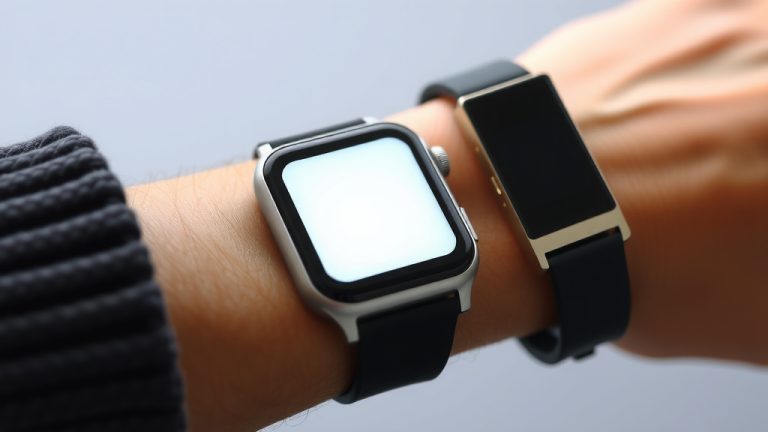
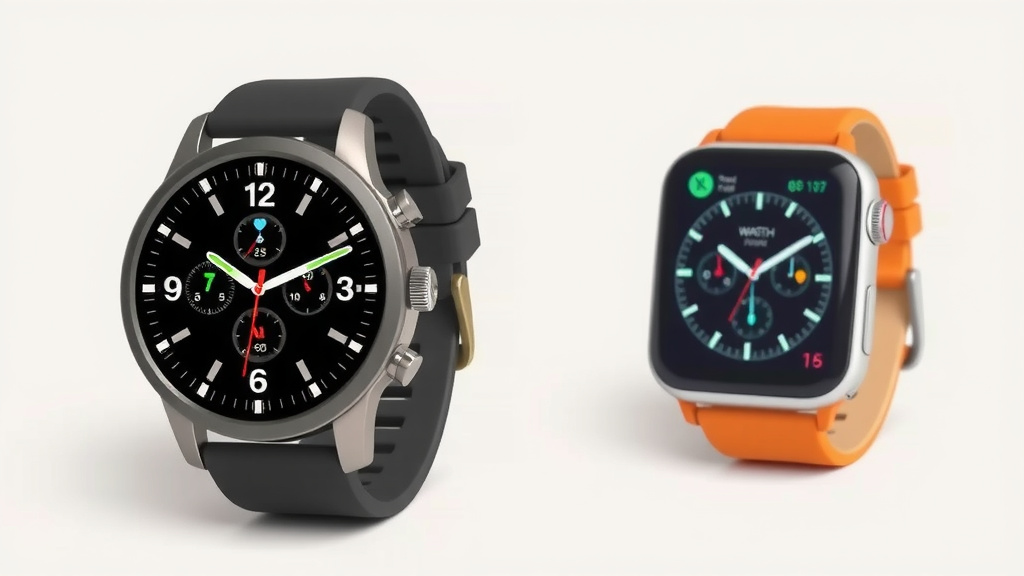
When deciding between a smart watch vs digital watch, understand that a smartwatch is a more advanced type of digital watch. While both tell time, smartwatches offer connectivity, apps, and health tracking. A basic digital watch simply displays time and often includes a stopwatch or alarm. Your choice depends on whether you want a simple timepiece or a device that connects to your phone.
Many people assume all digital watches are the same. However, the technology has advanced quite a bit. Smartwatches are essentially mini-computers on your wrist. They can receive notifications, track your workouts, and even make payments. Think of a digital watch as a trusty calculator, and a smartwatch as your smartphone’s smaller, wrist-bound sibling. For those looking for advanced features, our guide to the best smart fitness watch for men is a great resource.
- Smartwatches do everything a digital watch does, plus more.
- Smartwatches connect to your phone for notifications and apps.
- Digital watches are simpler, focusing mainly on timekeeping.
- Your needs will determine which type of watch is best for you.
Let’s break down the differences and help you figure out which type of watch will fit your lifestyle best.
Digital Watches Versus Smartwatches: What’s the Difference on Your Wrist?
So, you’re looking at watches, and the terms “digital” and “smart” keep popping up. It can get a little confusing, right? Think of it this way: all smartwatches are digital watches, but not all digital watches are smartwatches. A basic digital watch is like your reliable flip phone – it does its job well, but it doesn’t do much else. A smartwatch, on the other hand, is more like a smartphone that fits on your wrist.
We found that understanding this core difference is key to choosing the right device for you. Let’s break down what each one brings to the table, beyond just telling you it’s time for lunch.
The Classic Digital Watch: Simple, Reliable Timekeeping
A traditional digital watch is all about keeping things straightforward. Its primary function is to display the time digitally, usually with numbers on an LCD screen. These watches have been around for decades, and many people still appreciate their simplicity and durability.
What Can a Basic Digital Watch Do?
Beyond telling time, most digital watches come with a few handy built-in features. You’ll often find a stopwatch function, perfect for timing your runs or cooking. An alarm is also a standard feature, helping you wake up on time or remember important appointments. Some models might also include a date display and a countdown timer.
The beauty of these watches lies in their ease of use. You don’t need a manual to figure out how to set the time or use the stopwatch. Just press a few buttons, and you’re good to go. This makes them incredibly accessible for anyone.
Why People Still Love Digital Watches
Durability is a big plus for digital watches. Many are built to withstand bumps and splashes, making them ideal for active lifestyles or demanding jobs. They often have a longer battery life than smartwatches, sometimes lasting for months or even years on a single battery. Plus, they tend to be more affordable.
If you’re someone who just wants to know the time, maybe track a quick run, and doesn’t want to worry about charging it every night, a digital watch is likely a great fit for your needs.
The Smartwatch: Your Wrist’s Connected Companion
Now, let’s talk about smartwatches. These are the high-tech cousins of the digital watch. They connect to your smartphone, bringing a world of features right to your wrist. Imagine getting notifications, checking messages, or even controlling your music without pulling out your phone.
We found that smartwatches are designed to be more than just timekeepers; they’re personal assistants, fitness trackers, and communication devices all rolled into one.
Key Features of a Smartwatch
The list of what a smartwatch can do is extensive and growing. Here are some of the most common capabilities:
- Notifications: Receive alerts for calls, texts, emails, and app updates directly on your wrist. You can often see who’s contacting you and decide if it’s important enough to pull out your phone.
- Fitness and Health Tracking: This is a major selling point. Smartwatches can monitor your heart rate, track your steps, count calories burned, log workouts (running, cycling, swimming, etc.), and even analyze your sleep patterns. Some advanced models can even measure blood oxygen levels or take an ECG (Cleveland Clinic).
- Apps: Just like your phone, smartwatches can run various apps. This includes everything from weather updates and news headlines to navigation and payment services.
- Music Control: Play, pause, skip tracks, and adjust volume for music playing on your phone.
- GPS: Built-in GPS allows for accurate tracking of outdoor activities like running and cycling without needing your phone.
- Voice Assistants: Many smartwatches come with integrated voice assistants (like Siri or Google Assistant) that you can use to set reminders, ask questions, or send messages.
- Communication: Some smartwatches allow you to answer calls or reply to messages directly from your wrist.
Connectivity and Compatibility
To get the most out of a smartwatch, you’ll need to pair it with a compatible smartphone, usually via Bluetooth. The operating system of your phone (iOS or Android) often dictates which smartwatches you can use. For example, an Apple Watch works best with an iPhone, while many Wear OS watches are designed for Android phones. Some brands, however, offer broader compatibility.
Powering Your Smartwatch
Because of all the advanced features, smartwatches have a much shorter battery life than traditional digital watches. You’ll typically need to charge your smartwatch daily or every other day, depending on usage. Heavy use of GPS or frequent notifications can drain the battery faster.
Smartwatch vs. Digital Watch: A Quick Comparison Table
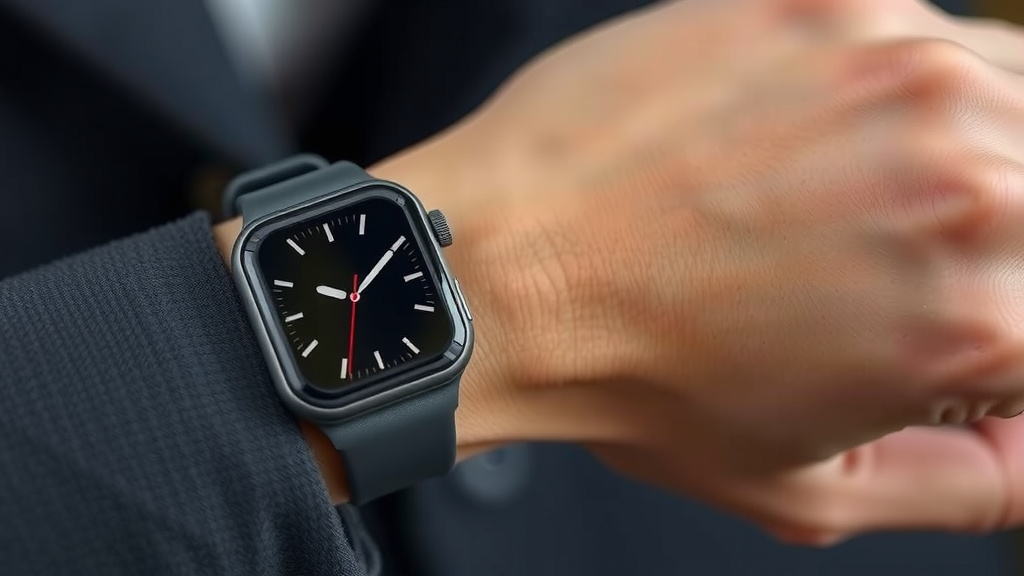
To make the differences even clearer, let’s look at a side-by-side comparison:
| Feature | Digital Watch | Smartwatch |
|---|---|---|
| Time Display | Basic Digital Numbers | Digital Numbers, Analog Faces, Customizable |
| Primary Function | Telling Time, Basic Chronograph | Connectivity, Apps, Health Tracking, Notifications |
| Connectivity | None | Bluetooth, Wi-Fi (sometimes Cellular) |
| Smartphone Integration | None | Yes (Notifications, App Control) |
| Health Tracking | Very Limited (e.g., Pedometer on some) | Extensive (Heart Rate, Sleep, ECG, GPS, etc.) |
| Apps | None | Yes, supports various apps |
| Battery Life | Weeks to Years | 1-3 Days (typically) |
| Price | Very Affordable | Mid-Range to High-End |
| Complexity | Very Simple | Moderate to High |
Making Your Choice: Which Watch Is Right for You?
The best watch for you really boils down to your lifestyle and what you want from a device on your wrist. We found that asking yourself a few questions can help guide your decision.
Consider Your Needs and Habits
Ask yourself these questions:
- Do you primarily need a watch to tell time and maybe use a stopwatch occasionally?
- Are you looking for a device that can keep you updated with your phone notifications?
- Is tracking your fitness and health a priority for you?
- Are you comfortable charging a device daily or every other day?
- What is your budget?
Checklist for Your Decision
Here’s a quick rundown to help you decide:
- Go Digital if: You want something simple, durable, and affordable for telling time and basic functions.
- Go Digital if: Long battery life and minimal charging are important to you.
- Go Smart if: You want notifications from your phone on your wrist.
- Go Smart if: You’re serious about tracking workouts and health metrics like heart rate or sleep.
- Go Smart if: You enjoy having apps and other connected features readily available.
- Go Smart if: You don’t mind the need for regular charging.
Ultimately, whether you choose a straightforward digital watch or a feature-packed smartwatch, the most important thing is that it fits your life and makes things a little easier or more enjoyable for you.
Conclusion
You’ve seen that smartwatches and digital watches offer distinct experiences for your wrist. A basic digital watch excels at simplicity, durability, and long battery life. It’s your go-to for straightforward timekeeping and essential functions. Smartwatches, on the other hand, bring smartphone-level connectivity and advanced health tracking right to you. They’re powerful companions for staying connected and monitoring your well-being.
Your lifestyle and priorities are your best guide. Think about whether you need a tool to stay updated and active, or a reliable timepiece that just keeps going. We found that deciding what matters most will point you clearly to the right choice. Visit a store or browse online to compare models and find the perfect fit for your daily routine.
Frequently Asked Questions
Can a digital watch connect to my phone?
Generally, no. A classic digital watch is a standalone device. It doesn’t have the built-in technology like Bluetooth or Wi-Fi needed to pair with your smartphone or receive notifications. Its functions are typically limited to timekeeping and basic features like alarms and stopwatches.
How often do I need to charge a smartwatch?
Most smartwatches require charging every one to three days. This frequency depends heavily on how you use it. Features like constant heart rate monitoring, GPS tracking, and a bright screen will drain the battery faster. You’ll likely get into a routine of charging it overnight.
Are smartwatches waterproof?
Many smartwatches are water-resistant, meaning they can handle splashes or sweat. However, the level of water resistance varies greatly by model. Some are suitable for swimming, while others are only meant for daily wear and light exposure. Always check the specific water resistance rating before submerging it.
What happens if my phone battery dies, but I have a smartwatch?
If your phone’s battery dies, your smartwatch will still function as a watch, showing the time and using its built-in features like fitness tracking. However, you’ll lose the ability to receive phone notifications, use app features that rely on phone connectivity, or control music playing on your phone.
Which is better for fitness tracking: a smartwatch or a digital watch?
For dedicated fitness tracking, a smartwatch is generally the better choice. They come equipped with sensors for heart rate, GPS, and advanced activity monitoring. While some basic digital watches have pedometers, they lack the comprehensive health data and accuracy that most smartwatches provide.
![7 Best Battery Life On Smart Watch [2026]](https://smartwatchbest.com/wp-content/uploads/2026/07/7-best-battery-life-on-smart-watch-2026-featured-768x432.jpg)
![7 Best Smart Watch For Irregular Heart Rate [2026]](https://smartwatchbest.com/wp-content/uploads/2026/09/7-best-smart-watch-for-irregular-heart-rate-2026-featured-768x432.jpg)