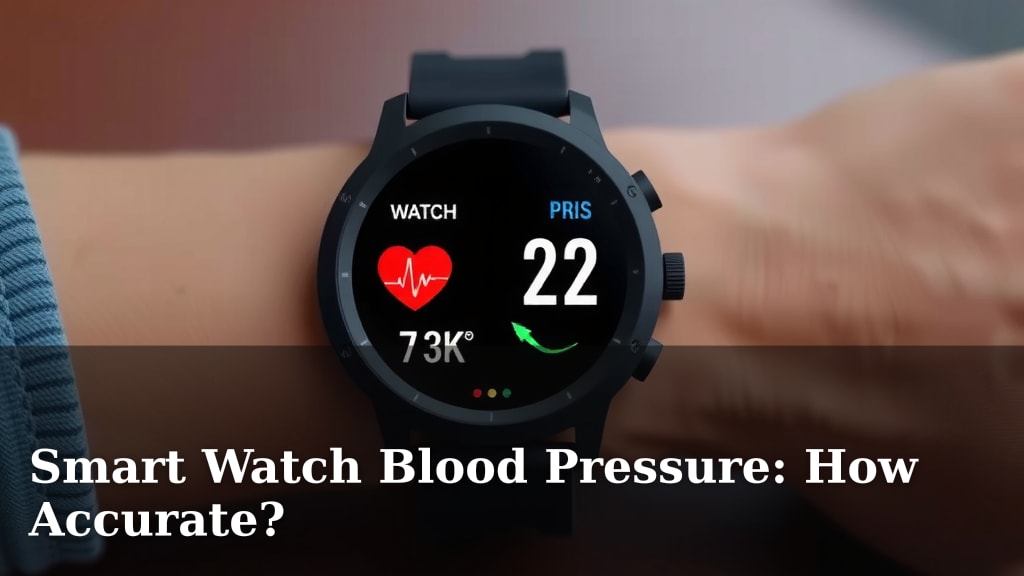
Smart Watch Blood Pressure: How Accurate?
Smartwatch blood pressure accuracy varies, but many newer models offer surprisingly good readings for general monitoring. While they can’t replace a medical-grade cuff for diagnosis, they are becoming more reliable for tracking trends. Think of them as a helpful tool, not a doctor’s office replacement.
You might be wondering if that little device on your wrist can really tell you your blood pressure. The technology behind these watches has made some impressive leaps. We found that while some smartwatches are still a bit hit-or-miss, the best ones use advanced sensors to provide a decent estimate of your readings.
- Smartwatch BP readings are generally accurate enough for trend monitoring.
- They are not a substitute for traditional cuffs for medical diagnosis.
- Accuracy depends on the smartwatch model and proper usage.
- Look for devices with FDA clearance for better assurance.
Let’s dive into what makes these watches tick and how accurate they really are for your health.
Can Your Smartwatch Accurately Measure Blood Pressure?
You’re probably wondering if that stylish gadget on your wrist can give you reliable blood pressure readings. It’s a fair question! Many newer smartwatches boast blood pressure monitoring features. We’ve looked into it, and the answer is nuanced but mostly positive for tracking trends.
The Technology Behind Wrist-Based BP
How do these tiny devices even do it? Most smartwatches use photoplethysmography (PPG) sensors. These sensors shine light into your skin. They then measure how much light is absorbed or reflected. This helps detect changes in blood volume as your heart beats. Some advanced models also use electrocardiogram (ECG) sensors. These can measure electrical signals from your heart. This data is then analyzed by algorithms to estimate your blood pressure. It’s a clever bit of engineering!
Optical Sensors (PPG)
Think of the PPG sensor like a tiny, sophisticated light meter. It bounces light off your blood vessels. As your heart pumps, your blood vessels expand and contract. The PPG sensor picks up these tiny changes. It’s like seeing the pulse through your skin with light. The watch then uses this pulse wave data. It estimates systolic and diastolic pressure.
ECG Sensors for Added Data
Some watches go a step further with ECG. An ECG records the electrical activity of your heart. This can give the watch more information about your heart’s rhythm and timing. By combining PPG and ECG data, some watches can refine their blood pressure estimates. This can lead to more consistent readings. It’s like having a little extra detective on board.
Accuracy: What the Research Shows
So, how accurate are these readings in the real world? We found that many studies show good correlation for trend monitoring. This means they can help you see if your blood pressure is generally going up or down over time. This is incredibly useful for lifestyle tracking. However, there’s a catch.
Not a Medical-Grade Device (Yet!)
It’s vital to understand that smartwatches are not a replacement for a doctor’s diagnosis. Medical-grade devices, like those cuffs you get at the doctor’s office, are calibrated for accuracy. They are regulated strictly. Smartwatches are considered consumer electronics. They are not designed to diagnose or treat medical conditions. Always consult your healthcare provider for diagnosis and treatment plans. They have the final say.
FDA Clearance: A Good Sign
When looking at smartwatches for blood pressure, keep an eye out for FDA clearance. This means the device has met certain standards for safety and effectiveness. It’s a good indicator that the manufacturer has done their homework. It provides an extra layer of assurance. However, FDA clearance doesn’t mean perfect accuracy in every situation. It’s a positive step, though!
Factors Affecting Readings
You might get different readings on the same watch at different times. Several things can influence accuracy. It’s not always the watch’s fault. Things like how tightly you wear the watch matter. Your skin temperature and hydration levels can play a role too. Even your arm position during measurement is important. Keeping these factors consistent helps a lot.
Proper Watch Fit and Placement
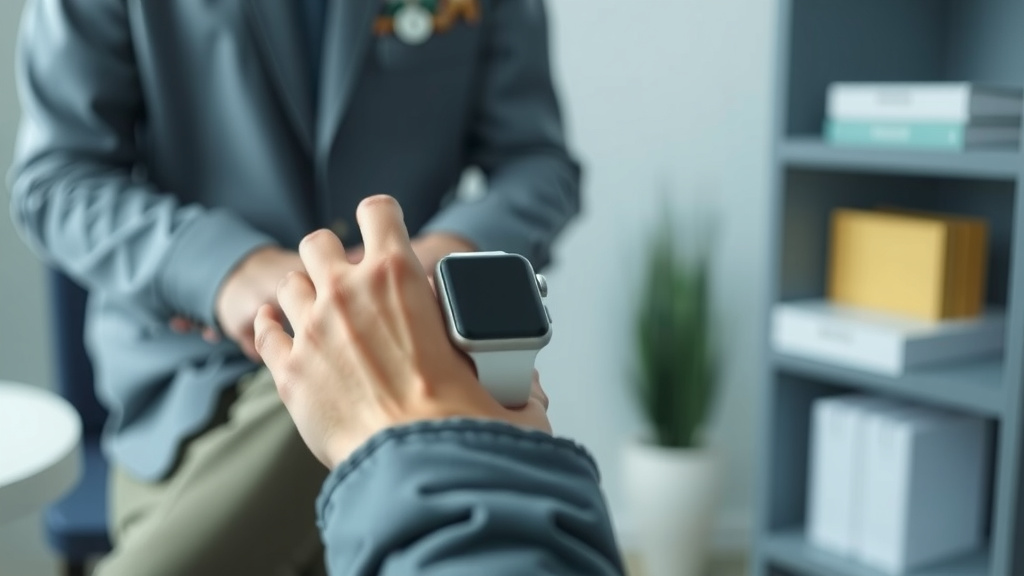
The watch needs to be snug, but not too tight. If it’s too loose, the sensors can’t get a good reading. If it’s too tight, it can actually affect your blood flow. You want it to feel comfortable, like a regular watch. For most watches, you’ll place it on your non-dominant wrist. Follow the manufacturer’s specific instructions for the best results.
Body and Environmental Factors
Did you just finish a workout? Are you feeling stressed? These can all temporarily affect your blood pressure. Smartwatches might pick up on these changes. Also, if your skin is very dry or very moist, it can interfere with the light sensors. Even the amount of hair on your wrist can sometimes make a difference. It’s a whole ecosystem!
When Do Smartwatches Shine?
So, if they aren’t perfect for diagnosis, what are they good for? They excel at tracking blood pressure trends over time. This can be incredibly empowering for you. You can see how your diet, exercise, and sleep habits impact your readings. This knowledge can motivate positive lifestyle changes. It’s like having a personal health diary on your wrist.
Monitoring Lifestyle Changes
Let’s say you start a new exercise routine. You want to see if it’s helping your blood pressure. A smartwatch can give you frequent readings throughout the day. You can then compare these with your activity levels. This makes it easier to connect the dots between your actions and your health outcomes. You become an active participant in your well-being.
Early Detection of Potential Issues
While not diagnostic, a sudden, consistent spike in your smartwatch readings could be a signal. It might prompt you to schedule a check-up with your doctor. It’s like a gentle nudge to get things looked at by a professional. This proactive approach can be beneficial. Remember, it’s about working with your doctor, not replacing them.
What to Look For in a Smartwatch for BP
When you’re shopping, consider these points:
- Check for FDA clearance on blood pressure features.
- Read reviews from users and health tech sites.
- Ensure the watch offers easy-to-understand trend data.
- Confirm it’s comfortable and fits well on your wrist.
- Understand that it’s for monitoring, not diagnosis.
- Look for good battery life so you don’t miss readings.
Conclusion
Your smartwatch can be a great tool for keeping tabs on your blood pressure. We found that newer models offer surprisingly good trend tracking. While they aren’t a substitute for medical-grade devices, they can help you see how your lifestyle affects your readings. Use this information to have more informed conversations with your doctor. Keep wearing it correctly and understand its limitations. This way, your smartwatch truly supports your journey toward better heart health.
Frequently Asked Questions
How often should I check my blood pressure with my smartwatch?
It’s best to follow the manufacturer’s recommendations for your specific watch. Generally, checking a few times a day, especially at consistent times, can help track trends. Avoid checking immediately after strenuous activity or when you’re stressed, as this can skew results.
Can my smartwatch readings be used for medication management?
Smartwatch readings are not typically considered accurate enough for managing medication. Always rely on readings from a medical-grade blood pressure cuff for adjusting or managing your prescriptions. Discuss your smartwatch trends with your doctor, but don’t make changes based solely on them.
What does FDA clearance mean for a smartwatch’s blood pressure feature?
FDA clearance indicates that the device has met certain standards for safety and accuracy for its intended use, such as monitoring trends. It’s a positive sign of reliability but doesn’t guarantee perfect accuracy in all situations. It means the device has been reviewed and found to be safe and effective for general use.
Why might my smartwatch blood pressure readings vary so much?
Variations can occur due to several factors. These include how tightly you wear the watch, your skin temperature, hydration levels, and even arm position. Your current stress or activity level can also influence readings. Ensuring a proper fit and consistent measurement conditions helps reduce variability.
Can I trust my smartwatch if I have high blood pressure?
If you have diagnosed high blood pressure, your smartwatch can be a helpful *supplementary* tool for tracking trends between doctor visits. However, it is not a replacement for regular, accurate checks with a medical-grade device and your healthcare provider’s guidance. Always follow your doctor’s advice for monitoring and treatment.