Smart Watch Sleep Data: How Accurate?
Smartwatch sleep tracking is generally pretty good, but it’s not perfect. While most devices can accurately tell if you’re asleep or awake, and even track your sleep stages like light and deep sleep, they sometimes miss the mark on the finer details like REM sleep. Think of it as a really helpful guide rather than a doctor’s definitive report.
Your trusty wrist companion uses sensors to guess what’s happening while you’re dreaming. It looks at things like your heart rate and how much you move. This data helps it estimate your sleep patterns, but it’s important to remember it’s an estimation, not a direct measurement from a lab. So, while your smartwatch is trying its best to understand your slumber, it might not always capture every single nuance.
- Smartwatches are generally accurate for telling if you’re asleep or awake.
- They can often identify light and deep sleep stages well.
- Accuracy can vary for REM sleep detection.
- Movement and heart rate are the main data points used.
- It’s a helpful tool, but not a substitute for medical sleep studies.
Ready to dive deeper into what your smartwatch can and can’t tell you about your sleep? Let’s break down the science and common quirks of smartwatch sleep tracking.
How Accurate Is Your Smartwatch’s Sleep Tracking?
Your smartwatch is a pretty neat gadget. It sits on your wrist all day and night. You might be wondering how well it really understands your sleep. We found that most smartwatches do a decent job. They can often tell if you’re awake or asleep. This is the most basic, yet important, function.
Many experts agree that detecting wakefulness is where these devices shine. They look for movement and changes in your heart rate. If you’re tossing and turning or your heart rate spikes, it’s likely you’re awake. This feature is generally very reliable. It helps paint a clear picture of your sleep versus wake time.
Understanding Sleep Stages and Your Watch’s Role
Beyond just knowing if you’re asleep, your watch tries to figure out what kind of sleep you’re getting. This is where things get a bit more interesting. We’re talking about light sleep, deep sleep, and REM sleep. These stages are vital for feeling rested and for your brain’s health.
The Science Behind Sleep Stage Tracking
Your smartwatch doesn’t have a direct line to your brain. Instead, it uses sensors to gather clues. The main clues are your movement and your heart rate. Researchers have found that different sleep stages have distinct patterns in these areas.
Movement and Heart Rate Patterns
During light sleep, you’re easily woken up. You might move a bit more, and your heart rate is still relatively low. In deep sleep, your body is very still. Your heart rate and breathing slow down significantly. This is the restorative stage for your body.
REM sleep is different. It’s when most dreaming occurs. Your brain activity increases, but your body’s muscles are paralyzed to stop you from acting out your dreams. Your heart rate and breathing can become more irregular. This makes REM sleep trickier for smartwatches to identify accurately.
Accuracy of Different Sleep Stages
We found that smartwatches are generally good at differentiating between wakefulness, light sleep, and deep sleep. Studies often show they are quite accurate here. They can usually tell if you’ve had enough deep sleep, which is crucial for physical recovery.
However, detecting REM sleep is often where smartwatches struggle. Their accuracy can vary widely. Some devices are better than others. It’s not uncommon for them to misclassify REM sleep or confuse it with light sleep. Think of it as a best guess rather than a perfect match.
| Sleep Stage | Smartwatch Accuracy (General Finding) | Why It’s Tracked This Way |
|---|---|---|
| Awake | High | Detected by significant movement and increased heart rate. |
| Light Sleep | Good | Moderate movement and lower heart rate than awake. |
| Deep Sleep | Good | Minimal movement and very slow heart rate/breathing. |
| REM Sleep | Variable / Fair | Erratic heart rate/breathing, muscle paralysis (hard to detect remotely). |
Factors Affecting Smartwatch Sleep Tracking Accuracy
Several things can influence how accurate your watch is. It’s not just about the watch itself. Your own sleep habits play a role. The way you wear the watch matters too.
Device Quality and Algorithms
Not all smartwatches are created equal. Some use more advanced sensors and algorithms. These differences can lead to varying levels of accuracy. Brands invest a lot in refining these algorithms. They use data from sleep labs to train their devices.
Your Personal Sleep Habits
If you tend to move a lot in your sleep, your watch might think you’re awake more often than you are. People who are very still sleepers might have their wake times underestimated. Certain medications or conditions can also affect your sleep patterns and, in turn, the watch’s readings.
How You Wear Your Watch
Make sure your watch is snug on your wrist, but not too tight. A watch that’s too loose can slide around. This can interfere with heart rate readings. It might also miss subtle movements. A comfortable, secure fit is key for reliable data.
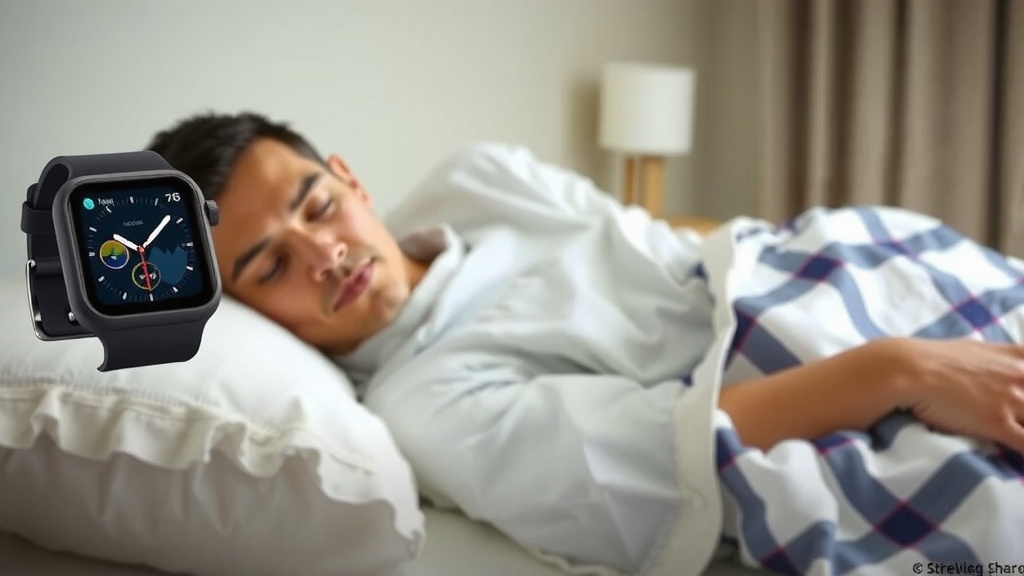
Smartwatch Sleep Data vs. Professional Sleep Studies
It’s important to understand that your smartwatch is a consumer device. It’s designed for general health and wellness tracking. It’s not a medical-grade instrument. A sleep study, also known as polysomnography, is conducted in a lab.
During a sleep study, doctors use multiple sensors. These are attached to your head, chest, and legs. They measure brain waves, eye movements, muscle activity, and more. This provides a much more detailed and accurate picture of your sleep architecture. Experts often refer to these studies as the gold standard for sleep analysis (National Institute of Sleep and Consciousness).
While your smartwatch can offer great general information, it can’t replace a medical sleep study. If you have serious concerns about your sleep, like chronic insomnia or sleep apnea, you should consult a doctor. Your watch data can be a useful starting point for that conversation. But it’s not a diagnostic tool itself.
Getting the Most Out of Your Smartwatch Sleep Data
So, how can you make the most of the sleep data your watch provides? Focus on trends over time. Don’t obsess over a single night’s data. Look for patterns in your sleep duration, consistency, and perceived sleep quality.
Try to keep other factors consistent. Stick to a regular sleep schedule. Create a relaxing bedtime routine. Ensure your bedroom is dark and quiet. These habits will likely improve your sleep. They will also make your smartwatch data more representative of your actual sleep quality.
Here’s a quick checklist to help you use your sleep data wisely:
- Focus on trends, not daily perfection.
- Wear your watch consistently and snugly.
- Create a good sleep environment.
- Maintain a regular sleep schedule.
- Don’t use sleep data for medical diagnosis.
- Talk to a doctor if you have serious sleep concerns.
Conclusion
Your smartwatch is a fantastic tool for monitoring your sleep. We found it’s generally accurate for knowing if you’re awake or asleep, and good at tracking light and deep sleep stages. REM sleep can be a bit hit-or-miss, so treat those numbers as a good estimate. Remember, your watch provides trends and general patterns, not medical diagnoses. Use this data to understand your habits better and make positive changes for your rest.
If you notice consistent issues or have health concerns, always consult your doctor. For now, keep an eye on those trends and enjoy a more informed approach to your sleep journey.
Frequently Asked Questions
How often should I wear my smartwatch for accurate sleep tracking?
For the most reliable data, you should wear your smartwatch every night. Consistent wear allows the device to build a comprehensive picture of your sleep patterns over time. This helps it identify trends and anomalies more effectively.
Can my smartwatch tell me if I have a sleep disorder?
While your smartwatch can flag potential issues like very restless sleep or significant periods of wakefulness, it cannot diagnose sleep disorders. It’s a wellness tool, not a medical device. If you suspect a sleep disorder, you must consult a healthcare professional.
What’s the difference between my watch’s sleep data and a doctor’s sleep study?
A doctor’s sleep study, or polysomnography, uses multiple sensors to measure brain waves, oxygen levels, and more for a precise medical assessment. Your smartwatch relies on movement and heart rate, offering a good general overview but lacking the detailed medical accuracy of a lab study.
Why is REM sleep accuracy sometimes lower on smartwatches?
REM sleep is characterized by rapid eye movement and muscle paralysis, along with fluctuating heart rate and breathing. These subtle physiological changes are harder for a smartwatch’s sensors to detect accurately compared to the more distinct patterns of other sleep stages.
How can I improve the accuracy of my smartwatch’s sleep data?
Ensure your watch is worn snugly but comfortably on your wrist for good sensor contact. Maintaining a consistent sleep schedule and a healthy sleep environment can also lead to more representative data. Avoid wearing it too loosely, as this can disrupt readings.
![7 Smart Watch The Best [2026]](https://smartwatchbest.com/wp-content/uploads/2026/06/7-smart-watch-the-best-2026-featured-768x432.jpg)