Smartwatch Blood Pressure: How Accurate Are They
Are smartwatches reliable for blood pressure readings? We found that while many smartwatches now offer blood pressure tracking, they are generally not a replacement for medical-grade devices. They can be a helpful tool for general awareness, but their accuracy can vary, making them less reliable for clinical decisions. Always consult your doctor for official measurements and advice.
Tracking your blood pressure at home can be incredibly useful for staying on top of your health. Smartwatches add a layer of convenience to this. We’ve seen many brands incorporating this feature. However, it’s important to understand how these devices work and their limitations compared to a traditional blood pressure cuff. Your health is the top priority.
- Smartwatches offer convenient blood pressure tracking.
- Accuracy can vary significantly between devices.
- They are generally not as reliable as medical cuffs.
- Use them for general awareness, not diagnosis.
- Always confirm readings with your doctor.
Ready to dive deeper? We’ll walk you through how smartwatch blood pressure monitoring works, what to look for, and when you can trust the numbers. Let’s get your questions answered.
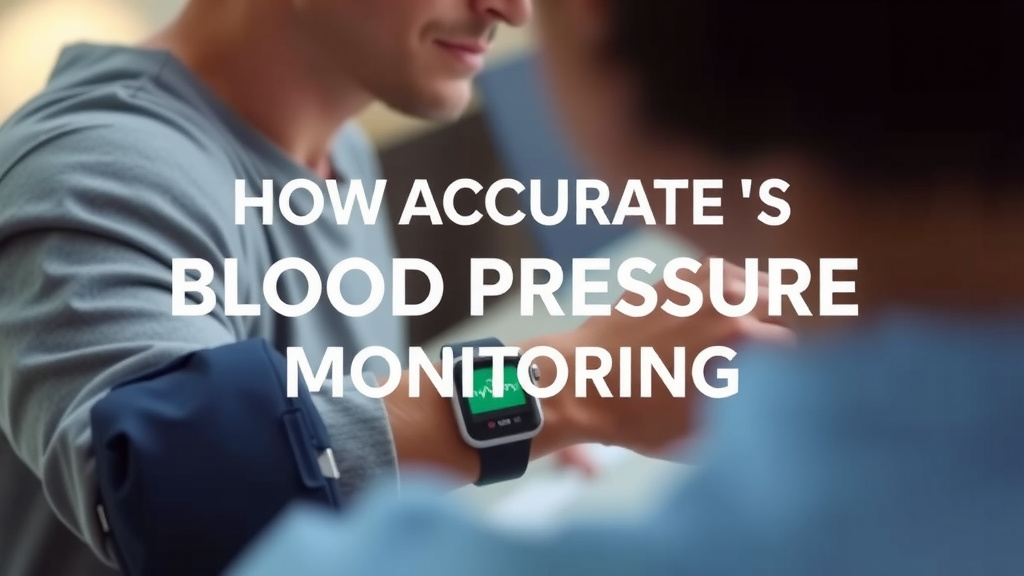
How Accurate is Smartwatch Blood Pressure Monitoring?
You might be wondering if that sleek device on your wrist can truly measure your blood pressure reliably. We’ve looked into it, and the short answer is: it’s complicated. While many smartwatches now boast blood pressure tracking, they are generally not a replacement for medical-grade devices like a traditional cuff. They can offer a general sense of your numbers, but their accuracy can vary. This means they’re best used for tracking trends, not for making critical health decisions.
Understanding Smartwatch Blood Pressure Technology
How do these watches even take a reading? It’s a clever bit of engineering. Most smartwatches use a method called oscillometric measurement, similar to traditional cuffs. They inflate a small cuff around your wrist and measure the pressure waves as blood flows through your arteries. However, the precision of this method can depend on several factors.
The Science Behind the Sensors
The sensors in smartwatches are constantly improving. They often use photoplethysmography (PPG) sensors, which shine light into your skin to detect blood volume changes. When combined with other sensors and algorithms, they try to estimate your blood pressure. It’s a smart approach, but it has its limits.
Calibration is Key
One of the biggest hurdles for smartwatch accuracy is calibration. Many devices require you to calibrate them regularly with a traditional blood pressure cuff. If this calibration isn’t done correctly or often enough, your smartwatch readings can drift. It’s like trying to set your watch without a reference time – it might be off.
Factors Affecting Smartwatch Accuracy
Even with the best technology, your smartwatch’s blood pressure readings can be affected by everyday things. Think of it like trying to get a clear photo on a bumpy ride – the motion can blur the image. Several elements can influence the reliability of your readings.
Watch Placement and Fit
Where you wear the watch and how snug it is matters a lot. For accurate readings, the watch needs to be positioned correctly on your wrist, usually a specific distance from your hand. A watch that’s too loose or too tight can give you skewed results. We found that a consistent placement is crucial for repeated measurements.
Movement and Body Position
Are you sitting still? Are your arms at heart level? These details are important. If you move during a reading, or if your arm is positioned too high or too low, it can easily affect the measurement. Many experts recommend sitting quietly for a few minutes before taking a reading, just like you would with a regular cuff (American Heart Association).
Individual Physiology
Everyone’s body is different, and that plays a role too. Factors like skin tone, the thickness of your wrist, and even how hydrated you are can sometimes influence how well the sensors work. Research indicates that certain physiological characteristics might make readings less precise in some individuals (National Institutes of Health).
Smartwatches vs. Traditional Blood Pressure Cuffs
It’s natural to compare your smartwatch to the devices your doctor uses. Traditional cuffs are generally considered the gold standard for blood pressure measurement. They are designed for clinical accuracy and are validated for medical use.
| Feature | Smartwatch BP Monitor | Traditional BP Cuff |
|---|---|---|
| Accuracy | Variable, requires calibration | High, clinically validated |
| Convenience | High, always on your wrist | Lower, requires separate device |
| Purpose | General trend tracking, awareness | Clinical diagnosis, medical management |
| Cost | Higher initial cost for watch | Lower initial cost for cuff |
Think of it this way: your smartwatch is like a helpful scout, giving you general information about the terrain. A traditional cuff is like a surveyor, providing precise measurements for mapping. Both have their place, but one is designed for detail work.
When to Trust Your Smartwatch Readings
So, when can you actually rely on those numbers? Smartwatches are often best for tracking trends over time. If you see a consistent pattern of higher or lower readings over days or weeks, it’s a good indicator that something might be changing. This trend data can be very useful to share with your doctor.
Use for General Awareness
These devices are excellent for building awareness about your blood pressure. If you’re generally active and want a quick check-in, they can provide that. Seeing how exercise or stress affects your numbers can be eye-opening. It’s about getting a broader picture of your health habits.
Not for Diagnosis or Medication Adjustments
Here’s a critical point: you should never rely solely on a smartwatch to diagnose a condition or decide whether to change your medication. For any medical decision, you absolutely need readings from a medically validated device. Your doctor’s advice is based on reliable measurements.
What Smartwatch Features to Look For
If you’re considering a smartwatch for blood pressure monitoring, there are a few things to keep in mind. Not all “health tracking” watches are created equal when it comes to blood pressure.
FDA Clearance or CE Marking
Look for devices that have undergone rigorous testing and received clearance from regulatory bodies like the FDA (in the U.S.) or have CE marking (in Europe). This indicates that the device meets certain standards for safety and performance. It’s a good sign the manufacturer took accuracy seriously.
Clear Instructions for Use
The device’s app should provide clear, step-by-step instructions on how to take a measurement. This includes guidance on placement, posture, and calibration. If the instructions are vague, it might be a sign the device isn’t designed for precise measurements.
Regular Software Updates
Technology advances quickly. Manufacturers often release software updates to improve the accuracy and functionality of their devices. Staying updated ensures you’re getting the best performance from your smartwatch.
Your Checklist for Smartwatch BP Monitoring
To make the most of your smartwatch’s blood pressure feature, keep these points in mind:
- Always calibrate your watch with a traditional cuff regularly.
- Take readings when you are calm and seated.
- Ensure the watch fits snugly but comfortably.
- Position the watch correctly on your wrist.
- Use readings for trends, not for diagnosis.
- Discuss all readings with your healthcare provider.
By understanding the capabilities and limitations of your smartwatch, you can use it as a helpful tool to stay more informed about your well-being. Just remember to always prioritize medical advice and validated devices for important health decisions.
Conclusion
You’ve learned that smartwatches can be a helpful tool for tracking general blood pressure trends. While they offer convenience, remember they aren’t a substitute for medically validated devices. We found that accuracy can vary, and consistent calibration is key. For any health decisions, always consult your doctor. Your smartwatch can provide useful awareness, but your healthcare provider offers the definitive guidance. Make sure to use your device for trend monitoring and share those patterns with your doctor for the best care.
Frequently Asked Questions
Can I rely on my smartwatch for an accurate blood pressure reading?
Smartwatches can offer a general idea of your blood pressure trends, but their accuracy can vary. They are best used for awareness and tracking patterns over time, not for making critical medical decisions or diagnoses.
How often should I calibrate my smartwatch for blood pressure?
Most manufacturers recommend calibrating your smartwatch with a traditional blood pressure cuff regularly, often every few weeks. Following the specific instructions for your device is important for maintaining the best possible accuracy.
Can a smartwatch detect high blood pressure on its own?
While a smartwatch can show you readings, it’s not designed to diagnose high blood pressure independently. If your smartwatch shows consistently elevated readings, it’s essential to confirm them with a medical-grade device and discuss them with your doctor.
What are the main differences between a smartwatch reading and a doctor’s reading?
Doctors use clinically validated blood pressure cuffs that are designed for medical accuracy. Smartwatches offer convenience and trend tracking, but their readings may not be as precise as those from a traditional cuff used in a clinical setting.
When should I definitely NOT use my smartwatch for blood pressure readings?
You should not rely on your smartwatch for blood pressure readings if you need to make decisions about medication adjustments or diagnose a medical condition. Always use readings from a medically validated device and follow your doctor’s advice for such situations.
![7 Best Smart Watch Sale [2026]](https://smartwatchbest.com/wp-content/uploads/2026/10/7-best-smart-watch-sale-2026-featured-768x432.jpg)
![7 Best Smart Fitness Watch For Android [2026]](https://smartwatchbest.com/wp-content/uploads/2026/08/7-best-smart-fitness-watch-for-android-2026-featured-768x432.jpg)