How Do Smart Watches Measure REM Sleep?
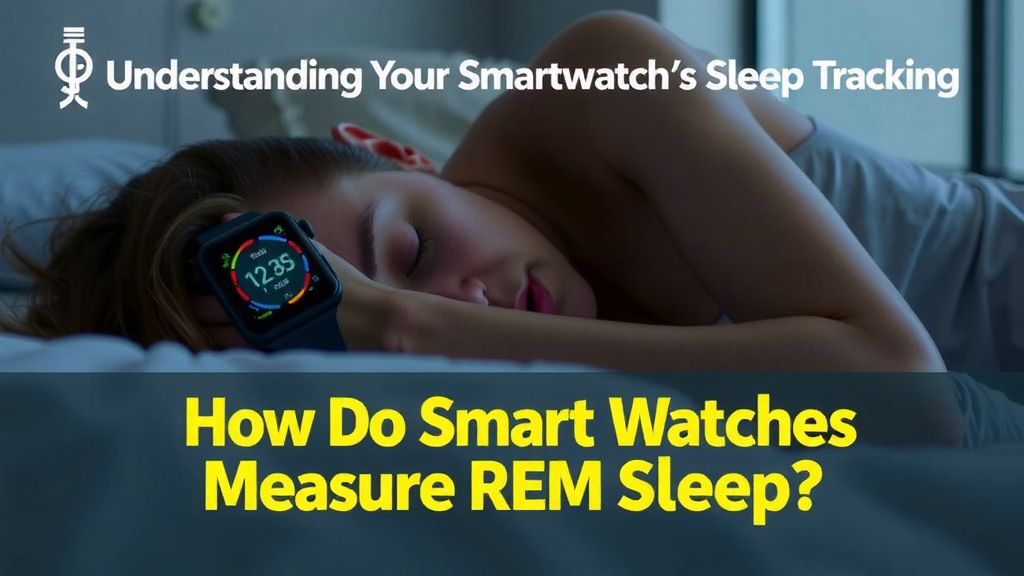
Smartwatches measure REM sleep using motion sensors and sometimes heart rate monitors. They track your movements and heart rate changes throughout the night to estimate your sleep stages, including REM sleep. This technology helps you understand your sleep patterns better.
Your smartwatch looks for specific patterns associated with REM sleep. During this stage, your body is more relaxed, but your brain activity increases. Researchers have found that the movements and heart rate variability captured by your watch can indicate you’re in this active dreaming phase.
- Smartwatches track sleep using motion and heart rate.
- They look for movement and heart rate patterns unique to REM sleep.
- This helps estimate when you are dreaming and in a lighter sleep phase.
- It’s an educated guess, not a perfect science like a lab study.
- Understanding your sleep can help you make lifestyle changes.
Let’s dive into the specific ways your watch figures out if you’re in REM sleep and what that really means for your health.
Understanding Your Smartwatch’s Sleep Tracking
So, how exactly does that little device on your wrist figure out your sleep stages, especially that dreamy REM phase? It’s a clever bit of technology, really. Your smartwatch uses sensors to gather data throughout the night. Then, it uses algorithms to analyze this data. These algorithms are trained on vast amounts of sleep information. They look for patterns that are common across many people.
The Role of Motion Detection
Think of your smartwatch like a tiny sleep detective. One of its main tools is its accelerometer. This is a motion sensor. It can detect even the slightest movements you make while you sleep. You might think you’re sleeping soundly, but we all shift and stir a bit. Your watch captures all these subtle shifts.
Movement Patterns During Sleep Stages
The amount and type of movement can tell your watch a lot. When you’re in deep sleep, you tend to be very still. Your body is repairing and resting. You won’t move much at all during this stage. As you move into lighter sleep stages, you’ll likely stir more. REM sleep is a bit different. You might be quite still, almost paralyzed, but your eyes move rapidly. Your watch can pick up on the lack of gross motor movement while still detecting other physiological changes.
Heart Rate Monitoring: A Deeper Look
Many smartwatches don’t stop at just motion. They often include a heart rate sensor. This is usually an optical sensor that shines light into your skin. It measures changes in blood flow. This gives your watch more data points to work with. Heart rate is a key indicator of your body’s state.
Heart Rate Variability (HRV) and Sleep
The real magic happens when your watch looks at your heart rate variability. HRV isn’t just how fast your heart is beating. It’s the variation in time between each heartbeat. This might sound odd, but it’s a window into your autonomic nervous system. A higher HRV often indicates relaxation and recovery. A lower HRV can suggest stress or exertion. During REM sleep, your heart rate can become more erratic and variable. It often mirrors the brain’s activity, which is quite high during this stage.
Combining Motion and Heart Rate Data
Your smartwatch doesn’t rely on just one piece of information. It’s the combination of motion and heart rate data that helps it make an educated guess. For instance, if you’re very still (low motion) but your heart rate is elevated and variable, this pattern is often associated with REM sleep. Researchers have found this correlation to be quite strong (National Sleep Foundation).
How REM Sleep is Identified
REM stands for Rapid Eye Movement. It’s one of the most fascinating stages of sleep. It’s when most vivid dreaming occurs. Your brain activity during REM sleep is surprisingly similar to when you’re awake. So, how does your watch spot this active brain state?
The “Dreaming” Stage Patterns
During REM sleep, your body enters a state of temporary muscle paralysis. This is called atonia. It prevents you from acting out your dreams. So, while your brain is buzzing, your body is mostly still. Your smartwatch sees this stillness. But it also notices other clues. Your breathing might become irregular. Your heart rate can speed up or slow down quickly. These are the key signals your watch is trained to detect. Many experts say these physiological changes are the best non-invasive indicators of REM sleep (Cleveland Clinic).
Distinguishing REM from Other Sleep Stages
It can be tricky for a smartwatch to differentiate between REM sleep and other lighter stages of sleep. Both can involve more movement than deep sleep. However, the specific patterns of heart rate and subtle muscle twitches are often the deciding factors. For example, a brief period of increased heart rate variability with minimal movement is more likely to be flagged as REM. It’s a process of elimination and pattern matching.
Limitations and What to Expect
While smartwatches are getting incredibly sophisticated, it’s important to remember they aren’t medical-grade sleep labs. They offer estimations, not perfect diagnoses. Understanding these limitations helps you interpret the data correctly.
Accuracy Compared to Lab Studies
Polysomnography, or a sleep study, is the gold standard for measuring sleep. This involves electrodes attached to your brain, muscles, and eyes. It provides highly detailed data. Your smartwatch, on the other hand, uses external sensors. Research indicates that while smartwatches are good at distinguishing between wakefulness and sleep, their accuracy in identifying specific sleep stages like REM can vary. Some studies show good correlation, while others highlight discrepancies (Mayo Clinic).
Factors That Can Affect Readings
Several things can influence your watch’s readings. How snugly you wear your watch is important. If it’s too loose, the heart rate sensor might not get accurate data. Your sleeping position can also play a role. Restlessness or frequent waking can confuse the algorithms. Even your skin tone can sometimes affect the optical heart rate sensor’s performance. Therefore, the data is a helpful guide, not an absolute truth.
Interpreting Your Sleep Data
When you look at your sleep data, focus on trends over time. Are you consistently getting a certain amount of REM sleep? Is it increasing or decreasing over weeks? This long-term view is often more insightful than a single night’s reading. Your watch can help you see if lifestyle changes, like avoiding caffeine late at night or sticking to a regular sleep schedule, are impacting your REM sleep.
Making Sense of Your Numbers: A Quick Guide
- REM Sleep Duration: This is the total time you spend in REM sleep.
- REM Percentage: This shows what portion of your total sleep was REM.
- Timing of REM: When REM periods occur during the night.
- Trends: How your REM sleep changes day-to-day or week-to-week.
It’s like getting a general idea of your sleep health. Use this information to make positive changes. For example, if you see low REM sleep, you might want to focus on improving sleep hygiene.
Conclusion
Your smartwatch uses motion and heart rate data to estimate your REM sleep. It looks for patterns like stillness combined with variable heart rate. While not a perfect sleep lab, this technology offers a helpful glimpse into your sleep. You can track trends over time to see how lifestyle changes affect your rest. Use this data as a guide to improve your sleep hygiene. Pay attention to your body’s signals and aim for consistent, restful sleep for better overall health.
Frequently Asked Questions
Can my smartwatch really tell if I’m dreaming?
Your smartwatch can’t directly see if you’re dreaming. However, REM sleep is the stage where most vivid dreaming occurs. By detecting physiological patterns associated with REM sleep, like rapid eye movements (inferred from subtle head motions) and changes in heart rate and breathing, it can estimate when you’re likely in this dreaming stage.
Is smartwatch REM sleep tracking accurate enough to worry about?
Smartwatch REM sleep tracking is generally good at showing trends but isn’t as precise as a medical sleep study. For most users, it’s accurate enough to help you understand if your sleep patterns are changing. Don’t stress over minor nightly variations; focus on long-term patterns and how you feel.
What should I do if my smartwatch shows I’m not getting enough REM sleep?
If your watch consistently shows low REM sleep, consider improving your sleep hygiene. This includes maintaining a regular sleep schedule, creating a relaxing bedtime routine, and ensuring your bedroom is dark and quiet. Consult a doctor if you have persistent concerns about your sleep quality.
Why does my heart rate increase during REM sleep according to my watch?
During REM sleep, your brain activity is high, similar to when you’re awake. This increased brain activity can lead to a more variable and sometimes faster heart rate. Your smartwatch detects these heart rate fluctuations as a key indicator of REM sleep, alongside reduced body movement.
Can a smartwatch distinguish REM sleep from a light nap?
Smartwatches are designed to track sleep over longer periods, typically overnight. While they can detect movement during naps, their algorithms are best at identifying sleep stages within a full sleep cycle. Naps might be logged as “light sleep” or “awake time” rather than breaking down into specific REM stages.
![7 Best Open Source Smart Watch [2026]](https://smartwatchbest.com/wp-content/uploads/2026/08/7-best-open-source-smart-watch-2026-featured-768x432.jpg)
![7 Best Smart Watch For Diving [2026]](https://smartwatchbest.com/wp-content/uploads/2026/08/7-best-smart-watch-for-diving-2026-featured-768x432.jpg)