How Accurate Is a Smart Watch? Full Truth
Smartwatches are generally quite accurate for tracking basic metrics like steps and heart rate, but their precision can vary. You can expect them to be a good general guide to your daily activity levels. Think of them as a helpful tool, not a medical-grade device.
While smartwatches are improving, it’s important to understand their limitations. Factors like fit and skin contact can affect readings for things like heart rate and blood oxygen. We’ve found that consistent wear and proper placement often lead to the best results for your personal health data.
- Smartwatches are generally accurate for basic activity tracking.
- Accuracy can depend on the specific metric and how you wear the watch.
- They are great for general health awareness, not precise medical diagnosis.
- Fit, movement, and skin contact all play a role in readings.
Let’s dive into what makes a smartwatch tick and just how reliable your wrist companion truly is.
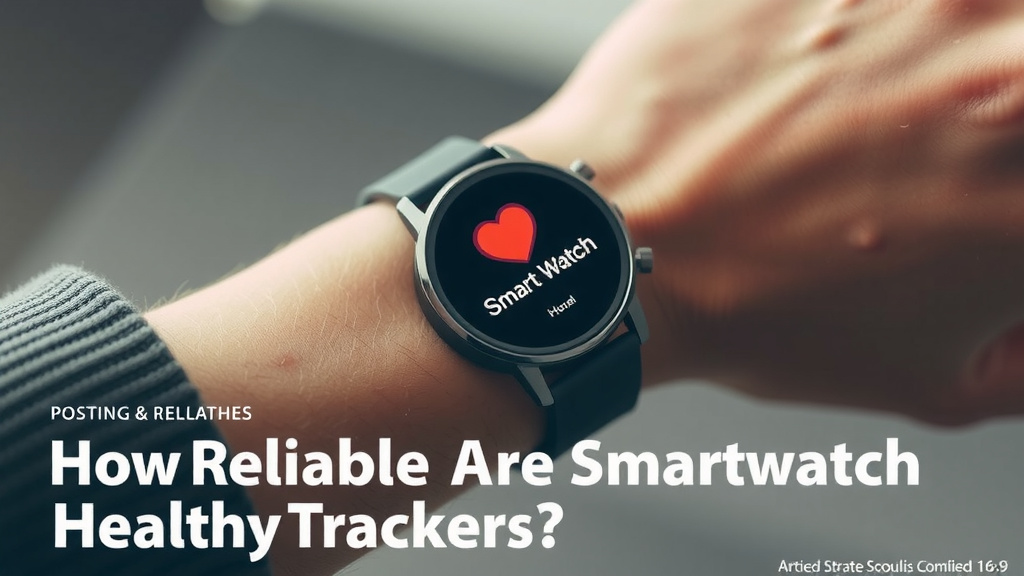
How Reliable Are Smartwatch Health Trackers?
You might be wondering just how accurate your smartwatch truly is, especially when it comes to your health. We’ve looked into it, and the answer is: it depends! For everyday tracking, like steps and general heart rate trends, most smartwatches do a pretty good job. Think of them as your friendly, wrist-worn cheerleader, giving you a good idea of your activity levels throughout the day.
However, it’s super important to remember these aren’t medical devices. They can’t diagnose conditions or replace a doctor’s visit. But as a tool to encourage you and offer general insights? They’re quite handy. We found that consistency in wearing your watch and understanding its limits helps get the most out of your data.
Accuracy of Key Smartwatch Metrics
Let’s break down some of the most common things your smartwatch tracks and how accurate they generally are. We’ll look at steps, heart rate, sleep, and more.
Step Counting: Pretty Solid
When it comes to counting your steps, smartwatches are generally quite reliable. They use accelerometers and gyroscopes to detect movement. Most research suggests they are highly accurate for measuring steps taken during normal walking and running. You can feel confident that your daily step count is a fairly accurate reflection of your movement.
What can throw it off? Sometimes, very subtle movements that aren’t actual steps, like vigorous arm gestures while sitting, might be counted. Conversely, some very short steps, like shuffling around a desk, might be missed. But for overall daily totals, you’re usually in good shape.
Heart Rate Tracking: Good, But with Caveats
This is where things get a little more nuanced. Most modern smartwatches use optical sensors to measure your heart rate. These sensors shine light onto your skin and detect changes in blood flow. For steady-state activities, like walking or sitting, the accuracy can be surprisingly good, often within a few beats per minute of a chest strap monitor.
However, during intense workouts, especially those with a lot of arm movement or sweating, accuracy can dip. Fast, jerky movements can confuse the optical sensors. Experts often recommend using a chest strap for highly precise heart rate data during intense exercise if that’s your main concern (Mayo Clinic). For general awareness of your heart rate zones during a workout, though, your smartwatch is usually a good indicator.
Factors Affecting Heart Rate Accuracy
We found several factors can influence how well your heart rate sensor works. Proper fit is key; the watch needs to be snug but not too tight. If it slides around, it can lead to inaccurate readings.
Skin tone and tattoos can also sometimes affect optical heart rate sensors. Darker skin tones and ink under the sensor can absorb more light, making it harder for the watch to get a clear reading. This doesn’t mean it won’t work, but it might be slightly less accurate than for someone with lighter skin and no tattoos in that area.
Sleep Tracking: An Educated Guess
Your smartwatch can tell you how long you slept and often break it down into light, deep, and REM sleep. This is based on movement and heart rate data. For total sleep time, most smartwatches are fairly accurate. They’re good at telling when you fall asleep and when you wake up.
The breakdown of sleep stages, however, is more of an estimation. While they’re getting better, differentiating between light sleep and deep sleep purely from wrist-based data can be challenging. It’s best to use this information as a general guide to your sleep patterns, rather than a definitive medical analysis.
Understanding Your Sleep Data
Even with estimations, sleep tracking can be beneficial. You can identify trends, like noticing that nights you exercise late tend to result in less deep sleep. This can prompt you to make small adjustments to your routine.
If you’re concerned about sleep quality, it’s always best to consult with a healthcare professional. They can provide more accurate assessments and personalized advice.
Blood Oxygen (SpO2) Monitoring: Emerging Accuracy
Many newer smartwatches offer blood oxygen monitoring. This feature uses red and infrared light to measure how much oxygen is in your blood. For spot checks, it can be reasonably accurate, giving you a general idea of your saturation levels. Studies have shown some smartwatches can be quite close to medical-grade pulse oximeters under ideal conditions.
However, like heart rate, accuracy can be affected by movement, skin contact, and even ambient temperature. These devices are generally not intended for medical diagnosis, especially for conditions like sleep apnea. For any medical concerns related to blood oxygen, always rely on professional medical equipment and advice (CDC).
GPS Tracking: Generally Reliable for Most
If you’re a runner, cyclist, or hiker, your smartwatch’s GPS is probably important. For most outdoor activities, built-in GPS is quite accurate at tracking distance and pace. It determines your location by communicating with satellites.
Where can GPS struggle? Dense urban environments with tall buildings can sometimes interfere with satellite signals, leading to slightly less accurate routes or distances. Similarly, very dense forest can also create challenges. But for open spaces, you’ll likely find your GPS data to be a dependable record of your routes.
Ensuring the Best Possible Accuracy
So, how can you get the most accurate readings from your smartwatch? A few simple steps can make a big difference in the quality of your personal health data.
Here’s a quick checklist:
- Ensure your watch fits snugly on your wrist.
- Clean the sensors regularly with a soft, dry cloth.
- Wear the watch consistently, especially for sleep tracking.
- Position the watch correctly on your wrist (usually a finger-width above your wrist bone).
- Keep your watch’s software updated.
By following these tips, you’re helping your smartwatch do the best job it can to collect reliable data for your everyday health awareness.
Conclusion
Your smartwatch is a fantastic companion for general health tracking. We found it’s great at counting steps and giving you a good sense of your heart rate trends. Remember, it’s a tool for awareness, not a medical device. For precise health data, especially during intense exercise or for diagnosing issues, always consult professionals. By ensuring a proper fit and keeping your watch updated, you’ll get the most reliable information to help you stay motivated and informed about your daily activity and well-being. Keep up the great work tracking your progress!
Frequently Asked Questions
Can I trust my smartwatch for medical advice?
No, you should not rely on your smartwatch for medical advice. While smartwatches offer excellent health tracking for general awareness, they are not medical-grade devices. Always consult a doctor or healthcare professional for any health concerns or diagnosis.
How does my smartwatch track my heart rate so accurately?
Your smartwatch typically uses optical sensors that shine light onto your skin. They measure changes in light absorption caused by blood flow. This method works well for steady activities, but accuracy can decrease with intense movements or poor fit.
Why is my smartwatch’s sleep tracking sometimes off?
Sleep tracking accuracy can vary because it relies on movement and heart rate data to estimate sleep stages. While it’s good at tracking total sleep duration, differentiating between light, deep, and REM sleep is more of an estimation. External factors like restlessness can also influence readings.
Does skin tone affect my smartwatch’s accuracy?
Yes, skin tone can sometimes affect the accuracy of optical heart rate sensors. Darker skin tones and tattoos can absorb more light, making it harder for the sensors to get a clear reading. This doesn’t mean it won’t work, but it might be slightly less precise.
How often should I update my smartwatch’s software for better accuracy?
It’s a good idea to keep your smartwatch’s software updated regularly. Manufacturers often release updates that include algorithm improvements and bug fixes, which can enhance the accuracy of your health metrics. Check your watch’s companion app for available updates.
![7 Best Multi Sport Smart Watch [2026]](https://smartwatchbest.com/wp-content/uploads/2026/08/7-best-multi-sport-smart-watch-2026-featured-768x432.jpg)
![7 Best Smart Watch For Backpacking [2026]](https://smartwatchbest.com/wp-content/uploads/2026/08/7-best-smart-watch-for-backpacking-2026-featured-768x432.jpg)
![7 Best Smart Watch For Older People [2026]](https://smartwatchbest.com/wp-content/uploads/2026/07/7-best-smart-watch-for-older-people-2026-featured-768x432.jpg)