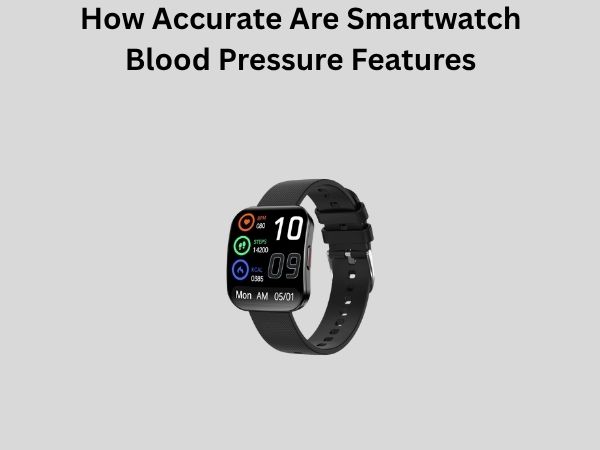
How Accurate Are Smartwatch Blood Pressure Features? A Complete Expert Analysis
You’re standing in the electronics aisle, eyeing that sleek smartwatch with the promise of monitoring your blood pressure right from your wrist. It sounds incredible, doesn’t it? Having a personal health companion that tracks one of your most important vital signs without visiting a doctor’s office. But here’s the question that’s probably running through your mind: can you actually trust what that little screen is telling you?
I’m going to be honest with you—the answer is more nuanced than a simple yes or no. The accuracy of smartwatch blood pressure features has become one of the most debated topics in wearable health technology, and for good reason. Let’s dive deep into what experts are really saying about these devices and whether they’re worth the investment.
Understanding Blood Pressure Monitoring Technology
Before we can evaluate accuracy, we need to understand how these devices actually work. Think of your smartwatch as a translator trying to convert complex biological signals into meaningful health data. It’s not a simple process, and that’s where things get tricky.
What Traditional Blood Pressure Monitors Do
Traditional blood pressure cuffs have been the gold standard for over a century. They work by inflating an arm cuff that’s wider than your arm itself, then gradually releasing pressure while measuring the force against your artery walls. It’s straightforward, proven, and reliable—but it’s also bulky and inconvenient.
How Smartwatches Attempt to Measure Blood Pressure
Smartwatches use different technologies to estimate your blood pressure. Most rely on photoplethysmography, which is a fancy term for using light sensors to detect blood flow changes in your wrist. Some newer models use bioimpedance sensors or infrared technology. Essentially, they’re trying to read your pulse and blood vessel characteristics through your skin.
The challenge? Your wrist is a completely different environment than an upper arm. The vessel size is smaller, the tissues are different, and the contact point is inconsistent. It’s like trying to measure water pressure from a stream using a completely different tool than what was designed for that job.
What Research Actually Shows About Smartwatch Accuracy
Let’s talk about the numbers. Several peer-reviewed studies have examined smartwatch blood pressure features, and the results are illuminating.
Clinical Study Findings
A significant study published in medical journals comparing popular smartwatch models to clinical-grade blood pressure monitors revealed something important: most smartwatches showed moderate to poor agreement with validated devices. Some devices had error margins ranging from 5 to 15 millimeters of mercury—that’s beyond what medical standards typically accept.
Here’s what makes this concerning: blood pressure readings matter because they determine treatment decisions. If your watch underestimates your pressure by 10 points, you might miss a diagnosis of hypertension. If it overestimates, you might start medication you don’t actually need.
The Validation Problem
Many smartwatches are marketed as “blood pressure monitors,” but here’s a critical detail most people don’t know: they haven’t all undergone rigorous validation testing. The FDA doesn’t approve smartwatch blood pressure features the way it approves medical devices. Some manufacturers conduct their own validation studies, while others don’t publish any validation data at all.
Think of it like the difference between a restaurant health inspection and a restaurant that claims it’s clean without anyone checking. You can guess which one you’d trust more.
Which Smartwatches Have Better Blood Pressure Accuracy?
Samsung Galaxy Watch Series
Samsung has invested significantly in blood pressure measurement technology. Their Galaxy Watch models, particularly the newer versions, have shown relatively better performance in comparative studies. However, they still require initial calibration with a traditional cuff, which is a telling admission that they need a reference point.
Apple Watch
Interestingly, Apple has been cautious about blood pressure features. While they’ve introduced blood pressure notifications and irregular rhythm detection, they haven’t made bold claims about clinical accuracy for blood pressure measurement itself. This conservative approach actually suggests they understand the limitations.
Fitbit and Other Brands
Other popular brands vary widely in their approach. Some offer blood pressure estimates as wellness features rather than medical tools. The key difference? Wellness features are for general tracking interest, not medical decision-making.
The Factors That Influence Smartwatch Blood Pressure Readings
Even if a smartwatch has good potential accuracy, real-world factors can throw off your readings significantly.
Fit and Placement Issues
How tightly your watch sits on your wrist matters tremendously. Wear it too loose, and the sensors can’t get a proper reading. Wear it too tight, and you’re restricting blood flow, which gives inaccurate results. It’s a Goldilocks situation where everything has to be just right.
Movement and Activity
Your heart rate and blood pressure change constantly throughout the day. Measuring while you’re active, stressed, or even talking can skew results. Most smartwatches require you to be still and calm for a reading, but many people don’t follow these instructions properly.
Body Composition and Wrist Size
Here’s something manufacturers often overlook: people have different wrist sizes, skin tones, and tissue compositions. Studies have shown that smartwatch blood pressure sensors are often less accurate for people with darker skin tones and those with larger wrists. This is a serious equity issue in health technology.
Temperature and Hydration
Your blood vessel behavior changes based on body temperature and hydration status. Cold hands can constrict blood vessels. Dehydration affects blood pressure naturally. These variables introduce additional layers of complexity that sensors struggle to account for.
Why Smartwatch Blood Pressure Features Fall Short
The Physics Problem
Blood pressure measurement fundamentally requires pressure—physical pressure applied to the artery to determine the force of blood pushing against vessel walls. Smartwatches don’t apply pressure. They try to estimate it using indirect measurements. It’s the difference between actually weighing something and trying to guess its weight by looking at it.
The Consistency Challenge
Your smartwatch is always moving. Your wrist rotates, your muscles flex, your skin stretches. Each movement changes how the sensors contact your skin and can alter readings. Traditional cuffs maintain consistent pressure and contact—smartwatches simply can’t match this consistency.
The Calibration Question
Even smartwatches that perform better often require calibration against a traditional blood pressure cuff. This defeats part of the convenience argument. You still need to visit a medical professional or own a separate device to ensure accuracy.
What Experts Recommend About Using Smartwatch Blood Pressure Features
For General Wellness Tracking
If you’re interested in smartwatch blood pressure features strictly for wellness purposes—noticing trends in your own data without medical decision-making—that’s a reasonable use case. Tracking whether your readings trend up or down over time might provide useful personal insights.
For Medical Diagnosis or Treatment
Here’s where cardiologists draw a firm line: don’t make medical decisions based solely on smartwatch blood pressure readings. If you’re concerned about hypertension, experiencing symptoms, or need to monitor blood pressure for a medical condition, use validated devices like traditional cuffs or FDA-approved home monitors.
The Complementary Approach
Some experts suggest using smartwatch readings as a supplementary check, not a replacement. If your watch consistently shows elevated readings, that might prompt you to check with a traditional cuff. But treating the smartwatch reading as definitive is premature based on current evidence.
Recent Advances in Wearable Blood Pressure Technology
Emerging Technologies
The good news is that research continues. Scientists are exploring new approaches like ultrasound sensors, thermal monitoring, and artificial intelligence-enhanced algorithms. Some companies are developing non-invasive continuous monitoring systems that might eventually achieve better accuracy.
AI and Machine Learning Integration
Machine learning shows promise in improving accuracy by learning individual patterns. If an algorithm understands your unique baseline and how various factors affect your readings, it might compensate for individual variations better than current one-size-fits-all algorithms.
What Should You Do If You Own a Smartwatch With Blood Pressure Features?
Don’t Panic, But Be Smart
If you already have a smartwatch with blood pressure monitoring, you haven’t wasted money. Just understand its limitations. Use it as one data point among many, not as your definitive health measure.
Validate Against Medical Devices
Compare your smartwatch readings against a validated blood pressure monitor periodically. If they’re consistently off by more than a few points, you’ll know the smartwatch isn’t reliable for your particular situation.
Keep Professional Appointments
Continue getting your blood pressure checked at medical appointments. These checks by healthcare professionals remain the gold standard for diagnosis and treatment decisions.
The Future of Smartwatch Blood Pressure Monitoring
Will smartwatches eventually become accurate enough for medical decisions? It’s possible, but we’re not there yet. The fundamental physics challenges remain substantial. However, as technology advances and algorithms improve, we might see meaningful progress.
What will likely happen first is better integration between smartwatches and medical-grade devices. Your watch might prompt you to take a reading with your medical-grade home monitor, creating a comprehensive picture of your cardiovascular health.
Conclusion
So, are smartwatch blood pressure features accurate? The honest answer is that most current models aren’t accurate enough to replace traditional blood pressure monitoring, especially for medical decisions. They work through indirect measurement methods that struggle with consistency, individual variation, and the physical differences between your wrist and the upper arm.
However, this doesn’t mean smartwatches are useless for blood pressure awareness. They can serve as motivational tools for general health tracking, potential trend indicators, and conversation starters with your doctor. Just remember to keep expectations realistic and maintain healthy skepticism about what the numbers mean.
The smartwatch on your wrist is a remarkable piece of technology, but it’s still evolving. Until validation studies show otherwise, treat blood pressure readings from smartwatches as interesting data points rather than medical truths. Your health decisions deserve better precision than current devices can provide.
Frequently Asked Questions
Can I use my smartwatch blood pressure reading to diagnose hypertension?
No, you should not diagnose hypertension based solely on smartwatch readings. Hypertension diagnosis requires multiple readings taken under controlled conditions using validated devices, ideally by a healthcare professional. Smartwatch readings can prompt you to seek professional evaluation, but they cannot serve as a diagnostic tool on their own.
Why does my smartwatch blood pressure reading differ from my doctor’s office reading?
Several factors contribute to these differences: your smartwatch may have lower accuracy than clinical devices, differences in measurement technique, stress levels (you might be nervous at the doctor), time of day, and measurement location. Smartwatches measure at your wrist while doctors use arm cuffs, which are fundamentally different measurement points with different characteristics.
Which smartwatch has the most accurate blood pressure monitor?
Based on available research, Samsung Galaxy Watch models have generally shown better performance in comparative studies, but no current smartwatch matches the accuracy of traditional blood pressure cuffs. Even the best-performing models should be viewed as wellness tools rather than medical devices. Always check current validation studies, as technology evolves rapidly.
Is smartwatch blood pressure monitoring FDA approved?
The FDA has not approved smartwatch blood pressure features as medical devices in the same way they approve traditional blood pressure monitors. Some manufacturers conduct validation studies, but this is different from FDA approval. The lack of FDA approval reflects the current limitations in accuracy and consistency of these features.
Should I buy a smartwatch for blood pressure monitoring?
If blood pressure monitoring is your primary concern, invest in a validated home blood pressure monitor instead. However, if you want a smartwatch with blood pressure features as one of many fitness and health tracking capabilities, they can be useful tools for general wellness awareness. Just don’t rely on them for medical decision-making without confirmation from healthcare professionals.
“`
![7 Best Easy To Use Smart Watch [2026]](https://smartwatchbest.com/wp-content/uploads/2026/08/7-best-easy-to-use-smart-watch-2026-featured-768x432.jpg)