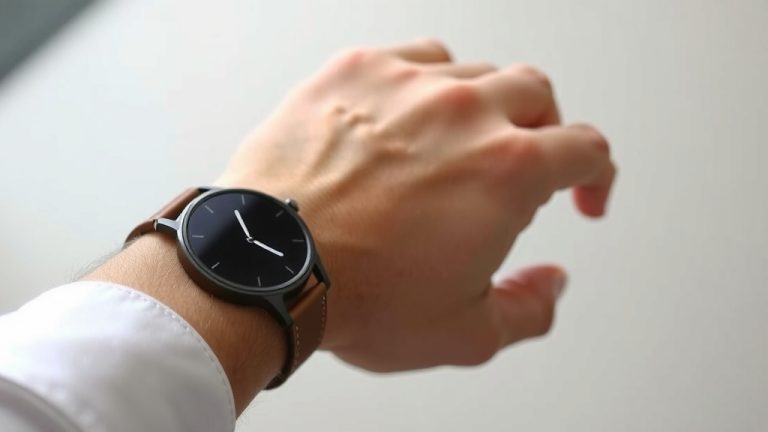
Smart Watch BP: How Accurate Is It?
Smartwatch blood pressure monitors can offer a convenient way to keep tabs on your readings. While they are generally accurate enough for general health tracking, they may not replace a traditional cuff for medical diagnosis.
Many smartwatches use photoplethysmography (PPG) sensors to estimate blood pressure. This technology can be affected by factors like your skin tone, wrist size, and movement. For the most precise measurements, especially if you have health concerns, a calibrated medical device is still recommended.
- Smartwatch BP monitors offer easy tracking.
- Accuracy is generally good for general health.
- Medical-grade accuracy may require a traditional cuff.
- Factors like skin tone can affect readings.
- Consult your doctor for diagnosis.
Let’s dive into what makes these smart devices tick and how reliable they truly are for your health.
How Accurate Are Smartwatch Blood Pressure Readings?
You’ve seen them advertised everywhere: smartwatches that promise to track your blood pressure right from your wrist. It sounds incredibly convenient, doesn’t it? You might be wondering just how accurate these wrist-based monitors really are. Can you rely on them for serious health decisions?
The short answer is: they are getting better, but they aren’t a replacement for your doctor’s cuff just yet. We’ve looked into the technology and what it means for your health monitoring. Let’s break down what you need to know.
The Technology Behind Wrist-Based BP Monitoring
Most smartwatches that measure blood pressure use a method called photoplethysmography, or PPG for short. You might recognize this as the same technology used for heart rate monitoring.
How PPG Works
PPG sensors use light to detect changes in your blood volume. Tiny LED lights shine into your skin, and a light sensor measures how much light is reflected back. When your heart beats, your blood vessels expand slightly, and this changes how much light is absorbed or reflected. The smartwatch then uses algorithms to translate these light patterns into estimated blood pressure readings.
Think of it like shining a flashlight through your finger and seeing how much light passes through. When more blood is flowing, less light gets through. The watch is constantly watching these subtle shifts.
Optical vs. Oscillometric Methods
Traditional blood pressure cuffs use an “oscillometric” method. They inflate a cuff around your arm to stop blood flow, then slowly deflate it while listening for vibrations (oscillations) in your artery. This is a direct measurement. PPG is an “optical” method, which is an *estimation* based on blood flow changes.
Because PPG is an indirect measurement, its accuracy can be influenced by many things. We found that the algorithms are complex, but the real world presents many variables.
Factors Affecting Smartwatch BP Accuracy
While the technology is impressive, several factors can impact how accurate your smartwatch’s blood pressure readings are. Understanding these can help you interpret your data better.
Movement and Positioning
This is a big one. If your wrist is moving, or if the watch isn’t positioned correctly, it can really throw off the readings. For the most accurate results, you usually need to be perfectly still, with your arm at heart level.
Imagine trying to measure a wobbly table – it’s hard to get a steady measurement! Your smartwatch is similar. Movement can cause false signals that the algorithm might misinterpret. Many manufacturers recommend staying very still during the reading.
Skin Tone and Tattoos
Research and user experiences suggest that skin tone can play a role in PPG accuracy. Denser melanin in darker skin can absorb more light, potentially affecting the sensor’s ability to get a clear signal. Similarly, tattoos on the wrist can interfere with the light transmission and detection.
It’s not that the watch is biased; it’s simply that the light-based technology is interacting differently with the tissue. We found this is an ongoing area of research for wearable tech companies.
Wrist Size and Watch Fit
The size of your wrist and how snugly the watch fits are also important. If the watch is too loose, light can escape, and movement artifacts are more likely. If it’s too tight, it could temporarily affect blood flow, giving you an inaccurate reading.
You want a comfortable fit that keeps the sensor in good contact with your skin, but not so tight that it feels like a tourniquet! Getting this balance right is key.
Individual Physiology
Everyone’s body is a bit different. Factors like blood vessel elasticity, hydration levels, and even the amount of subcutaneous fat can influence how the PPG sensor performs. Some individuals’ physiology might just be more challenging for the current algorithms to interpret accurately.
When Smartwatches Measure Up (and When They Don’t)
So, can you ditch your traditional cuff altogether? For most people, probably not for medical diagnosis. But for general health tracking, they offer a great benefit.
For General Health Trends
If you’re looking to spot general trends in your blood pressure over time, smartwatches can be very useful. They encourage you to take readings more frequently, which can give you and your doctor a broader picture than occasional clinic visits.
You might notice your blood pressure is a bit higher on stressful days or lower after a good night’s sleep. This kind of trend spotting is where these devices really shine. They help you become more aware of your body.
When Medical-Grade Accuracy is Needed
For diagnosing conditions like hypertension, monitoring treatment effectiveness, or making critical health decisions, a properly calibrated medical-grade blood pressure monitor is still the gold standard. These devices are designed and validated for clinical accuracy.
We found that major health organizations, like the American Heart Association, still recommend traditional cuffs for clinical assessments. They emphasize the need for devices validated by regulatory bodies for medical use.
How to Get the Best Readings from Your Smartwatch
To maximize the accuracy of your smartwatch’s blood pressure readings, follow these simple tips:
- Ensure your smartwatch is on the FDA-cleared list for BP monitoring, if available in your region.
- Take readings when you are relaxed and still. Avoid taking them right after exercise or when you’re stressed.
- Position your wrist correctly; usually, it needs to be at heart level.
- Make sure the watch band is snug but comfortable.
- Recalibrate your smartwatch with a traditional cuff as recommended by the manufacturer.
- Take multiple readings and look for patterns rather than focusing on a single number.
When to Talk to Your Doctor
Your smartwatch can be a fantastic tool for **increasing your awareness** of your cardiovascular health. However, it’s not a substitute for professional medical advice.
If your smartwatch readings consistently show a high blood pressure, or if you have any concerns about your heart health, please **schedule an appointment with your doctor**. They can perform an accurate reading with a medical device and discuss what the numbers mean for your specific situation. They are the best resource for diagnosing and managing any health conditions.
Conclusion
Smartwatch blood pressure monitoring offers convenience and awareness for tracking your general health trends. While these devices are getting smarter, they use optical estimation methods that can be affected by movement, skin tone, and fit. For medically accurate readings and diagnosis, especially if you have concerns, always rely on a traditional, calibrated blood pressure cuff. Use your smartwatch to spot patterns and get a broader picture, but remember to consult your doctor for any health decisions. They are your best guide to understanding your numbers.
Frequently Asked Questions
Can my smartwatch replace my doctor’s blood pressure cuff?
For general trend monitoring and increased awareness, your smartwatch can be a helpful tool. However, it is not a replacement for a medical-grade blood pressure cuff. Doctors use traditional cuffs for accurate diagnosis and treatment decisions.
Why might my smartwatch give different readings than my doctor’s cuff?
Smartwatches use optical sensors (PPG) which estimate blood pressure based on light absorption. This method is influenced by factors like movement, skin tone, and wrist fit. Traditional cuffs use an oscillometric method that is generally considered more direct and clinically validated.
How often should I recalibrate my smartwatch’s BP monitor?
Manufacturers typically recommend recalibrating your smartwatch’s blood pressure feature with a traditional cuff periodically, often every few weeks or months. Always check your device’s manual for specific recalibration instructions.
Is a smartwatch BP monitor FDA-cleared?
Some smartwatch models have received FDA clearance for blood pressure monitoring. It’s important to check if the specific model you are interested in, or currently own, has obtained this clearance in your region. This clearance indicates it has met certain standards for accuracy and performance.
When should I be concerned about my smartwatch readings?
If your smartwatch consistently shows readings that are higher than what you expect, or if you experience any symptoms related to high blood pressure, it’s time to schedule an appointment with your doctor. They can confirm your readings with a medical device and provide appropriate guidance.