
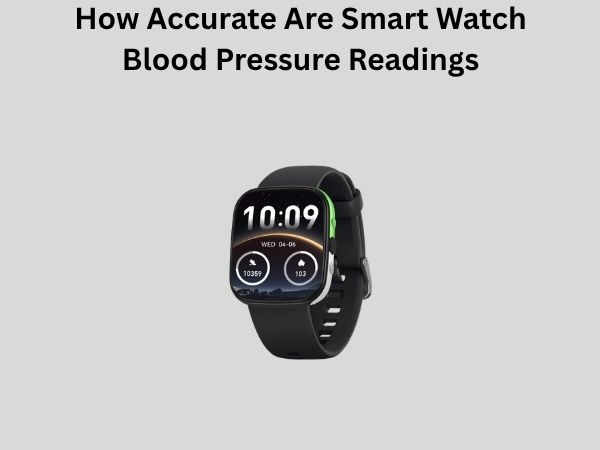
How Accurate Are Smart Watch Blood Pressure Readings? A Comprehensive Guide for Daily Users
You’re sitting at your desk, and your smartwatch buzzes with a notification. It’s telling you that your blood pressure is slightly elevated. But here’s the question that keeps nagging at you: can you actually trust what that little device on your wrist is telling you? This is something millions of people wonder about every single day, and it’s a question worth exploring in depth.
The truth is, smartwatch blood pressure readings exist in a gray area between genuine medical utility and aspirational technology. They’re not quite as reliable as your doctor’s office equipment, but they’re becoming increasingly useful for everyday health tracking. Let me walk you through everything you need to know about this fascinating intersection of wearable technology and health monitoring.
Understanding the Technology Behind Smartwatch Blood Pressure Monitoring
Before we can talk about accuracy, we need to understand how these devices actually work. It’s not magic, but it’s pretty clever engineering. Smartwatches use something called photoplethysmography, which is a fancy term for using light to detect blood flow changes in your wrist.
Imagine shining a flashlight through your skin. The light bounces off your blood cells as they move through your arteries and veins. The smartwatch has tiny LED lights and sensors that detect these changes in light reflection. By analyzing the patterns of how much light is absorbed and reflected, the device can estimate your blood pressure. Pretty neat, right?
How Photoplethysmography Works
This technology measures something called pulse transit time, which is essentially how long it takes for blood to travel from your heart to your wrist. By combining this information with other data points—like your heart rate, age, and even your activity level—the smartwatch calculates what it thinks your blood pressure is. It’s using complex algorithms that have been trained on thousands of data points to make educated guesses about your cardiovascular health.
The Sensor Placement Challenge
Here’s where things get tricky. Your wrist is actually not the ideal location for measuring blood pressure. Medical professionals traditionally take blood pressure from your upper arm, where larger arteries are closer to the surface. Your wrist? That’s a much trickier spot. The sensors have to contend with varying skin thickness, different types of tissue, and the simple fact that blood pressure naturally changes as you move down your arm away from your heart.
Clinical Studies and Accuracy Findings
So what does actual science say about these devices? The research is mixed, and I think it’s important to be honest about that. Some studies show promising results, while others reveal significant limitations.
What Research Has Shown
Multiple clinical studies have tested smartwatches against traditional blood pressure monitors. The results vary depending on the device and the population being tested. Some smartwatches show accuracy rates that correlate with traditional readings about 80-85 percent of the time. But that 15-20 percent of the time when they’re off? That can matter, especially if you’re relying on the data to make health decisions.
One particularly interesting finding is that many smartwatches tend to perform worse on people with certain characteristics. If you have darker skin tones, tattoos, or very hairy wrists, the optical sensors can have a harder time getting accurate readings. This is a real issue that manufacturers are still working to address.
Validation Standards and Certification
Not all smartwatches undergo rigorous clinical testing. The gold standard for blood pressure devices in many countries involves validation according to international protocols like those set by the European Society of Hypertension. When you see that a smartwatch has been validated according to these standards, that’s actually a pretty good sign. However, many mainstream smartwatches haven’t gone through this process, which means we’re operating on the manufacturer’s claims and user experiences rather than independent verification.
The Accuracy Question: How Close Are They Really?
Let’s get down to brass tacks. How accurate are we talking about here? The answer depends on what you’re using the smartwatch for.
Accuracy for Trend Monitoring Versus Clinical Diagnosis
This is the crucial distinction that many people miss. There’s a big difference between tracking whether your blood pressure is going up or down over time versus getting a precise reading that you can use to diagnose hypertension or make treatment decisions.
For trend monitoring, smartwatches are becoming increasingly useful. If you take readings every day at the same time under similar conditions, you can see patterns. You might notice that your blood pressure is creeping upward, or that it spikes on stressful days, or that exercise is having a positive effect. This kind of information can be genuinely valuable for managing your health.
For clinical diagnosis, however, smartwatches fall short. Your doctor won’t rely on your smartwatch reading to diagnose hypertension or adjust medications. They’ll use validated, calibrated equipment that’s been tested according to strict standards. The margin of error on a smartwatch is simply too large for clinical decision-making.
Typical Margin of Error
Most smartwatches have a margin of error of plus or minus 10-15 mmHg, which is pretty significant when you’re talking about blood pressure. To put that in perspective, the difference between normal blood pressure and stage 1 hypertension is just 20 mmHg for systolic readings. So a smartwatch could theoretically tell you you’re fine when you might actually need medical attention, or vice versa.
Factors That Affect Smartwatch Blood Pressure Reading Accuracy
Not all readings are created equal. Several factors can significantly impact whether your smartwatch gives you an accurate blood pressure measurement.
How Tightly You’re Wearing Your Watch
The fit of your smartwatch matters more than you might think. If it’s too loose, the sensors can’t make proper contact with your skin, and the readings will be unreliable. If it’s too tight, you’re actually restricting blood flow, which can artificially elevate your reading. You want a snug but comfortable fit—think Goldilocks: not too tight, not too loose, but just right.
Time of Day and Circadian Rhythms
Your blood pressure naturally fluctuates throughout the day. It’s typically lower when you’re sleeping and rises when you wake up. It can spike during stressful situations, and it varies after meals. If you’re comparing a reading taken at 6 AM with one taken at 6 PM, you shouldn’t expect them to be identical. The smartwatch might be perfectly accurate for both, but the readings won’t match because your body has changed.
Recent Activity and Physical Position
Have you been exercising? Did you just climb a flight of stairs? Are you sitting down or standing up? All of these things affect your blood pressure in the moment. For the most reliable readings, health professionals recommend taking blood pressure measurements when you’re rested, sitting down with your back supported, and your feet flat on the floor. Many people don’t do this with their smartwatches, which is why real-world accuracy is often lower than laboratory studies might suggest.
Caffeine, Stress, and Other Variables
Did you just drink a cup of coffee? Are you stressed about an upcoming meeting? These things show up in your blood pressure immediately. A smartwatch can’t distinguish between a naturally elevated reading and one caused by temporary factors. This is why medical professionals always recommend multiple readings over time rather than relying on a single measurement.
Skin Characteristics and Physical Traits
As I mentioned earlier, skin tone, tattoos, and hair density all affect how well the optical sensors work. Additionally, if you have particularly thin or thick wrists, the sensors might not work as well as they would on someone with average wrist size. Some people’s skin simply doesn’t reflect light back to the sensors in a way that the algorithms can process effectively.
Popular Smartwatches and Their Blood Pressure Capabilities
Not all smartwatches have blood pressure monitoring, and among those that do, the quality varies significantly.
Which Brands Offer Blood Pressure Monitoring
Several major manufacturers have added blood pressure monitoring to their latest models. Samsung’s Galaxy Watch line offers this feature on certain models, though it required FDA clearance in some regions. Apple Watch, despite being the most popular smartwatch, doesn’t currently offer blood pressure monitoring, though there’s speculation that future models might include it. Fitbit and Garmin have blood pressure features on selected models, and various Chinese manufacturers have included this capability in their devices.
The Reality of Consumer Reviews
When you read reviews from actual users online, you’ll find a spectrum of experiences. Some people swear by their smartwatch for blood pressure monitoring, while others say the readings are wildly inconsistent. The truth is, individual experiences vary because the technology really does depend on proper use and individual factors. Someone with ideal skin tone and a proper fit might get great results, while someone else with the exact same watch might get unreliable readings.
Comparing Smartwatches to Traditional Blood Pressure Monitors
Let’s do a side-by-side comparison of how smartwatches stack up against the tried-and-true methods that doctors have been using for decades.
Accuracy Comparison
Traditional arm cuff monitors that you can buy for home use are generally more accurate than smartwatches, with margins of error typically in the 3-5 mmHg range. Devices used in medical offices are even more precise. Smartwatches, as we’ve discussed, are typically 10-15 mmHg off. This is a meaningful difference in the medical world.
Convenience Factor
Where smartwatches win decisively is convenience. You’re already wearing it all day. You don’t need to dig out equipment or remember to take a reading. For people who want to monitor their blood pressure frequently throughout the day, a smartwatch is incomparably convenient. A traditional cuff monitor isn’t something you can easily check twenty times a day.
Cost Considerations
A decent smartwatch with blood pressure monitoring will run you $300 to $500. A home blood pressure monitor might cost $30 to $100. If accuracy is your primary goal and you have a limited budget, a traditional monitor is the better investment. If you want something to wear all day that gives you approximate readings, the smartwatch makes more sense economically as part of your overall wearable ecosystem.
When Should You Trust Your Smartwatch Reading?
So after all of this, when can you actually rely on what your smartwatch is telling you? Let me be clear about this.
Scenarios Where Smartwatch Readings Are Useful
- Tracking trends over weeks and months to see if your blood pressure is improving or worsening
- Getting an approximate idea of whether you’re in the normal, elevated, or high blood pressure range
- Identifying patterns, like noticing your blood pressure spikes on stressful days
- Motivating yourself to monitor your health regularly because the smartwatch makes it so easy
- Providing data to discuss with your doctor about your overall health patterns
Scenarios Where You Should Ignore Your Smartwatch and See a Doctor
- Making medication decisions based solely on smartwatch readings
- Getting a single high reading and assuming you have hypertension
- Using it as a substitute for official blood pressure checks at your doctor’s office
- Relying on it for clinical diagnosis of any condition
- Using it without any confirmation from medical professionals
Tips for Getting More Accurate Readings from Your Smartwatch
If you’re going to use your smartwatch for blood pressure monitoring, you might as well optimize the experience and get the best readings possible.
Optimal Measurement Conditions
Take your readings in the morning before eating or exercising. Sit down with your back supported, feet flat on the floor, and your wrist at heart level. Wait at least five minutes after any physical activity or stressful situation. Wear your watch snugly but comfortably. Take multiple readings and average them. Many smartwatches will give you more reliable results if you take readings at consistent times each day.
Establishing Baseline Data
Get several readings from a validated blood pressure monitor at your doctor’s office or using a quality home monitor. Then compare your smartwatch readings to these baseline measurements under similar conditions. This will help you understand the typical offset of your particular device. If your smartwatch consistently reads 8 mmHg higher than your validated monitor, you now know to mentally adjust your readings accordingly.
Maintaining Your Device
Keep your smartwatch clean, especially the sensors on the back. Dirt, sweat, or dead skin cells can interfere with the optical sensors. Make sure your watch is updated with the latest firmware, as manufacturers sometimes release updates that improve blood pressure monitoring algorithms based on user data.
The Future of Smartwatch Blood Pressure Monitoring
This technology is still relatively young, and it’s improving rapidly. What can we expect to see in the coming years?
Technological Advancements on the Horizon
Manufacturers are investing heavily in better sensors, more sophisticated algorithms, and improved calibration methods. Some companies are exploring multi-wavelength light sensors that work better on different skin tones. Others are investigating ways to calibrate watches to individual users more precisely. Within the next few years, we could see smartwatch blood pressure monitoring that’s significantly more accurate than what’s available today.
Regulatory and Clinical Integration
As more smartwatches get clinical validation, we might see the medical community gradually accepting these devices for certain uses. We’re not there yet, but the trajectory suggests that smartwatch blood pressure readings could eventually play a more official role in healthcare monitoring, particularly for trend tracking in clinical settings.
Understanding the Limitations Honestly
I think it’s important to be realistic about what these devices can and can’t do. They’re not magic, and they’re not a substitute for proper medical care. What they are is a convenient way to stay more aware of your health on a daily basis.
Think of it like a fitness tracker counting your steps. It gives you useful information that can motivate you and help you see patterns, but if you’re training for a marathon, you’d want more sophisticated tools. Similarly, a smartwatch blood pressure monitor is great for everyday awareness but not for clinical decision-making.
Conclusion
So, how accurate are smartwatch blood pressure readings? The honest answer is that they’re moderately accurate for trend monitoring but not reliable enough for clinical diagnosis or treatment decisions. They typically have a margin of error of 10-15 mmHg, which is larger than medical-grade devices but useful for personal health awareness.
Smartwatches excel at convenience and frequent monitoring. If you want to check your blood pressure multiple times throughout your day and track how it changes over weeks and months, a smartwatch with blood pressure monitoring is genuinely useful. But if accuracy is your primary concern, or if you need readings for medical decisions, you should stick with validated home monitors or professional medical equipment.
The technology is improving, and future smartwatches will likely be more accurate than current models. In the meantime, use your smartwatch as one tool in your health toolkit, but not as your only tool. Pair it with regular check-ups at your doctor’s office, occasional readings on a validated home monitor, and honest conversations with healthcare professionals about what your data means. That’s how you get the best of both worlds: the convenience of modern wearable technology plus the reassurance of clinically validated measurements.
Frequently Asked Questions
Can I use my smartwatch blood pressure readings to diagnose hypertension?
No, you should not use smartwatch readings alone to diagnose hypertension

![7 Best Rugged Smart Watch For Men [2026]](https://smartwatchbest.com/wp-content/uploads/2026/08/7-best-rugged-smart-watch-for-men-2026-featured-768x432.jpg)