Fitness Ring vs Smart Watch: Which Is Better for Health Tracking?
You’re standing in front of your computer, scrolling through fitness gadgets, and you’re stuck between two choices: a sleek fitness ring or a full-featured smart watch. Both promise to revolutionize how you track your health, but which one actually delivers what you need? This question has become increasingly relevant as wearable technology continues to evolve, and more people are investing in devices to monitor their wellness journey.
The truth is, there’s no one-size-fits-all answer. Your lifestyle, fitness goals, and personal preferences all play crucial roles in determining which device suits you best. Let me break down everything you need to know about these two contenders so you can make an informed decision.
Understanding the Basics: What Are Fitness Rings and Smart Watches?
What Exactly Is a Fitness Ring?
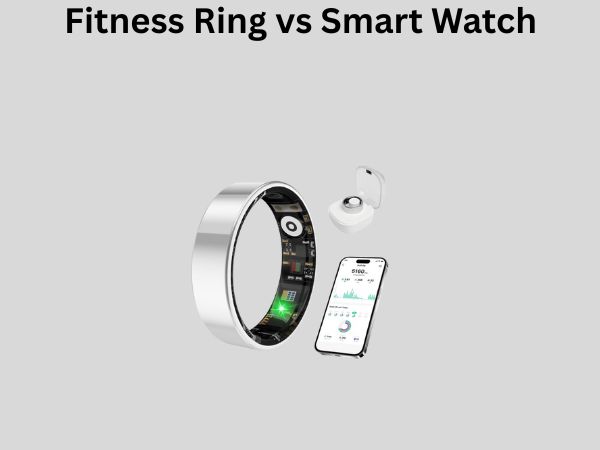
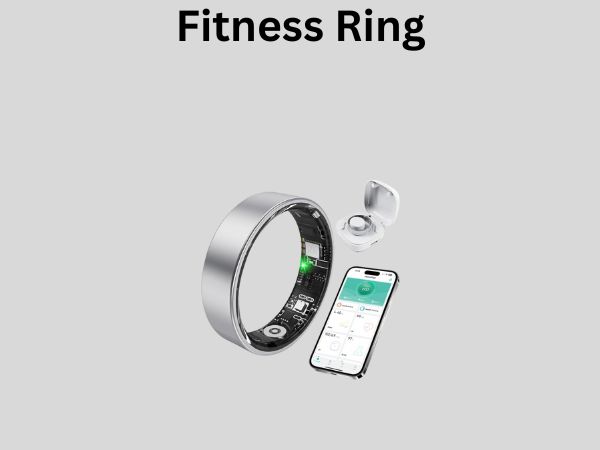
A fitness ring is a compact, wearable device that sits snugly on your finger. Think of it as a minimalist approach to health tracking. These rings are incredibly discreet and lightweight, often weighing less than a few grams. Popular options like the Oura Ring have gained significant traction in recent years because they pack impressive technology into such a tiny package.
Fitness rings focus on essential health metrics without overwhelming you with information. They track your heart rate, sleep patterns, daily activity levels, and often provide insights into your recovery status. The beauty of these devices lies in their simplicity and the fact that you barely notice you’re wearing them.
What Defines a Smart Watch?
A smart watch, on the other hand, is like strapping a miniature computer to your wrist. These devices offer much more than just health tracking. They typically feature a display screen, allowing you to check notifications, respond to messages, make payments, and access various applications right from your wrist.
Smart watches serve as extensions of your smartphone, providing connectivity and control that goes far beyond fitness monitoring. Brands like Apple Watch, Garmin, and Samsung Galaxy Watch have dominated this space by offering comprehensive ecosystems of features and functionalities.
Design and Comfort: How Do They Compare?
The Minimalist Appeal of Fitness Rings
If you value comfort and discretion, fitness rings have a significant advantage. Imagine wearing a piece of jewelry that happens to monitor your health. That’s essentially what a fitness ring offers. They’re so subtle that you might forget you’re wearing one, which is actually beneficial because it allows for more natural movement patterns and less awareness of being monitored.
The ring design works perfectly for people who spend time in water, whether swimming or showering. Most fitness rings are water-resistant, and you don’t have to worry about them shifting around or getting in your way. If you’re someone who hates bulky wrist devices, a fitness ring feels like the obvious choice.
Smart Watches: Fashion Meets Function
Smart watches come in various sizes and designs, offering more style options than fitness rings. You can find them in sleek metallic finishes, sporty rubber bands, or elegant leather straps. This variety allows you to match your device to different occasions and outfits.
However, the larger screen and bulkier form factor mean they’re more noticeable and can sometimes feel uncomfortable during intense workouts or while sleeping. Some people find them restrictive, especially when wearing tight sleeves or during activities like yoga or weight training.
Health Tracking Capabilities: What Can Each Device Monitor?
Core Health Metrics in Fitness Rings
Fitness rings excel at monitoring the fundamental health indicators you actually care about:
- Heart rate variability and resting heart rate
- Sleep quality and sleep duration
- Daily activity and step counts
- Calorie burn estimation
- Stress levels and recovery metrics
- Body temperature variations
What’s interesting about fitness rings is that they often provide deeper insights into sleep architecture, distinguishing between REM, light, and deep sleep. This level of detail can be genuinely helpful for people trying to optimize their sleep quality. The focus on recovery metrics also appeals to athletes who want to understand when their bodies are truly ready for intense training.
The Comprehensive Health Ecosystem of Smart Watches
Smart watches track everything fitness rings monitor, but they go significantly further:
- ECG functionality for heart rhythm monitoring
- Blood oxygen saturation tracking
- Detailed workout categorization and analysis
- GPS navigation and route tracking
- Music playback and podcast listening
- Payment capabilities
- Incoming call and message notifications
- Third-party app integration
The presence of a display screen allows smart watches to show you real-time data during workouts, something fitness rings can’t do. If you’re a runner who wants to track pace and distance on the go, or a swimmer analyzing lap times, a smart watch’s visual feedback becomes invaluable.
Battery Life: How Long Can They Actually Run?
Fitness Ring Battery Performance
This is where fitness rings absolutely shine. Most fitness rings boast battery life that lasts between 3 to 7 days on a single charge. Some users report even longer periods before needing to recharge. This means you could theoretically wear your fitness ring for over a week without worrying about it dying.
The extended battery life stems from the ring’s minimal power consumption. Without a screen to light up and fewer wireless connections constantly running, these devices are incredibly efficient. For many people, this extended battery life feels revolutionary compared to their previous smart watch experience.
Smart Watch Battery Realities
Smart watches typically require daily charging, with most models lasting 24 to 48 hours on a full charge. Some specialized models, particularly sports-focused variants, might stretch to 2 to 3 days, but you’re always thinking about charging schedules. This constant need for daily charging can be frustrating, especially if you forget to charge overnight.
The trade-off here is that the power-hungry display and constant connectivity features require substantial energy. It’s the price you pay for having a complete smart device on your wrist.
Cost Considerations: What’s Your Budget?
Pricing of Fitness Rings
Fitness rings generally range from $200 to $400, though premium models might cost more. This is actually quite reasonable when you consider the longevity of the device. Since you’ll only charge it once a week and there are fewer moving parts than smart watches, these devices tend to have excellent durability and lifespan.
Additionally, many fitness ring companies offer subscription services for advanced analytics, but the basic functionality works without any subscription. This makes them accessible to people who don’t want recurring monthly costs.
Smart Watch Investment
Smart watches span a wider price spectrum, from budget options around $100 to premium models exceeding $800. The more expensive options often come from established brands like Apple or Garmin and offer superior processing power and more features.
Beyond the initial purchase, many smart watches require subscriptions for certain features or cellular connectivity. Over time, these costs add up, making the total investment higher than the purchase price alone.
Accuracy and Data Reliability: Which Gives Better Numbers?
Fitness Ring Accuracy
Fitness rings are remarkably accurate for what they do. The close contact with your skin provides excellent heart rate data, and their sleep tracking has been validated in research studies. The body temperature sensor in some rings adds another dimension of accuracy for tracking hormonal cycles and overall wellness.
However, fitness rings don’t perform as well as dedicated devices during intense interval training or when you’re rapidly moving between different activities. The sensors need stable contact and consistent positioning to provide their best readings.
Smart Watch Measurement Precision
Smart watches vary widely in accuracy depending on the brand and model. Premium options from Garmin and Apple generally provide reliable data, while budget options might be less dependable. The wrist-based measurement approach works decently for steady-state activities but can struggle during high-intensity workouts.
What smart watches do better is workout-specific accuracy. Their built-in GPS provides exact distance and pace measurements, something no fitness ring can currently match. For runners and cyclists, this distinction matters significantly.
Software Experience: How User-Friendly Are They?
Fitness Ring App Ecosystems
Fitness ring apps are typically straightforward and focused. The Oura Ring app, for instance, presents your data in an easy-to-understand dashboard with personalized insights about your readiness score, which combines sleep, recovery, and activity data. The simplicity here is actually an advantage because you’re not drowning in excessive data.
However, fitness rings offer limited customization and fewer integration options. You can’t dramatically change how the app presents information or add features through third-party applications.
Smart Watch Software Flexibility
Smart watches run full operating systems, either watchOS, Wear OS, or Tizen, providing access to app stores with thousands of applications. You can customize your experience extensively, adding weather apps, fitness tracking apps, payment systems, and productivity tools.
This flexibility is powerful for power users but can be overwhelming for people who simply want straightforward health tracking. The learning curve is steeper, and you’ll spend more time navigating settings and managing apps.
Activity Tracking: Which Device Suits Different Workouts?
Fitness Rings for General Activity
Fitness rings work wonderfully for tracking your daily movement, steps, and general activity levels. They’ll count your calories burned and identify whether you’ve met your daily activity goals. For people doing moderate exercise like walking, yoga, or general fitness, this is sufficient.
The problem emerges with specific workout types. During cycling, the ring can’t accurately track distance without GPS. During swimming, while the ring remains waterproof, it can’t measure pool laps with precision. For gym workouts with varied movements, the activity classification might not be completely accurate.
Smart Watches for Fitness Enthusiasts
If you’re serious about your fitness, a smart watch with GPS is invaluable. You get precise distance measurements, pace tracking, route mapping, and the ability to compare your performances over time. The screen allows you to see your current stats during the workout, which helps with pacing and motivation.
Different smart watches excel at different activities. Running watches focus on running metrics, while others prioritize swimming or cycling. Choosing the right smart watch for your primary activity matters.
Sleep Tracking: Why This Matters
Fitness Rings and Sleep Analysis
One of the strongest selling points for fitness rings is their exceptional sleep tracking. Being small and light, they don’t disturb your sleep like bulkier wrist devices might. The sensors can distinguish between different sleep stages with impressive accuracy, giving you granular data about your sleep architecture.
This detailed information helps you understand what behaviors affect your sleep quality. You might notice that caffeine after 2 PM consistently disrupts your deep sleep, or that specific workout timings improve your overnight recovery.
Smart Watch Sleep Tracking
Smart watches can track sleep, but wearing a bulky device on your wrist throughout the night bothers many people. Some even find it uncomfortable enough to remove their watch before bed, which defeats the purpose. When they do track sleep, the data quality is usually decent but not as detailed as fitness rings.
The bigger issue is that you might not wear your smart watch to bed consistently, leading to incomplete sleep data over time.
Which Device Wins for Different Lifestyles?
The Fitness Ring Winner: Health-Conscious Minimalists
You should choose a fitness ring if you value simplicity, comfort, and exceptional sleep tracking. They’re perfect for people focused on recovery, stress management, and general wellness rather than competitive athletics. If you rarely need notifications and prefer not to glance at your wrist constantly, a ring fits your lifestyle beautifully.
The Smart Watch Winner: Active Individuals and Tech Users
A smart watch makes more sense if you’re an active person who runs, cycles, or plays sports where GPS tracking matters. If you rely on notifications, want music control from your wrist, or enjoy having an extension of your smartphone, a smart watch justifies the investment. Tech enthusiasts who love apps and customization also appreciate what smart watches offer.
Potential Drawbacks to Consider
Fitness Ring Limitations
The main drawback is lack of visibility. You can’t glance at your ring to see your heart rate or steps like you can with a smart watch. The small display option available on some rings is barely usable. If you need immediate feedback during workouts, you’ll be frustrated.
The limited app ecosystem and no GPS also restrict functionality for serious athletes. Finding a properly fitting ring is essential for accuracy, which can be challenging with online shopping.
Smart Watch Challenges
Battery anxiety is real. You’ll always think about charging. For some people, wearing a watch to bed feels uncomfortable, compromising sleep tracking accuracy. The higher price point and potential subscription costs make them expensive long-term investments.
Additionally, not all smart watches work equally well with all phones. If you own an Android phone, an Apple Watch won’t work optimally. This compatibility issue is crucial before making a purchase.
Making Your Final Decision
Ask Yourself These Questions
Before deciding, consider these key factors: Do you need GPS tracking for outdoor activities? How important is seeing real-time stats during workouts? Are notifications and phone integration essential? What’s your budget? How much does comfort while sleeping matter to you? Are you willing to charge daily?
Your answers to these questions will clarify which device aligns with your needs. There’s genuinely no “better” option—only the better choice for your specific situation.
The Hybrid Approach: Is It Possible?
Some people use both devices, wearing the fitness ring at night for sleep tracking and swapping to a smart watch during the day for activity tracking and notifications. This approach maximizes the strengths of both devices, though it’s obviously more expensive. If budget allows and you want comprehensive monitoring, this could be your sweet spot.
Future Considerations: Where Is Technology Headed?
The wearable technology landscape continues evolving. Fitness rings are becoming smarter, with improved sensors and analytics. Smart watches are becoming more efficient, extending battery life. Eventually, these devices might converge into a solution that offers the best of both worlds.
For now, though, you’re choosing between different philosophies: minimalist health tracking or comprehensive smart device integration.
Conclusion
The fitness ring versus smart watch debate doesn’t have a universal winner. Your choice depends entirely on your lifestyle, fitness goals, and personal preferences. Fitness rings excel at providing comprehensive health insights, exceptional sleep tracking, and comfortable all-day wear without constant charging. They’re perfect for people focused on wellness and recovery who prefer simplicity and discretion.
Smart watches, meanwhile, offer versatility, connectivity, and detailed workout tracking with GPS capabilities. They suit active individuals who value notifications, real-time feedback, and an ecosystem of apps. If you’re serious about running, cycling, or competitive sports, a smart watch becomes a practical necessity.
Before making your investment, honestly assess how you plan to use the device. Spend time reading reviews specific to your intended activities. Consider visiting a store to hold and feel these devices in person. Most importantly, think about which scenario frustrates you more: not having notifications and GPS, or having to charge daily and wear something bulkier.
Either way, you’re
![7 Best Men'S Smart Watch 2025 [2026]](https://smartwatchbest.com/wp-content/uploads/2026/08/7-best-men-s-smart-watch-2025-2026-featured-768x432.jpg)