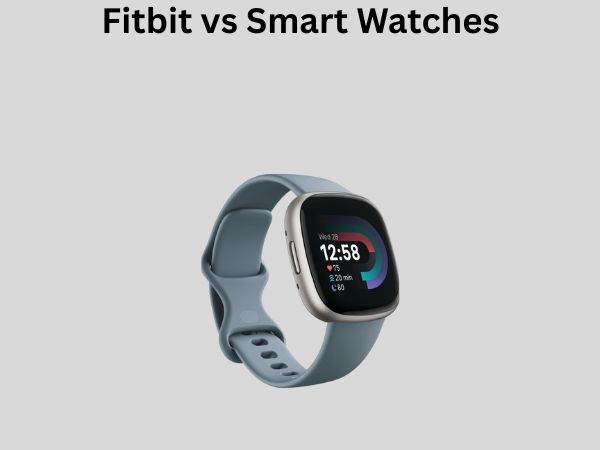
Fitbit vs Smart Watches: What’s the Difference?
When you’re standing in the electronics aisle or scrolling through online retailers, you’ve probably noticed that the wearable technology market has exploded. But here’s the thing—not all wearables are created equal. If you’re trying to decide between a Fitbit and a traditional smartwatch, you might be wondering what separates them. Are they basically the same device with different branding? Or is there something fundamentally different about how they work and what they offer? Let me walk you through this in a way that actually makes sense.
Understanding the Wearable Technology Landscape
Think of the wearable technology world like a toolbox. Some tools are specialists—they do one thing exceptionally well. Others are generalists—they try to do everything but might not excel at any single task. Fitbits and smartwatches fall into these different categories, and understanding that distinction is crucial when you’re making a purchase decision.
The wearable fitness tracker market has grown tremendously over the past decade. What started as simple step counters has evolved into sophisticated health monitoring devices. Meanwhile, smartwatches have been expanding from their original purpose of displaying phone notifications on your wrist to becoming mini-computers on your arm. These two product lines often get mentioned in the same breath, but they’re actually solving different problems.
What Exactly Is a Fitbit?
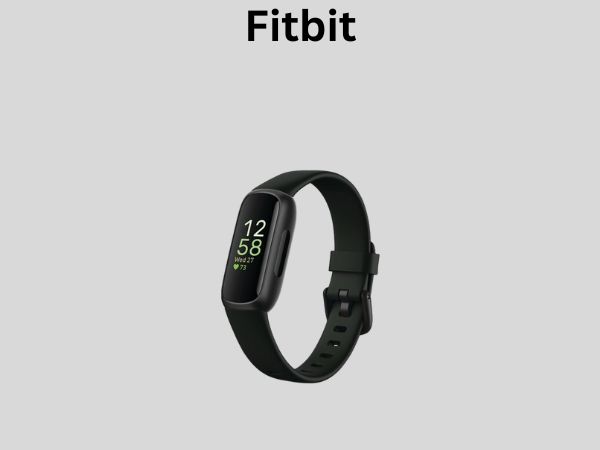
A Fitbit is fundamentally a fitness-focused wearable device. Its primary mission is to track your health metrics and encourage you to move more. When you put on a Fitbit, you’re essentially wearing a personal health coach on your wrist. The device excels at what it was designed to do: monitor your daily activity, count your steps, track your sleep patterns, and measure your heart rate.
The Core Strengths of Fitbit Devices
- Exceptional battery life—often lasting anywhere from 5 to 10 days depending on the model
- Superior fitness tracking accuracy and algorithms developed over years of refinement
- Straightforward, user-friendly interface focused on health data
- Lower price point compared to most traditional smartwatches
- Integration with Google Fit and other health platforms
- Specialized metrics like SpO2 tracking and stress monitoring
What makes Fitbit stand out is that it’s not trying to be everything to everyone. The device doesn’t distract you with endless apps or complicated features. Instead, it focuses on doing fitness tracking incredibly well. If you want to know exactly how many calories you burned during your morning run, how your sleep quality stacks up, or whether you’ve hit your daily step goal, Fitbit delivers that information with precision.
Fitbit’s User Experience Philosophy
When you interact with a Fitbit, you’re using a device built around simplicity. The small screen shows you the information you care about without requiring you to navigate through complex menus or download a dozen apps. This streamlined approach appeals to people who want fitness tracking without the learning curve. Whether you’re a tech enthusiast or someone who just wants their device to work intuitively, Fitbit’s design philosophy resonates with many users.
What Is a Smartwatch, Really?
A smartwatch is fundamentally a different beast. Imagine if someone took a full-featured computer and squeezed it into a watch-sized package. That’s essentially what a smartwatch tries to do. Models like the Apple Watch, Wear OS devices, and Samsung Galaxy Watch are designed to extend your smartphone’s capabilities to your wrist.
The Primary Functions of a Smartwatch
- Displaying notifications from your phone—texts, emails, calls, and apps
- Running independent applications without needing your phone nearby
- Making and receiving calls directly from your wrist
- Sending quick replies and messages
- Controlling music playback
- Making payments using NFC technology
- Navigation and GPS capabilities
While smartwatches certainly track fitness metrics, that’s often secondary to their primary purpose. They want to be your communication hub, your notification center, and your personal assistant all rolled into one. If you’re someone who checks your phone constantly, a smartwatch aims to reduce that habit by bringing essential information to your wrist.
The Smartwatch Experience
Using a smartwatch feels like having a miniature version of your smartphone on your arm. You can swipe through apps, reply to messages, and stay connected without pulling out your phone. Some smartwatches even allow you to leave your phone at home and still maintain most of your digital connections. This connectivity focus is what distinguishes a smartwatch from a fitness tracker.
Key Differences Between Fitbit and Smartwatches
Battery Life: The Make-or-Break Factor
Here’s where the difference becomes immediately obvious when you start using these devices. Fitbits typically last 5 to 10 days on a single charge. Smartwatches? Most last between 1 to 3 days, with some newer models pushing toward 4 to 5 days. This difference isn’t trivial—it fundamentally changes how you interact with the device.
Think about what happens with a smartwatch. You charge it every night, similar to how you charge your phone. With a Fitbit, you might only charge it once a week or even less frequently. For people who travel frequently or want to track their sleep without worrying about finding a charger at 2 AM, this difference matters immensely.
Display Technology and Screen Size
Most Fitbits use smaller, simpler displays—often just enough to show essential fitness metrics and notifications at a glance. Some newer Fitbits have larger screens, but they still prioritize battery efficiency over display quality. Smartwatches, by contrast, feature larger, more vibrant AMOLED or LCD screens that can display complex information, watch faces, and detailed app interfaces.
If you want to check detailed notifications or navigate through multiple apps, a smartwatch’s larger screen becomes a genuine advantage. If you just want quick glances at your step count or heart rate, Fitbit’s simpler display is actually more practical.
Price Point and Value Proposition
Fitbits generally cost between $100 to $300, with most quality models falling in the $150 to $250 range. Smartwatches typically start around $200 and can easily exceed $400 or $500 for premium models. This price difference reflects the different technologies and features packed into each device.
The question isn’t which is cheaper—it’s which offers better value for your specific needs. Spending $150 on a Fitbit that lasts a week on battery and perfectly tracks your fitness is better value than spending $400 on a smartwatch you’ll need to charge nightly if you only care about fitness tracking.
App Ecosystem and Customization
Smartwatches offer extensive app ecosystems. You can download music apps, fitness apps, games, productivity tools, and countless other applications. This flexibility means a smartwatch can evolve with your needs. Fitbit’s app selection is more limited, but the apps available are carefully curated to enhance fitness tracking and health monitoring.
Fitness Tracking: Which Device Wins?
This is where things get interesting because the answer isn’t straightforward. Both devices track fitness effectively, but they approach it differently. Fitbit’s entire philosophy centers on fitness tracking perfection. The algorithms have been refined over years, and Fitbit devices are known for accuracy in step counting, calorie estimation, and workout tracking.
Smartwatches have significantly improved their fitness tracking capabilities, especially recent models. If fitness tracking is your primary concern, though, a dedicated Fitbit usually edges out a smartwatch. It’s the specialist versus the generalist problem again—the device designed specifically for one job usually does that job better than a device trying to juggle multiple responsibilities.
Advanced Health Monitoring Features
Both categories of devices now include advanced health features like heart rate variability monitoring, stress tracking, blood oxygen levels, and even ECG capabilities in some models. Where they differ is in how they present and interpret this data. Fitbit tends to provide more detailed health insights and trend analysis through its app, while smartwatches focus on real-time data and quick access to health information.
Connectivity and Communication Features
This is where smartwatches truly shine and Fitbits don’t compete. If you want to receive detailed notifications, read and respond to messages, or take calls on your wrist, you need a smartwatch. Fitbits can show basic notifications, but they’re not designed for comprehensive communication.
For someone who values staying connected, a smartwatch becomes practically essential. For someone who wants to reduce their digital distractions and focus on physical activity, a Fitbit’s limited notification capabilities might actually be a feature rather than a limitation.
Which Device Is Right for You?
Choose a Fitbit If:
- Fitness tracking is your primary goal and you want the most accurate metrics
- You want a device that lasts over a week on a single charge
- You prefer simplicity and don’t want to manage multiple apps
- You’re on a tighter budget and want excellent value
- You want detailed sleep tracking and analysis
- You prefer minimal screen time and digital distractions
Choose a Smartwatch If:
- You want comprehensive notification and communication capabilities
- You enjoy having access to a wide variety of apps on your wrist
- You want to make and receive calls without your phone
- You value the ability to make contactless payments
- You want more screen real estate and customization options
- You prefer having all your digital tools in one unified ecosystem
The Hybrid Question: Can One Device Do It All?
Here’s the reality—newer smartwatches have become quite good at fitness tracking. Devices like the Apple Watch Series 8 or Samsung Galaxy Watch 5 can track your workouts, monitor your heart rate, and analyze your sleep nearly as well as dedicated fitness trackers. Meanwhile, some newer Fitbits have expanded their notification capabilities and screen sizes.
The gap between these categories is narrowing, but it hasn’t closed completely. Smartwatches still prioritize battery life differently than Fitbits, and their focus on communication and apps means they work differently from the ground up. They’re getting better at fitness tracking, but Fitbits are still generally superior in that specific domain.
Ecosystem Integration Matters More Than You Think
Don’t overlook which ecosystem you’re already invested in. An Apple Watch works seamlessly with iPhones, Macs, and other Apple devices. Samsung Galaxy Watch integrates smoothly with Samsung phones and the Samsung ecosystem. Fitbit devices work with both iOS and Android but integrate more deeply with Google services and Android phones.
If you’re deeply invested in Apple’s ecosystem, an Apple Watch becomes more valuable because it connects with your other devices in ways a Fitbit simply cannot. Same logic applies for Android and Samsung users. This integration can actually make a bigger difference in your daily experience than the raw specifications of either device.
Real-World Scenarios: How People Actually Use These Devices
The Fitness Enthusiast
Sarah runs five times a week and tracks every kilometer. She cares deeply about her pace, distance, heart rate zones, and post-run analysis. For her, a Fitbit’s superior fitness tracking accuracy and detailed running metrics make it the clear choice. She doesn’t need notifications on her wrist—she needs precise performance data.
The Busy Professional
Mark works in a demanding field and his phone is always buzzing. He wants to stay connected without constantly checking his device. A smartwatch makes sense for him because he needs quick access to calls, emails, and messages. Fitness tracking is a bonus, not the primary function.
The Balanced User
Jennifer wants both fitness tracking and connectivity features. She might compromise by choosing a newer smartwatch with strong fitness capabilities, accepting slightly shorter battery life in exchange for more communication features. Or she might use both devices—a Fitbit for dedicated fitness tracking and a smartwatch for communication.
Making Your Final Decision
Choosing between a Fitbit and a smartwatch ultimately comes down to honestly assessing your priorities. Make a list of features you actually use versus features that sound nice but you’d rarely access. Consider your charging habits and how important battery life is to you. Think about your smartphone ecosystem and whether seamless integration matters for your workflow.
Also consider that technology evolves quickly. The best device for you today might change as these products improve. But understanding the fundamental differences between fitness-focused devices and full-featured smartwatches ensures you make an informed decision that aligns with how you actually live.
Conclusion
Fitbits and smartwatches are both excellent wearable devices, but they’re fundamentally different tools designed for different people. Fitbit devices are specialists—they excel at fitness tracking, offer exceptional battery life, and provide a simple, focused user experience. Smartwatches are generalists—they offer extensive communication features, app ecosystems, and broader functionality at the cost of battery life and a steeper learning curve.
Neither is inherently better than the other. The right choice depends entirely on what you prioritize in a wearable device. If you’re primarily interested in tracking your fitness and maintaining accountability for your health goals, a Fitbit is likely your best bet. If you want a wrist-worn companion that keeps you connected and extends your smartphone’s capabilities, a smartwatch is the way to go.
The good news is that both categories of devices have matured significantly. You’re not choosing between a poor product and a great one—you’re choosing between two good products that serve different purposes. By understanding these differences and being honest about your actual needs, you’ll find the perfect wearable for your lifestyle.
Frequently Asked Questions
Can a Fitbit receive notifications like a smartwatch?
Modern Fitbits can display basic notifications from your phone, including text messages, calls, and calendar alerts. However, the notification functionality is much more limited compared to smartwatches. You typically can’t reply to messages, read full emails, or access detailed app information on a Fitbit. The notifications are meant to inform you that something requires attention on your phone, not to serve as a primary communication interface like smartwatches do.
Do smartwatches track sleep as accurately as Fitbits?
Smartwatches have improved their sleep tracking significantly, but Fitbits generally maintain an edge in sleep analysis accuracy. Fitbits have been refined specifically for sleep tracking and provide more detailed sleep stage information (light, deep, and REM sleep). Smartwatches track that you’re asleep and can estimate sleep duration, but they may miss some nuances that Fitbits capture. If sleep tracking is crucial for you, a Fitbit is usually the better choice.
Can you use a smartwatch without a smartphone?
Most smartwatches require an initial setup with a smartphone, but many can function independently if you have an LTE or cellular variant. Apple Watch, Samsung Galaxy Watch, and some Wear OS devices offer cellular versions that allow phone calls, text messages, and some app functionality without your phone nearby. However, basic fitness tracking works on all smartwatches regardless of phone connection. Fitbits are more self-contained and don’t have cellular options but function independently for most purposes.
Which device is better for weight loss goals?
If weight loss is your primary goal, a Fitbit has a slight advantage because it provides more detailed calorie tracking, exercise analysis, and weight trend monitoring through its app. Fitbits are specifically