Do You Need a Screen Protector for Apple Watch
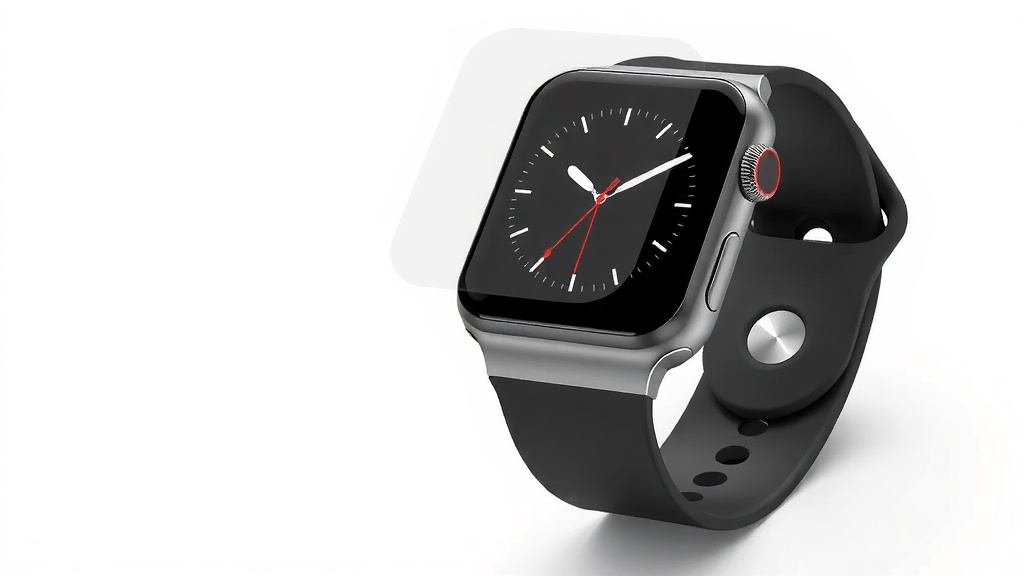
Do you need a screen protector for your Apple Watch? No, you don’t absolutely need one, but it’s a smart idea if you’re prone to bumps and scrapes. The Apple Watch uses a strong glass display, yet it can still scratch if you knock it against a wall or counter.
We found that most everyday wear and tear comes from accidental contact, not major drops. A thin film or glass protector adds a layer of defense without changing how the watch looks or feels. Your watch faces your biggest risks during workouts, cooking, or just daily life. Many experts say a protector is cheap insurance for a device you wear every single day.
- The short answer: Not required, but highly recommended for peace of mind.
- The main risk: Scratches from everyday bumps, not shattering like a phone.
- Best option: A slim glass or TPU film protector that’s barely noticeable.
- Biggest trade-off: A tiny bit of extra bulk or glare for added protection.
- Worth it if: You work with your hands, work out, or tend to be clumsy.
Below, we walk you through the real-world risks, the different types of protectors, and exactly how to pick the right one for your lifestyle.
Screen Protectors for Apple Watch: Are They Actually Worth It?
You might be torn between protecting your investment and keeping your watch looking sleek. We found that the answer depends more on your daily habits than you might think. The truth is, your Apple Watch faces a different set of dangers than your iPhone does.
Why Your Watch Scratches Differently Than Your Phone
Your phone takes tumbles onto concrete and slides across tabletops. Your watch lives on your wrist, where it bumps into doorframes, gym equipment, and car doors. We found that most Apple Watch damage comes from these sideways scrapes, not from face-down drops.
Think about it. You use your hands all day. Every time you reach into a drawer, grab a dumbbell, or lean against a counter, your watch is right there in the danger zone. The glass on your watch is strong, but it is not scratch-proof.
The Real Culprits: Everyday Surfaces
Sand and dirt are surprisingly harsh on watch glass. A single grain of sand caught between your watch and a table can leave a permanent mark. We found that people often scratch their watches while gardening, doing dishes, or moving boxes.
Weighing the Risks: What Could Happen Without a Protector?
Let’s get real about the actual damage your watch might see. Many people imagine their watch shattering like a phone screen. That is rare. The more common problem is a network of fine scratches that show up in bright sunlight.
Scratches vs. Cracks: Know the Difference
An Apple Watch can crack if you hit it hard against a sharp edge. But most damage we see in daily life is cosmetic. Scratches do not affect how your watch works. They just make it look tired and worn.
Here is the thing though. A scratched screen is harder to read. It catches glare. And it can make your watch feel old long before it actually is. That is why many experts say a simple protector is a small price for keeping your watch looking new.
When Cracks Actually Happen
Certain activities raise your risk of a real crack. Mountain biking, rock climbing, or working on machinery can all put sudden force on your wrist. If you do these things often, a stronger glass protector makes sense.
Matching a Protector to Your Lifestyle
Not everyone needs the same level of armor. We found that your job and hobbies should drive your choice. A desk worker has different needs than a construction worker or a CrossFit enthusiast.
The Casual User: Light Protection Is Plenty
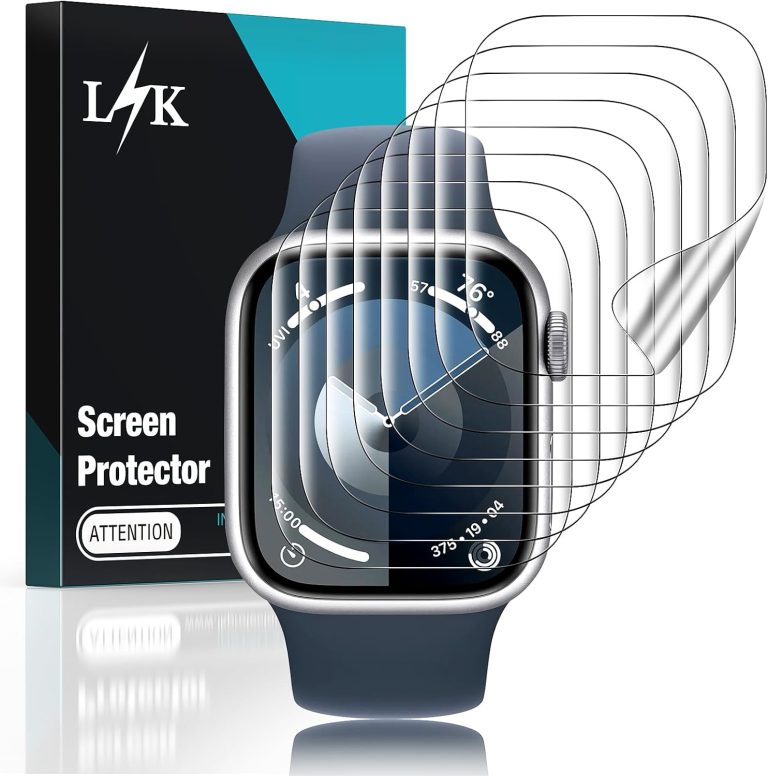
If you mostly wear your watch to check messages and track steps, a thin film protector works well. These are nearly invisible. They feel like nothing on your wrist. They handle light bumps and keep dust from scratching your screen.
You will barely notice a film protector is there. That is the whole point. It is like a clear coat on a car. You forget about it until it saves you from a nasty scrape.
The Active User: Glass Protectors for Real Impact
For workouts, hiking, or manual labor, a tempered glass protector is better. Glass protectors are thicker. They absorb impact better than film. And they feel more like your original screen.
We found that glass protectors also resist yellowing over time. Film can discolor after months of sun exposure. Glass stays clear. If you spend a lot of time outdoors, this matters.
The Clumsy User: Full Coverage Options
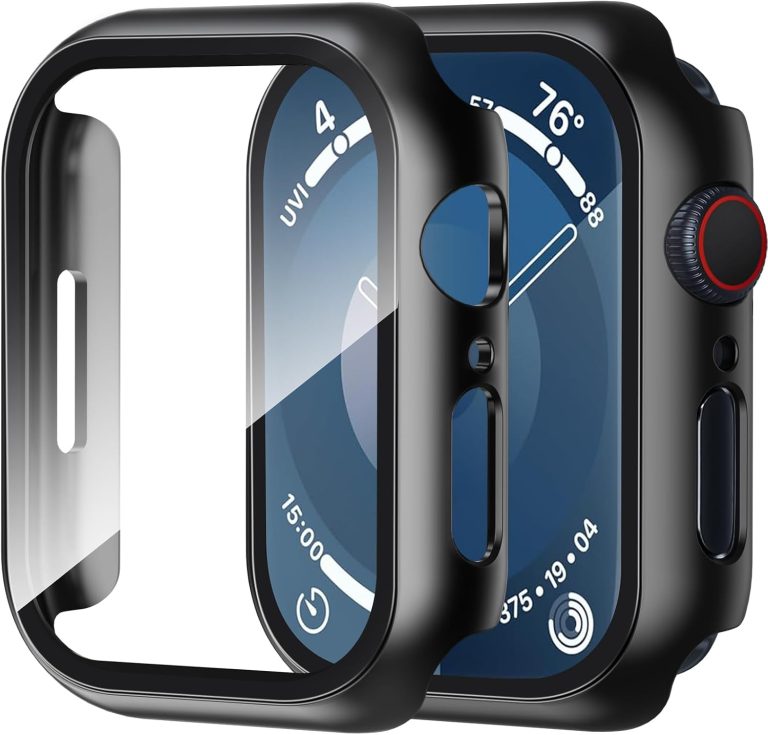
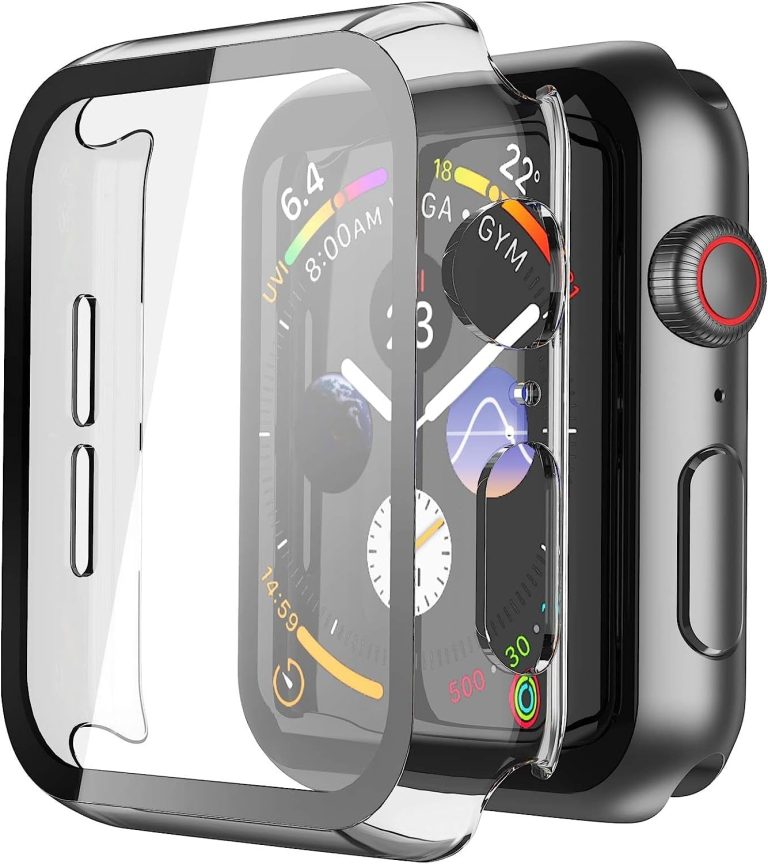
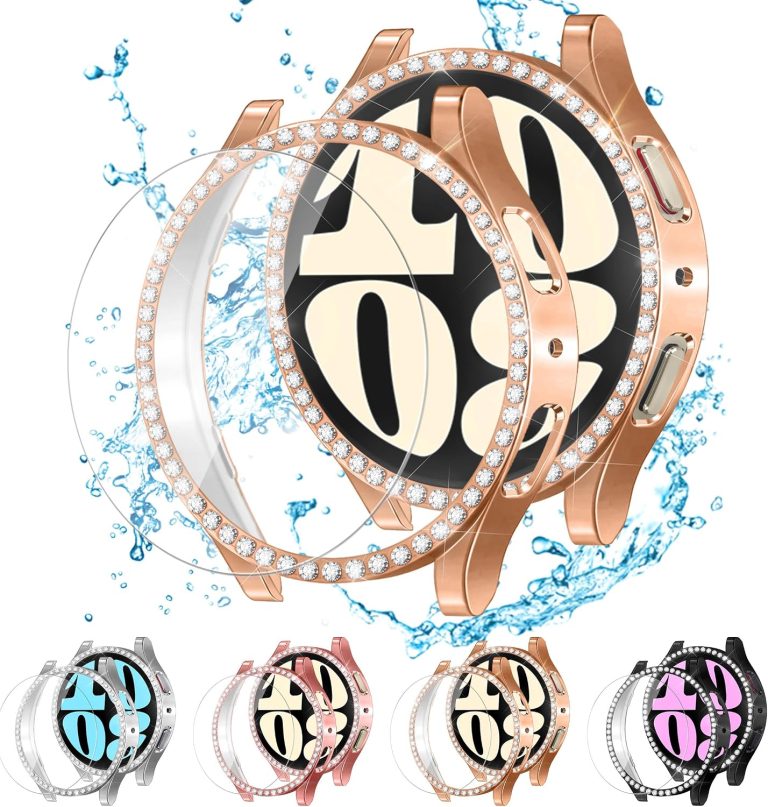
Some protectors wrap around the edges of your watch. These offer the most defense. They guard the curved edges of the screen, which are the most vulnerable spots. If you have a habit of whacking your wrist into things, this is your best bet.
Comparing Your Protection Options
You have three main choices when it comes to watch protection. Each one balances thickness, clarity, and toughness differently. Here is a quick comparison to help you decide. Our comparison of screen protector vs case helps you weigh the trade-offs.
| Protector Type | Thickness | Best For | Trade-Off |
|---|---|---|---|
| TPU Film | Ultra-thin | Light daily use | Minimal impact protection |
| Tempered Glass | Moderate | Active lifestyles | Slightly visible edge |
| Hybrid / Bumper | Thick | High-risk activities | Adds noticeable bulk |
We found that most people are happiest with a tempered glass protector. It gives you the best mix of feel and safety. Film is fine if you just want scratch prevention. Bumpers are overkill for most folks.
The Installation Question: Easy or Frustrating?
You might worry about messing up the installation. That is a fair concern. Watch protectors are small and fiddly. Getting them perfectly centered takes a steady hand.
Tips for a Bubble-Free Install
Do it in a steamy bathroom. The humidity in the air keeps dust from floating around. Clean your screen with the included wipes. Then line up the protector carefully before letting it touch the glass.
If you get a bubble, do not panic. Gently lift the edge with a fingernail and press it back down. Most bubbles work themselves out within a day. We found that patience beats perfection during installation.
When to Skip the DIY Route
Some retail stores will install your protector for you. This is a great option if you have shaky hands or zero patience. Many experts say a professional install is worth the extra few dollars for peace of mind.
Does a Protector Mess With Your Watch Experience?
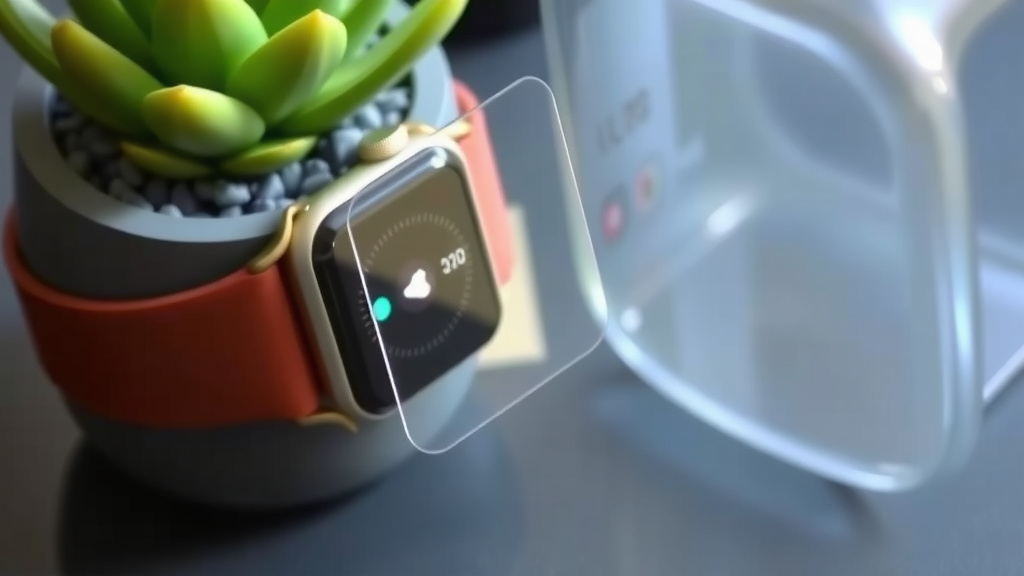
You might worry about losing touch sensitivity or making the screen look dull. We found that modern protectors are remarkably clear. They do not interfere with taps, swipes, or the Digital Crown.
One thing to watch for is glare. Some glass protectors reflect more light than your bare screen. This can be annoying outdoors. Look for protectors with an anti-glare coating if you spend time in the sun.
Touch Sensitivity and Water Resistance
Your watch’s touch screen works through a thin protector without issue. Thicker protectors might feel slightly less responsive, but the difference is tiny. We found that most users cannot tell the difference after a day.
Water resistance is another concern. A protector does not block water from getting into your watch. It just covers the screen. Your watch stays waterproof as long as the case is intact. The protector does not hurt or help that.
How Much Should You Spend on Protection?
Prices vary wildly for watch protectors. You can find cheap film protectors for under ten dollars. High-end glass options might run you twenty or thirty dollars. We found that spending a little more usually gets you a better fit. For specific recommendations, see our roundup of the best Apple Watch screen protectors.
Cheap protectors often have poor adhesive. They might not cover the whole screen. Or they might peel up at the edges. We suggest looking for a mid-range option from a known brand. You do not need the most expensive one, but avoid the bargain bin.
The Cost of Not Protecting
Think about what a scratched watch costs you. A repair or replacement can run hundreds of dollars. Apple’s screen repair service is not cheap. A twenty-dollar protector is a bargain compared to that.
Plus, a scratched watch has lower resale value. If you like to upgrade your watch every few years, a protector helps you get a better trade-in price. That alone can pay for the protector several times over.
Your Quick Decision Checklist
Still not sure if you need one? We found that asking yourself these five questions makes the choice clear. Answer yes to two or more, and a protector is a smart move.
- Do you work with your hands? Jobs involving tools, dishes, or machinery put your watch at risk.
- Do you work out regularly? Gym equipment and weights are common scratch sources.
- Do you wear your watch outdoors often? Sand and dirt are abrasive to watch glass.
- Do you tend to bump into things? Doorways and counters are frequent watch scrapers.
- Do you plan to resell your watch? A clean screen keeps its value higher.
- Does a scratch bother you? If you are picky about appearance, get the protection.
The Bottom Line on Watch Protection
You do not need a screen protector to make your Apple Watch work. It will function perfectly fine without one. But we found that a protector is one of the cheapest ways to keep your watch looking sharp for years.
Your watch is on your wrist all day, every day. It takes a beating you might not even notice. A thin piece of glass or film can be the difference between a pristine screen and a scratched-up mess. Many experts say it is simply smart insurance.
If you are still on the fence, start with a cheap film protector. Try it for a week. If you hate it, peel it off. You have nothing to lose and a lot of scratch protection to gain.
Conclusion
You do not need a screen protector for your Apple Watch, but you will likely want one. We found that scratches from everyday bumps are the biggest threat, not major drops. A simple film or glass protector adds a thin layer of defense that you will barely notice.
Think about your daily habits. Do you bump into doorways, work with your hands, or hit the gym? If you answered yes to any of those, a protector is cheap insurance for a device you wear every day. Start with a tempered glass option. It gives you the best balance of feel and protection.
Try it for a week. If you do not like it, you can peel it off. Your watch will thank you later.
Frequently Asked Questions
Will a screen protector stop my Apple Watch from cracking?
A screen protector can help absorb impact, but it is not a guarantee. Tempered glass protectors are better at preventing cracks than thin film ones. For serious impact protection, look for a protector that wraps around the edges of your watch face.
Can I still use the Apple Watch Digital Crown with a screen protector?
Yes, you can. The Digital Crown sits on the side of the watch, so a flat screen protector does not cover it. You will have full access to the crown, the side button, and all touch gestures without any issues.
How long does an Apple Watch screen protector last?
Most screen protectors last between three and six months with daily wear. The adhesive can weaken over time, especially if you sweat a lot or expose your watch to heat. Replace the protector when you notice peeling edges or visible scratches on the protector itself.
Do screen protectors affect the Apple Watch battery or sensors?
No, a screen protector does not affect battery life or the watch’s sensors. The optical heart rate sensor is on the back of the watch, not the screen. The touch screen works normally through a thin protector without draining extra battery.
Can I take my Apple Watch swimming with a screen protector on?
Yes, you can swim with a screen protector installed. The protector sits on the display and does not interfere with the watch’s water resistance. The water seals on the watch case and speaker are what keep water out, and a protector does not affect those seals.