What Is a Smartwatch? Your Guide to Smartwatch Features
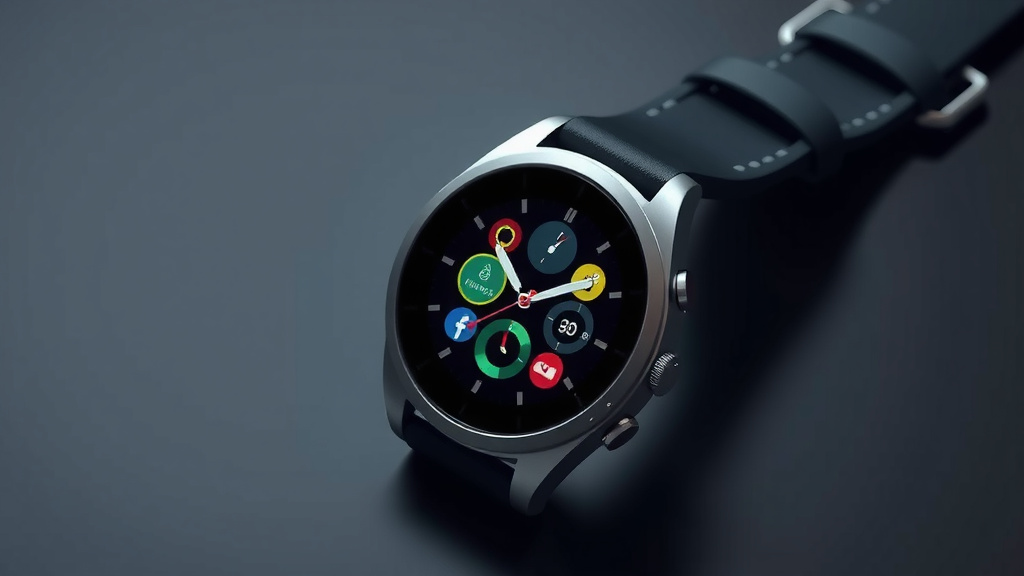
A smartwatch is basically a wearable computer for your wrist. It connects to your smartphone and offers many of the same functions, plus fitness tracking and health monitoring. Think of it as a mini-phone and fitness coach all rolled into one fashionable device.
These modern gadgets go beyond just telling time. They can send you notifications, let you check messages, and even make calls. Plus, many smartwatches help you track your daily activity. This includes steps taken, calories burned, and even your heart rate, making them useful tools for a healthier lifestyle.
- A smartwatch is a tiny computer you wear on your wrist.
- It connects to your phone for notifications and calls.
- It also tracks your fitness and health data.
- These devices offer convenience and help you stay connected.
Let’s dive into what makes a smartwatch so smart and what you can expect from these amazing devices.
What Makes a Smartwatch Truly “Smart”?
So, you’re curious about what really defines a smartwatch. It’s more than just a fancy watch that tells time. Think of it as a tiny, powerful computer that happens to live on your wrist. It’s designed to connect with your smartphone, bringing many of its capabilities right to your arm.
The magic really happens when it pairs with your phone. This connection is what unlocks a world of convenience and information. You can get notifications, check messages, and sometimes even take calls, all without pulling out your phone. It’s like having a helpful assistant always at your beck and call.
Core Features You’ll Find in Most Smartwatches
Most smartwatches share a common set of features that make them so appealing. These are the building blocks of what makes them a convenient accessory for your daily life.
Connectivity is Key
The most defining characteristic is its ability to connect. Usually, this is done via Bluetooth to your smartphone. This connection is what allows for so many of the smart functions we’ll discuss.
Notifications on Your Wrist
Tired of digging for your phone every time it buzzes? A smartwatch delivers alerts directly to you. You’ll see incoming calls, text messages, emails, and app notifications. Many let you customize which alerts you want to see, so you’re not bombarded. It’s a great way to stay updated without constant phone checking.
Quick Replies and Interactions
Beyond just seeing notifications, some smartwatches let you interact with them. You might be able to send quick, pre-written replies to texts or even dictate a response. It’s a small convenience that adds up throughout your day.
Fitness and Health Tracking Capabilities
This is where smartwatches really shine for many users. They act as personal wellness companions, helping you keep an eye on your health goals.
Step Counting and Activity Monitoring
Almost every smartwatch will track your steps taken throughout the day. They also often monitor distance traveled, active minutes, and calories burned. This data helps you understand your daily movement patterns.
Heart Rate Monitoring
Many smartwatches include optical heart rate sensors. These can track your heart rate continuously or on demand. This information is useful for understanding your fitness levels and overall cardiovascular health. We found that consistent heart rate tracking can offer insights into stress and recovery (Cleveland Clinic).
Sleep Tracking
When you wear your smartwatch to bed, it can often track your sleep. It monitors how long you sleep, and sometimes even the different stages of sleep, like light, deep, and REM sleep. Understanding your sleep patterns is key to improving sleep quality.
Workout Modes
For the fitness enthusiasts, smartwatches come equipped with specific workout modes. Whether you’re running, cycling, swimming, or doing yoga, you can select the activity to get tailored metrics. This provides more accurate data for your exercise sessions.
Beyond the Basics: Other Smartwatch Functions
While notifications and fitness are core, smartwatches offer more to make your life easier.
Music Control
You can often control the music playing on your smartphone directly from your watch. This means pausing, skipping tracks, or adjusting volume without reaching for your phone. Some high-end models even allow you to store music directly on the watch.
Mobile Payments
Look for smartwatches that offer NFC (Near Field Communication). This enables mobile payment features, allowing you to pay for items by tapping your watch on a compatible terminal. It’s like carrying a wallet on your wrist.
GPS and Navigation
Many smartwatches have built-in GPS. This is fantastic for runners and cyclists who want to track their route accurately without carrying their phone. Some even offer basic turn-by-turn navigation.
Voice Assistants
Accessing voice assistants like Google Assistant or Siri directly from your watch can be a real convenience. You can ask questions, set reminders, or even control smart home devices with simple voice commands.
Understanding Different Types of Smartwatches
Not all smartwatches are created equal. They range from basic fitness trackers with some smart capabilities to full-fledged mini-computers.
Fitness Trackers vs. Full-Featured Smartwatches
Some devices are primarily focused on fitness tracking, offering excellent health metrics but fewer app and notification options. Others are designed to be extensions of your smartphone, with robust app stores and communication features.
Operating Systems and Compatibility
The smartwatch operating system matters. Wear OS by Google is common on many Android-compatible watches, while Apple’s watchOS is exclusive to iPhones. Other brands use proprietary systems. It’s vital to ensure compatibility with your smartphone. For example, an Apple Watch will only work with an iPhone.
What to Consider When Choosing a Smartwatch
Picking the right smartwatch depends on your needs and your existing tech ecosystem. Here’s a quick checklist to help you narrow it down.
- Compatibility: Does it work with your phone (iPhone or Android)?
- Features: Do you need advanced fitness tracking, mobile payments, or GPS?
- Battery Life: How often are you willing to charge it?
- Display: Do you prefer a bright, always-on screen or one that conserves battery?
- Style: Does it fit your personal aesthetic and comfort level?
Conclusion
You’ve learned that a smartwatch is much more than just a watch. It’s your personal assistant, fitness coach, and communication hub, all on your wrist. It connects to your phone to bring you notifications, health data, and convenient features like mobile payments and music control.
Choosing the right one depends on your lifestyle and phone. Now that you know what makes a smartwatch “smart,” take a moment to think about which features would best fit your daily routine. Your perfect smartwatch is out there waiting for you to find it.
Frequently Asked Questions
Can a smartwatch work without a smartphone?
Some smartwatches have limited standalone capabilities, like basic timekeeping or fitness tracking. However, most of their smart features, such as receiving notifications, making calls, and using apps, require a connection to a smartphone via Bluetooth or Wi-Fi. You’ll get the most out of your smartwatch when it’s paired with your phone.
Do I need a specific brand of phone for a smartwatch?
Yes, compatibility is important. Apple Watches are designed exclusively for iPhones. Many other smartwatches run on Google’s Wear OS and are best suited for Android phones, though some can connect to iPhones with limited functionality. Always check compatibility before purchasing.
How accurate are smartwatch fitness trackers?
For general activity tracking like steps and heart rate, most smartwatches are quite accurate for everyday use. They use sensors like accelerometers and optical heart rate monitors. However, for highly precise athletic training, professional sports equipment might offer more detailed metrics. We found that they provide excellent general health awareness.
Can smartwatches replace my phone for making calls?
Some high-end smartwatches offer cellular connectivity, allowing you to make and receive calls independently of your phone. Many others rely on your phone’s Bluetooth connection for calling features. You can often initiate calls or answer them on your watch, but your phone needs to be nearby or connected.
What is the average battery life for a smartwatch?
Battery life varies greatly. Simpler fitness trackers might last a week or more on a single charge. Full-featured smartwatches, especially those with always-on displays or frequent GPS use, might require charging daily or every couple of days. It’s a key factor to consider based on your usage habits.
![7 Best Smart Watch For Bp Monitoring [2026]](https://smartwatchbest.com/wp-content/uploads/2026/08/7-best-smart-watch-for-bp-monitoring-2026-featured-768x432.jpg)
![7 Best Kids Smart Watch Phone [2026]](https://smartwatchbest.com/wp-content/uploads/2026/08/7-best-kids-smart-watch-phone-2026-featured-768x432.jpg)