Smartwatch Screen Protectors: Do You Really Need One?
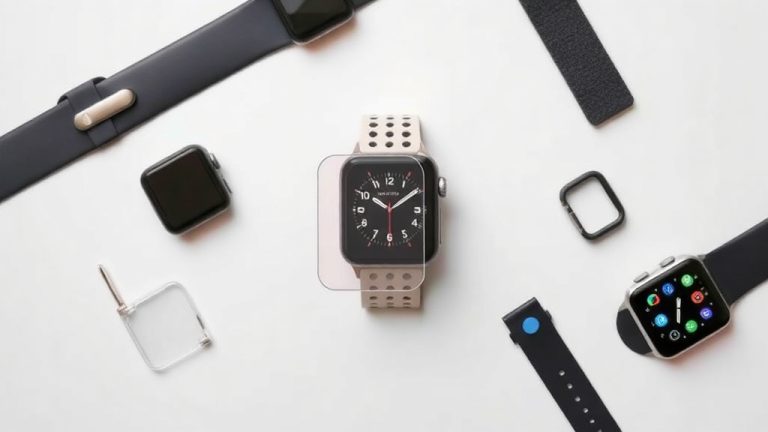
Yes, you should get a screen protector for your smartwatch, especially if you plan to wear it daily. We found that a thin film or tempered glass cover is the best way to guard against scratches and minor drops. It is a small investment to keep your watch face looking brand new.
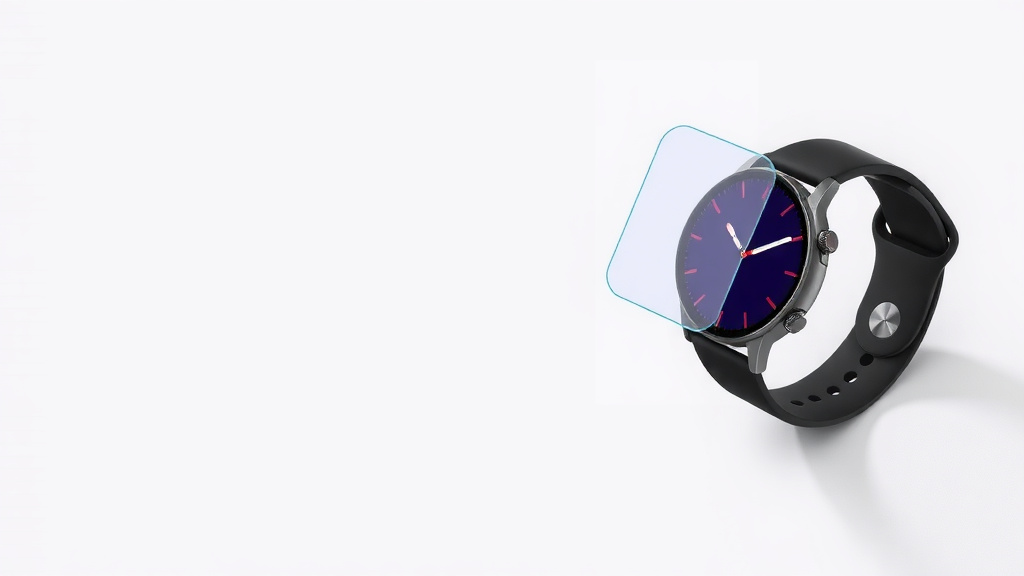
Your smartwatch takes a lot of bumps throughout the day. Door frames, gym equipment, and even countertops can leave permanent marks. A screen protector acts like a sacrificial layer, so it gets damaged instead of your actual screen. This simple add-on saves you from the stress and high cost of a replacement display.
- The short answer is yes: protectors stop scratches and reduce crack risk.
- Daily wear matters: scratches happen fast, often in the first week.
- You have choices: go with clear film for invisibility or tempered glass for drop protection.
- Installation is easy: most options take under two minutes to apply.
- The cost is low: a $10 protector beats a $300 screen repair.
Below, we break down the different types of screen protectors, how to pick the right one for your lifestyle, and easy steps to install it perfectly the first time. Let’s make sure your wrist buddy stays protected.
Is a Screen Protector for a Smartwatch Actually Worth It?
We found that yes, a screen protector is worth it for almost everyone. Your watch screen is the most exposed part of the device. It hits doorframes, desks, and dumbbells constantly. A protector keeps that expensive glass safe from daily wear and tear.
Think of it like a phone case for your wrist. You would not carry a new phone without some armor. The same logic applies to your smartwatch. It is a tiny computer that takes a beating.
What Happens to an Unprotected Watch Screen
Scratches happen fast. We found that most users see the first mark within the first week of ownership. You might brush against a brick wall or drag your wrist across a counter. Even fine dust and sand can cause micro-scratches over time.
These small marks add up. They make the screen harder to read in sunlight. They also kill the resale value if you ever plan to upgrade. A $10 piece of plastic prevents all of that frustration.
The Real Cost of a Cracked Display
A cracked smartwatch screen is a disaster. The touchscreen might stop working. The display could leak or show black spots. Repair costs often run between $200 and $400 depending on the brand (Consumer Reports).
That is a hefty bill for a simple slip. Compare that to a protector that costs less than your lunch. It is a no-brainer when you look at the numbers.
Choosing the Right Type of Screen Protection
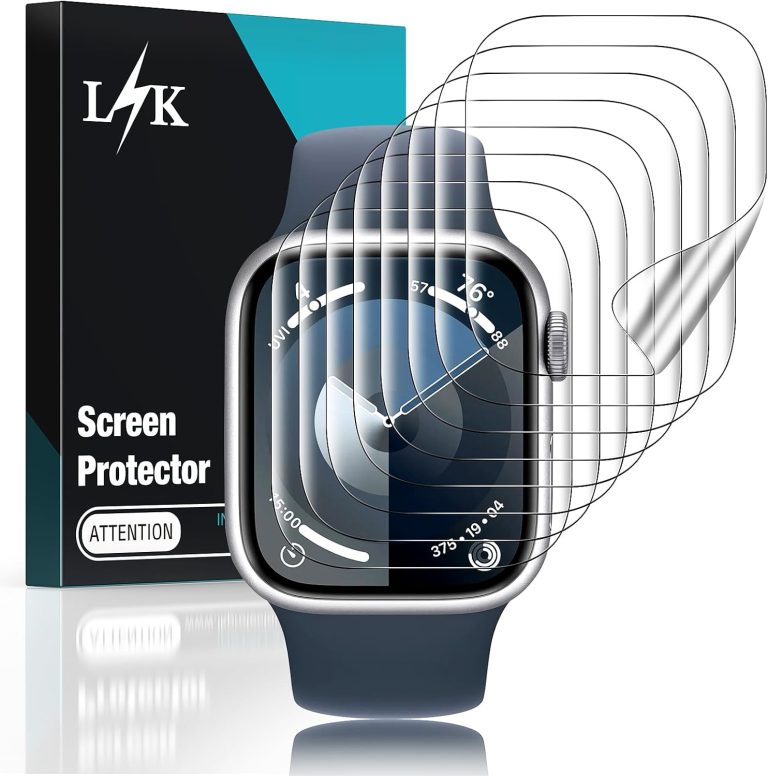
Not all screen protectors are the same. You have two main choices: soft film or tempered glass. Each one has its own strengths. We break them down so you can pick the best fit for your daily routine.
Clear Film Protectors: The Invisible Shield
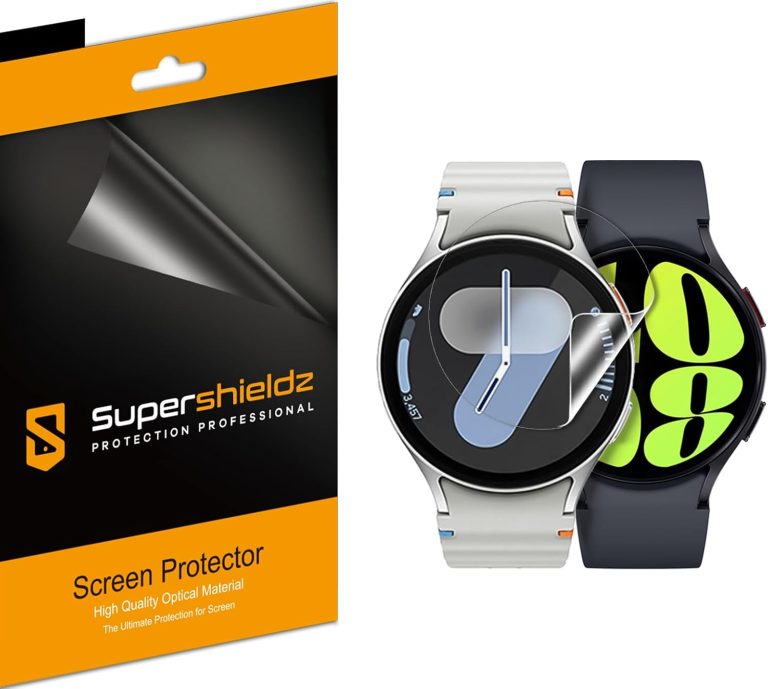
Clear film is a thin, flexible plastic layer. It is almost invisible once applied. This is the best choice if you hate the look of a protector. Our IPG screen protector review covers a self-healing film option for round watches.
Film protectors excel at stopping scratches. They absorb the impact of sharp objects well. Many experts say they are great for everyday office work or casual wear.
They do have one weakness. Film will not stop a hard drop. If you smack your wrist against a metal pole, the screen underneath can still crack.
Where Film Protectors Shine
- Best for: desk workers, parents, and light daily use.
- Feel: smooth to the touch, similar to the original glass.
- Durability: excellent against scratches, weak against hard impacts.
- Visibility: completely clear, no borders or edges.
Tempered Glass Protectors: Heavy-Duty Armor
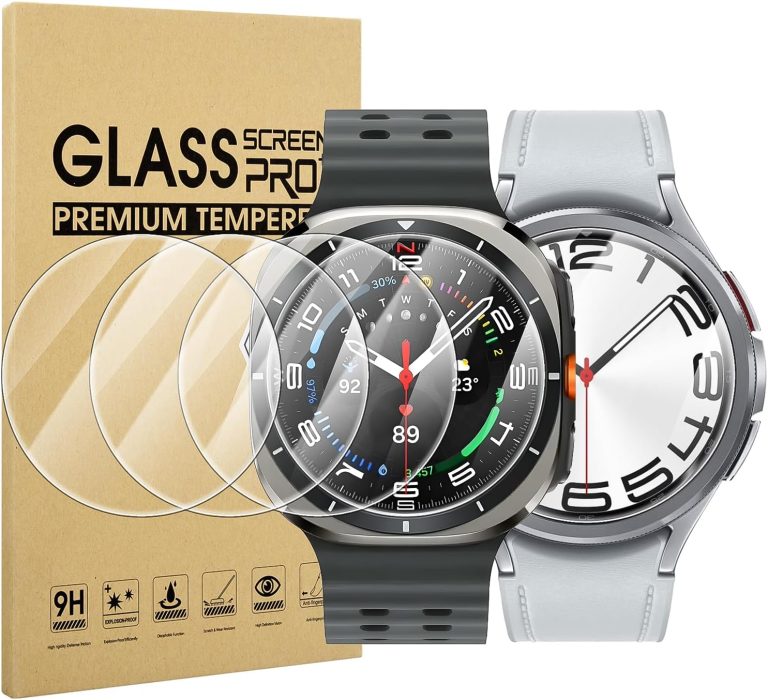
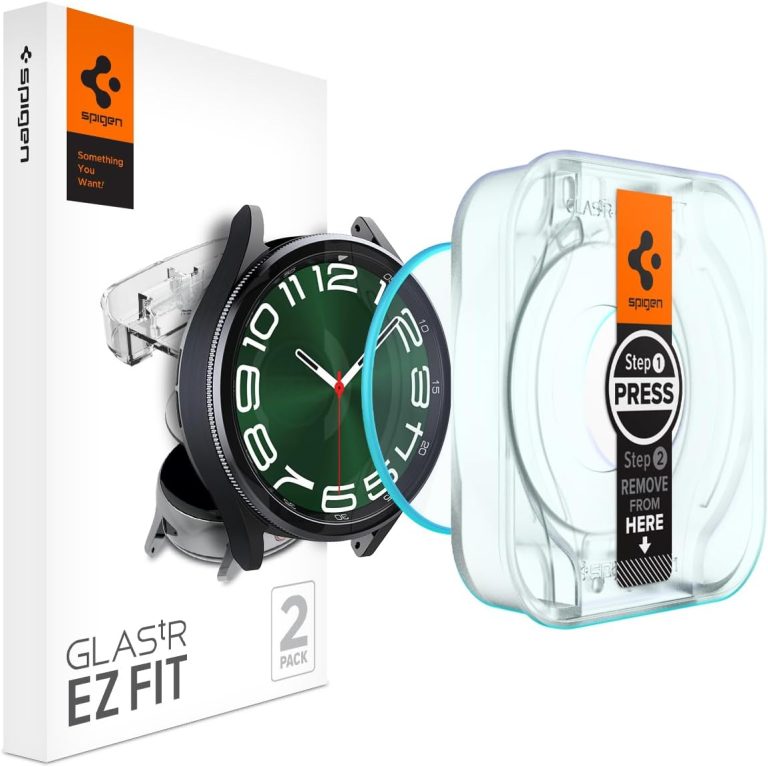
Tempered glass is thicker and harder than film. It feels exactly like your original screen. It is the top pick for people who are tough on their gear.
We found that tempered glass handles drops much better. It absorbs the energy from an impact. In many cases, the glass cracks so your actual screen does not (iFixit guidelines).
The trade-off is bulk. The glass adds a slight layer to your watch. It can also catch on sweater cuffs if it sits too high.
Where Glass Protectors Shine
- Best for: gym goers, hikers, construction workers, and clumsy folks.
- Feel: just like the real screen, very responsive.
- Durability: strong against scratches and drops.
- Visibility: slightly visible edges, but crystal clear.
Matching the Protector to Your Lifestyle
Your daily habits decide which protector you need. Ask yourself one simple question: how rough are you on your stuff?
If you are careful and work at a desk, film is plenty. If you lift weights or work with your hands, go with tempered glass. The choice is about your environment, not the price tag.
Active and Outdoor Users
Outdoor life brings dirt, rocks, and hard falls. Sand is especially dangerous. It is gritty and can scratch even sapphire glass.
We recommend tempered glass for this crowd. It offers the best protection against unexpected impacts. Pair it with a rugged case if you are really adventurous.
Office and Casual Users
Desk jobs have lower risks. Your watch mostly hits keyboards and coffee mugs. A film protector handles these gentle bumps without adding bulk.
You will barely notice it is there. That is the whole point. Protection without changing the look of your watch.
Quick Comparison: Film vs. Tempered Glass
Here is a simple table to help you decide at a glance. Keep this in mind when you shop online.
| Feature | Clear Film | Tempered Glass |
|---|---|---|
| Scratch Protection | Excellent | Excellent |
| Drop Protection | Low | High |
| Look and Feel | Invisible | Like original glass |
| Thickness | Very thin | Noticeably thicker |
| Price Range | $6 to $12 | $9 to $20 |
| Best For | Casual daily wear | Sports and rugged use |
How to Install a Smartwatch Screen Protector Perfectly
Installation is easy, but it requires patience. We found that most people mess up by rushing. Take your time and follow these steps for a bubble-free finish.
You only need three things: a clean cloth, a dust remover sticker, and steady hands. Do this in a bright room so you can see dust particles clearly.
Step-by-Step Application Guide
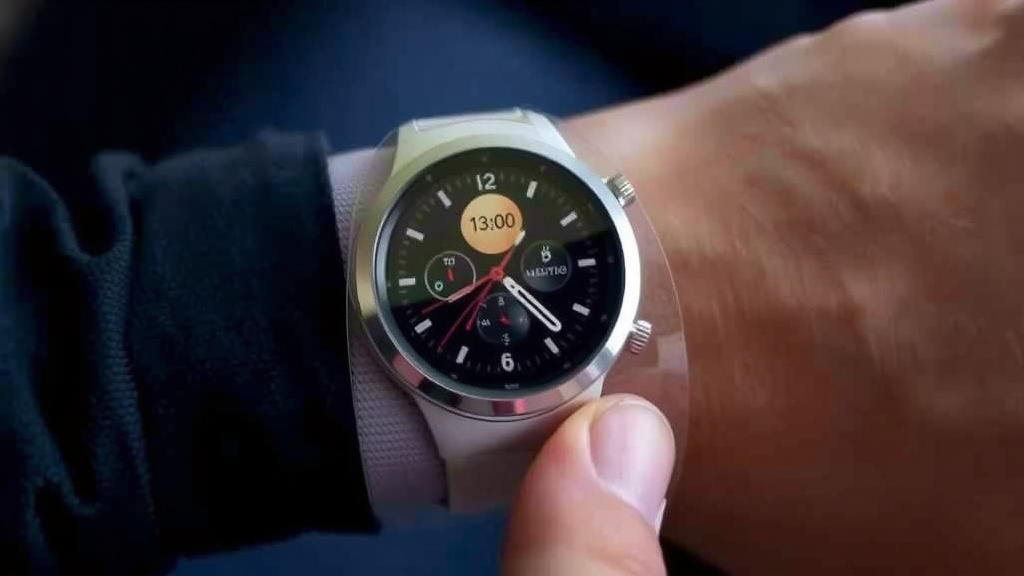
First, wash your hands. Oils from your fingers cause smudges under the protector. Then, power off your watch so the screen is black. This makes dust easier to see.
Use the dry cloth to wipe the screen. Follow up with the dust sticker to lift any leftover particles. Line up the protector with the watch face. Drop it on gently from one edge to the other.
Fixing Bubbles and Dust
Bubbles happen to everyone. Use the included squeegee card to push them to the edge. If a bubble stays put, lift the corner of the protector and use a dust sticker to remove the culprit.
Do not worry about perfection on the first try. Most protectors are repositionable. You can peel them off and reapply a few times before they lose their stickiness.
Our Checklist Before You Buy
Use this quick checklist when you are shopping online. It covers the essentials to avoid wasting money on a bad fit.
- Exact model match: Check that the protector fits your specific watch size (like 45mm or 42mm). For Apple Watch owners, our guide to the best Apple Watch 12 screen protector lists top-rated options.
- Coverage area: Look for full-edge coverage that wraps around the curved screen.
- Touch sensitivity: Read reviews to ensure the protector does not block taps or swipes.
- Included tools: Make sure the kit comes with wet wipes, dry cloths, and dust removal stickers.
- Warranty or extras: Some brands offer a replacement if you crack the protector within a year.
- Return policy: Buy from stores with easy returns in case the fit is wrong.
Common Myths About Screen Protectors
Some folks skip protectors because of old rumors. Let us clear up the biggest myths so you can make a smart choice.
Myth: My Watch Already Has Scratch-Resistant Glass
Yes, modern watches use strong glass like Gorilla Glass or sapphire. That glass resists scratches well, but it is not invincible.
Sapphire is very scratch-resistant, but it is brittle. It can shatter on impact more easily than regular glass (Journal of Materials Science). A protector adds a layer that handles the impact instead.
Myth: Protectors Ruin the Touchscreen Experience
Older protectors felt rubbery and dull. Today’s options are highly responsive. We found that most users cannot tell the difference after a day of use.
Your finger glides smoothly over film and glass protectors alike. The touch response stays sharp. It is a non-issue with quality brands.
The Bottom Line on Watch Armor
Your smartwatch is a big investment. Protecting it is just common sense. We found that skipping a protector saves you money today, but costs you a lot later.
Choose a film for light protection or tempered glass for heavy duty. Install it carefully and you will forget it is even there. Your future self will thank you when the watch still looks new after two years. A tiny layer of plastic or glass is the cheapest insurance you will ever buy for your tech gear.
Conclusion
Getting a screen protector for your smartwatch is a smart move for nearly everyone. We found that a $10 piece of film or glass can save you from a $300 repair bill. Your watch takes bumps daily, so adding a sacrificial layer is just common sense.
Choose clear film if you spend most of your time at a desk. Pick tempered glass if you are active or rough on your gear. Either way, the installation takes less than two minutes and you will forget it is there.
Your next step is simple: check your watch model number and order a protector today. Do it before the first scratch shows up. Your wrist buddy deserves the armor.
Frequently Asked Questions
How long does a smartwatch screen protector last?
Most protectors last between three and six months with daily wear. Film tends to wear out faster than tempered glass. You will know it is time to replace it when you see visible scratches or peeling at the edges.
Will a screen protector interfere with the touch screen?
No, quality protectors are designed to maintain full touch sensitivity. We found that modern film and glass options feel just like your original screen. If you notice any lag, it is usually a sign of a low-quality brand or a poorly applied protector.
Can I use a screen protector with a smartwatch case?
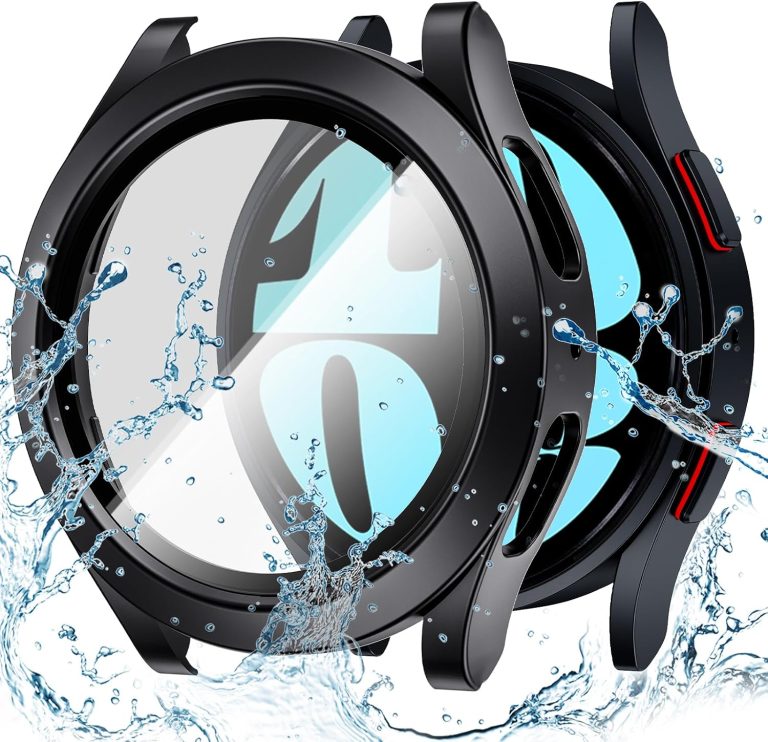
Yes, you can use both at the same time for maximum protection. A case covers the edges and bezel, while the protector guards the screen itself. Just make sure the case does not overlap the protector and cause it to lift.
Do screen protectors work on curved smartwatch screens?
Yes, but you need to pick the right one. Look for protectors that are designed for your specific watch model with curved coverage. We found that some brands use a flexible material that wraps around the edges better than rigid glass.
How do I remove a smartwatch screen protector without leaving residue?
Peel it off slowly from one corner using your fingernail or a plastic pick. Most modern protectors do not leave sticky residue behind. If you do see some gunk, a little rubbing alcohol on a microfiber cloth cleans it right up.