How to Safely Remove Your Smartwatch Case
Removing a smart watch case is usually a simple process. Most cases are designed for easy removal. You can often gently pry them off with your fingernail or a plastic tool. This ensures you can **clean your watch** or **swap out cases** without much hassle.
Taking off your smart watch case is often necessary for different reasons. Maybe you need to give your watch a thorough cleaning. Or perhaps you want to change its look with a new case. We found that understanding the **right method for your specific watch** is key.
- Gently pry your case off.
- Use a fingernail or plastic tool.
- Avoid metal tools to prevent scratches.
- Clean your watch regularly.
- Change cases to refresh your style.
Let’s walk through exactly how to remove your smart watch case step by step, making sure you do it safely and effectively.
Taking Off Your Smartwatch Case Safely
Removing a smartwatch case is usually a straightforward task. Most cases are designed for simple detachment. You can often gently pry them off using your fingernail or a soft plastic tool. This makes it easy to clean your watch or switch out cases without any fuss.
We found that understanding the right method for your specific watch model is key. Different designs might require slightly different approaches. But the general principle of gentle detachment remains consistent across most brands.
When Do You Need to Remove Your Smartwatch Case?
There are a few common reasons you might need to remove your smartwatch case. The most frequent is for cleaning purposes. Dust, dirt, and grime can accumulate under the case over time. This can affect the look and sometimes even the function of your watch.
Another reason is to swap out cases. Maybe you want to change the style to match an outfit. Or perhaps your old case is showing signs of wear and tear. Replacing it with a new one can give your smartwatch a fresh look and feel.
Sometimes, a loose or damaged case needs to be removed for repair or replacement. It’s important to handle this carefully to avoid further damage to the watch itself. We’ve seen many instances where gentle handling prevents bigger issues.
General Steps for Case Removal
For most snap-on or friction-fit cases, the process is quite similar. The goal is always to apply gentle, consistent pressure rather than forceful prying.
Prepare Your Workspace and Tools
First, find a clean, well-lit area. This prevents losing small parts and ensures you can see what you’re doing. Lay down a soft cloth to protect your watch and the surface you’re working on. You don’t want to risk scratches.
As for tools, your fingernail is often the best starting point. If your nails aren’t strong enough, or if you prefer not to use them, a plastic prying tool (often called a spudger) is ideal. These are soft and less likely to scratch your watch or case than metal tools.
Many electronics repair kits include these plastic tools. They are also available online. We recommend having one handy if you’re someone who frequently cleans or changes accessories for your devices.
Locate the Seam or Edge
Carefully inspect the edge where the case meets the watch body. You’re looking for a subtle seam or a lip. This is typically where the case is designed to be lifted or pried open.
Sometimes, cases have a small notch or indentation. This is a clear indicator of where to start applying pressure. If you can’t find one, don’t worry; most just have a uniform seam.
Gently Pry the Case Off
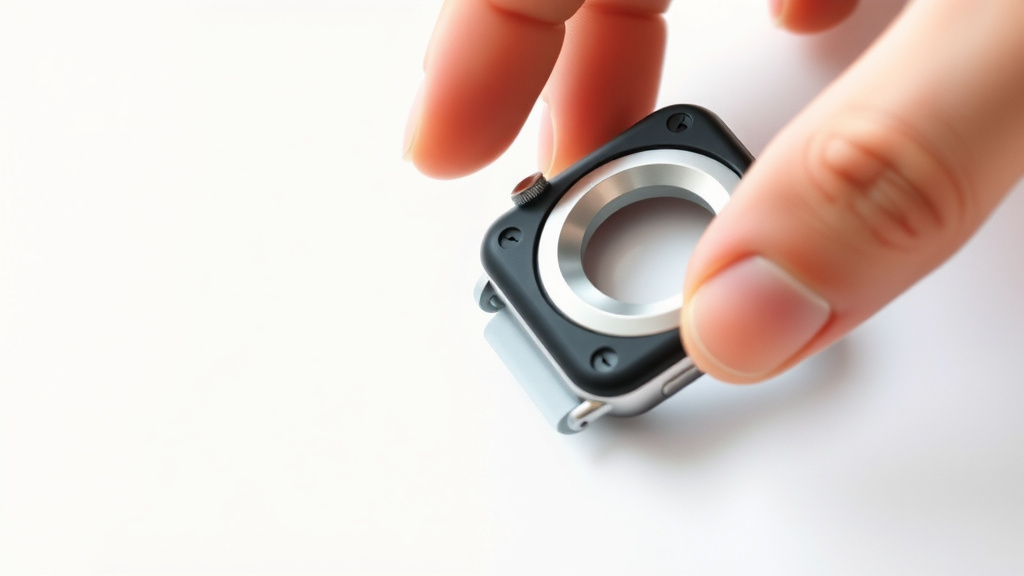
Once you’ve found the seam, insert the tip of your fingernail or the plastic tool into the gap. Apply gentle, steady pressure. You’re aiming to create a small opening.
Work your way around the edge of the watch case. Apply slight pressure to lift or separate the case from the watch. Go slowly and patiently. If you feel significant resistance, stop and reassess. You might be trying to pry from the wrong spot, or the case might be a different type.
We found that moving the tool slowly around the perimeter is more effective than trying to force it open in one spot. It’s like unscrewing a tight jar lid – small, consistent turns often work best.
Avoid Metal Tools for Scratch Prevention
It’s really important to stress avoiding metal tools like screwdrivers or knives. These can easily slip and cause scratches on your watch’s casing or the watch screen itself. We’ve heard stories of accidental damage, and it’s always a bummer.
Think of your smartwatch as a piece of jewelry. You wouldn’t use a steak knife to clean it, right? The same principle applies here. Stick to softer materials like plastic or your own fingernails.
Specific Case Types and Their Removal
While the general method works for many, some cases have unique designs.
Two-Piece Snap-On Cases
These cases usually come apart in two sections, often covering the top and bottom or sides. You’ll typically start by separating the two halves along their seam. Once one half is off, the other usually comes away easily.
We found that these are often the easiest to remove. They are designed for quick changes.
Full Coverage Protective Cases
These are generally more robust and might have a built-in screen protector. They often involve a front and back piece that snaps together. You’ll need to find the interlocking seam and carefully work your way around it.
Sometimes, these cases have small locking tabs. Look for these as they are often the intended release points. Gentle wiggling can help if it feels stuck.
Silicone or Flexible Cases
These are usually the most forgiving. They are designed to stretch and conform to your watch. To remove them, you can often simply peel the edges back and work the watch out.
Start at one corner or edge and gently pull the silicone away from the watch body. They tend to pop off with minimal effort. This type is great if you clean your watch daily.
What If the Case Won’t Budge?
If you’ve tried gentle prying and the case still won’t come off, don’t force it. Here are a few things to check.
Double-Check Your Watch Model
Are you certain you have the right removal technique for your specific smartwatch model? Some newer or more rugged designs might have proprietary locking mechanisms. A quick online search for your watch model and “case removal” can save you a lot of trouble.
Manufacturers often provide guides on their websites. We found that looking at official documentation is the safest bet.
Consider Temperature Effects
Occasionally, temperature changes can cause materials to expand or contract slightly. If your watch has been in a very warm environment, the case might be a bit tighter. Conversely, extreme cold might make plastic more brittle.
Letting your watch return to room temperature can sometimes help. This is a minor factor, but it’s worth considering if all else fails. Patience is your best friend here.
A Word on Very Tight or Glued Cases
In rare instances, a case might be exceptionally tight, or in very rare cases, have adhesive. If you suspect adhesive, it’s best to pause. Using a bit of isopropyl alcohol carefully around the edges might help dissolve it. However, proceed with extreme caution and ensure it’s electronics-safe.
Many experts advise against using excessive force, which could damage the watch or the case. If it’s a glued case, it might be designed for permanent attachment or require professional help. We found that for most standard cases, adhesive is not a common issue.
Cleaning Your Watch After Case Removal
Once the case is off, it’s the perfect time for a good clean. Use a soft, lint-free cloth to wipe down your watch body and the inside of the case. For tougher grime, a slightly damp cloth with water can be effective.
Make sure to dry everything thoroughly before reattaching the case. Moisture trapped inside can be bad for your electronics. Many manufacturers recommend using only a dry, soft cloth for general cleaning (Apple, Samsung).
Checklist for Easy Case Removal
Here’s a quick rundown to make sure you’re ready:
- Work in a clean, well-lit area.
- Use a soft cloth to protect surfaces.
- Gather a plastic prying tool or use your fingernail.
- Locate the seam or notch on the case.
- Apply gentle, steady pressure to pry.
- Work slowly around the edges.
Conclusion
You’ve learned how simple it is to remove your smartwatch case. Remember, gentle pressure is key. Your fingernail or a plastic tool is usually all you need. Avoiding metal prevents unsightly scratches. Regularly removing your case for cleaning or style swaps keeps your watch looking its best. If a case is stubborn, don’t force it – check your watch model online. Now you’re equipped to confidently care for your smartwatch.
Frequently Asked Questions
Can I use a credit card to remove my smartwatch case?
While a credit card is better than metal, it’s still not ideal. The edges can be too sharp and may scratch your watch or the case. We recommend sticking to your fingernail or a dedicated plastic prying tool for the safest results. These tools are designed to be gentle.
How often should I remove my smartwatch case for cleaning?
It’s a good idea to remove your case for cleaning at least once a month. However, if you exercise frequently or your watch is exposed to a lot of dirt and sweat, you might want to do it more often. Keeping it clean prevents buildup and potential skin irritation.
What if my smartwatch case has a screen protector attached?
Many full-coverage cases come with integrated screen protectors. When removing these, you usually need to detach the front and back pieces of the case together. Look for seams or clips where the two parts join and gently pry them apart. The screen protector will come off with one of the case halves.
Is it safe to wash my smartwatch case with soap and water?
For most standard plastic or silicone cases, yes, it’s generally safe. Use mild soap and warm water, then rinse thoroughly. However, always ensure the case is completely dry before putting it back on your watch. Check your watch manufacturer’s recommendations for cleaning.
My smartwatch case feels stuck. What else can I try?
If gentle prying isn’t working, double-check that you’re trying to remove it correctly for your specific model. Sometimes, slight wiggling can help release pressure points. If you suspect adhesive, a tiny amount of electronics-safe isopropyl alcohol applied carefully to the seam might help, but proceed with extreme caution.
![7 Best Smart Watch Of 2025 [2026]](https://smartwatchbest.com/wp-content/uploads/2026/09/7-best-smart-watch-of-2025-2026-featured-768x432.jpg)
![7 Best Small Smart Watches For Women [2026]](https://smartwatchbest.com/wp-content/uploads/2026/08/7-best-small-smart-watches-for-women-2026-featured-768x432.jpg)