
Your Smartwatch Blood Pressure Check Guide
Yes, you can check your blood pressure with some smartwatches. Many modern smartwatches now offer built-in sensors that can measure your blood pressure. This feature allows for convenient and frequent monitoring right from your wrist. You’ll want to ensure your specific model supports this functionality.
Keeping track of your blood pressure is becoming easier than ever. Smartwatches are evolving to include more health-focused features. This means you can get quick readings throughout the day. It’s a great way to stay informed about your heart health without needing separate equipment.
- Many smartwatches can measure blood pressure.
- Check your watch model for this specific feature.
- It offers convenient, frequent health monitoring.
- Stay informed about your heart health easily.
Ready to see how it works on your wrist? Let’s walk through exactly how you can check your blood pressure using your smartwatch.
Taking Your Blood Pressure With Your Smartwatch
So, you’re curious about checking your blood pressure right from your wrist. It’s a fantastic way to keep a pulse on your health! Many smartwatches today are equipped with sensors that make this possible. You can get readings anytime, anywhere. This means less fuss with traditional cuffs. You’ll just need to ensure your specific watch model has this capability.
How Smartwatches Measure Blood Pressure
Most smartwatches use a technique called photoplethysmography (PPG). This is the same technology used for heart rate monitoring. Little lights on the back of the watch shine onto your skin. They detect changes in blood volume in your wrist. These changes are then analyzed by algorithms. These algorithms convert the data into a blood pressure estimate.
It’s important to understand that this method is not always as precise as a traditional cuff. We found that accuracy can vary between different watch models and even between individuals. For most people, it provides a good trend indicator. It helps you see if your pressure is generally going up or down.
Understanding PPG Readings
PPG works by measuring how much light is absorbed by your blood. When your heart beats, blood volume in your wrist increases. This causes more light to be absorbed. Between beats, blood volume decreases, and less light is absorbed. Your watch’s sensors detect these fluctuations. Sophisticated software then interprets these patterns.
Think of it like this: your watch is a detective. It’s looking for subtle clues in how light interacts with your blood flow. These clues help it piece together an estimate of your blood pressure. It’s quite clever technology! Many experts suggest these readings are best for identifying patterns over time. They are not typically meant to replace medical-grade devices for diagnosis.
Steps to Check Your Blood Pressure on Your Watch
Checking your blood pressure is usually a straightforward process. Most smartwatches will guide you through it. Here’s a general rundown of what you can expect:
Preparation is Key
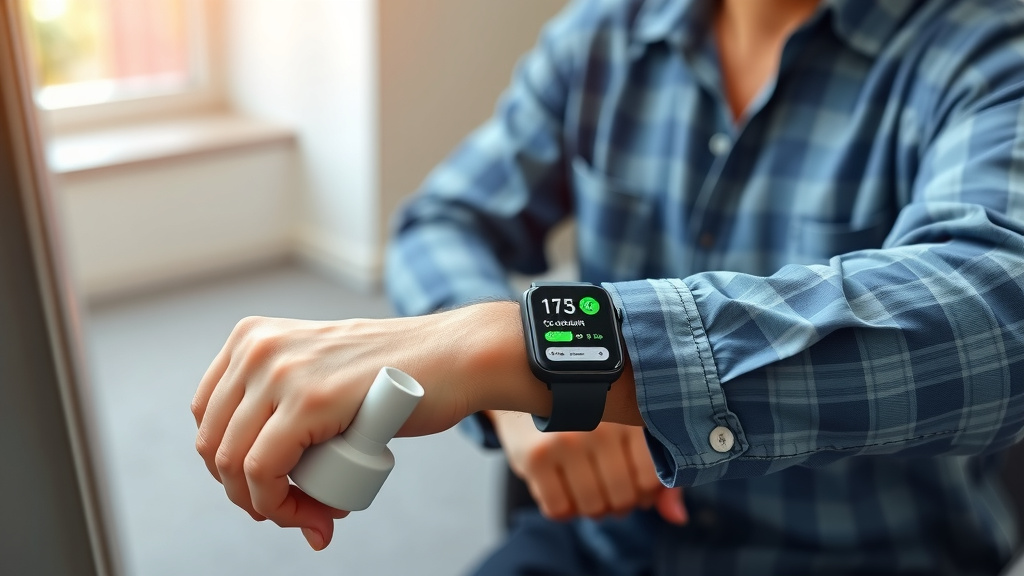
For the most reliable readings, preparation matters. Sit down for at least five minutes before you take a measurement. Relax and avoid talking. Your arm should be resting comfortably at heart level. It’s best to have your feet flat on the floor, too. Avoid checking your blood pressure right after exercising, drinking caffeine, or smoking. These activities can temporarily affect your readings.
Initiating the Measurement
Open the blood pressure app on your smartwatch. You might need to find it in your app list or by activating a specific function. The watch will likely prompt you to place your arm correctly. Some watches require you to wear the band snugly, while others may have specific instructions about tightness. Follow the on-screen prompts precisely. It’s designed to make things easy for you.
During the Reading
Stay still while the measurement is being taken. This typically takes about 30 seconds to a minute. You might feel a slight pressure or sensation on your wrist. This is normal as the watch takes its readings. Avoid moving your arm or talking during this time. Any movement can affect the accuracy of the measurement. Just breathe and let your watch do its work.
Reviewing Your Results
Once the measurement is complete, your smartwatch will display your blood pressure readings. This usually includes your systolic and diastolic numbers, along with your heart rate. Many watches will also show a history of your readings. This allows you to track trends over time. We found this historical data particularly helpful for understanding your personal patterns. Some apps even offer insights or alerts based on your readings.
When to Use Your Smartwatch for Blood Pressure
Your smartwatch is a handy tool for frequent monitoring. It’s great for checking in on your health regularly. Here’s when it’s most beneficial:
Regular Health Tracking
The biggest advantage of a smartwatch is convenience. You can check your blood pressure multiple times a day if you wish. This is fantastic for noticing small changes. Research from institutions like the American Heart Association often highlights the importance of consistent monitoring. It helps you and your doctor understand your baseline and any deviations.
Spotting Trends and Patterns
Instead of just one-off readings, your watch can record your blood pressure over days, weeks, or months. This historical data is gold! You can see how stress, diet, or activity levels might be affecting your numbers. Many users find this trend analysis more useful than isolated readings. It gives you a broader picture of your cardiovascular health.
When a Traditional Cuff Isn’t Available
Let’s be honest, sometimes you don’t have your blood pressure cuff with you. Or maybe you find them a bit cumbersome. Your smartwatch is always on your wrist! This means you can get a reading when you need it most. It’s a fantastic backup and a great way to stay informed on the go. Just remember its limitations compared to medical devices.
Important Considerations for Accuracy
While smartwatches are convenient, accuracy is key. Here are some tips to get the best results:
Check Your Watch’s Calibration
Many smartwatch blood pressure features require regular calibration. This means you’ll need to compare your watch’s readings with a traditional, validated blood pressure monitor. You’ll do this periodically, often monthly. Your watch’s app will usually guide you through this process. It’s essential for maintaining reliable measurements. We found following the calibration instructions carefully made a big difference.
Correct Placement and Technique
As mentioned, arm position and stillness are vital. Ensure the watch is snug but not too tight. The sensor on the back needs good contact with your skin. Avoid taking readings over clothing. Proper placement is non-negotiable for accurate results. Your watch app will likely have diagrams or videos demonstrating the correct technique. Pay close attention to these!
Understand the Limitations
It’s crucial to remember that most smartwatch blood pressure readings are estimations. They are not a substitute for medical diagnosis. If you have concerns about your blood pressure, always consult a healthcare professional. They can provide an accurate diagnosis and treatment plan using medical-grade equipment. The American Medical Association notes that these devices are best used for monitoring trends, not for making critical medical decisions on their own.
When to Seek Medical Advice
If your smartwatch consistently shows readings that are higher or lower than what you expect, or if they concern you, it’s time to talk to your doctor. Sudden spikes or drops in blood pressure can be serious. Don’t hesitate to reach out to a healthcare provider. They are your best resource for understanding your health. They can help interpret your smartwatch data in the context of your overall health.
Is Your Watch Capable? A Quick Checklist
Before you try to measure your blood pressure, quickly verify a few things:
- Does your smartwatch model explicitly state it has a blood pressure monitoring feature?
- Have you downloaded and set up the companion app on your smartphone?
- Did you complete the initial setup and calibration process as instructed?
- Are you familiar with the recommended preparation steps before taking a reading?
- Do you know when and how often to recalibrate your device?
Conclusion
You’ve learned how smartwatches can make monitoring your blood pressure easier than ever. Remember, these devices offer convenient trend tracking right from your wrist. While they are excellent for noticing changes, always calibrate them with a traditional cuff. Your smartwatch is a fantastic tool for staying informed about your heart health. For any health concerns or medical decisions, always consult your doctor. Take charge of your well-being by using this technology wisely.
Frequently Asked Questions
Can I rely solely on my smartwatch for blood pressure readings?
No, you should not rely solely on your smartwatch. While smartwatches are great for tracking trends, they are not medical-grade devices. For accurate diagnoses and treatment, always consult your doctor and use a calibrated, traditional blood pressure monitor.
How often should I calibrate my smartwatch’s blood pressure feature?
Most smartwatch manufacturers recommend calibrating your blood pressure feature regularly, often monthly. Check your watch’s specific app for instructions. Consistent calibration ensures that your watch’s readings remain as accurate as possible compared to a medical device.
What does it mean if my smartwatch reading is different from a cuff reading?
Differences can occur due to varying technology, placement, and the time of day. If your smartwatch readings consistently differ from your traditional cuff, or if you notice concerning discrepancies, it’s best to consult your healthcare provider. They can help interpret these differences.
Does wearing the smartwatch too tight or too loose affect readings?
Yes, the tightness of your watchband is very important for accurate readings. The sensor needs good skin contact. If the watch is too loose, it won’t get a clear reading. If it’s too tight, it can affect blood flow. Follow your watch’s specific guidelines for snugness.
Can my smartwatch readings detect serious health issues?
Your smartwatch can help you notice trends that might be concerning, but it cannot diagnose serious health issues on its own. If you see consistently high or low readings, or if you experience symptoms like dizziness or chest pain, seek immediate medical attention from a healthcare professional.
![7 Best Kids Smart Watches 2025 [2026]](https://smartwatchbest.com/wp-content/uploads/2026/08/7-best-kids-smart-watches-2025-2026-featured-768x432.jpg)
![7 Best Looking Men'S Smart Watch [2026]](https://smartwatchbest.com/wp-content/uploads/2026/08/7-best-looking-men-s-smart-watch-2026-featured-768x432.jpg)
![7 Best Smart Watch For Iphone 2025 [2026]](https://smartwatchbest.com/wp-content/uploads/2026/09/7-best-smart-watch-for-iphone-2025-2026-featured-768x432.jpg)
![7 Best Smart Watch For Older People [2026]](https://smartwatchbest.com/wp-content/uploads/2026/07/7-best-smart-watch-for-older-people-2026-featured-768x432.jpg)