How Smartwatches Measure Your Heart Rate: The Science Explained
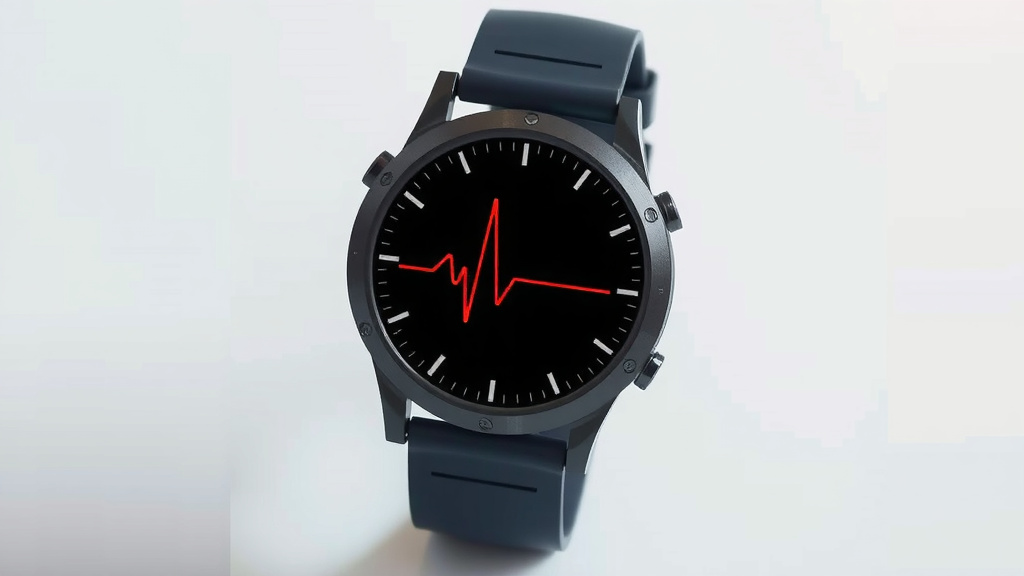
Your smartwatch measures your heart rate using light and sensors on the back. It shines light onto your skin and detects how much light is absorbed or reflected. This lets it monitor changes in your blood flow, which directly relates to your pulse. It’s a pretty neat trick, right?
This technology, known as photoplethysmography (PPG), is quite sophisticated. It can track your heart rate continuously throughout the day and during workouts. Many health apps use this data to provide insights into your overall fitness and well-being. It’s like having a mini-doctor on your wrist!
- Smartwatches use light to measure blood flow changes.
- This is called photoplethysmography (PPG).
- It tracks your pulse by looking at how light is absorbed or reflected.
- The data helps monitor your fitness and health trends.
Let’s walk through exactly how this technology works step by step, so you can understand the magic happening on your wrist.
You’ve seen the stats on your watch, but how does it actually *know* your heart rate? It’s not magic, but it’s pretty clever technology. Let’s break down the science behind your wrist-based heart monitor.
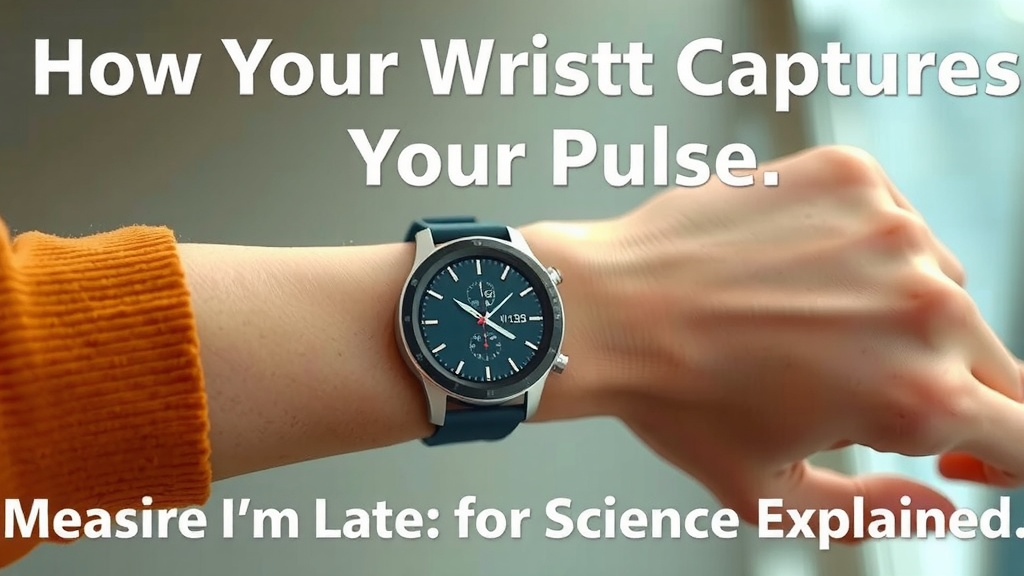
How Your Wrist Captures Your Pulse
Your smartwatch uses a technology called photoplethysmography, or PPG for short. It might sound complicated, but the concept is quite simple. Think of it like shining a flashlight through your skin and watching what happens to the light.
The Role of Light and Sensors
On the underside of your smartwatch, you’ll find tiny LEDs and a photodetector. The LEDs emit light, usually green, onto your skin. This light penetrates your skin and reaches your blood vessels. Your blood absorbs some of this light. When your heart beats, it pumps blood. This causes a tiny change in the amount of blood flowing through the vessels under your skin. More blood means more light absorption.
Green Light is Key
Why green light? Researchers found that green light is absorbed well by hemoglobin, the protein in your red blood cells that carries oxygen. This makes it particularly good at detecting changes in blood volume. Red light is also sometimes used, as it can penetrate deeper into the skin.
Detecting Blood Flow Changes
The photodetector on your watch then measures how much light is reflected back or absorbed. As your heart beats, the volume of blood in your wrist capillaries changes. This fluctuation directly affects how much light is absorbed. The photodetector senses these changes in light intensity. These changes are then translated into your heart rate reading.
It’s All About Blood Volume
The faster your heart beats, the more frequently these changes in blood volume occur. Your smartwatch counts these pulses over a specific period to calculate your heart rate in beats per minute (bpm). It’s essentially counting the pulses of blood flowing through your wrist.
Understanding the PPG Process
So, how does your watch turn these light signals into a number you can understand? It’s a step-by-step process that happens in milliseconds.
Step 1: Shining the Light
The LEDs on the back of your watch begin to flash. These flashes are not constant; they are timed precisely. The light passes through your skin and reaches the tiny blood vessels, called capillaries, in your wrist.
Step 2: Light Interaction with Blood
As the light hits your capillaries, some of it is absorbed by your blood. The amount of light absorbed depends on how much blood is present at that moment. When your heart pumps, more blood rushes into the capillaries, and more light is absorbed. Between beats, blood volume decreases, and less light is absorbed.
Step 3: Measuring Reflected/Absorbed Light
The photodetector is constantly watching. It measures the light that bounces back or passes through your skin. It records the intensity of this light over time. Think of it like a tiny camera capturing how much light is getting through.
Step 4: Processing the Data
This is where the “smart” part comes in. The watch’s internal processor takes the raw light data. It uses algorithms to filter out noise. This noise can come from your movement or ambient light. The algorithms then identify the patterns caused by your pulsing blood. They count these patterns to determine your heart rate.
Filtering Out the Jiggle
Movement is a big challenge for PPG. When you move your wrist, it can cause the light sensor to shift or your blood flow to change in ways unrelated to your heart. Smartwatches use sophisticated algorithms to distinguish between actual heartbeats and movement-related signals. Some research indicates that motion artifacts can affect accuracy (NCBI).
| Method | How it Works | Pros | Cons |
|---|---|---|---|
| Smartwatch (PPG) | Uses light to detect blood flow changes in capillaries. | Convenient, continuous monitoring, no added effort. | Can be affected by movement, skin tone, and fit. |
| Chest Strap Monitor | Detects the electrical signals of your heart. | Generally considered very accurate, less affected by movement. | Requires wearing a separate strap, can be less comfortable. |
| Manual Pulse Check | Feeling your pulse at your wrist or neck and counting. | No technology needed, accessible. | Less precise, difficult for continuous tracking, requires concentration. |
Factors Influencing Accuracy
While PPG technology is impressive, it’s not always perfect. Several factors can influence how accurately your smartwatch measures your heart rate.
The Importance of Fit
A snug fit is essential. If your watch is too loose, it can move around on your wrist. This movement can interfere with the light sensors and lead to inaccurate readings. It should feel comfortable but firm against your skin, like a good sports watch (Cleveland Clinic).
Skin Tone and Tattoos
It may surprise you, but skin tone can play a role. Darker skin tones absorb more light, which can sometimes make it harder for the sensors to get a clear reading. Similarly, tattoos in the area where the watch sits can also absorb or block light, potentially affecting accuracy. Researchers are continually working to improve algorithms to account for these variations.
Movement and Exercise Intensity
As mentioned, vigorous movement is a common culprit for inaccurate readings. During intense workouts, your arm movements can create “noise” that confuses the sensor. Some watches have specific workout modes that try to compensate for this. However, even the best smartwatches might show slightly different numbers than a chest strap during very high-intensity activities.
Environmental Factors
Extreme temperatures can also play a role. Cold temperatures can cause your blood vessels to constrict, reducing blood flow to your extremities and potentially affecting readings. Being in very bright sunlight might also interfere with the light sensors.
Here’s a quick checklist to help ensure you’re getting the best readings from your smartwatch:
- Ensure your watch band is snug but comfortable.
- Position the watch a finger’s width above your wrist bone.
- Keep the sensor area clean and free of debris.
- Be aware that intense movement can temporarily affect readings.
- Check your watch’s manual for any specific accuracy tips.
- Sync your watch regularly to ensure its software is up-to-date.
Conclusion
Your smartwatch uses clever light technology, PPG, to track your pulse by monitoring blood flow changes. While generally accurate, remember that fit, skin tone, and movement can affect readings. For the most reliable data, ensure your watch fits snugly and keep its sensors clean. Use this information to stay informed about your health and fitness trends. Now you can wear your watch with confidence, understanding the science behind every beat it counts!
Frequently Asked Questions
Why does my smartwatch sometimes give a weird heart rate reading?
This often happens due to movement. Vigorous exercise or sudden arm movements can confuse the light sensors. Also, if your watch is too loose, it might shift, causing inaccurate readings. A proper fit is key for consistent data.
Can my skin color affect my smartwatch’s heart rate accuracy?
Yes, researchers have found that skin tone can influence PPG readings. Darker skin absorbs more light, which can sometimes make it harder for the sensors to detect blood flow changes accurately. Smartwatch makers are constantly improving their technology to account for this.
Is a smartwatch heart rate monitor as accurate as a chest strap?
Chest strap monitors, which detect electrical heart signals, are generally considered more accurate, especially during intense workouts. Smartwatch PPG readings are very good for everyday use and moderate activity but can be less precise when there’s a lot of movement.
Do tattoos impact my smartwatch heart rate reading?
Tattoos can indeed affect accuracy. The ink pigments in tattoos can absorb or block the light from the smartwatch’s LEDs. This interference can make it difficult for the sensors to get a clear signal of blood flow changes, potentially leading to less accurate heart rate data.
How often should I clean the sensors on my smartwatch for better heart rate readings?
It’s a good idea to wipe down the sensor area regularly, perhaps once a day or after sweaty workouts. Dirt, sweat, or lotion can build up and block the light. A clean sensor helps ensure your watch can accurately detect blood flow changes for your heart rate.
![7 Best Android Smart Watch For Texting [2026]](https://smartwatchbest.com/wp-content/uploads/2026/06/7-best-android-smart-watch-for-texting-2026-featured-768x432.jpg)
![7 Best Smart Watch For Diving [2026]](https://smartwatchbest.com/wp-content/uploads/2026/08/7-best-smart-watch-for-diving-2026-featured-768x432.jpg)