Smart Watch Cost: What to Expect in 2026
The cost of a smartwatch can range from a budget-friendly $50 to a premium $500 or more. The price largely depends on the brand, features, and materials used. You might find basic fitness trackers at the lower end, while advanced models with cellular connectivity and premium designs sit at the higher end.
When you’re looking at smartwatches, remember that more expensive doesn’t always mean better for your needs. You’ll want to consider what you’ll use it for most. Is it for tracking your workouts, staying connected, or just checking notifications? Understanding your priorities helps narrow down the price range and features that matter most to you.
- Smartwatch prices vary widely.
- Expect to spend $50 to $500+.
- Basic models are affordable.
- Premium features increase the cost.
- Consider your needs to find the best value.
Let’s break down what influences smartwatch prices and help you figure out where your money is best spent.
Understanding Smartwatch Price Ranges
You’re probably wondering, “What exactly am I going to pay for a smartwatch?” It’s a great question, and the answer is: it really depends! We’ve found that prices can span a pretty wide spectrum. Think of it like buying a car; you can get a basic, reliable model or a fully loaded luxury vehicle. Smartwatches follow a similar pattern. The vast majority of smartwatches you’ll find fall into a few key price brackets.
Generally, you can expect to see prices starting around $50 for very basic models. These are often fitness trackers with some smartwatch-like capabilities. As you move up, you’ll find smartwatches in the $100 to $250 range. This is a sweet spot for many brands, offering a good balance of features and price. Then, you have the premium and luxury smartwatches, which can easily climb to $300, $400, or even over $500 for the top-of-the-line options (Apple, Garmin’s high-end). This broad range means there’s likely a smartwatch out there that fits your budget and your needs.
Factors That Drive Up the Cost
So, what makes one smartwatch cost more than another? It’s not just a random number! Several key elements contribute to the final price tag. Understanding these can help you decide where your money is best spent.
Brand Reputation and Ecosystem
Big names in tech often come with a higher price. Brands like Apple and Samsung invest heavily in their research and development. They also have established ecosystems. This means their watches work particularly well with their phones and other devices. You’re paying for that polished experience and the brand’s guarantee of quality and support. Many experts say this ecosystem integration is a huge draw for consumers (TechRadar).
Materials and Build Quality
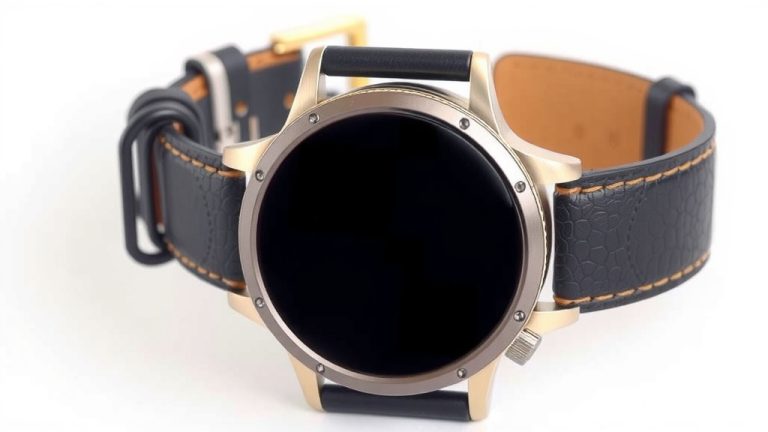
The physical makeup of a smartwatch plays a big role. Are we talking about plastic or stainless steel? Aluminum or titanium? What about the screen? A sapphire crystal display is much more durable and expensive than standard glass. The fancier the materials, the higher the price will climb. Think of it like jewelry; a gold watch will cost more than a silver one. The same applies here.
Advanced Features and Sensors
This is where things get interesting. More features usually mean a higher cost. Basic fitness tracking is standard now. But what about built-in GPS for accurate run tracking? Or cellular connectivity, allowing you to make calls without your phone? Blood oxygen sensors, ECG capabilities, and advanced sleep tracking all add to the price. The more data your watch can collect and the more it can do independently, the more it will likely cost you.
Connectivity Options
Do you need your smartwatch to function independently of your phone? If so, you’ll be looking at models with built-in cellular (LTE) capabilities. This allows for calls, texts, and streaming music without your phone nearby. This feature alone can add $50 to $100 to the price of a device. For many, though, standard Bluetooth connectivity to their smartphone is perfectly sufficient and much more affordable.
Price Tiers Explained
Let’s break down what you can typically expect at different price points. This can help you set realistic expectations for your budget.
Budget-Friendly ($50 – $100)
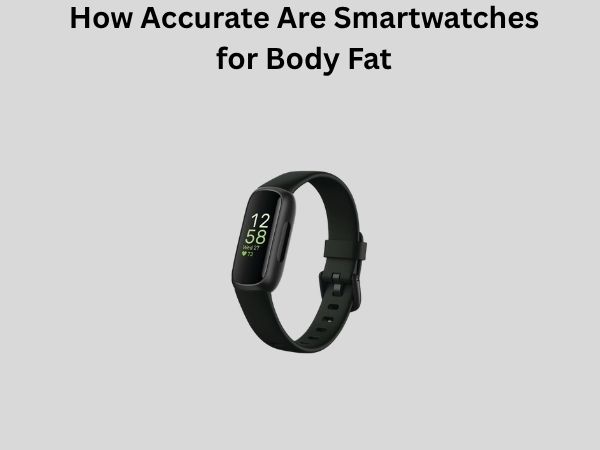
In this range, you’re often looking at fitness trackers that have adopted some smartwatch features. Think brands like Fitbit’s Inspire or Charge series, or some lower-end Xiaomi models. You’ll get reliable step counting, heart rate monitoring, and basic sleep tracking. Notifications from your phone will usually come through. However, don’t expect a vibrant app store or advanced health sensors. They’re great for getting started with health tracking without a big investment.
Mid-Range ($100 – $250)
This is where many popular smartwatches sit. You’ll find excellent options from brands like Fitbit (Versa, Sense), Garmin (Venu, Forerunner series), and Samsung (Galaxy Watch Active). These watches offer a good mix of fitness tracking, smart notifications, and app support. Some might even have built-in GPS. They often feature better displays and more durable build materials than their budget counterparts. You get a solid, all-around smartwatch experience here.
Premium and High-End ($250+)
This tier is home to the top models from Apple (Apple Watch Series), Samsung (Galaxy Watch), and Garmin (Fenix, Epix series). Here, you’re getting the best-in-class features. We’re talking about premium materials like titanium, advanced health monitoring (ECG, blood oxygen), cellular connectivity options, and extensive app ecosystems. These watches are designed for serious athletes, tech enthusiasts, or those who want the most polished and capable device available. They often boast longer battery life or more sophisticated smart features.
Comparing Smartwatch Costs: A Quick Look
To help visualize, consider this general comparison. Remember, these are approximate ranges:
| Price Range | Typical Features | Best For |
|---|---|---|
| $50 – $100 | Basic fitness tracking, heart rate, notifications | Beginners, budget-conscious users |
| $100 – $250 | Advanced fitness, GPS, app support, good display | Everyday users, fitness enthusiasts |
| $250+ | Premium materials, cellular, advanced health sensors, top apps | Tech lovers, athletes, those seeking premium experience |
Do You Really Need to Spend a Lot?
It’s a fair question. Do you need to empty your wallet for a smartwatch? Many experts suggest that for most people, a mid-range smartwatch offers the best value (CNET). You get robust features without paying a premium for bells and whistles you might never use. If your primary goal is fitness tracking and staying connected with notifications, you likely won’t need a $500+ device. Think about what you *really* want your watch to do. Is it to count your steps, track your hikes, manage your notifications, or make calls from your wrist?
Consider your daily routine. If you’re an avid runner training for a marathon, you might benefit from a higher-end Garmin with advanced training metrics. If you just want to make sure you don’t miss important calls while at the gym, a $150 model might be perfectly sufficient. We found that understanding your personal needs is the most critical step in finding the right smartwatch without overspending.
Focus on Your Needs First
Before you even look at prices, take a moment. What are your must-have features? Make a short list. This will prevent you from getting swayed by fancy, expensive options that don’t align with your goals. This simple step can save you a significant amount of money and ensure you’re happy with your purchase long-term.
Consider Older Models or Sales
Don’t forget that last year’s model is often this year’s bargain. As new smartwatches are released, older, but still perfectly capable, models often see price drops. Keep an eye out for sales events, especially around holidays like Black Friday or Prime Day. You can often snag a fantastic smartwatch at a much-reduced price. Researching deals can lead to substantial savings.
Your Smartwatch Budget Checklist
To help you navigate your smartwatch purchase, consider these points:
- Determine your primary use case (fitness, notifications, health).
- Set a realistic budget before you start browsing.
- Research features that are essential for you.
- Compare prices across different brands and models.
- Look for sales or consider previous generation models.
- Don’t overpay for features you won’t use.
Conclusion
You’ve learned that smartwatches don’t have to break the bank. The cost, ranging from $50 to over $500, depends heavily on brand, build materials, and advanced features like cellular connectivity. For most users, a mid-range model provides the best balance of functionality and price. Remember to pinpoint your must-have features before you start shopping.
This focused approach helps you avoid overpaying for tech you won’t use. Now, you’re ready to find the smartwatch that perfectly fits your needs and your budget. Happy hunting!
Frequently Asked Questions
Are there good smartwatches under $100?
Yes, you can find smartwatches under $100. These are typically basic fitness trackers with some notification capabilities. They’re great for tracking steps and heart rate without a big financial commitment.
What makes premium smartwatches cost so much?
Premium smartwatches charge more for superior materials like titanium or sapphire crystal, advanced health sensors (ECG, blood oxygen), and cellular connectivity. You’re also paying for the brand’s established ecosystem and polished user experience.
Is it worth buying an older model smartwatch?
Often, yes! Previous year’s smartwatch models are frequently discounted significantly when new versions are released. They still offer great features and can be a smart way to save money.
How much does cellular connectivity add to a smartwatch price?
Adding cellular (LTE) capability can typically increase a smartwatch’s price by $50 to $100. This feature allows your watch to operate more independently from your smartphone.
Do I need an expensive smartwatch for fitness tracking?
Not usually. Many smartwatches in the $100-$250 range offer robust fitness tracking features, including GPS, that are more than sufficient for most athletes. Only dedicated athletes with very specific training needs might require higher-end models.