How to Measure Smartwatch Size for the Perfect Fit
Measuring your smartwatch size is simpler than you think. You’ll typically measure the watch case diameter in millimeters, often found in the product specs. This measurement helps you determine if the watch will fit your wrist comfortably and look proportional.
Choosing the right smartwatch size ensures both comfort and style. A watch that’s too big can feel bulky, while one that’s too small might look lost on your wrist. We found that considering both the case dimensions and strap length is key to a great fit.
- Measure the watch case diameter in millimeters.
- Check the case dimensions for width and lug-to-lug length.
- Consider the strap or band width.
- Compare these measurements to your wrist size.
Let’s walk through exactly how to measure your smartwatch size so you can make the best choice for your wrist.
Finding Your Perfect Smartwatch Fit
Getting the right smartwatch size is all about comfort and how it looks on your wrist. It’s not just about guessing; it’s about knowing a few key measurements. We’ve found that paying attention to these details can save you from a watch that feels too big or too small. If you have smaller wrists, our guide to small smartwatches for women can help you find a proportional fit.
Let’s break down what makes a smartwatch fit well. You’ll want to consider the watch’s case, its strap, and how it all comes together on your unique wrist.
Understanding Smartwatch Case Dimensions
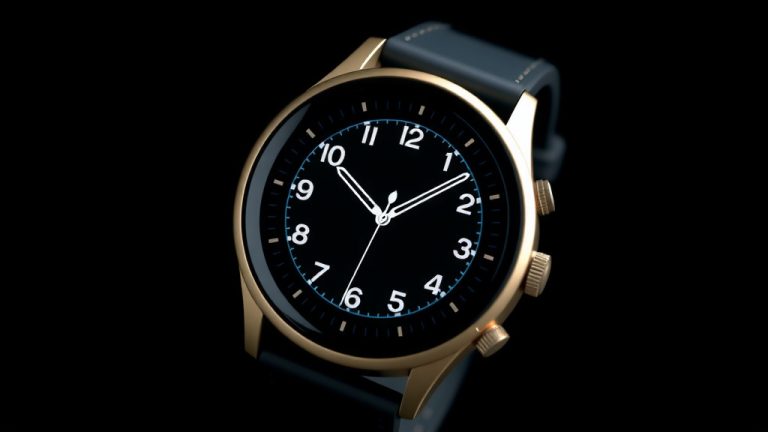
The watch case is the main body of the smartwatch. This is where all the tech lives. Its size is usually given in millimeters (mm). Most brands will list the case diameter. This is the most common measurement you’ll see.
But there’s a bit more to it than just the diameter. Knowing the width and length can help you picture it better on your wrist.
Case Diameter: The Standard Measurement
Case diameter is typically measured across the watch face. It’s usually measured from the 3 o’clock position to the 9 o’clock position. This measurement gives you a good first idea of the watch’s overall size.
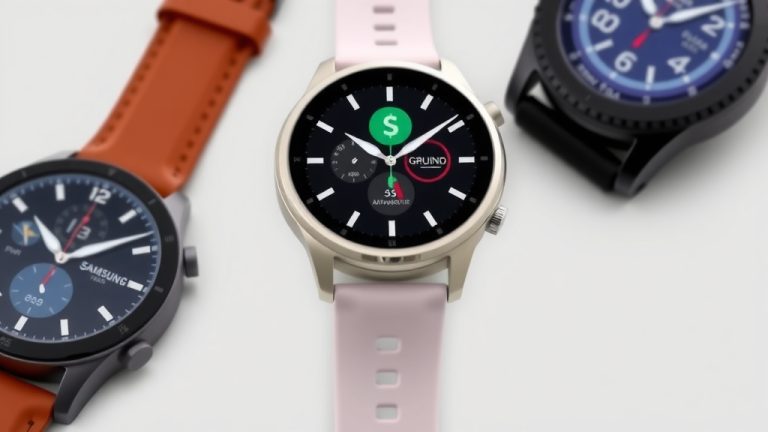
Many watches fall into a few general size categories. For example, smaller watches might be around 38mm to 40mm. Medium sizes are often 41mm to 44mm. Larger watches can be 45mm and up. It’s helpful to know these ranges. Many people prefer the classic look of round face smart watches, and understanding size is key to finding one that fits.
Case Width and Lug-to-Lug Length: A Deeper Dive
Beyond diameter, you might see case width. This measurement often includes the crown or buttons on the side. It can make the watch appear wider than just the diameter suggests. Always check if this measurement includes these additions.
Lug-to-lug length is another important one. This is the distance from the top lug (where the strap attaches) to the bottom lug. A longer lug-to-lug measurement means the watch might overhang your wrist. This is especially true if you have smaller wrists. We found that this measurement helps prevent that bulky feeling.
How to Find These Measurements
You can usually find these case dimensions on the product page of the smartwatch you’re interested in. Look for a “Specifications” or “Details” section. If you’re buying in person, you can check the box or ask a sales associate.
What if you already have a watch? You can use a ruler or a measuring tape. Just lay your watch flat and measure the parts we discussed. It’s a simple way to get a feel for what works for you.
Considering the Strap and Band Width
The watch case is only part of the equation. The strap or band plays a big role in comfort and appearance. A thick, wide band can make a watch look larger. A slim band might make it seem more delicate.
Strap Width: Where It Connects
Strap width is usually measured where the strap connects to the watch case. This is often called the lug width. It’s a standard measurement that helps when buying replacement straps too.
Wider straps can balance out a larger watch case. Slimmer straps work well with smaller cases. Think about the overall look you’re going for. Do you want something bold or something understated?
Strap Material and Style
The material and style of the strap also affect how a watch sits. A chunky metal bracelet can add visual weight. A silicone sport band might feel more casual and less imposing. A leather strap can offer a classic look.
We’ve found that softer, more flexible materials tend to be more comfortable for all-day wear. They also conform better to your wrist shape. Consider how the strap feels and how it drapes.
Measuring Your Own Wrist for Comparison
Knowing your wrist size is key to picking the right smartwatch. You don’t need fancy tools for this. A simple piece of string or a flexible measuring tape works wonders.
How to Measure Your Wrist Circumference
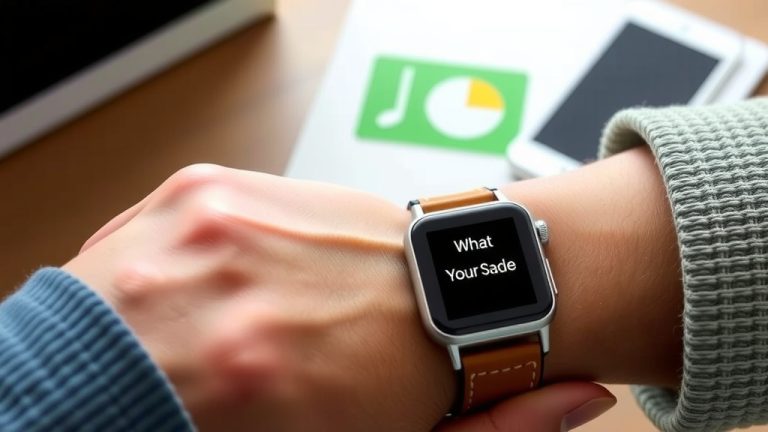
Wrap a flexible measuring tape around your wrist. Find the spot where you normally wear your watch. Make sure it’s snug but not too tight. Note the measurement in millimeters.
If you don’t have a flexible tape, use a piece of string or a non-stretchy strip of paper. Mark where the ends meet. Then, measure the length of the string or paper with a ruler. This gives you your wrist’s circumference.
Understanding Wrist Size in Relation to Watch Size
Many experts suggest that for a balanced look, the watch’s lug-to-lug measurement shouldn’t be much wider than your wrist. A general guideline is that the case diameter should be roughly one-third to one-half of your wrist circumference. Of course, personal preference is also very important here.
For example, if your wrist is 160mm around, a watch with a lug-to-lug of 45mm might start to feel a bit large for some. A watch with a 40mm diameter and a similar lug-to-lug might fit more proportionally. These are just starting points, though.

Putting It All Together: Smartwatch Size Chart Guide
To help you visualize, we’ve put together a simple guide. This compares common smartwatch case sizes to typical wrist sizes. Remember, these are general recommendations.
| Smartwatch Case Diameter (mm) | Suggested Wrist Size (Circumference) | Notes on Fit |
|---|---|---|
| 38mm – 40mm | 130mm – 150mm | Often a good fit for smaller wrists. Can appear delicate on larger wrists. |
| 41mm – 42mm | 140mm – 160mm | A popular mid-range size. Generally versatile for many wrist sizes. |
| 44mm – 45mm | 150mm – 170mm | Can be a good standard size. May feel large on smaller wrists. |
| 46mm+ | 160mm+ | Best suited for larger wrists. Offers a bold, prominent look. |
This chart is a handy reference. We found that comparing your measured wrist circumference to these ranges can be very useful. It helps you avoid watches that might look disproportionate.
Tips for a Confident Smartwatch Purchase
Choosing the right size doesn’t have to be stressful. Here are a few extra tips we found helpful.
- Check Reviews: Read or watch reviews from people with similar wrist sizes. They often mention how the watch fits.
- Try Before You Buy: If possible, try the watch on in a store. This is the best way to feel the fit and see the look.
- Consider the Bezel: A thick bezel can make the watch face look smaller. A slim bezel can make it appear larger.
- Think About Your Style: Do you prefer a subtle accessory or a statement piece? This influences the size you’ll feel most comfortable with.
- Return Policies: If buying online, always check the return policy. This gives you peace of mind if the fit isn’t quite right.
By taking a few simple measurements and considering these factors, you’re well on your way to finding a smartwatch that fits perfectly. You’ll be enjoying your new tech accessory in no time!
Conclusion
You’ve learned how to measure your smartwatch size effectively. Understanding case diameter, width, and lug-to-lug distance is key. Don’t forget strap width and how it affects the overall look. Comparing these measurements to your own wrist size ensures a comfortable and proportional fit. We found that this careful approach prevents common sizing mistakes. Your next step is to grab a measuring tape or string and measure your wrist. Then, compare it to the watch specs of your desired smartwatch.
Frequently Asked Questions
How do I measure my wrist if I don’t have a flexible tape measure?
You can easily use a piece of string or a non-stretchy strip of paper. Wrap it around your wrist where you’d wear a watch and mark where the ends meet. Then, use a standard ruler to measure the length of the string or paper.
What is a good rule of thumb for watch lug-to-lug measurement versus wrist size?
Generally, you want the watch’s lug-to-lug measurement to be no wider than your wrist. If the lugs extend much beyond the sides of your wrist, the watch might feel too large.
Does the crown or buttons on a smartwatch affect its measured size?
Yes, the case width measurement sometimes includes the crown or buttons. Always check the product specifications to see if these elements are included, as they can make the watch appear wider.
How does the strap material influence how a smartwatch looks on my wrist?
A chunky metal bracelet can make a watch appear larger, while a slim leather or silicone band might look more understated. Softer, flexible straps also tend to conform better for all-day comfort.
Where can I find the lug-to-lug measurement for a smartwatch?
You’ll typically find the lug-to-lug measurement in the detailed specifications section on the product page of the smartwatch you’re interested in. If you’re in a store, you can ask a sales associate for this detail.
![7 Best Apple Smart Watch For Seniors [2026]](https://smartwatchbest.com/wp-content/uploads/2026/06/7-best-apple-smart-watch-for-seniors-2026-featured-768x432.jpg)